

Free Piedmont Travel Guide & Mobile App
Explore Piedmont with free travel guides. Discover regional history, expert tips, proposed trips, and audio guides on web or mobile app.


Explore South Carolina’s Piedmont for Greenville culture, Revolutionary War sites, textile towns, reservoirs, trails and rolling Upstate landscapes.
Read more about Piedmont
Getting to and around Piedmont
How to get there
Transportation
Best attractions in Piedmont
South Carolina’s Piedmont offers a varied mixture of urban culture, military history, industrial heritage and outdoor recreation. Greenville is the main cultural centre, with Falls Park on the Reedy, the Swamp Rabbit Trail, museums, galleries and a concentrated downtown dining scene. Spartanburg adds performing arts, local history and former mill districts, while Anderson and Greenwood provide smaller-town museums, civic buildings and seasonal events. Revolutionary War history is particularly prominent at Cowpens National Battlefield, Kings Mountain National Military Park and Ninety Six National Historic Site, where preserved landscapes and interpretation explain the southern campaign. Paris Mountain State Park, near Greenville, provides hiking, picnicking and lake scenery close to the city. Lake Hartwell and other Upstate reservoirs support boating, fishing and shoreline recreation, although access points and facilities vary. The South Carolina Botanical Garden at Clemson combines cultivated landscapes with native Piedmont environments, and nearby university surroundings provide a different atmosphere from the region’s historic towns. Former textile mills, railway corridors and mill villages add an industrial layer to the visitor experience, while rural roads lead through farms, wooded ridges and small communities that are best explored at a relaxed pace.
-
Park
Falls Park on the Reedy
Explore the natural beauty and vibrant culture of Falls Park on the Reedy, a must-visit urban park in Greenville, SC, featuring stunning landscapes and community events.
-
Garden
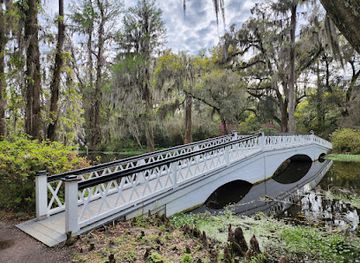
Magnolia Plantation and Gardens
Discover the enchanting beauty and rich history of Magnolia Plantation and Gardens in Charleston, a must-visit destination for nature lovers and history enthusiasts alike.
-
Zoo
Greenville Zoo
Explore Greenville Zoo's enchanting wildlife exhibits and immersive experiences, perfect for families and animal lovers visiting South Carolina.
-
Escape room center
Escape Artist Greenville - Downtown
Experience the thrill of immersive puzzles and interactive fun at Escape Artist Greenville, a top-rated escape room destination in downtown Greenville.



Best landmarks in Piedmont
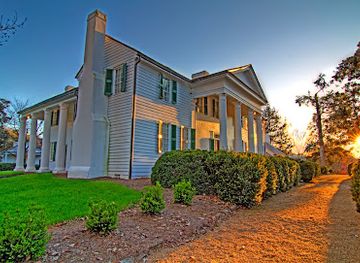
Falls Park on the Reedy is Greenville’s defining civic landmark, where waterfalls and a pedestrian bridge form a distinctive urban landscape shaped around the river. The Liberty Bridge, suspended above the falls, is part of the city’s contemporary public architecture rather than a historic monument. In Spartanburg, the restored downtown and surviving industrial fabric reflect the city’s textile and railway history, while the Chapman Cultural Center provides an identifiable arts and civic focus. Cowpens National Battlefield and Kings Mountain National Military Park are important geographic landmarks because their open fields and ridges preserve the settings of decisive Revolutionary War engagements. Ninety Six National Historic Site is distinguished by the surviving earthworks of Star Fort and its archaeological landscape. Around Clemson, the South Carolina Botanical Garden and rolling grounds near Lake Hartwell show the Piedmont’s transition from settled inland country to the wooded lake and foothill landscapes of the western Upstate. Historic courthouse squares in towns such as Greenwood and Newberry provide smaller-scale architectural landmarks, with public buildings and commercial blocks that record the region’s civic and agricultural development.
-
Cultural center
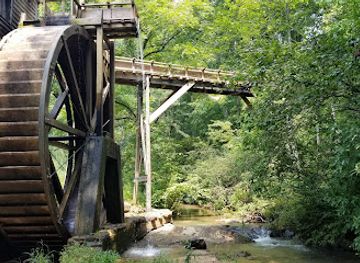
Hagood Mill Historic Site
Explore the rich history and cultural heritage of Hagood Mill Historic Site in Pickens, SC, where tradition meets natural beauty for an unforgettable experience.
-
Historical place
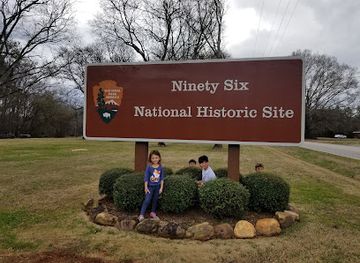
Ninety Six National Historic Site
Discover the rich history and scenic beauty of Ninety Six National Historic Site, a key location in the Revolutionary War.
-
Historical place museum
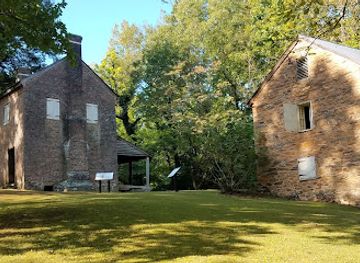
Oconee Station State Historic Site
Discover the historical wonders and natural beauty of Oconee Station State Historic Site in South Carolina, perfect for history enthusiasts and nature lovers alike.
-
History museum
Fort Hill: National Historic Landmark
Explore the legacy of John C. Calhoun at Fort Hill, a captivating National Historic Landmark in Clemson, South Carolina, rich in history and natural beauty.
Explore Piedmont on the map
Plan your trip on one map. See where the top cities, national parks and sights are, and book hotels and experiences in a few clicks.
Best hotels in Piedmont
Best restaurants in Piedmont
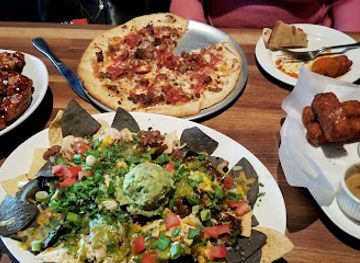
Dining in the Piedmont reflects South Carolina’s broader Southern food traditions while increasingly drawing on the region’s urban growth and international population. Barbecue is a central regional reference, with pork, slow cooking and mustard-based sauces particularly associated with the South Carolina tradition, though restaurants vary considerably in style. Menus commonly include fried or grilled chicken, catfish, beans, greens, biscuits, seasonal vegetables and peach-based desserts, while farm shops and markets highlight peaches, berries, pecans and other produce. Greenville has the broadest range of contemporary restaurants, cafés, bakeries and international cuisines, and Spartanburg, Anderson, Clemson and smaller towns offer a mixture of independent dining rooms, casual counters, diners and traditional inns. Around the lakes, restaurants may lean towards relaxed, family-oriented meals rather than formal dining. Craft breweries and local drinks are increasingly visible in larger centres, but the region’s culinary identity remains closely connected to barbecue, home-style cooking, seasonal produce and the hospitality traditions of the wider American South.
-
Sports bar
Twin Peaks
Discover Twin Peaks in Greenville: A lively sports bar offering American cuisine and endless entertainment.
-
American
Cracker Barrel Old Country Store
Experience the charm of Cracker Barrel Old Country Store in Piedmont SC - where hearty meals meet delightful shopping!
-
New American
Yard House
Experience vibrant dining at Yard House in Greenville with an extensive menu and craft beer selection perfect for every palate.
-
Southern
Soby's
Experience the vibrant flavors of Southern cuisine at Soby's in Greenville – where tradition meets innovation in every bite.


Best bars in Piedmont
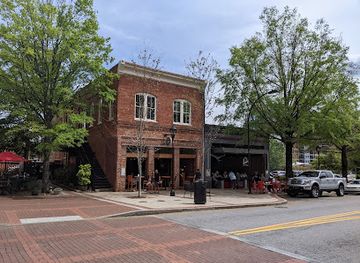
Evening life in the South Carolina Piedmont is concentrated in Greenville, Spartanburg, Anderson and Clemson rather than spread evenly across the countryside. Greenville’s downtown has the region’s largest concentration of bars, breweries, cocktail lounges, restaurants and live-music venues, while Spartanburg combines craft drinks, performance spaces and traditional pubs around its central districts. Clemson has a pronounced student-oriented evening scene during the academic year, with casual bars and restaurants, although its character changes during university holidays and sporting weekends. In smaller towns, nightlife is more likely to centre on local pubs, restaurants, breweries, community events and occasional live music than on large nightclubs. Lake communities often become busier in warm weather, but evening options can be dispersed and seasonal. Visitors should check current arrangements independently, especially for music performances, and should plan a safe way back when staying outside the main urban centres.
-
American
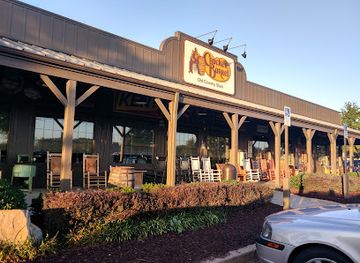
Cracker Barrel Old Country Store
Delight in Southern comfort food and charming ambiance at Cracker Barrel Old Country Store, a must-visit for authentic American dining.
-
Haunted house
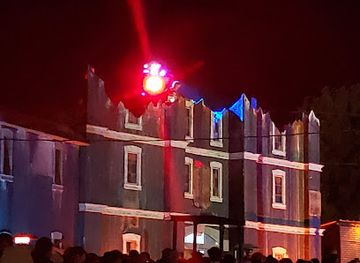
Madworld Haunted Attractions
Experience spine-chilling thrills and unforgettable scares at Madworld Haunted Attractions in Piedmont, SC, a must-visit for horror fans and thrill-seekers.
-
Bar
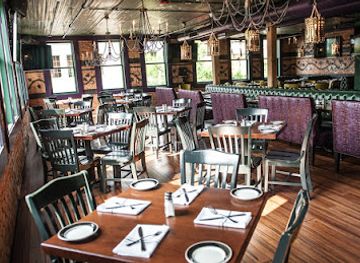
Ink N Ivy
Experience the vibrant atmosphere and delicious American cuisine at Ink N Ivy, a top destination for food and entertainment in Greenville, SC.
-
Brewpub
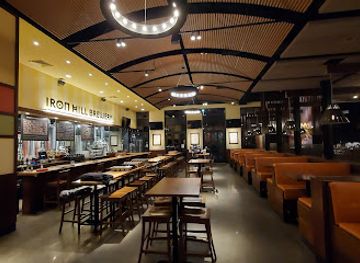
Iron Hill Brewery and Restaurant
Explore the vibrant flavors of Iron Hill Brewery and Restaurant, where handcrafted beers and delicious dishes create an unforgettable dining experience in Greenville, SC.
Best nightclubs in Piedmont
Evening life in the South Carolina Piedmont is concentrated in Greenville, Spartanburg, Anderson and Clemson rather than spread evenly across the countryside. Greenville’s downtown has the region’s largest concentration of bars, breweries, cocktail lounges, restaurants and live-music venues, while Spartanburg combines craft drinks, performance spaces and traditional pubs around its central districts. Clemson has a pronounced student-oriented evening scene during the academic year, with casual bars and restaurants, although its character changes during university holidays and sporting weekends. In smaller towns, nightlife is more likely to centre on local pubs, restaurants, breweries, community events and occasional live music than on large nightclubs. Lake communities often become busier in warm weather, but evening options can be dispersed and seasonal. Visitors should check current arrangements independently, especially for music performances, and should plan a safe way back when staying outside the main urban centres.
-
Bar
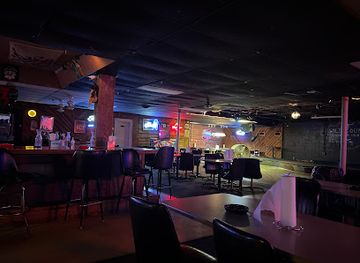
Wild Country Saloon & Nightlife
Discover the lively charm of Wild Country Saloon & Nightlife in Piedmont, SC - a perfect blend of American cuisine, drinks, and vibrant nightlife.
-
Grill
The 2 Door Lounge
Discover The 2 Door Lounge in Piedmont, SC – a cozy bar and grill offering delicious grill fare in a relaxed atmosphere for every traveler.
-
Night club
Gingerbreadr
Discover the vibrant nightlife of Piedmont, SC at Gingerbreadr, where music, dancing, and an electrifying atmosphere await.


Best shops in Piedmont
Shopping in the Piedmont is centred on the downtowns and commercial districts of Greenville, Spartanburg, Anderson, Clemson, Greenwood and Newberry. Greenville offers the broadest selection of independent boutiques, contemporary lifestyle shops, galleries, bookshops and food retailers, while Spartanburg combines local businesses with arts-oriented shopping around its revitalised centre. Smaller towns are useful for antiques, locally made art, furniture, books and practical regional goods rather than extensive luxury retail. Farmers’ markets and seasonal produce stands are good places to look for peaches, pecans, preserves, baked goods and other South Carolina food products, with availability varying through the year. Gallery and craft shopping may include pottery, paintings, woodwork, textiles and jewellery made by artists from the Upstate. Near lakes and outdoor destinations, shops tend to focus on boating, fishing and recreation. Former mill areas sometimes contain studios, food businesses or independent retailers, but their uses change, so visitors should treat them as evolving neighbourhoods rather than fixed shopping centres.
-
Shopping mall
Magnolia Park
Explore Magnolia Park, Greenville's premier shopping mall, featuring trendy stores, diverse dining options, and vibrant entertainment for all ages.
-
General store
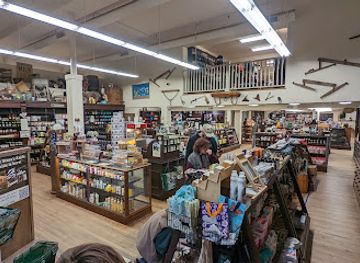
Mast General Store Greenville
Explore the eclectic offerings of Mast General Store in Greenville, SC, where adventure meets tradition in a historic shopping experience.
-
Truck stop
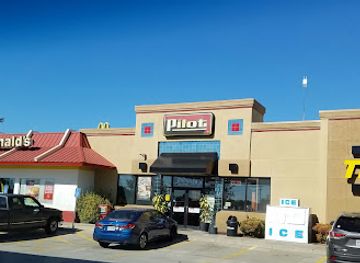
Pilot Travel Center
Discover the Pilot Travel Center in Piedmont - a 24/7 oasis for travelers featuring a gas station, convenience store, and welcoming amenities.
-
Grocery store
Deals Galore
Explore Deals Galore in Williamston, SC for fresh produce, local specialties, and unbeatable prices on all your grocery needs.


Get your free copy of our complete guide to Piedmont, delivered straight to you.
Everything on this page, from attractions and restaurants to essentials and local phrases, in one PDF you can read offline, print or share.
Already have an account? Sign in
Your Piedmont guide is ready.
We'll send it to · Not you? Sign out

Getting your guide ready…
We are putting together a fresh copy of the Piedmont guide. This can take up to a minute.
This can take a few moments. If your browser asks, choose Allow so the download can start. You'll find the guide in your Downloads folder.
Nothing happened? Download it again
Sorry, the guide is taking longer than usual. Please try again in a minute, or get it by email instead.
Piedmont essentials
Currency and Payment
Safety
Emergency Situations
Do's and Don'ts
Local Tips
From Eve
Local phrases worth knowing
You don't need to get them perfect. A few words go a long way, and locals appreciate the effort.
Basics
| English | Local | Say it |
|---|---|---|
| Hello | Hey | [Hey] |
| Goodbye | Bye | [Bye] |
| Yes | Yup | [Yup] |
| No | Nah | [Nah] |
| Please/You're welcome | Please/No problem | [Please/No problem] |
| Thank you | Thanks | [Thanks] |
| Excuse me/Sorry | Excuse me/Sorry | [Excuse me/Sorry] |
| How are you? | How ya doin'? | [How ya doin'?] |
| Fine. And you? | I’m good. And you? | [I’m good. And you?] |
| Do you speak English? | You speakin' English? | [You speakin' English?] |
| I don't understand | I don’t get it | [I don’t get it] |
Eating & Drinking
| English | Local | Say it |
|---|---|---|
| I'd like to see the menu, please | Can I see the menu, please? | [Can I see the menu, please?] |
| I don't eat meat | I ain’t eatin’ meat | [I ain’t eatin’ meat] |
| Cheers! | Cheers! | [Cheers!] |
| I would like to pay, please | Can I pay, please? | [Can I pay, please?] |
Emergencies
| English | Local | Say it |
|---|---|---|
| Help! | Help! | [Help!] |
| Go away! | Get away! | [Get away!] |
| Call the Police! | Call the cops! | [Call the cops!] |
| Call a doctor! | Call a doc! | [Call a doc!] |
| I'm lost | I’m lost | [I’m lost] |
| I'm ill | I’m sick | [I’m sick] |
Shopping
| English | Local | Say it |
|---|---|---|
| I'd like to buy... | I wanna buy... | [I wanna buy...] |
| I'm just looking | Just lookin’ | [Just lookin’] |
| How much is it? | How much is that? | [How much is that?] |
| That's too expensive | That’s too pricey | [That’s too pricey] |
| Can you lower the price? | Can ya bring the price down? | [Can ya bring the price down?] |
Time & Numbers
| English | Local | Say it |
|---|---|---|
| What time is it? | What time is it? | [What time is it?] |
| It's one o'clock | It's one o'clock | [It's one o'clock] |
| Half past (10) | Half past ten | [Half past ten] |
| Morning | Mornin' | [Mornin'] |
| Afternoon | Afternoon | [Afternoon] |
| Evening | Evenin' | [Evenin'] |
| Yesterday | Yesterday | [Yesterday] |
| Today | Today | [Today] |
| Tomorrow | Tomorrow | [Tomorrow] |
| 1 | One | [One] |
| 2 | Two | [Two] |
| 3 | Three | [Three] |
| 4 | Four | [Four] |
| 5 | Five | [Five] |
| 6 | Six | [Six] |
| 7 | Seven | [Seven] |
| 8 | Eight | [Eight] |
| 9 | Nine | [Nine] |
| 10 | Ten | [Ten] |
Transport & Directions
| English | Local | Say it |
|---|---|---|
| Where's a/the...? | Where's the...? | [Where's the...?] |
| What's the address? | What’s the address? | [What’s the address?] |
| Can you show me (on the map)? | Can ya show me (on the map)? | [Can ya show me (on the map)?] |
| When's the next (bus)? | When’s the next (bus)? | [When’s the next (bus)?] |
| A ticket (to ....) | A ticket (to ...) | [A ticket (to ...)] |
History of Piedmont
Indigenous Landscapes and Early European Settlement
Before European colonisation, the South Carolina Piedmont was home to Indigenous peoples including the Cherokee and Catawba, whose territories, trails and trading networks connected the interior to the coast and Appalachian region. European settlers entered more intensively during the eighteenth century, establishing farms, trading posts and small communities along rivers and established routes. The landscape was transformed through land clearance and plantation agriculture, although the region’s rolling terrain and comparatively inland position gave it a different pattern from the large rice and indigo estates of the Lowcountry.
Ninety Six and the Colonial Frontier
Ninety Six became an important inland settlement and trading point in the colonial period, named for its approximate distance from the Cherokee village of Keowee by an old route. During the American Revolution, the community was fortified and contested because it controlled movement through the South Carolina backcountry. Ninety Six National Historic Site preserves the archaeological and landscape remains of the settlement and Star Fort, helping visitors understand how frontier trade, imperial rivalry and local loyalties shaped the Piedmont before and during the war.
The Revolutionary War in the Backcountry
The Piedmont was a major theatre of the American Revolutionary War, where Patriot and Loyalist forces fought through a divided inland population. The Battle of Cowpens in January 1781 produced a significant American victory through a carefully managed battlefield plan, while the nearby Battle of Kings Mountain, fought in October 1780, weakened Loyalist military strength in the southern campaign. These sites demonstrate that the Revolution in South Carolina was not confined to coastal cities; it was also a civil conflict fought across farms, roads and small settlements.
Cotton, Railways and the Rise of the Mill Town
After the Revolution, cotton cultivation and processing expanded across the Piedmont. The construction of railways and the spread of textile mills in the late nineteenth and early twentieth centuries turned places such as Greenville, Spartanburg, Anderson and smaller nearby communities into manufacturing centres. Mills were commonly built beside rivers or power sources and attracted workers from surrounding rural districts. Cotton textiles influenced housing, education, commerce and civic life for generations, leaving a built legacy of mill villages, industrial structures and railway corridors.
The Textile Economy and Labour Communities
During the twentieth century, Piedmont South Carolina became closely associated with textile production, from spinning and weaving to finishing and garment manufacture. Mill companies often provided housing and supported schools, shops and recreational facilities, but employment was also shaped by strict company control, low wages and difficult working conditions. Textile workers organised at various points, including during the wider labour conflicts of the 1930s. Former mills and worker neighbourhoods now convey both the economic importance of the industry and the complicated social history of the communities it created.
War Industry and the Modern Upstate
The Second World War accelerated industrial development throughout the Upstate, with plants and transport links supporting national production. In the post-war decades, manufacturing diversified beyond textiles into chemicals, machinery, automotive production and advanced engineering. The arrival of major international manufacturers, including BMW’s large plant near Greer in the late twentieth century, reinforced the region’s role as a manufacturing and logistics centre. This transformation brought new investment and employment while also changing the Piedmont’s population, business culture and connections to global markets.
Urban Renewal, Heritage and Cultural Reinvention
From the late twentieth century, Piedmont towns began addressing the decline of traditional textiles through downtown investment, riverfront projects, heritage conservation, higher education and new industries. Greenville’s Reedy River corridor and former industrial areas became prominent examples of urban regeneration, while Spartanburg and other towns developed arts, food and trail initiatives around historic centres. The resulting region combines active manufacturing and university life with preserved battlefields, mill buildings and older commercial streets, rather than presenting industrial history as a closed chapter.
Piedmont in Photos
Browse through our photo collection highlighting the charm and character of the destination.
Neighbouring regions of Piedmont
The closest regions to Piedmont, if you have time for more than one.
-

-

-

-

-


Swipe for more regions
Explore more

Explore more of South Carolina
Explore South Carolina: A blend of historic charm, natural beauty, and southern hospitality. From Charleston's cobblestone streets to Myrtle Beach's sandy shores, adventure awaits.
Explore South Carolina