

Free Midlands Travel Guide & Mobile App
Explore Midlands with free travel guides. Discover regional history, expert tips, proposed trips, and audio guides on web or mobile app.


Explore South Carolina’s Midlands for Columbia museums, Revolutionary history, Congaree forest, lake recreation and distinctive Southern food.
Read more about Midlands
Getting to and around Midlands
How to get there
Transportation
Top city travel guides in Midlands
The cities of Midlands, and the easiest places to base yourself.
-

-


Swipe for more cities
Destinations in Midlands
Resorts, valleys and scenic spots worth a trip of their own.
-

-


Swipe for more destinations
Best attractions in Midlands
The Midlands’ attractions combine a state capital’s cultural institutions with forests, waterways and historic towns. In Columbia, the South Carolina State Museum covers natural history, art, science and the state’s past, while the South Carolina State House provides a direct introduction to government and nineteenth-century architecture. Riverbanks Zoo and Garden, divided by the Saluda River between Columbia and West Columbia, is a major family attraction, and the city’s riverfront greenways provide quieter outdoor access. Congaree National Park, southeast of the capital, is the region’s defining natural attraction, with boardwalks and trails through old-growth bottomland forest. Lake Murray supports boating, fishing and lakeside recreation, while Sesquicentennial State Park and Harbison Forest offer woodland walking closer to the metropolitan area. Camden adds Revolutionary War interpretation at Historic Camden and the nearby battlefield, and Newberry contributes an opera house, museums and a well-preserved historic centre. Historic house museums, galleries, university arts venues and seasonal cultural programming broaden the region’s appeal beyond conventional sightseeing.
-
Zoo
Riverbanks Zoo & Garden
Discover the captivating wildlife and beautiful gardens at Riverbanks Zoo & Garden in Columbia, South Carolina.
-
Garden
Magnolia Plantation and Gardens
Explore the stunning Magnolia Plantation and Gardens in Charleston, SC, where history and nature unite in a breathtaking Southern landscape.
-
Tourist attraction
Boone Hall Plantation & Gardens
Discover the historic beauty and rich heritage of Boone Hall Plantation & Gardens in Mount Pleasant, South Carolina, a must-visit for every traveler.
-
Botanical garden
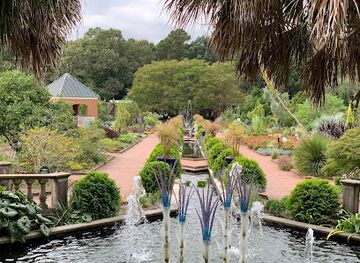
Riverbanks Botanical Garden
Explore the breathtaking Riverbanks Botanical Garden, a stunning natural oasis in South Carolina featuring diverse flora, themed gardens, and serene landscapes.


Best landmarks in Midlands
The South Carolina State House is the Midlands’ most recognisable civic landmark, with a prominent dome, formal grounds and visible traces of Civil War damage. Columbia’s historic districts contain substantial nineteenth- and early twentieth-century houses, churches and public buildings, including the Robert Mills House and Hampton-Preston Mansion, which help explain the capital’s architectural development. The University of South Carolina’s historic Horseshoe presents a contrasting academic landscape of mature trees and early collegiate buildings. In Camden, the Kershaw-Cornwallis House and the wider historic district evoke the town’s colonial and Revolutionary-era importance, while the Camden battlefield marks a significant engagement of the Southern Campaign. Congaree National Park’s old-growth floodplain forest is a natural landmark rather than a single structure, distinguished by towering hardwoods, seasonal waters and a rare surviving ecosystem. Lake Murray’s broad reservoir and dam form another defining visual feature of the central South Carolina landscape.
-
Zoo
Riverbanks Zoo & Garden
Discover the wonders of wildlife and breathtaking gardens at Riverbanks Zoo & Garden, a top tourist attraction in Columbia, South Carolina.
-
Botanical garden
Riverbanks Botanical Garden
Explore Riverbanks Botanical Garden, a stunning blend of nature, tranquility, and vibrant flora in West Columbia, South Carolina, perfect for all nature enthusiasts.
-
Museum
South Carolina State Museum
Explore the South Carolina State Museum: a rich tapestry of history, art, and science in the heart of Columbia, showcasing the diverse heritage of the Palmetto State.
-
Park
Saluda Shoals Park
Explore Saluda Shoals Park, Columbia's outdoor oasis, offering trails, waterways, and family-friendly activities amidst stunning natural beauty.


Explore Midlands on the map
Plan your trip on one map. See where the top cities, national parks and sights are, and book hotels and experiences in a few clicks.
Best hotels in Midlands
Best restaurants in Midlands
Midlands dining joins South Carolina staples with an increasingly varied urban food scene. Barbecue is central, particularly pork served with the state’s tangy mustard-based sauce, while menus may also include fried green tomatoes, shrimp and grits, collard greens, pimento cheese, catfish and peach-based desserts. Columbia’s Main Street, the Vista, Five Points and nearby neighbourhoods offer everything from cafés and casual Southern cooking to international restaurants and contemporary dining rooms. Rural inns, lake-area restaurants and family-run establishments provide a different atmosphere outside the capital. Farmers’ markets and roadside stands are useful for seasonal peaches, tomatoes, greens, baked goods and other local produce. The region also has breweries, coffee shops and bakeries, with food traditions reflecting both African American culinary heritage and the wider cuisine of the American South rather than a single narrowly defined Midlands dish.
-
American
California Dreaming
Discover the essence of American dining at California Dreaming in Columbia, SC - where flavor meets family-friendly hospitality.
-
Restaurant
Halls Chophouse Columbia
Discover exquisite steaks and upscale dining at Halls Chophouse Columbia - where flavor meets elegance in South Carolina.
-
Family-friendly
Flight Deck Restaurant
Experience family-friendly dining at Flight Deck Restaurant with diverse cuisine options and arcade fun in Lexington, SC.
-
Cocktail bar
Bourbon
Experience the vibrant fusion of Cajun cuisine and craft cocktails at Bourbon in Columbia, SC – your go-to destination for unforgettable nights.


Best bars in Midlands
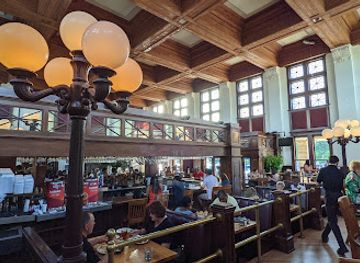
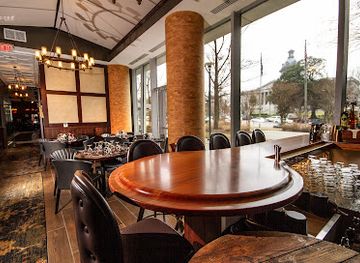
Evening life in the Midlands is concentrated in Columbia, particularly around Main Street, the Vista and Five Points. The capital offers cocktail bars, breweries, live-music rooms, sports bars, restaurants and venues connected with the university and theatre communities, while Five Points generally has a younger, student-oriented character. The Vista combines galleries, dining and bars in a former warehouse district, and Main Street is convenient for pairing cultural outings with an evening meal. Outside Columbia, nightlife is quieter and tends to centre on local pubs, breweries, restaurants and occasional live music in towns such as Lexington, Newberry and Camden. Lake Murray communities have a seasonal social scene, especially in warm weather, but they are not a continuous club district. Visitors should check current arrangements for individual venues rather than assuming late opening or regular live performances.
-
Bar
Outback Steakhouse
Discover the authentic flavors of Australia at Outback Steakhouse in Rock Hill, where comfort food meets a lively atmosphere.
-
Cocktail bar
Bourbon
Discover Bourbon in Columbia, SC – a cocktail bar serving Cajun-inspired delights and vibrant nightlife for an unforgettable experience.
-
Pub
The British Bulldog Pub
Experience the best of British cuisine and sports at The British Bulldog Pub in Columbia, a perfect blend of hearty food and lively atmosphere.
-
Bar
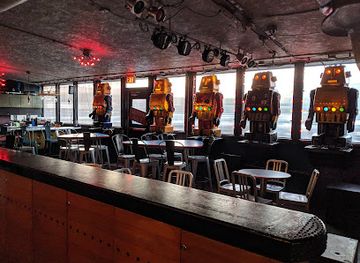
Art Bar
Discover the vibrant Art Bar in Columbia, SC, where art, music, and nightlife blend for an unforgettable experience.


Best nightclubs in Midlands
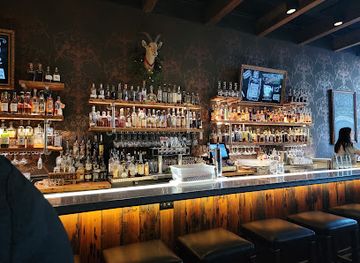
Evening life in the Midlands is concentrated in Columbia, particularly around Main Street, the Vista and Five Points. The capital offers cocktail bars, breweries, live-music rooms, sports bars, restaurants and venues connected with the university and theatre communities, while Five Points generally has a younger, student-oriented character. The Vista combines galleries, dining and bars in a former warehouse district, and Main Street is convenient for pairing cultural outings with an evening meal. Outside Columbia, nightlife is quieter and tends to centre on local pubs, breweries, restaurants and occasional live music in towns such as Lexington, Newberry and Camden. Lake Murray communities have a seasonal social scene, especially in warm weather, but they are not a continuous club district. Visitors should check current arrangements for individual venues rather than assuming late opening or regular live performances.
-
Bar
Art Bar
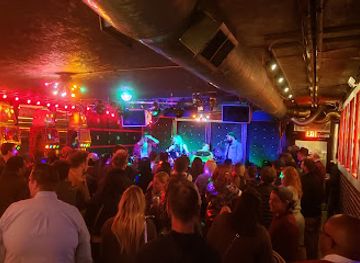
Discover Art Bar in Columbia, SC – where art meets nightlife with live music, karaoke, and delicious food in an inviting atmosphere.
-
Restaurant
Chayz Lounge
Discover the perfect blend of delicious cuisine and live music at Chayz Lounge in West Columbia, SC, your next favorite dining destination.
-
Gay bar
The Capital Club
Experience the vibrant nightlife at The Capital Club, Columbia's premier gay bar, known for its lively atmosphere and inclusive spirit.
-
Gay bar
The Hideaway of Rock Hill
Explore the festive atmosphere at The Hideaway of Rock Hill, a premier gay bar and karaoke venue in South Carolina's vibrant LGBT scene.


Best shops in Midlands
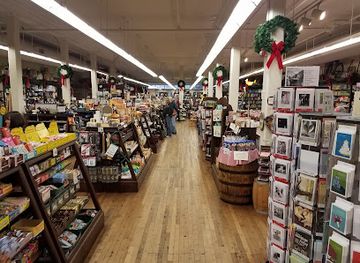
Shopping in the Midlands ranges from Columbia’s independent urban districts to market towns and seasonal produce stalls. Main Street and the Vista provide galleries, bookshops, clothing stores, specialist food retailers and locally made gifts, while Devine Street is known for independent shops, cafés and design-oriented businesses. Soda City Market, held on Main Street on Saturdays when scheduled, brings together food producers, craftspeople, artists and small retailers. Columbia’s larger retail developments offer mainstream brands, but the region’s more distinctive purchases are usually local foods, South Carolina-made crafts, artwork, books, pottery, barbecue sauces and peach products. Lexington, Newberry and Camden have independent shops, antiques and traditional town-centre businesses, although their opening patterns may be more limited than in the capital. Farmers’ markets and farm stands are especially useful for seasonal fruit, vegetables, preserves and baked goods.
-
Shopping mall
Columbiana Centre
Explore the ultimate shopping experience at Columbiana Centre, Columbia's premier destination for fashion, dining, and entertainment.
-
Shopping mall
Village at Sandhill
Discover a delightful shopping experience at Village at Sandhill, where vibrant stores and diverse dining meet in Columbia, SC.
-
General store
Mast General Store Columbia
Explore the eclectic offerings of Mast General Store in Columbia, where local charm meets outdoor adventure gear and unique gifts.
-
Shopping mall
Boozer Shopping Center
Uncover the best shopping experience in Columbia, SC, at Boozer Shopping Center, where variety meets vibrancy for the ultimate retail therapy.



Get your free copy of our complete guide to Midlands, delivered straight to you.
Everything on this page, from attractions and restaurants to essentials and local phrases, in one PDF you can read offline, print or share.
Already have an account? Sign in
Your Midlands guide is ready.
We'll send it to · Not you? Sign out

Getting your guide ready…
We are putting together a fresh copy of the Midlands guide. This can take up to a minute.
This can take a few moments. If your browser asks, choose Allow so the download can start. You'll find the guide in your Downloads folder.
Nothing happened? Download it again
Sorry, the guide is taking longer than usual. Please try again in a minute, or get it by email instead.
Midlands essentials
Currency and Payment
Safety
Emergency Situations
Do's and Don'ts
Local Tips
From Eve
Local phrases worth knowing
You don't need to get them perfect. A few words go a long way, and locals appreciate the effort.
Basics
| English | Local | Say it |
|---|---|---|
| Hello | Hey | [Hay] |
| Goodbye | Bye | [Bye] |
| Yes | Yup | [Yup] |
| No | Nah | [Nah] |
| Please/You're welcome | No problem | [No prob-lem] |
| Thank you | Thanks | [Thanks] |
| Excuse me/Sorry | Excuse me | [Ex-cuse me] |
| How are you? | How y'all doin'? | [How y'all doin'?] |
| Fine. And you? | I'm good. And you? | [I'm good. And you?] |
| Do you speak English? | Y'all speakin' English? | [Y'all speakin' English?] |
| I don't understand | I don’t get it | [I don’t get it] |
Eating & Drinking
| English | Local | Say it |
|---|---|---|
| I'd like to see the menu, please | Can I see the menu? | [Can I see the menu?] |
| I don't eat meat | I ain't eatin' meat | [I ain't eatin' meat] |
| Cheers! | Cheers! | [Cheers!] |
| I would like to pay, please | Can I get the check? | [Can I get the check?] |
Emergencies
| English | Local | Say it |
|---|---|---|
| Help! | Help! | [Help!] |
| Go away! | Get away! | [Get away!] |
| Call the Police! | Call the cops! | [Call the cops!] |
| Call a doctor! | Get a doctor! | [Get a doctor!] |
| I'm lost | I'm lost | [I'm lost] |
| I'm ill | I ain't feelin' good | [I ain't feelin' good] |
Shopping
| English | Local | Say it |
|---|---|---|
| I'd like to buy... | I wanna buy... | [I wanna buy...] |
| I'm just looking | Just lookin' | [Just lookin'] |
| How much is it? | How much it cost? | [How much it cost?] |
| That's too expensive | That's a bit pricey | [That's a bit pricey] |
| Can you lower the price? | Can ya knock down the price? | [Can ya knock down the price?] |
Time & Numbers
| English | Local | Say it |
|---|---|---|
| What time is it? | What time is it? | [What time is it?] |
| It's one o'clock | It's one o'clock | [It's one o'clock] |
| Half past (10) | Half past ten | [Half past ten] |
| Morning | Mornin' | [Mornin'] |
| Afternoon | Afternoon | [Afternoon] |
| Evening | Evenin' | [Evenin'] |
| Yesterday | Yesterday | [Yesterday] |
| Today | Today | [Today] |
| Tomorrow | Tomorrow | [Tomorrow] |
| 1 | One | [One] |
| 2 | Two | [Two] |
| 3 | Three | [Three] |
| 4 | Four | [Four] |
| 5 | Five | [Five] |
| 6 | Six | [Six] |
| 7 | Seven | [Seven] |
| 8 | Eight | [Eight] |
| 9 | Nine | [Nine] |
| 10 | Ten | [Ten] |
Transport & Directions
| English | Local | Say it |
|---|---|---|
| Where's a/the...? | Where's a...? | [Where's a...?] |
| What's the address? | What's the address? | [What's the address?] |
| Can you show me (on the map)? | Can ya show me on the map? | [Can ya show me on the map?] |
| When's the next (bus)? | When's the next bus? | [When's the next bus?] |
| A ticket (to ....) | A ticket to.... | [A ticket to....] |
History of Midlands
Indigenous River Landscapes and Early Settlement
Before European colonisation, the central South Carolina river valleys were home to Indigenous peoples including communities associated with the Congaree, Wateree and Saluda areas. Rivers supported travel, fishing, hunting and settlement, while woodland and floodplain environments shaped seasonal life. European expansion brought disease, conflict, land pressure and the disruption of Indigenous communities. The names of several regional rivers preserve part of this earlier geography, even though colonial settlement transformed the landscape and its patterns of ownership.
Colonial Agriculture and the Founding of Columbia
During the eighteenth century, colonial settlements spread inland from South Carolina’s coast along river routes and roads. Agriculture, including rice in suitable lowlands and later cotton on upland soils, influenced the region’s economy and depended heavily on enslaved labour. Columbia was founded in 1786 as the new state capital at the meeting of the Broad and Congaree rivers, replacing Charleston as the seat of government. Its planned street grid and central position reflected an ambition to connect the state’s coastal and interior interests.
The Revolutionary War in the Midlands
The Midlands became a major theatre of the American Revolutionary War’s Southern Campaign. Camden was the site of important conflicts in 1780, when British forces and American troops fought for control of the interior. Partisan warfare also affected roads, plantations and communities across the region. Historic Camden and the Camden battlefield interpret this period, while the wider landscape retains associations with the campaign’s military routes and contested settlements. The war disrupted colonial authority and helped determine the political future of the southern states.
Cotton, Railways and the Civil War
The nineteenth-century cotton economy reshaped the Midlands through plantation agriculture, enslaved labour and expanding commercial links. Railways strengthened Columbia’s role as a transport and administrative centre, while towns such as Newberry and Camden developed around agriculture, trade and regional services. In February 1865, during the final stages of the Civil War, much of Columbia was destroyed as Union forces entered the city. The event remains central to the capital’s historical interpretation, alongside the experiences of enslaved people, emancipation and the difficult transition to Reconstruction.
Industry and the Textile Era
After the Civil War, the Midlands gradually diversified beyond plantation agriculture. Rail connections, hydroelectric development and access to cotton encouraged textile production and other industries in central South Carolina. Mill communities and manufacturing towns changed patterns of employment and settlement, although industrial growth was marked by racial inequality and restricted opportunities for African Americans. The region’s later industrial history included the expansion of government, education, logistics and defence-related employment, helping Columbia develop into a modern metropolitan centre.
Civil Rights and Educational Change
The Midlands played an important role in South Carolina’s civil rights history. African American communities challenged segregation through legal action, organising, boycotts and campaigns for equal access to public institutions. The University of South Carolina began desegregating in the early 1960s, a significant development in the state’s education history. Columbia’s churches, neighbourhoods, schools and civic spaces preserve links to these struggles, while museums and historic interpretation place local experiences within the wider national movement for civil rights.
Modern Columbia and Conservation
In the late twentieth and early twenty-first centuries, the Midlands combined public administration, higher education, healthcare, business services, military activity and cultural development. Columbia’s riverfront, Main Street and former industrial areas have seen continuing regeneration, while suburban growth has expanded around Lexington and the Lake Murray corridor. Conservation has also become increasingly important, particularly at Congaree National Park, state parks and river lands. The region’s present identity therefore rests on both urban renewal and the protection of forests, waterways and historic places.
Midlands in Photos
Browse through our photo collection highlighting the charm and character of the destination.
Neighbouring regions of Midlands
The closest regions to Midlands, if you have time for more than one.
-

-

-

-

-


Swipe for more regions
Explore more

Explore more of South Carolina
Explore South Carolina: A blend of historic charm, natural beauty, and southern hospitality. From Charleston's cobblestone streets to Myrtle Beach's sandy shores, adventure awaits.
Explore South Carolina