

Upstate, South Carolina Travel Guide
Discover the natural beauty and rich heritage of Upstate South Carolina. Enjoy scenic landscapes, historic sites, and vibrant local culture in this charming region.
Upstate South Carolina is a place where natural beauty meets Southern hospitality. Nestled in the foothills of the Blue Ridge Mountains, this region offers a mix of outdoor adventure, cultural experiences, and historical sites. Whether you're a nature lover, a history buff, or someone looking to relax, Upstate South Carolina has something for everyone. The area is known for its stunning landscapes, including waterfalls, lakes, and lush forests. Popular spots like Table Rock State Park and Lake Jocassee provide perfect settings for hiking, fishing, and boating. If you enjoy scenic drives, the Cherokee Foothills Scenic Highway is a must-visit, offering breathtaking views and access to charming small towns. History enthusiasts will appreciate the rich heritage of the region. Historic sites like the Cowpens National Battlefield and the town of Pendleton, with its well-preserved 19th-century buildings, offer a glimpse into the past. For a taste of local culture, visit the vibrant city of Greenville, which boasts a lively arts scene, diverse dining options, and numerous festivals throughout the year. No visit to Upstate South Carolina would be complete without exploring its local markets and unique shops. From handcrafted goods to fresh produce, you'll find plenty of opportunities to take a piece of the Upstate home with you. The region's welcoming communities and picturesque settings make it an ideal destination for a memorable getaway.

Know before you go
Hi, I'm Eve. Here are a few practical things to know before exploring Upstate.
- Visit Table Rock State Park early in the morning to avoid crowds and enjoy the best views.
- Check out the local farmers' markets for fresh produce and unique handmade items.
- Bring comfortable walking shoes for exploring historic sites and scenic trails.
- If you're planning to visit Greenville, try to coincide with one of their many annual festivals.
- Consider renting a kayak or canoe at Lake Jocassee for a peaceful day on the water.
- Take the Cherokee Foothills Scenic Highway for a beautiful and relaxing drive through the region.
Top City Travel Guides in Upstate
The cities of Upstate, and the easiest places to base yourself.
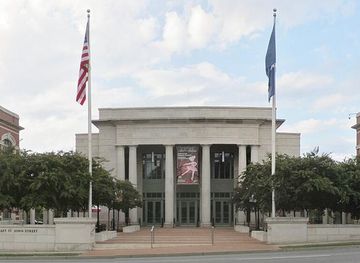

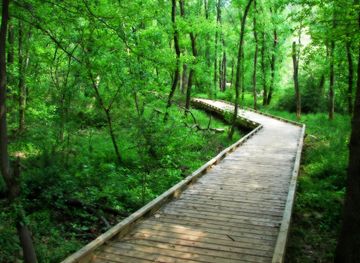


Destinations in Upstate
Resorts, valleys and scenic spots worth a trip of their own.


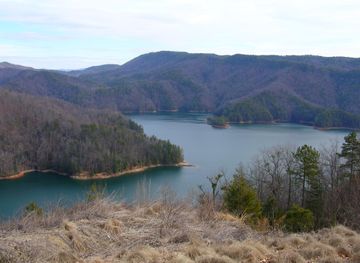
Explore Upstate: Things to Do, Places to Eat, Hotels & More
Handpicked recommendations for top attractions, local dining, accommodations, and more

Top Attractions & Sightseeing in Upstate
Top-rated picks
Best Attractions

Carowinds
Experience the thrill of Carowinds, North Carolina's ultimate amusement and water park with world-class rides and family-friendly attractions.

Falls Park on the Reedy
Explore the natural beauty and tranquility of Falls Park on the Reedy, a premier urban park in Greenville, SC, featuring stunning waterfalls and lush landscapes.

Chimney Rock State Park
Experience the breathtaking beauty and outdoor adventures at Chimney Rock State Park, a must-visit natural wonder in North Carolina.

Magnolia Plantation and Gardens
Experience the timeless beauty and rich history of Magnolia Plantation and Gardens in Charleston, SC, a serene escape for nature lovers and history buffs alike.

Best landmarks in Upstate
Top-rated picks
Best Landmarks

Falls Park on the Reedy
Explore the breathtaking beauty of Falls Park on the Reedy, a serene urban oasis in Greenville, SC, showcasing stunning waterfalls and picturesque walking trails.

Fort Sumter National Monument
Discover the historic Fort Sumter National Monument, where the Civil War began and history unfolds in stunning surroundings.

Magnolia Plantation and Gardens
Explore the enchanting Magnolia Plantation and Gardens, a historic gem in Charleston, SC, blending nature's beauty with rich Southern history.

Paris Mountain State Park
Explore Paris Mountain State Park: A Natural Paradise for Outdoor Activities and Scenic Retreats near Greenville, South Carolina.

Best restaurants in Upstate
Top-rated picks
Best Restaurants

White Duck Taco Shop
Discover innovative tacos in Asheville at White Duck Taco Shop - where traditional flavors meet local creativity.

Stax Omega Diner
Discover the flavors of comfort food at Stax Omega Diner in Greenville, SC - where every meal feels like home.

Saskatoon Steaks Fish and Wild Game
Discover exceptional steakhouse dining with wild game specialties at Saskatoon Steaks Fish and Wild Game in Greenville.

Culver’s
Experience the best of American comfort food at Culver’s in Arden – where buttery burgers meet rich frozen custard!

Best bars in Upstate
Top-rated picks
Best Bars

UP on the Roof
Discover UP on the Roof: A rooftop dining experience in Greenville, SC, blending American flavors with stunning city views.

Yard House
Experience the lively ambiance of Yard House in Greenville, SC, where craft beer meets delicious New American cuisine in a vibrant setting.

Tupelo Honey Southern Kitchen & Bar
Experience the heart of Southern cuisine at Tupelo Honey Southern Kitchen & Bar in Asheville, a family-friendly restaurant celebrated for its innovative dishes and warm hospitality.

Ink N Ivy
Experience the vibrant blend of American cuisine, live music, and dancing at Ink N Ivy, the ultimate entertainment destination in Greenville, SC.

Best nightclubs in Upstate
Top-rated picks
Best Nightclubs

Topgolf Greenville
Experience the ultimate blend of golf, dining, and entertainment at Topgolf Greenville, where fun meets sport in a vibrant atmosphere.

Art Bar
Discover the vibrant Art Bar in Columbia, SC – where art meets nightlife with live music, delicious food, and a creative atmosphere.

GasLight Lounge & Grill
Discover the lively GasLight Lounge & Grill in Greenville, SC, where great drinks and a vibrant atmosphere await your visit.

Club 134 Resturant and Tavern
Discover the lively atmosphere and flavorful grill dishes at Club 134, a perfect spot for nightlife and dining in Anderson, South Carolina.

Best shops in Upstate
Top-rated picks
Best Shops

Haywood Mall
Explore Haywood Mall in Greenville, SC – a vibrant shopping hub with diverse stores, delicious dining, and exciting entertainment options for everyone.

Charlotte Premium Outlets
Discover the best deals at Charlotte Premium Outlets, where savings meet style in a vibrant shopping environment.

The Shops at Greenridge
Explore The Shops at Greenridge in Greenville, SC, where shopping meets entertainment in a vibrant atmosphere for all ages.

Gaffney Outlet Marketplace
Discover unbeatable discounts and a vibrant shopping experience at Gaffney Outlet Marketplace in South Carolina, perfect for all retail enthusiasts.

Explore Upstate on the Map
A handpicked selection of must-see spots in Upstate, mapped for you.
Upstate Essentials
-
Upstate South Carolina is accessible by several major highways, including I-85, I-26, and I-385. The nearest major airport is Greenville-Spartanburg International Airport (GSP), which offers numerous flights from various destinations. For those driving, the region is about 2 hours from Atlanta, GA, and 1.5 hours from Charlotte, NC. Amtrak also operates a train service with stops in Greenville and Spartanburg.
-
Within Upstate South Carolina, various transportation options are available. Greenville and Spartanburg offer public bus services operated by Greenlink and SPARTA, respectively. Ride-sharing services like Uber and Lyft are widely available. Rental car services are also plentiful, providing flexibility for exploring the region's scenic byways and smaller towns.
-
The official currency is the US Dollar (USD). Credit and debit cards are widely accepted, but it is advisable to carry some cash for use at smaller establishments or in more rural areas. ATMs are readily available in cities and towns throughout the region.
-
Upstate South Carolina is generally safe, but like any other place, it is important to stay vigilant. Areas such as parts of downtown Greenville and certain neighborhoods in Spartanburg and Anderson may have higher crime rates, particularly at night. Avoid walking alone after dark in unfamiliar areas and always be mindful of your surroundings.
-
In case of emergency, dial 911. Both Greenville and Spartanburg have well-equipped hospitals, including Prisma Health Greenville Memorial Hospital and Spartanburg Medical Center. Pharmacies are widely available for minor health issues. It is recommended to have travel insurance that covers medical emergencies.
-
Fashion: Do dress comfortably and casually; however, if you are dining at higher-end restaurants, consider business casual attire. Religion: Do respect local customs; many areas have a strong Christian presence, so be mindful when discussing religion. Public Transport: Do be courteous and give up your seat for elderly passengers. Don't be loud or disruptive. Greetings: Do greet people with a handshake and a smile. Eating & Drinking: Do try local Southern dishes like barbecue and pimento cheese. Don't forget to tip your servers, generally around 15-20%.
-
To experience Upstate like a local, visit the Swamp Rabbit Trail in Greenville for a scenic walk or bike ride. Head to the local farmers' markets, such as the TD Saturday Market in Greenville, for fresh produce and local crafts. For a taste of local culture, attend a performance at the Peace Center or visit the BMW Zentrum Museum in Spartanburg. Don't miss the opportunity to explore the Blue Ridge Mountains and enjoy outdoor activities like hiking and waterfall hunting.
When is the best time to visit Upstate?
Useful Local Phrases for Upstate
You don't need to speak the language perfectly. Even learning a few simple words can make conversations warmer—and locals usually appreciate the effort.
— Eve

Here are the phrases I use most often in Upstate. Try a few—you'll be surprised how far they go! 😊
❤️
-
- HelloHey
[Hey] - GoodbyeBye
[Bye] - YesYup
[Yup] - NoNope
[Nope] - Please/You're welcomePlease/No problem
[Please/No problem] - Thank youThank ya
[Thank ya] - Excuse me/SorryExcuse me/Sorry 'bout that
[Excuse me/Sorry 'bout that] - How are you?How ya doin'?
[How ya doin'?] - Fine. And you?I'm good. And you?
[I'm good. And you?] - Do you speak English?Ya speakin' English?
[Ya speakin' English?] - I don't understandI ain't followin'
[I ain't followin']
- HelloHey
-
- I'd like to see the menu, pleaseCan I see the menu, please?
[Can I see the menu, please?] - I don't eat meatI don't eat no meat
[I don't eat no meat] - Cheers!Cheers!
[Cheers!] - I would like to pay, pleaseCan I pay, please?
[Can I pay, please?]
- I'd like to see the menu, pleaseCan I see the menu, please?
-
- Help!Help!
[Help!] - Go away!Leave me be!
[Leave me be!] - Call the Police!Call the cops!
[Call the cops!] - Call a doctor!Get a doctor!
[Get a doctor!] - I'm lostI’m lost
[I’m lost] - I'm illI ain't feelin' good
[I ain't feelin' good]
- Help!Help!
-
- I'd like to buy...I wanna buy...
[I wanna buy...] - I'm just lookingJust lookin'
[Just lookin'] - How much is it?How much's this?
[How much's this?] - That's too expensiveThat's too high
[That's too high] - Can you lower the price?Can ya bring it down some?
[Can ya bring it down some?]
- I'd like to buy...I wanna buy...
-
- What time is it?What time is it?
[What time is it?] - It's one o'clockIt's one o'clock
[It's one o'clock] - Half past (10)Half past ten
[Half past ten] - MorningMornin'
[Mornin'] - AfternoonAfternoon
[Afternoon] - EveningEvenin'
[Evenin'] - YesterdayYesterday
[Yesterday] - TodayToday
[Today] - TomorrowTomorrow
[Tomorrow] - 1One
[One] - 2Two
[Two] - 3Three
[Three] - 4Four
[Four] - 5Five
[Five] - 6Six
[Six] - 7Seven
[Seven] - 8Eight
[Eight] - 9Nine
[Nine] - 10Ten
[Ten]
- What time is it?What time is it?
-
- Where's a/the...?Where's the ...?
[Where's the ...?] - What's the address?What's the address?
[What's the address?] - Can you show me (on the map)?Can ya show me on the map?
[Can ya show me on the map?] - When's the next (bus)?When's the next bus?
[When's the next bus?] - A ticket (to ....)A ticket to ...
[A ticket to ...]
- Where's a/the...?Where's the ...?
History of Upstate
-
Before European settlers arrived, the region now known as Upstate South Carolina was home to the Cherokee people. The Cherokee had established extensive trade networks and sophisticated political structures. European contact in the 16th century brought significant changes, including trade opportunities and devastating epidemics.
-
Upstate South Carolina played a critical role in the American Revolution. The Battle of Cowpens, fought on January 17, 1781, was a decisive victory for the Continental Army and is often considered a turning point in the Southern campaign of the war. The battle demonstrated the successful use of militia forces alongside regular troops.
-
During the Antebellum period, Upstate South Carolina transitioned from a primarily agrarian society to one increasingly focused on textile manufacturing. The establishment of mills along the region's numerous rivers and streams laid the foundation for the state's future economic development. Towns like Greenville and Spartanburg grew rapidly during this time.
-
Upstate South Carolina was less directly impacted by the Civil War compared to other parts of the South, but it still contributed significantly to the Confederate war effort. Post-war, the region faced the challenges of Reconstruction, with economic hardship and social upheaval. The textile industry began to recover and expand during this period.
-
In the late 19th and early 20th centuries, Upstate South Carolina became known as the 'Textile Crescent' due to its numerous textile mills. Companies like Piedmont Manufacturing and Pacolet Manufacturing were industry leaders. This industrial growth attracted a diverse labor force and led to the development of mill villages.
-
The Civil Rights Movement of the 1960s had a significant impact on Upstate South Carolina. Local leaders and activists, including those from educational institutions like Clemson University, played crucial roles in the push for desegregation and equal rights. The integration of Clemson University by Harvey Gantt in 1963 was a pivotal moment in the region's history.
-
In recent decades, Upstate South Carolina has diversified its economy beyond textiles. The region has attracted international companies in the automotive, aerospace, and technology sectors. BMW's decision to build a manufacturing plant in Spartanburg County in the 1990s marked a significant shift towards a more globalized and diversified economy.
Neighbouring Regions of Upstate
The closest regions to Upstate, if you have time for more than one.


Your all‑in‑one travel companion app
Explore expert travel guides, compare and book tours, experiences, hotels, and more—all from the palm of your hand. Download now for seamless trip planning wherever your wanderlust takes you.


Explore More of South Carolina

Looking beyond Upstate? Discover South Carolina for broader travel guides, local hot-spots, and regional highlights.
Explore South CarolinaUpstate in Photos
Browse through our photo collection highlighting the charm and character of the destination.


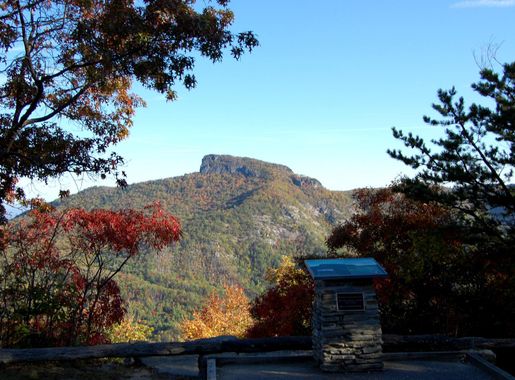


Exploring the Natural Charm of Upstate South Carolina
Upstate South Carolina is a place where natural beauty meets Southern hospitality. Nestled in the foothills of the Blue Ridge Mountains, this region offers a mix of outdoor adventure, cultural experiences, and historical sites. Whether you're a nature lover, a history buff, or someone looking to relax, Upstate South Carolina has something for everyone. The area is known for its stunning landscapes, including waterfalls, lakes, and lush forests. Popular spots like Table Rock State Park and Lake Jocassee provide perfect settings for hiking, fishing, and boating. If you enjoy scenic drives, the Cherokee Foothills Scenic Highway is a must-visit, offering breathtaking views and access to charming small towns. History enthusiasts will appreciate the rich heritage of the region. Historic sites like the Cowpens National Battlefield and the town of Pendleton, with its well-preserved 19th-century buildings, offer a glimpse into the past. For a taste of local culture, visit the vibrant city of Greenville, which boasts a lively arts scene, diverse dining options, and numerous festivals throughout the year. No visit to Upstate South Carolina would be complete without exploring its local markets and unique shops. From handcrafted goods to fresh produce, you'll find plenty of opportunities to take a piece of the Upstate home with you. The region's welcoming communities and picturesque settings make it an ideal destination for a memorable getaway.