

Free Busan Travel Guide & Mobile App
Plan your Busan trip with Evendo. Get free guides to top attractions, restaurants, hotels, and bars. Web access or download the mobile app.


Busan blends beaches, mountain temples, seafood markets and modern art, offering South Korea travel with coastal scenery, deep history and lively local culture.
Sea, Mountains and Neighbourhoods
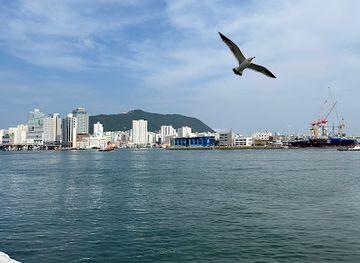
Busan stretches along South Korea’s south-eastern coast, where wooded hills descend towards broad beaches, working harbours and a chain of islands. Its geography gives the city a distinctive rhythm: the skyline and business districts of Haeundae contrast with the steep lanes of Gamcheon Culture Village, while the old port around Jung-gu remains closely tied to markets, ferries and maritime trade. Beaches are central to the city’s identity, but Busan is more than a seaside resort. It is South Korea’s principal port and a city of seafood restaurants, film culture, mountain temples and neighbourhoods shaped by post-war migration.Read more about Busan
Heritage and Cultural Life
Coastal Landscapes
When is the best time to visit Busan?
Best: April, October–November · 17–23°C| Month | High (°C) | Rainfall (mm) |
|---|---|---|
| January | 8 | 42 |
| February | 9 | 44 |
| March | 13 | 81 |
| April (best) | 19 | 126 |
| May | 23 | 190 |
| June | 28 | 376 |
| July | 31 | 456 |
| August | 32 | 353 |
| September | 27 | 203 |
| October (best) | 23 | 90 |
| November (best) | 17 | 55 |
| December | 10 | 40 |
Getting to and around Busan
How to get there
Transportation
Best attractions in Busan
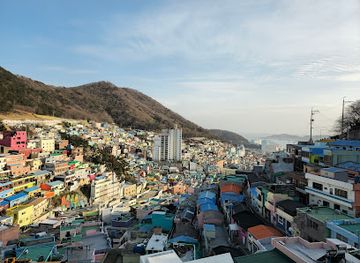
Busan’s attractions spread from the old harbour to the eastern coast and wooded inland hills. Jagalchi Market offers an immediate encounter with the city’s maritime economy, while nearby Yongdusan Park rises above the Nampo-dong shopping streets and contains Busan Tower. Gamcheon Culture Village is known for its steep lanes, painted houses, small galleries and views across the hillside, although it remains a living neighbourhood rather than an open-air museum. Haeundae Beach provides the city’s best-known stretch of sand, with the coastal Dalmaji area and Blue Line Park nearby, while Gwangalli Beach looks towards Gwangan Bridge after dark. At Taejongdae, walking paths and viewpoints follow Yeongdo’s rocky southern coast. Inland, Beomeosa Temple combines mountain scenery with centuries of Buddhist heritage, and the Busan Museum of Art and Museum of Contemporary Art Busan offer contrasting perspectives on the city’s artistic life.
-
Tourist attraction
Gamcheon Culture Village
Explore the artistic heart of Busan at Gamcheon Culture Village, a vibrant destination filled with colorful murals and stunning views.
31 min drive · 11 km from city centre
-
Buddhist temple
Haedong Yonggungsa Temple
Explore the breathtaking coastal beauty and spiritual tranquility of Haedong Yonggungsa Temple in Busan, a unique gem nestled by the sea.
33 min drive · 13 km from city centre
-
Seafood
Jagalchi Market
Discover the bustling Jagalchi Market in Busan, where fresh seafood meets vibrant local culture, creating an unforgettable culinary adventure.
30 min drive · 10 km from city centre
-
Tourist attraction
Songdo Bay Station (Songdo Cable Car)
Discover the beauty of Busan from above with a ride on the Songdo Bay Cable Car, offering stunning views of the coastline and cityscape.
32 min drive · 12 km from city centre


Best landmarks in Busan
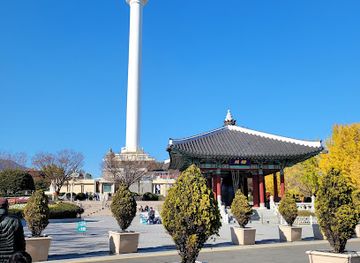
Busan Tower, rising from Yongdusan Park, is one of the visual markers of the old port and offers a high viewpoint over the dense centre and harbour. Across the water, the dramatic outline of Gwangan Bridge has become a defining piece of contemporary infrastructure, particularly when viewed from Gwangalli Beach. Beomeosa Temple on Geumjeongsan preserves important Buddhist buildings and stone features within a wooded mountain setting, while Haedong Yonggungsa is notable for its coastal location and approach over rocky ground. The United Nations Memorial Cemetery is a carefully maintained commemorative landscape connected with the Korean War and the international forces involved in it. In the historic centre, the former Busan Jungang-dong office building and other early modern structures recall the port’s colonial-era development, while the narrow streets around the old harbour show how commerce and migration shaped the city.
-
Tourist attraction
Gamcheon Culture Village
Explore the artistic wonder of Gamcheon Culture Village - a colorful neighborhood in Busan filled with murals, culture, and breathtaking views.
31 min drive · 11 km from city centre
-
 Buddhist temple
Haedong Yonggungsa Temple
Discover Haedong Yonggungsa Temple, a stunning coastal Buddhist sanctuary in Busan, offering breathtaking views and serene spiritual experiences.
33 min drive · 13 km from city centre
-
Seafood
Jagalchi Market
Experience the heart of Busan at Jagalchi Market, where fresh seafood meets vibrant culture in a bustling coastal atmosphere.
30 min drive · 10 km from city centre
-
Tourist attraction
BIFF Square
Experience the vibrant atmosphere, delicious street food, and rich cultural events at BIFF Square in the heart of Busan.
30 min drive · 10.0 km from city centre
Explore Busan on the map
Plan your Busan trip on one map. See where the top attractions, landmarks, restaurants, bars and hotels are, find what's near where you're staying, and book hotels and experiences in a few clicks.
Neighbourhoods in Busan
-

-

-

-


Swipe for more neighbourhoods
Best hotels in Busan
Best restaurants in Busan
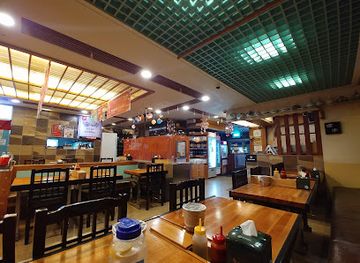
Busan’s food culture is rooted in the sea, cold-weather comfort dishes and the practical cooking of a major port. Jagalchi Market and the surrounding Nampo-dong streets specialise in fish, shellfish and hoe, the Korean style of thinly sliced raw seafood, while restaurants in Gijang are associated with fresh seafood and crab. Wheat-based milmyeon, a chilled or warm noodle dish developed during the Korean War era, is one of the city’s most distinctive specialities; dwaeji-gukbap, pork and rice soup, is another enduring local staple, especially around Seomyeon. Eomuk, or fish cake, is sold in markets and casual eateries throughout the city. Traditional Korean meals may include numerous banchan side dishes, whereas Haeundae, Gwangalli and Centum City offer contemporary Korean cooking, cafés and international dining alongside long-established soup houses and grilled seafood restaurants.
-
Fugu restaurant
Geumsubokguk, Haeundae Head Store
Experience the thrill of tasting authentic fugu at Geumsubokguk in Haeundae—where culinary artistry meets traditional Japanese flavors.
25 min drive · 8.3 km from city centre
-
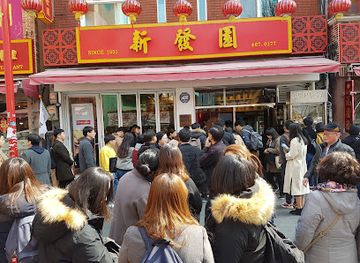
Chinese
Sinbalwon
Experience authentic Chinese cuisine at Sinbalwon in Busan—where every dish tells a story and delights your palate.
24 min drive · 7.9 km from city centre
-
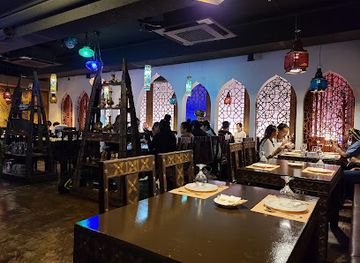
Indian
Namaste Haeundae
Experience authentic Indian and Nepalese cuisine at Namaste Haeundae in Busan—delicious flavors in a welcoming atmosphere await you.
24 min drive · 8.0 km from city centre
-
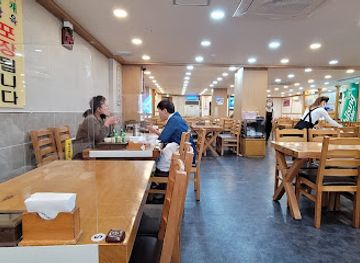
Korean
Busan Jokbal
Discover authentic Korean cuisine at Busan Jokbal - home of delectable jokbal served in a warm and inviting atmosphere.
30 min drive · 9.9 km from city centre
Best bars in Busan
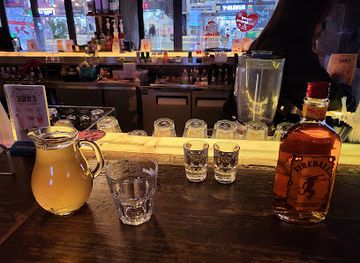
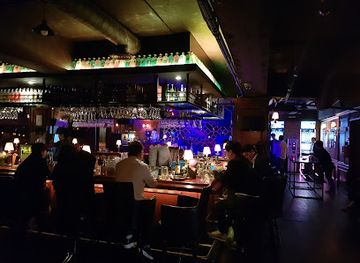
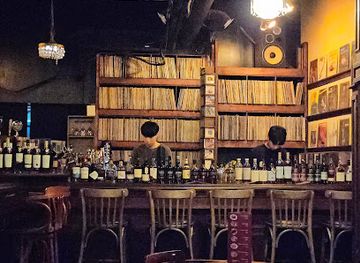
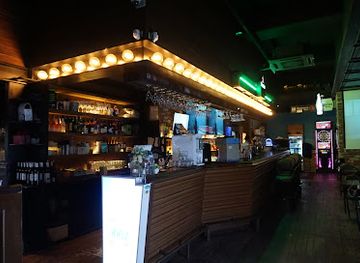
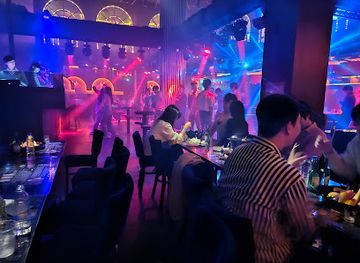
Busan’s evening life ranges from relaxed seaside drinks to late-night districts centred on food, music and informal socialising. Seomyeon has the broadest concentration of bars, casual pubs, karaoke rooms and clubs, with activity continuing along its lanes after dinner. Gwangalli is known for cafés, cocktail bars and restaurants facing Gwangan Bridge, whose illumination gives the waterfront a distinctive night-time setting. Haeundae offers hotel lounges, bars and entertainment venues aimed at both local residents and visitors, while Nampo-dong and nearby areas provide quieter traditional drinking spots and late meals. Live music and cultural performances appear through the city’s festivals and arts venues, though Busan’s nightlife is not confined to large clubs. Beach weather, public transport finishing times and the steep geography of some districts are practical considerations when planning an evening.
-
Cocktail bar
FUZZY NAVEL Haeundae
Experience the vibrant flavors of Mexico at Fuzzy Navel, Haeundae's must-visit cocktail bar and restaurant.
24 min drive · 8.1 km from city centre
-
Bar
Billie Jean
Discover the vibrant nightlife of Busan at Billie Jean, a lively bar offering diverse drinks and an energetic atmosphere for an unforgettable experience.
26 min drive · 8.6 km from city centre
-
Bar
SAVOY
Experience the vibrant nightlife of Busan at Savoy, a lively bar offering a delightful selection of drinks and a welcoming atmosphere.
9 min drive · 2.9 km from city centre
-
Bar
Sam Ryan's
Discover Busan's nightlife at Sam Ryan's, a lively bar in Haeundae with a great selection of drinks and a vibrant atmosphere.
26 min drive · 8.5 km from city centre
Best nightclubs in Busan
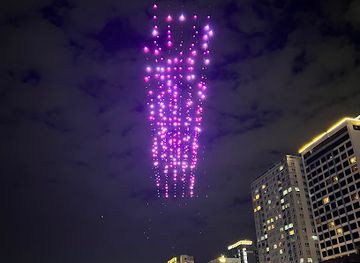
Busan’s evening life ranges from relaxed seaside drinks to late-night districts centred on food, music and informal socialising. Seomyeon has the broadest concentration of bars, casual pubs, karaoke rooms and clubs, with activity continuing along its lanes after dinner. Gwangalli is known for cafés, cocktail bars and restaurants facing Gwangan Bridge, whose illumination gives the waterfront a distinctive night-time setting. Haeundae offers hotel lounges, bars and entertainment venues aimed at both local residents and visitors, while Nampo-dong and nearby areas provide quieter traditional drinking spots and late meals. Live music and cultural performances appear through the city’s festivals and arts venues, though Busan’s nightlife is not confined to large clubs. Beach weather, public transport finishing times and the steep geography of some districts are practical considerations when planning an evening.
-
Bar
HQ Gwangan
Discover the vibrant nightlife of Busan at HQ Gwangan, a trendy bar offering stunning ocean views and delicious drinks.
15 min drive · 4.9 km from city centre
-
Night club
groove club busan
Dive into the vibrant nightlife of Busan at Groove Club, where electrifying music and an energetic crowd create unforgettable experiences.
9 min drive · 3.0 km from city centre
-
Night club
부산아시아드나이트클럽
Discover the electrifying nightlife of Busan at 아시아드 나이트클럽, where music, dance, and vibrant energy come together for an unforgettable experience.
14 min drive · 4.6 km from city centre
-
Night club
Run To You
Experience the vibrant nightlife of Busan at Run To You, where the music never stops and the fun continues till dawn.
10 min drive · 3.2 km from city centre


Best shops in Busan
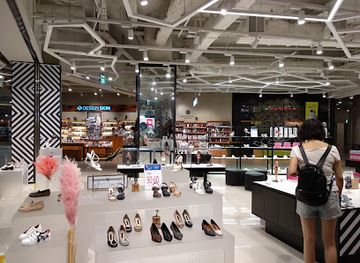
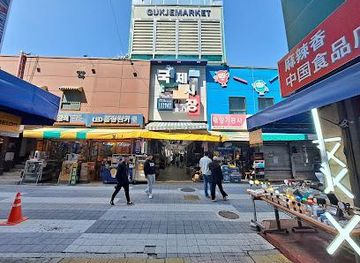
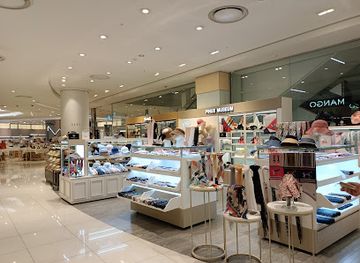
Shopping in Busan ranges from traditional harbour markets to large modern retail complexes. Jagalchi Market is primarily a seafood destination, but its surrounding streets in Nampo-dong also contain fashion shops, cafés, snack stalls and specialist retailers. Gukje Market developed during the post-war period and remains associated with clothing, household goods, souvenirs and small-scale trading, while nearby Bupyeong Kkangtong Market is known for food stalls and evening market culture. Seomyeon provides dense high-street shopping and underground retail passages, and Centum City offers department-store shopping in a contemporary commercial setting. Visitors seeking gifts often look for Korean tea, packaged food, ceramics, stationery, textiles and small craft items, although quality and provenance vary. Traditional market shopping is informal, so prices, sizes and payment methods may differ between stalls.
-
Department store
LOTTE Department Store Gwangbok
Discover the ultimate shopping and dining experience at LOTTE Department Store Gwangbok, a premier destination in Busan for tourists.
29 min drive · 9.7 km from city centre
-
Market
Gukje Market
Explore Gukje Market in Busan for a unique blend of shopping and local cuisine amid a vibrant cultural atmosphere.
29 min drive · 9.7 km from city centre
-
Department store
LOTTE Department Store Busan Main
Experience luxury shopping at LOTTE Department Store Busan Main, featuring top brands, gourmet food, and cozy cafes in the heart of Busan.
9 min drive · 3.1 km from city centre
-
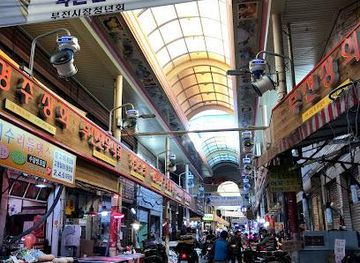
Traditional market
Bujeon Market
Experience the authentic flavors and vibrant culture of Busan at Bujeon Market, a traditional marketplace bursting with life and local delicacies.
7 min drive · 2.2 km from city centre
Get your free copy of our complete guide to Busan, delivered straight to you.
Everything on this page, from attractions and restaurants to essentials and local phrases, in one PDF you can read offline, print or share.
Already have an account? Sign in
Your Busan guide is ready.
We'll send it to · Not you? Sign out

Getting your guide ready…
We are putting together a fresh copy of the Busan guide. This can take up to a minute.
This can take a few moments. If your browser asks, choose Allow so the download can start. You'll find the guide in your Downloads folder.
Nothing happened? Download it again
Sorry, the guide is taking longer than usual. Please try again in a minute, or get it by email instead.
Busan essentials
Currency and Payment
Safety
Emergency Situations
Do's and Don'ts
Local Tips
From Eve
Local phrases worth knowing
You don't need to get them perfect. A few words go a long way, and locals appreciate the effort.
Basics
| English | Local | Say it |
|---|---|---|
| Hello | 안녕하세요 | [annyeonghaseyo] |
| Goodbye | 안녕히 가세요 | [annyeonghi gaseyo] |
| Yes | 네 | [ne] |
| No | 아니요 | [aniyo] |
| Please/You're welcome | 부탁합니다/천만에요 | [butaghamnida/cheonmaneyo] |
| Thank you | 감사합니다 | [gamsahamnida] |
| Excuse me/Sorry | 죄송합니다 | [joesonghamnida] |
| How are you? | 어떻게 지내세요? | [eotteoke jinaeseyo?] |
| Fine. And you? | 잘 지내요. 그리고 당신은? | [jal jinaeyo. geurigo dangsineun?] |
| Do you speak English? | 영어 할 수 있어요? | [yeongeo hal su isseoyo?] |
| I don't understand | 이해하지 못해요 | [ihaehaji mothaeyo] |
Eating & Drinking
| English | Local | Say it |
|---|---|---|
| I'd like to see the menu, please | 메뉴를 보고 싶어요 | [menyureul bogo sippeoyo] |
| I don't eat meat | 고기를 먹지 않아요 | [gogireul meokji anayo] |
| Cheers! | 건배! | [geonbae!] |
| I would like to pay, please | 계산할게요 | [gyesanhalkkeyo] |
Emergencies
| English | Local | Say it |
|---|---|---|
| Help! | 도와주세요! | [dowajuseyo!] |
| Go away! | 가세요! | [gaseyo!] |
| Call the Police! | 경찰을 불러주세요! | [gyeongchareul bulleojuseyo!] |
| Call a doctor! | 의사를 불러주세요! | [uisareul bulleojuseyo!] |
| I'm lost | 길을 잃었어요 | [gireul ilheosseoyo] |
| I'm ill | 아파요 | [apayo] |
Shopping
| English | Local | Say it |
|---|---|---|
| I'd like to buy... | 사고 싶어요... | [sago sippeoyo...] |
| I'm just looking | 둘러보고 있어요 | [dulleobogo isseoyo] |
| How much is it? | 얼마에요? | [eolmaeyo?] |
| That's too expensive | 너무 비싸요 | [neomu bissayo] |
| Can you lower the price? | 가격을 내릴 수 있어요? | [gageogeul naeril su isseoyo?] |
Time & Numbers
| English | Local | Say it |
|---|---|---|
| What time is it? | 지금 몇 시에요? | [jigeum myeot sieyo?] |
| It's one o'clock | 한 시에요 | [han sieyo] |
| Half past (10) | 십 시 반 | [sip si ban] |
| Morning | 아침 | [achim] |
| Afternoon | 오후 | [ohu] |
| Evening | 저녁 | [jeonyeok] |
| Yesterday | 어제 | [eoje] |
| Today | 오늘 | [oneul] |
| Tomorrow | 내일 | [naeil] |
| 1 | 하나 | [hana] |
| 2 | 둘 | [dul] |
| 3 | 셋 | [set] |
| 4 | 넷 | [net] |
| 5 | 다섯 | [daseot] |
| 6 | 여섯 | [yeoseot] |
| 7 | 일곱 | [ilgop] |
| 8 | 여덟 | [yeodeol] |
| 9 | 아홉 | [ahop] |
| 10 | 열 | [yeol] |
Transport & Directions
| English | Local | Say it |
|---|---|---|
| Where's a/the...? | ...이 어디에 있어요? | [...i eodie isseoyo?] |
| What's the address? | 주소가 무엇이에요? | [jusoga mueosieyo?] |
| Can you show me (on the map)? | (지도에) 보여줄 수 있어요? | [(jidoe) boyeojul su isseoyo?] |
| When's the next (bus)? | 다음 (버스)는 언제에요? | [daeum (beoseuneun eonjeieyo?] |
| A ticket (to ....) | (....)로 표 하나 주세요 | [(...)ro pyo hana juseyo] |
History of Busan
Ancient Geumgwan Gaya Port
The Busan area was inhabited long before the modern city emerged, and its position beside the Nakdong River and Korea Strait encouraged maritime exchange. In the Three Kingdoms period, much of the region formed part of Geumgwan Gaya, a confederacy known for iron production and overseas connections with Japan and other Korean polities. Important archaeological remains at Bokcheon-dong, including elite tombs and grave goods, indicate the social complexity of the ancient communities around present-day Dongnae. The area was later absorbed into Silla, and Dongnae became a significant local centre. These early links between metalworking, river transport and sea routes established the geographical foundations for Busan’s later importance as a port.
Dongnae and the Joseon Frontier
During the Joseon dynasty, Dongnae was an important administrative centre and a gateway towards Japan. Its hot springs and strategic position added to its importance, while the nearby port of Busan served as a point of controlled diplomatic and commercial contact. The Waegwan settlement at Busan accommodated Japanese envoys and traders under tightly regulated conditions. In 1592, Japanese forces landed in the region at the beginning of the Imjin War, and Dongnae Fortress became associated with fierce resistance led by local officials and civilians. The conflict devastated much of the area, but Busan’s position on the southern sea route ensured that it remained important in Korea’s later diplomatic and military history.
Opening of the Modern Port
Busan entered a new era after the opening of its port in 1876 under the unequal Korea-Japan Treaty, becoming one of the first Korean ports opened to foreign trade. The settlement around the harbour expanded rapidly, and Japanese influence grew through concessions, commercial buildings and infrastructure. During the Japanese colonial period from 1910 to 1945, railways and port facilities strengthened Busan’s role in regional commerce, but development took place under colonial rule and involved major political and social inequalities. The old port district still contains traces of this period in its street plan and surviving buildings, although much of the waterfront has since been reshaped by redevelopment.
Refuge and Reconstruction after 1945
After liberation in 1945, Busan absorbed large numbers of people returning from overseas territories and seeking work in the port economy. The Korean War transformed the city again: Busan was the provisional capital of the Republic of Korea from August 1950 until August 1953 and one of the principal refuges for displaced people. Hillsides filled with improvised settlements, many of which later developed into dense neighbourhoods connected by stairways and narrow lanes. The post-war experience remains visible in places such as Bosu-dong and parts of Yeongdo, while the United Nations Memorial Cemetery records the international dimension of the conflict. Reconstruction laid the foundations for Busan’s later industrial growth.
Industrial and Maritime Expansion
From the 1960s, Busan became a major centre of manufacturing, shipbuilding, fisheries and port logistics as South Korea entered a period of rapid industrialisation. The development of container facilities and the expansion of port infrastructure connected the city more closely to global trade. At the same time, migration from other parts of the country changed the social character of its districts, while the growth of Haeundae and other eastern areas shifted the urban centre away from the old harbour. Improved roads, bridges and rail connections integrated Busan into the national economy. The city’s modern identity therefore rests on both its historic port and the industrial networks that grew around it.
A Contemporary Cultural City
In the late twentieth and early twenty-first centuries, Busan invested increasingly in culture, waterfront regeneration and international events. The Busan International Film Festival, founded in 1996, helped make the city a major centre for Asian cinema and brought new attention to the former port districts around Nampo-dong and the later festival venues. Projects in areas such as Gamcheon and the old harbour have combined conservation, public art and tourism, although redevelopment has also raised questions about housing and community change. Today Busan remains a working port and industrial city while presenting a broader cultural identity through museums, film, design, beaches and restored historic sites.
Busan in Photos
Browse through our photo collection highlighting the charm and character of the destination.
Cities near Busan
The closest cities to Busan, if you have time for more than one stop.
-

-

-

-

-


Swipe for more cities

