

Free Incheon Travel Guide & Mobile App
Plan your Incheon trip with Evendo. Get free guides to top attractions, restaurants, hotels, and bars. Web access or download the mobile app.


Incheon, South Korea combines port-city history, island landscapes, Korean food, modern architecture and cultural sights within easy reach of Seoul.
A Port City Shaped by Exchange
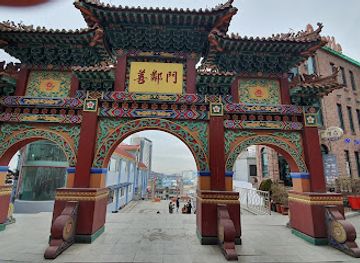
Incheon occupies Korea’s north-western coast, where tidal flats, islands and busy waterways meet the urban plain west of Seoul. Its deep-water port opened to international trade in 1883, bringing merchants, diplomats, missionaries and new architectural influences to what is now the Open Port area. Fragments of that history remain in former concession buildings, Japanese-influenced streets, the Incheon Open Port Museum and the city’s Chinatown, established by Chinese residents during the late nineteenth century.Read more about Incheon
Old Quarters and Modern Horizons
Islands, Coast and Contemporary Culture
When is the best time to visit Incheon?
Best: May, October–November · 14–23°C| Month | High (°C) | Rainfall (mm) |
|---|---|---|
| January | 8 | 24 |
| February | 9 | 24 |
| March | 12 | 31 |
| April | 17 | 74 |
| May (best) | 23 | 112 |
| June | 28 | 207 |
| July | 31 | 343 |
| August | 31 | 343 |
| September | 27 | 231 |
| October (best) | 20 | 73 |
| November (best) | 14 | 38 |
| December | 10 | 29 |
Getting to and around Incheon
How to get there
Transportation
Best attractions in Incheon
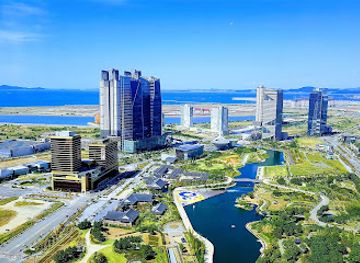
Incheon’s attractions reveal several different sides of the city. Around Jung-gu, the Open Port area preserves former diplomatic and commercial buildings, while the Incheon Open Port Museum explains the international trade that began there in the late nineteenth century. Nearby Chinatown is known for its Chinese-Korean heritage and restaurants serving jjajangmyeon, and Jayu Park provides elevated views over the old port. The Incheon Landing Operation Memorial Hall presents military history through displays and commemorative material, offering context for one of the Korean War’s defining episodes. At Wolmido, a waterfront promenade, amusement facilities and ferry views create a more recreational atmosphere. Songdo Central Park, built within the modern planned district, contrasts with the old city through landscaped waterways and high-rise architecture. For a coastal change of pace, Yeongjongdo and the islands administered by Incheon offer beaches, tidal landscapes and maritime scenery, though some lie well beyond the historic centre.
-
Amusement park
Everland
Discover Everland, South Korea's largest amusement park, filled with thrilling rides, beautiful gardens, and magical entertainment for all ages.
1 h 8 min drive · 48 km from city centre
-
Tourist attraction
N Seoul Tower
Discover breathtaking views and cultural experiences at N Seoul Tower, a must-visit landmark in the heart of Seoul.
47 min drive · 27 km from city centre
-
Cultural landmark
Gyeongbokgung Palace
Discover the grandeur of Gyeongbokgung Palace, a cultural landmark in Seoul that embodies Korea's rich royal history and stunning architecture.
48 min drive · 28 km from city centre
-
 Theme park
Lotte World
Experience the magic of Lotte World, Seoul's premier theme park featuring thrilling rides, captivating shows, and unforgettable family fun.
55 min drive · 35 km from city centre


Best landmarks in Incheon
Incheon’s landmarks embody its port history, wartime significance and modern ambitions. Incheon Station marks the edge of the historic Open Port and Chinatown district, where surviving concession-era buildings and the Incheon Open Port Museum help explain the city’s nineteenth-century transformation. Jayu Park, one of Korea’s early modern Western-style parks, is associated with the city’s international past and contains a prominent statue of General Douglas MacArthur commemorating the 1950 landing. The Incheon Landing Operation Memorial Hall further anchors the city’s wartime memory through its architecture, exhibits and surrounding grounds. At the coast, Wolmido’s promenade represents Incheon’s recreational relationship with the sea, while the vast Incheon Bridge provides a powerful symbol of contemporary infrastructure linking the mainland with Yeongjong Island and the airport. Songdo’s high-rise skyline and Central Park offer a contrasting landmarkscape built through large-scale reclamation and planned development.
-
Tourist attraction
Incheon Chinatown
Discover the rich cultural tapestry of Incheon Chinatown, where Korean and Chinese traditions blend beautifully in every corner.
24 min drive · 8.0 km from city centre
-
Market
Sinpo International Market, Incheon
Experience the essence of Korean culture at Sinpo International Market in Incheon—an unforgettable destination filled with local flavors and vibrant shopping.
21 min drive · 7.1 km from city centre
-
Seafood
Soraepogu Traditional Fish Market
Explore the vibrant Soraepogu Traditional Fish Market in Incheon, where fresh seafood and Korean culinary delights await every visitor.
22 min drive · 7.2 km from city centre
-
Park
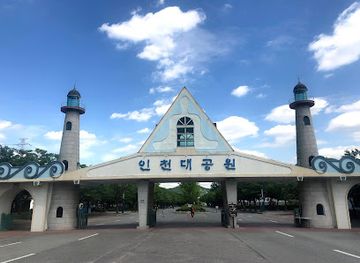
Incheon Grand Park
Explore Incheon Grand Park, an urban oasis of natural beauty, recreational activities, and cultural attractions in the heart of Incheon.
12 min drive · 4.2 km from city centre
Explore Incheon on the map
Plan your Incheon trip on one map. See where the top attractions, landmarks, restaurants, bars and hotels are, find what's near where you're staying, and book hotels and experiences in a few clicks.
Neighbourhoods in Incheon
-

-

-


Swipe for more neighbourhoods
Best hotels in Incheon
Best restaurants in Incheon
Incheon’s dining identity is closely tied to its port, migrant communities and proximity to the sea. Chinatown is associated with jjajangmyeon, noodles topped with a savoury black-bean sauce that developed through Chinese-Korean culinary exchange, while jjamppong offers a spicy seafood counterpart. Sinpo International Market is well known for informal snacks and traditional street food, including dakgangjeong-style crispy chicken and other quick dishes, though individual stalls vary. Around the harbour and coastal districts, seafood restaurants serve fish and shellfish reflecting the city’s maritime setting, while Bupyeong and Songdo provide a broader range of Korean and international dining. Cafés and bakeries occupy renovated historic buildings as well as modern commercial districts. The most interesting food experiences often come from moving between old-market stalls, Chinatown restaurants and contemporary neighbourhood dining rather than treating Incheon as a single-cuisine destination.
-
Steak
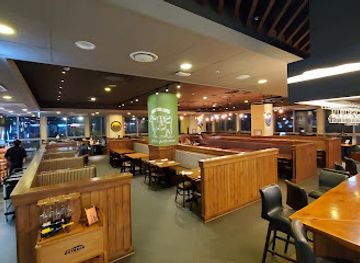
Outback Steakhouse, Incheon
Experience delicious Australian-inspired cuisine at Outback Steakhouse in Incheon—perfect for families and steak enthusiasts seeking unforgettable flavors.
28 min drive · 9.4 km from city centre
-
Chinese
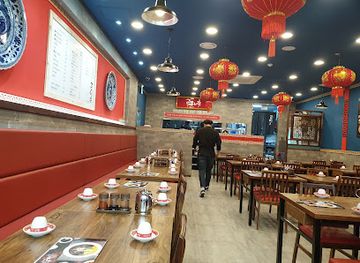
Gonghwachun
Experience authentic Chinese flavors at Gonghwachun in Incheon's vibrant Chinatown – a culinary journey awaits you!
24 min drive · 7.8 km from city centre
-
Korean beef restaurant
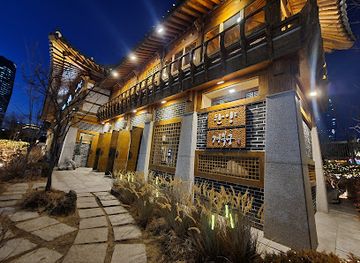
Gyeongbokgung
Experience authentic Korean barbecue at Gyeongbokgung – where tradition meets flavor in every bite.
28 min drive · 9.4 km from city centre
-
Italian
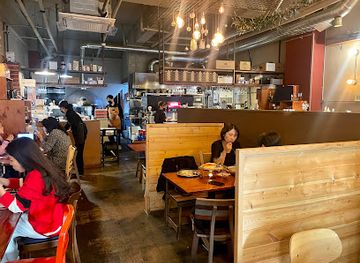
Addio a Napoli Pizzeria Songdo
Discover authentic Italian flavors at Addio a Napoli Pizzeria in Songdo, where delicious pizzas meet warm hospitality.
25 min drive · 8.3 km from city centre
Best bars in Incheon
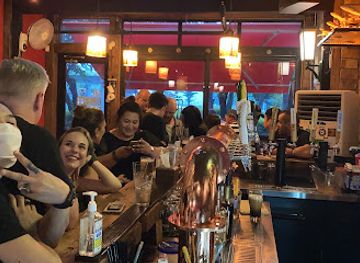
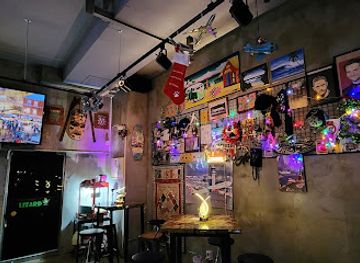
Incheon’s evening scene is varied rather than concentrated in one traditional nightlife quarter. Bupyeong is among the liveliest areas, with late-opening restaurants, karaoke rooms, casual bars and busy shopping streets around Bupyeong Station. Guwol-dong and nearby Namdong-gu also have clusters of restaurants, pubs and entertainment venues serving local residents. In Jung-gu, the old port and Chinatown are more atmospheric after dark than club-oriented, with illuminated streets and places for a relaxed meal or drink, though activity can thin out earlier than in Bupyeong. Songdo offers polished hotel lounges, wine bars, cafés and contemporary restaurants around its business and convention district. Visitors seeking a quieter evening can walk by Songdo Central Park or the Wolmido waterfront, while performances and cultural programmes provide alternatives to drinking and clubbing when scheduled.
-
Bar
Oakwood Premier, Incheon
Discover the elegance of Oakwood Premier Incheon, where luxury accommodation meets vibrant nightlife and dining experiences.
28 min drive · 9.2 km from city centre
-
Bar
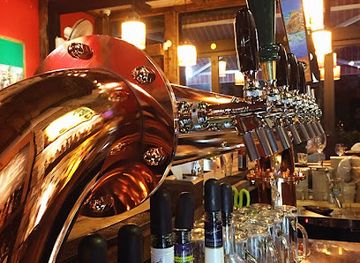
The Cinder Bar
Discover the vibrant nightlife at The Cinder Bar in Yeonsu-gu, where great drinks and friendly faces await you in the heart of Incheon.
24 min drive · 7.9 km from city centre
-
Bar
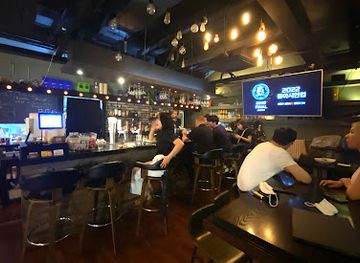
The Jet Lagged Lizard
Experience the vibrant atmosphere of The Jet Lagged Lizard in Incheon, where great food and drinks come together for an unforgettable night out.
42 min drive · 22 km from city centre
-
Grill
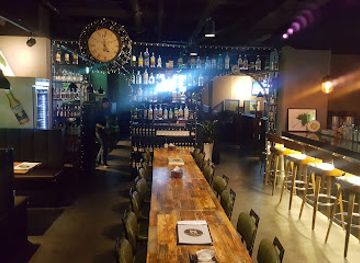
Songdo City Bar & Restaurant
Discover a vibrant dining experience at Songdo City Bar & Restaurant, where delicious grilled cuisine meets a lively bar atmosphere in Incheon.
26 min drive · 8.8 km from city centre
Best nightclubs in Incheon
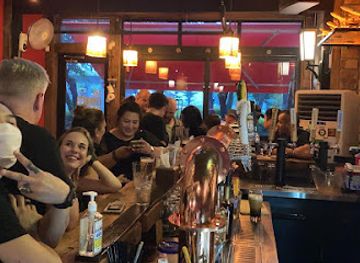
Incheon’s evening scene is varied rather than concentrated in one traditional nightlife quarter. Bupyeong is among the liveliest areas, with late-opening restaurants, karaoke rooms, casual bars and busy shopping streets around Bupyeong Station. Guwol-dong and nearby Namdong-gu also have clusters of restaurants, pubs and entertainment venues serving local residents. In Jung-gu, the old port and Chinatown are more atmospheric after dark than club-oriented, with illuminated streets and places for a relaxed meal or drink, though activity can thin out earlier than in Bupyeong. Songdo offers polished hotel lounges, wine bars, cafés and contemporary restaurants around its business and convention district. Visitors seeking a quieter evening can walk by Songdo Central Park or the Wolmido waterfront, while performances and cultural programmes provide alternatives to drinking and clubbing when scheduled.
-
Bar
The Cinder Bar
Experience Incheon's vibrant nightlife at The Cinder Bar, where great drinks and a lively atmosphere await you.
24 min drive · 7.9 km from city centre
-
Bar
The Jet Lagged Lizard
Discover the vibrant atmosphere and delicious cuisine at The Jet Lagged Lizard, a unique bar and restaurant in Incheon, perfect for tourists and locals.
42 min drive · 22 km from city centre
-
Pub
The Cinder Bar (Incheon Airport)
Experience the ultimate relaxation at The Cinder Bar, a premier pub at Incheon Airport offering a cozy atmosphere and diverse drink options.
42 min drive · 22 km from city centre
-
Live Music
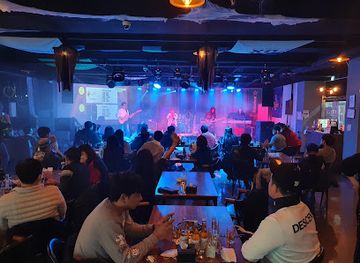
클럽노크(CLUB KNOCK)
Discover the lively spirit of Incheon's nightlife at CLUB KNOCK, where live music and great drinks create unforgettable experiences.
13 min drive · 4.3 km from city centre
Best shops in Incheon
Shopping in Incheon ranges from traditional markets to extensive underground retail arcades. Sinpo International Market in Jung-gu is a historic food and shopping destination where visitors can browse snacks, prepared foods and everyday goods amid an established local market atmosphere. Bupyeong Underground Shopping Centre, connected with the area around Bupyeong Station, is known for affordable fashion, accessories, cosmetics and small retail units spread through a sizeable subterranean network. Chinatown offers food products, souvenirs and Chinese-influenced items, while the streets around the Open Port contain cafés, craft-oriented shops and businesses occupying older buildings. Larger department stores and modern malls are concentrated in districts including Bupyeong and Songdo. For distinctive gifts, packaged Korean foods, tea, stationery and locally themed merchandise are generally more practical than searching for a single craft identified exclusively with Incheon.
-
Market
Namdaemun Market
Explore the vibrant Namdaemun Market in Seoul, a bustling hub of shopping, street food, and cultural experiences, perfect for every traveler.
47 min drive · 27 km from city centre
-
Shopping mall
Starfield Coex Mall
Explore Starfield Coex Mall in Gangnam, Seoul - a premier shopping and entertainment hub that combines retail therapy with cultural experiences.
52 min drive · 32 km from city centre
-
Shopping mall
Starfield Goyang
Explore Starfield Goyang: A shopping and entertainment haven in Gyeonggi-do, South Korea, featuring diverse shops, dining, and fun for everyone.
47 min drive · 27 km from city centre
-
Department store
Shinsegae Department Store Main Store
Discover luxury shopping and fine dining at Shinsegae Department Store in the heart of Seoul's Jung District.
47 min drive · 27 km from city centre

Get your free copy of our complete guide to Incheon, delivered straight to you.
Everything on this page, from attractions and restaurants to essentials and local phrases, in one PDF you can read offline, print or share.
Already have an account? Sign in
Your Incheon guide is ready.
We'll send it to · Not you? Sign out

Getting your guide ready…
We are putting together a fresh copy of the Incheon guide. This can take up to a minute.
This can take a few moments. If your browser asks, choose Allow so the download can start. You'll find the guide in your Downloads folder.
Nothing happened? Download it again
Sorry, the guide is taking longer than usual. Please try again in a minute, or get it by email instead.
Incheon essentials
Currency and Payment
Safety
Emergency Situations
Do's and Don'ts
Local Tips
From Eve
Local phrases worth knowing
You don't need to get them perfect. A few words go a long way, and locals appreciate the effort.
Basics
| English | Local | Say it |
|---|---|---|
| Hello | 안녕하세요 | [annyeonghaseyo] |
| Goodbye | 안녕히 가세요 | [annyeonghi gaseyo] |
| Yes | 네 | [ne] |
| No | 아니요 | [aniyo] |
| Please/You're welcome | 부탁합니다/천만에요 | [butakhamnida/cheonmaneyo] |
| Thank you | 감사합니다 | [gamsahamnida] |
| Excuse me/Sorry | 죄송합니다 | [joesonghamnida] |
| How are you? | 어떻게 지내세요? | [eotteoke jinaeseyo?] |
| Fine. And you? | 잘 지내요. 그리고 당신은? | [jal jinaeyo. geurigo dangsineun?] |
| Do you speak English? | 영어 할 수 있어요? | [yeongeo hal su isseoyo?] |
| I don't understand | 이해하지 못해요 | [ihaehaji mothaeyo] |
Eating & Drinking
| English | Local | Say it |
|---|---|---|
| I'd like to see the menu, please | 메뉴를 보고 싶어요 | [menyureul bogo sipeoyo] |
| I don't eat meat | 고기를 먹지 않아요 | [gogireul meokji anayo] |
| Cheers! | 건배! | [geonbae!] |
| I would like to pay, please | 계산 부탁합니다 | [gyesan butakhamnida] |
Emergencies
| English | Local | Say it |
|---|---|---|
| Help! | 도와주세요! | [dowajuseyo!] |
| Go away! | 가라! | [gara!] |
| Call the Police! | 경찰을 불러주세요! | [gyeongchareul bulleojuseyo!] |
| Call a doctor! | 의사를 불러주세요! | [uisareul bulleojuseyo!] |
| I'm lost | 길을 잃었어요 | [gireul ilheosseoyo] |
| I'm ill | 아파요 | [apayo] |
Shopping
| English | Local | Say it |
|---|---|---|
| I'd like to buy... | 사고 싶어요... | [sago sipeoyo...] |
| I'm just looking | 그냥 봐요 | [geunyang bwayo] |
| How much is it? | 얼마에요? | [eolmaeyo?] |
| That's too expensive | 너무 비싸요 | [neomu bissayo] |
| Can you lower the price? | 가격을 낮출 수 있어요? | [gageogeul natchul su isseoyo?] |
Time & Numbers
| English | Local | Say it |
|---|---|---|
| What time is it? | 지금 몇 시에요? | [jigeum myeot sieyo?] |
| It's one o'clock | 한 시에요 | [han sieyo] |
| Half past (10) | 10시 반 | [sibsi ban] |
| Morning | 아침 | [achim] |
| Afternoon | 오후 | [ohu] |
| Evening | 저녁 | [jeonyeok] |
| Yesterday | 어제 | [eoje] |
| Today | 오늘 | [oneul] |
| Tomorrow | 내일 | [naeil] |
| 1 | 일 | [il] |
| 2 | 이 | [i] |
| 3 | 삼 | [sam] |
| 4 | 사 | [sa] |
| 5 | 오 | [o] |
| 6 | 육 | [yuk] |
| 7 | 칠 | [chil] |
| 8 | 팔 | [pal] |
| 9 | 구 | [gu] |
| 10 | 십 | [ship] |
Transport & Directions
| English | Local | Say it |
|---|---|---|
| Where's a/the...? | ...이 어디에 있어요? | [...i eodie isseoyo?] |
| What's the address? | 주소가 뭐에요? | [jusoga mwoeyo?] |
| Can you show me (on the map)? | (지도로) 보여줄 수 있어요? | [(jidoro) boyeojul su isseoyo?] |
| When's the next (bus)? | 다음 (버스)는 언제에요? | [daeum (beoseu)neun eonjeyo?] |
| A ticket (to ....) | (...로 가는) 표 하나 주세요 | [(...ro ganeun) pyo hana juseyo] |
History of Incheon
Early Settlements and Michuhol
The Incheon area has been inhabited since prehistoric times, benefiting from coastal resources, river access and fertile lowlands. In early Korean history, the region was associated with Michuhol, a settlement traditionally linked to the founding period of Baekje, although the precise boundaries and development of the early polity are interpreted through historical and archaeological evidence. Over later centuries, the area was known by different names and was administered within changing provincial systems. Its position on the Yellow Sea gave it strategic importance, while the complicated coastline and islands supported fishing, salt production and maritime movement. This long relationship with the sea remains visible in Incheon’s geography, even though much of the modern city has been reshaped by reclamation, industry and metropolitan expansion.
From Local County to Coastal Stronghold
During the Goryeo and Joseon periods, the settlement developed as a coastal administrative and military area connected to waterways leading towards the capital. The surrounding islands and tidal channels formed part of the defensive landscape of the Seoul region, and fortifications were built or maintained at strategic points. Incheon’s importance increased as maritime traffic approached the capital from the Yellow Sea, although difficult tides made navigation demanding. The city’s location also placed it within the wider history of foreign contact, including conflicts involving Western naval powers in the nineteenth century. Before the opening of the port, Incheon was still primarily a regional settlement, but its geography had already prepared it for a much larger role in Korea’s modern transformation.
The Opening of the International Port
Incheon, then commonly known internationally as Chemulpo, opened as an international port in 1883 following agreements between Joseon Korea and foreign powers. Foreign concessions, consulates, warehouses and commercial premises appeared around the harbour, while Chinese merchants established a community that later shaped the character of Chinatown. Japanese influence became particularly strong, and surviving buildings and street patterns in Jung-gu reflect the unequal commercial and political relationships of the period. The port accelerated the circulation of goods, technologies, religions and ideas, but it also exposed Korea to expanding imperial pressure. Incheon’s Open Port district is therefore not simply a picturesque historic quarter; it records the complicated beginnings of Korea’s modern international and colonial history.
Colonial Rule and Industrial Change
After Japan’s annexation of Korea in 1910, Incheon developed as an important colonial port and industrial centre. Warehouses, factories, transport links and harbour facilities expanded, integrating the city more closely with markets in the capital and across the peninsula. The period brought urban growth and new infrastructure, alongside the political repression, economic extraction and social inequalities of colonial rule. Korean residents, Chinese communities and Japanese settlers occupied overlapping but unequal urban spaces, contributing to a diverse port-city society. Liberation in 1945 ended colonial administration, but the built environment and economic structures it had produced continued to influence Incheon. The city’s later rebuilding would repeatedly adapt, remove or reinterpret these traces rather than erasing their historical significance.
The Incheon Landing Operation
Incheon became a decisive location during the Korean War in September 1950, when United Nations forces carried out the Incheon Landing Operation under General Douglas MacArthur. The operation was logistically difficult because of the city’s pronounced tides, narrow approaches and mudflats, yet its success enabled forces to advance towards Seoul and altered the early course of the war. Fighting caused severe destruction and displacement in the city and surrounding communities. Memorials, museums and commemorative sites now interpret the event from the perspective of military history and the wider human cost of the conflict. The landing remains one of the most prominent episodes associated with modern Incheon, though it forms only one part of the city’s longer social and maritime history.
Reconstruction and Metropolitan Expansion
In the decades after the war, Incheon rebuilt as a major industrial, transport and port city. Manufacturing, container shipping and urban growth transformed former coastal and agricultural areas, while new roads, bridges and reclaimed land extended the metropolitan footprint. Incheon International Airport opened on Yeongjong Island in 2001, strengthening the city’s role as one of South Korea’s principal gateways. The development of Songdo International Business District on reclaimed land introduced a planned skyline of high-rise offices, residences, parks and convention facilities. At the same time, older areas such as Jung-gu and Bupyeong retained distinctive commercial and historical identities. Contemporary Incheon is consequently a layered city, balancing port heritage, post-war industry, global connectivity and large-scale urban planning.
Incheon in Photos
Browse through our photo collection highlighting the charm and character of the destination.
Cities near Incheon
The closest cities to Incheon, if you have time for more than one stop.
-

-
-

-

-


Swipe for more cities

