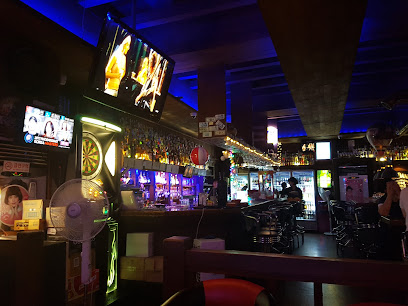
Discover the Historic Hwahong Gate: A Marvel of Suwon
Explore the enchanting Hwahong Gate in Suwon, a UNESCO World Heritage site that showcases the beauty and history of the Joseon Dynasty.
Hwahong Gate, a historical site in Suwon, is a stunning architectural marvel that reflects the rich heritage of the Joseon Dynasty. This UNESCO World Heritage site offers tourists a glimpse into the past, with its impressive design and scenic surroundings. Whether you're a history buff or a casual traveler, Hwahong Gate promises a memorable experience filled with beauty and culture.
A brief summary to Hwahong Gate (Hwahongmun, Buksumun)
- Buksu-dong, 33-4, Suwon-si, Paldal-gu, Gyeonggi-do, KR
- +8231-290-3600
- Visit website
Local tips
- Visit early in the morning or late afternoon to enjoy fewer crowds and the best lighting for photographs.
- Consider taking a guided tour to learn more about the historical significance and architectural details of the gate.
- Don’t miss the opportunity to explore the nearby Hwaseong Fortress and its other gates for a complete historical experience.
- Wear comfortable shoes, as you will likely be walking on uneven paths around the fortress.
- Check local events or festivals that may be taking place during your visit for a chance to experience traditional Korean culture.

Getting There
-
Walking
If you are near Suwon Station, exit the station and walk towards the main road (Gyeongbu-daero). Head east for about 10-15 minutes. You will reach a major intersection where you can see the Suwon City Hall. From here, turn left onto Paldal-ro and continue walking for another 15 minutes. You will eventually see Hwahong Gate (Hwahongmun) on your right side, located at Buksu-dong, 33-4.
-
Subway
Take Line 1 of the Seoul Subway towards Suwon Station. Once you arrive at Suwon Station, follow the walking directions provided above to reach Hwahong Gate. Alternatively, if you arrive at Hwaseong Fortress, you can walk west until you reach the gate.
-
Bus
From any location in Suwon, find a local bus stop and take a bus towards Suwon City Hall. You can check the bus routes that pass through the city center. Once you reach the City Hall, follow the walking directions provided above to reach Hwahong Gate.
Discover more about Hwahong Gate (Hwahongmun, Buksumun)
Iconic landmarks you can’t miss

Hwahong Gate (Hwahongmun, Buksumun)
0.0 km
Explore the enchanting Hwahong Gate in Suwon, a UNESCO World Heritage site that showcases the beauty and history of the Joseon Dynasty.
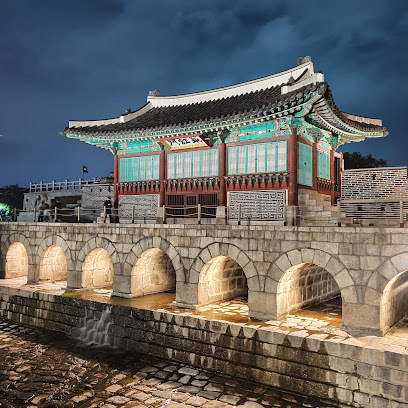
수원화성 화홍문 안내소
0.1 km
Explore the rich history of Suwon through the Hwaseong Fortress Visitor Center, your gateway to Korea's architectural and cultural heritage.
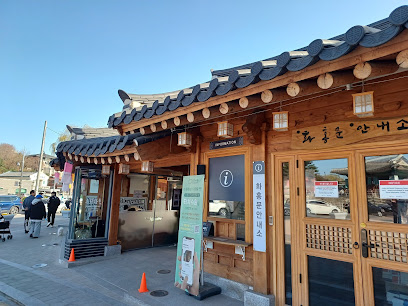
Suwon Traditional Culture Center
0.3 km
Experience the essence of Korea's cultural heritage at Suwon Traditional Culture Center with fascinating arts, crafts, and engaging performances.
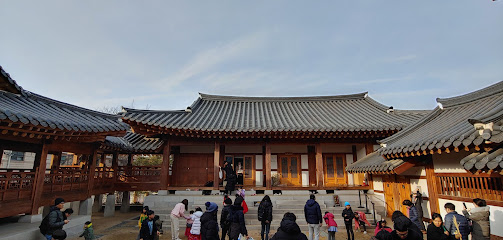
아담스기념관
0.4 km
Discover the historical charm and cultural richness of Suwon, a captivating destination for tourists seeking to explore Korea's past.
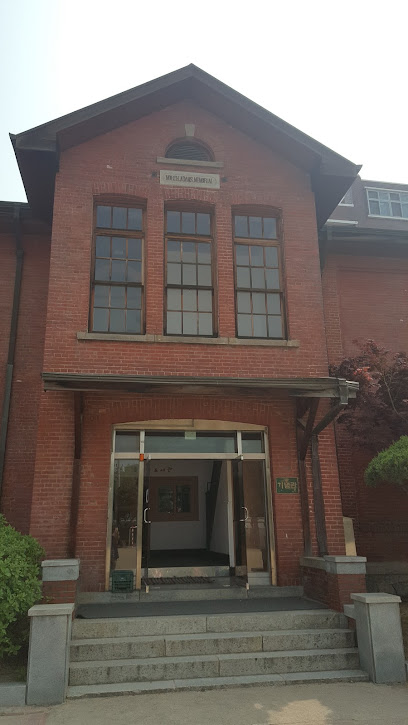
Yeonmudae
0.5 km
Explore the historical richness of Yeonmudae in Suwon-si, a captivating site that reveals Korea's cultural heritage and architectural beauty.
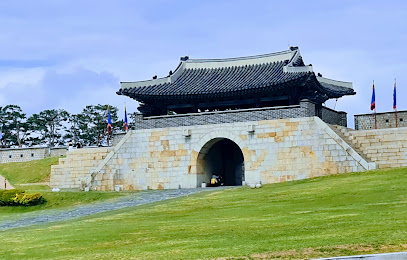
Dongbukgongsimdon Post
0.6 km
Explore Dongbukgongsimdon Post in Suwon, a UNESCO World Heritage Site showcasing Korea's architectural beauty and rich history.
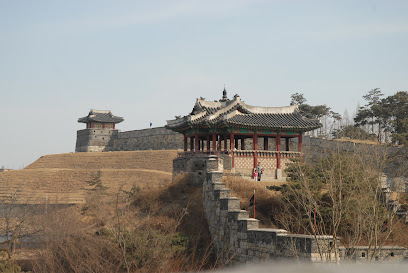
Dongporu
0.6 km
Explore Dongporu Castle in Suwon: A historical gem offering stunning views, rich culture, and unforgettable experiences.
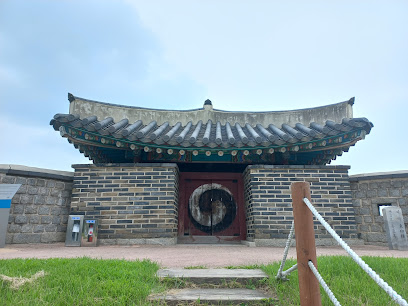
Hwaryeongjeon
0.7 km
Explore Hwaryeongjeon, a serene royal hall in Suwon-si, South Korea, showcasing exquisite architecture and rich cultural heritage.
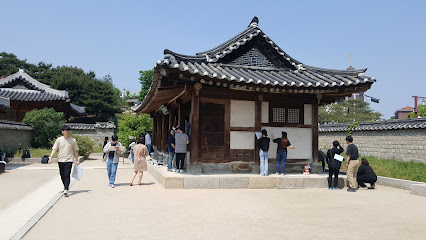
Yeomingak
0.7 km
Discover the rich history and serene beauty of Yeomingak, a historical gem in Suwon-si, Gyeonggi-do, showcasing Korea's cultural heritage.
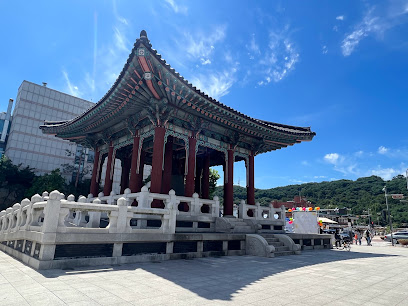
Hwaseong Haenggung Visitor Center
0.7 km
Explore the rich heritage of Suwon at the Hwaseong Haenggung Visitor Center, your starting point for an unforgettable historical journey.
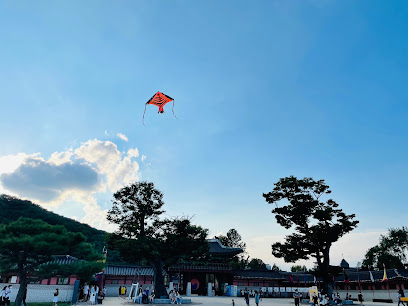
Seobukgongsimdon
0.7 km
Discover the grandeur of Seobukgongsimdon, a captivating castle in Suwon-si, steeped in history and surrounded by natural beauty.
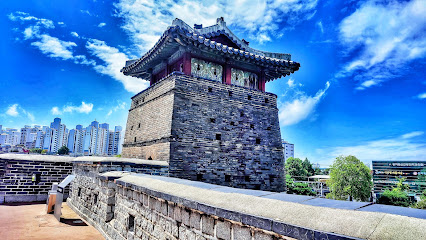
Bongdon
0.7 km
Discover Bongdon, a historical landmark in Suwon, offering a glimpse into Korea's cultural heritage amidst serene landscapes.
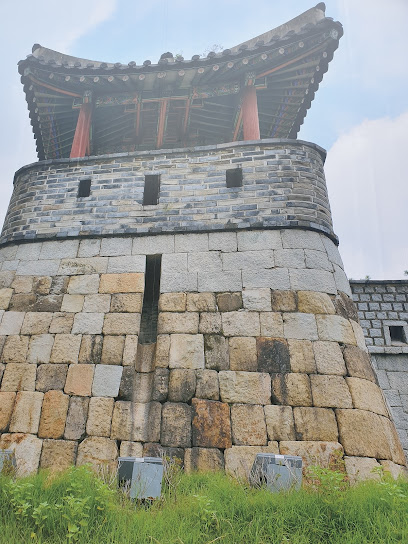
수원문화재단
0.8 km
Discover the heart of Suwon's heritage at the Suwon Cultural Heritage Center, where history, culture, and community converge.
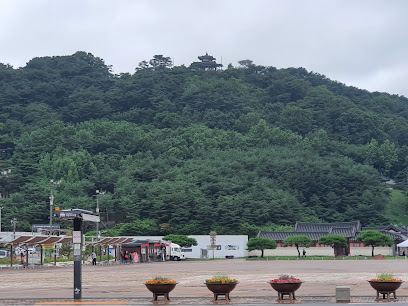
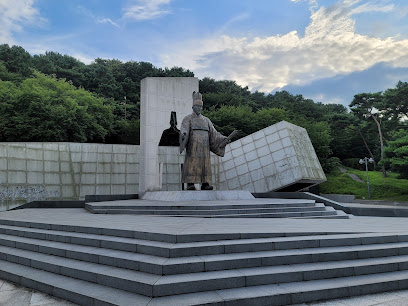
King Jeongjo's Statue
0.8 km
Explore the heritage of Korea at King Jeongjo's Statue in Suwon, a stunning tribute to the visionary ruler of the Joseon Dynasty.
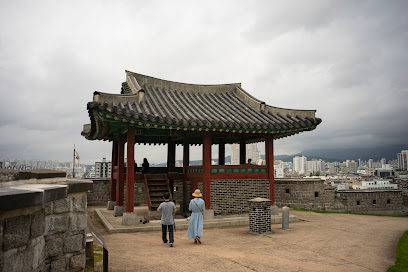
Seobukgangnu (Northwestern Pavilion)
0.9 km
Uncover the beauty and history of Seobukgangnu, a stunning castle pavilion nestled in Suwon, Gyeonggi-do, ideal for tourists seeking cultural immersion.
Unmissable attractions to see

Banghwasuryujeong Pavilion (Dongbukgangnu)
0.0 km
Explore the serene beauty and historical significance of Banghwasuryujeong Pavilion, a must-visit landmark in Suwon, Gyeonggi-do.
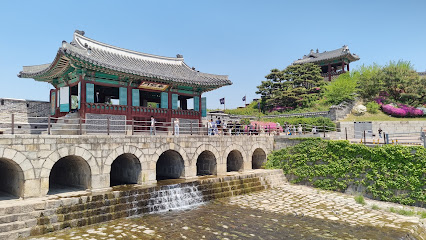
Haenggung-dong Mural Village
0.2 km
Explore Haenggung-dong Mural Village: A vibrant artistic haven in Suwon-si with captivating murals and a rich cultural experience.
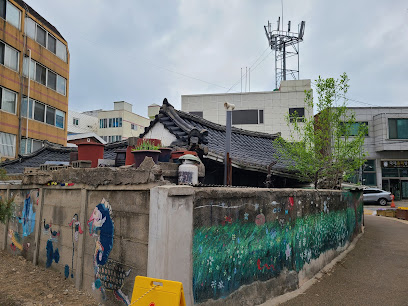
Dongammun
0.3 km
Explore Dongammun, a historic castle in Suwon-si, Gyeonggi-do, showcasing Korea's rich history and stunning architectural beauty.
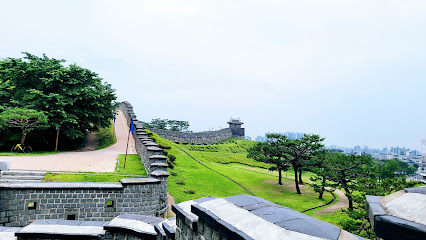
Janganmun Gate
0.3 km
Explore Janganmun Gate, a historical marvel in Suwon, showcasing exquisite Korean architecture and rich cultural heritage amidst scenic landscapes.
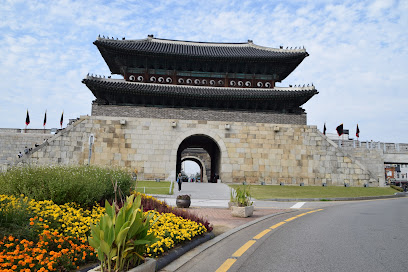
Haengnidan-gil
0.5 km
Discover Haengnidan-gil, a vibrant street in Suwon known for its blend of modern cafes, traditional eateries, and artistic flair, perfect for all travelers.
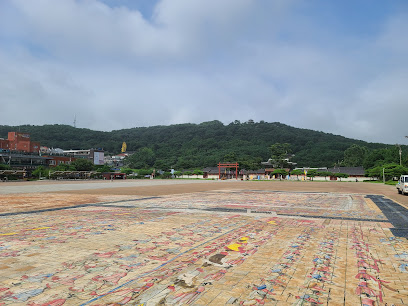
Haengridan Gil
0.5 km
Explore the vibrant Haengridan Gil, a charming street in Suwon known for its blend of history, culture, and delightful culinary experiences.
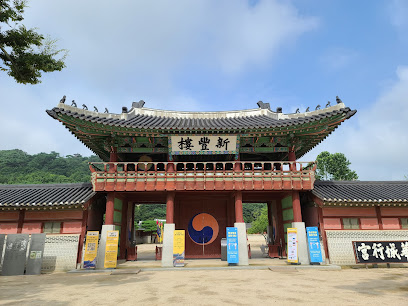
Yeonmudae (Dongjangdae/Eastern Command Post)
0.5 km
Discover the historical significance of Yeonmudae, a landmark that offers a captivating insight into Korea's military heritage.
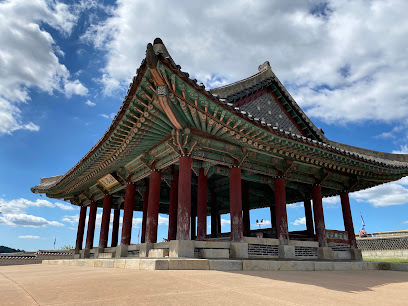
Suwon Hwaseong Fortress
0.5 km
Explore Suwon Hwaseong Fortress, a UNESCO World Heritage site showcasing Korea's rich architectural heritage and history amidst breathtaking landscapes.
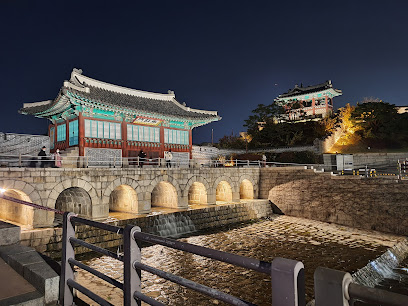
Suwon Fortress Hwaseong
0.5 km
Explore Suwon Fortress Hwaseong, a UNESCO World Heritage Site rich in history, stunning architecture, and breathtaking views, perfect for every traveler.
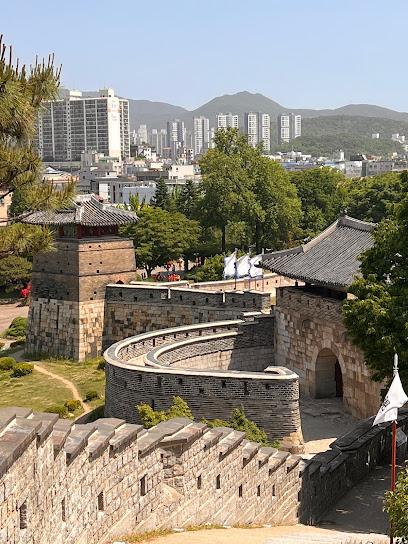
Hwaseong Fortress, Suwon
0.5 km
Explore the UNESCO-listed Hwaseong Fortress, a blend of history and architecture in Suwon, offering breathtaking views and cultural experiences.
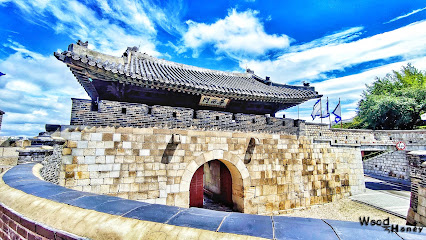
Suwon Hwaseong Museum
0.5 km
Explore the captivating history of Suwon at the Hwaseong Museum, showcasing the legacy of the Joseon Dynasty and the iconic Hwaseong Fortress.
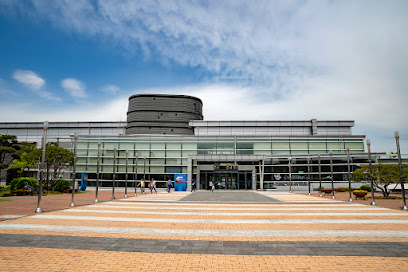
Suwon Museum of Art
0.6 km
Explore the vibrant cultural landscape at Suwon Museum of Art, a premier destination for contemporary art in South Korea.
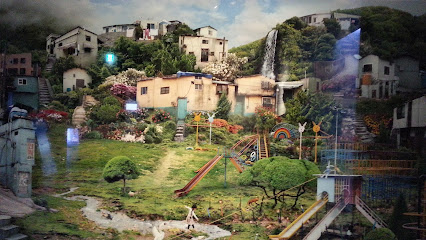
Uhwagwan
0.6 km
Explore Uhwagwan – Suwon's historical landmark that beautifully weaves together Korea's rich past with stunning architectural artistry.
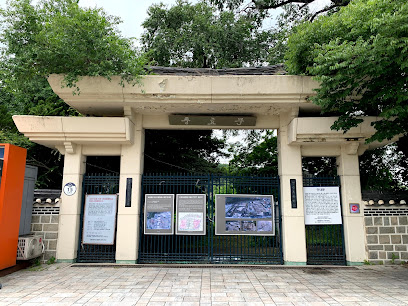
Yeomingak Bell Pavilion
0.7 km
Discover the beauty and tranquility of Yeomingak Bell Pavilion, a historical gem in Suwon-si that showcases Korea's rich cultural heritage.
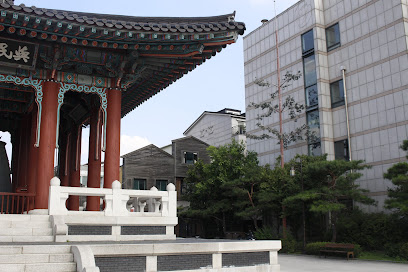
Changnyongmun Gate
0.7 km
Explore the enchanting Changnyongmun Gate, a historical landmark in Suwon, and immerse yourself in Korea's rich architectural heritage.
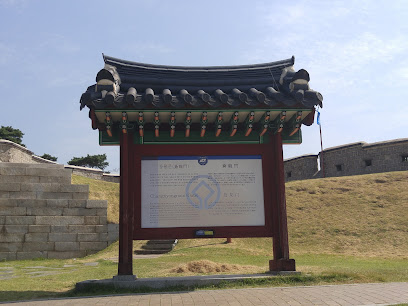
Essential places to dine

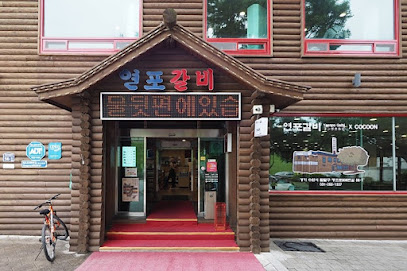
Yeonpo Galbi
0.1 km
Discover authentic Korean barbecue at Yeonpo Galbi in Suwon-si, where premium beef meets traditional dining.
Boyoung Mandoo
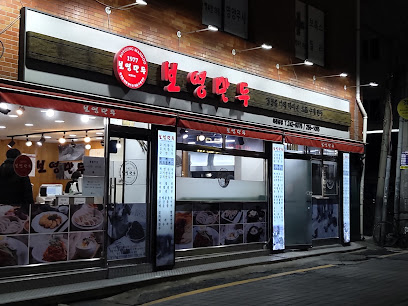
0.4 km
Discover authentic Korean flavors at Boyoung Mandoo, Suwon's beloved dumpling destination known for its handmade delights.
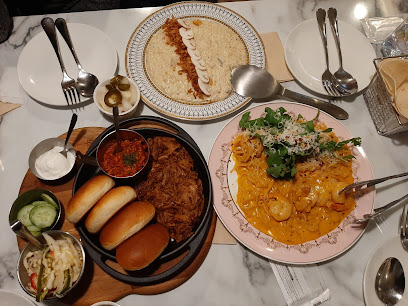
Guseuta
0.4 km
Experience authentic Italian cuisine at Guseuta in Suwon - where tradition meets taste in a cozy setting.
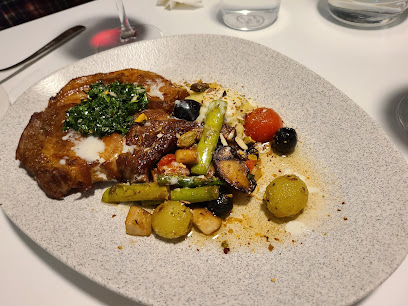
델템포하우스
0.5 km
Discover authentic Italian cuisine at Del Tempo House in Suwon - where every dish tells a story of tradition and flavor.
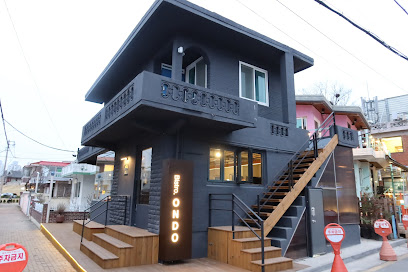
ONDO
0.5 km
Experience modern Korean cuisine at ONDO in Suwon - where tradition meets innovation for an unforgettable dining experience.
모나미카레 수원점
0.5 km
Experience authentic Japanese curry at 모나미카레 수원점 - where every dish tells a story of flavor and tradition.
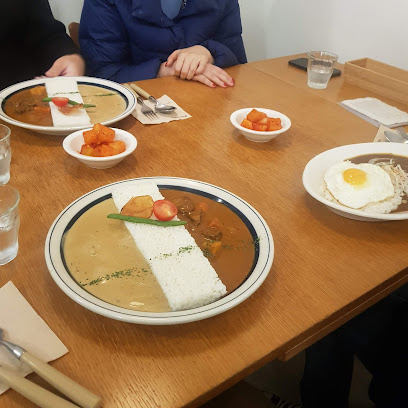
세컨디포레스트
0.5 km
Experience exquisite Western cuisine at 세컨디포레스트 in Suwon-si—an ideal dining destination for tourists seeking delicious flavors.
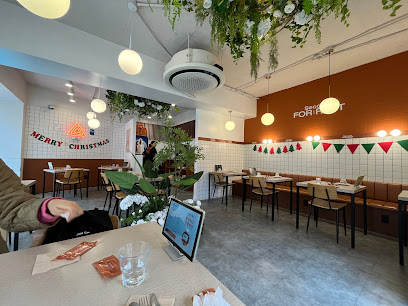
Restaurant, Korean
0.6 km
Experience authentic Korean cuisine in Suwon-si with delicious dishes served in a cozy atmosphere at affordable prices.
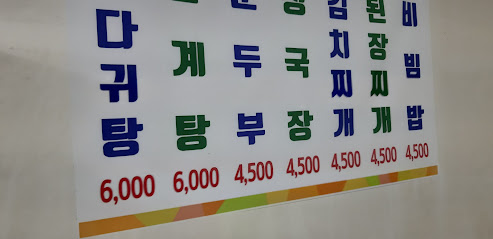
째리주택
0.6 km
Experience authentic Korean seafood at 째리주택 in Suwon - where every dish celebrates freshness and flavor.
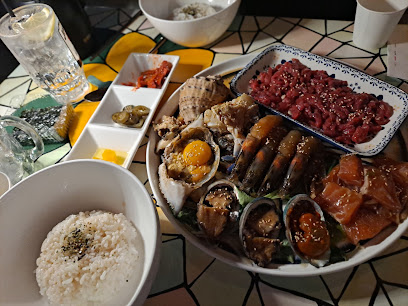
휴이파스타
0.6 km
Experience authentic Italian flavors at Huey Pasta in Suwon - where every dish is crafted with passion and fresh ingredients.
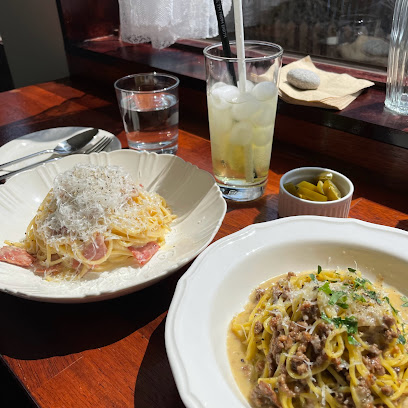
요미우돈교자
0.6 km
Savor authentic Japanese cuisine at 요미우돈교자 in Suwon-si - a must-visit destination for food lovers!
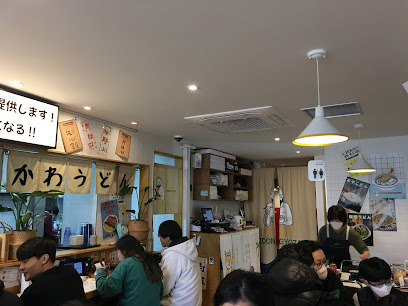
Unmello
0.6 km
Experience authentic Korean flavors at Unmello in Suwon - where culinary tradition meets modern dining.
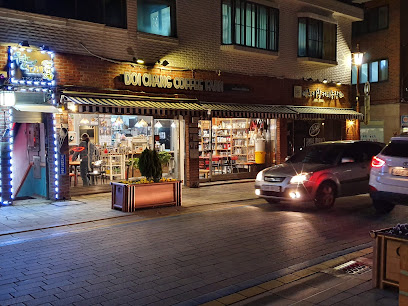
Maehyang Whole Chicken
0.6 km
Discover the authentic taste of Korea at Maehyang Whole Chicken in Suwon-si - where tradition meets flavor.
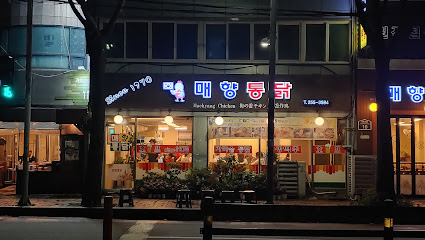
Haenggung-dong restaurant CallMyKitchen
0.6 km
Experience authentic Italian flavors blended with Western cuisine at CallMyKitchen in Suwon's Haenggung-dong.
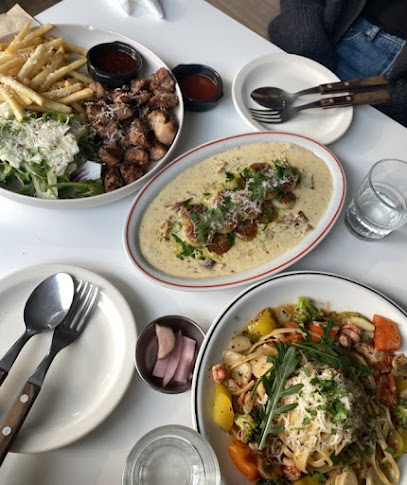
Suwon Mandu
0.7 km
Indulge in authentic Chinese dumplings at Suwon Mandu, where tradition meets flavor in the heart of Gyeonggi-do.
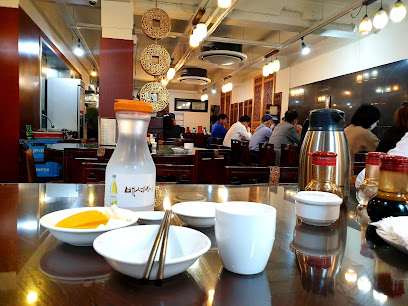
Markets, malls and hidden boutiques

카빙 패밀리
0.3 km
Explore the charm of 카빙 패밀리, a unique gift shop in Suwon-si, offering handcrafted treasures that embody Korean culture and artistry.

Broccoli Sup
0.6 km
Discover the literary charm of Broccoli Sup, a cozy bookstore in Suwon offering unique titles and a welcoming atmosphere for all book lovers.
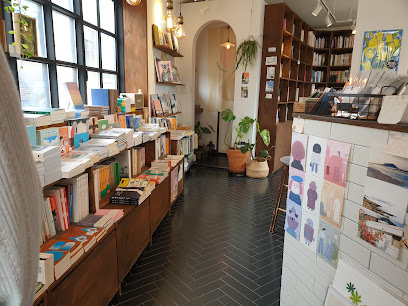
플랫핑거
0.6 km
Discover the charm of local craftsmanship and unique gifts at 플랫핑거, a must-visit gift shop in Suwon-si for memorable souvenirs.
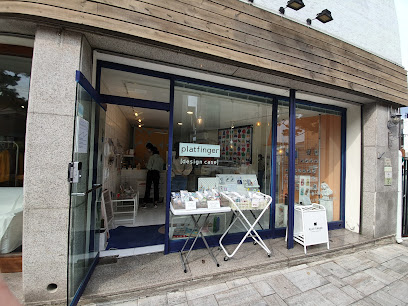
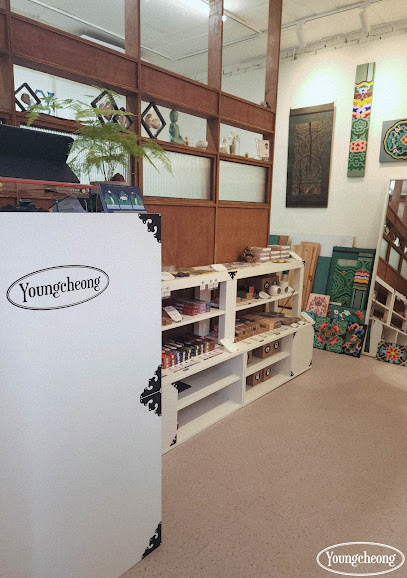
전통디자인 아트샵,영청
0.7 km
Uncover the beauty of Korea's traditional art at Youngcheong Art Shop, where craftsmanship meets culture in a delightful selection of souvenirs.
Suwon Si
0.8 km
Explore Suwon Si: A Shopping Wonderland Blending Modern Retail with Korean Culture and Cuisine.
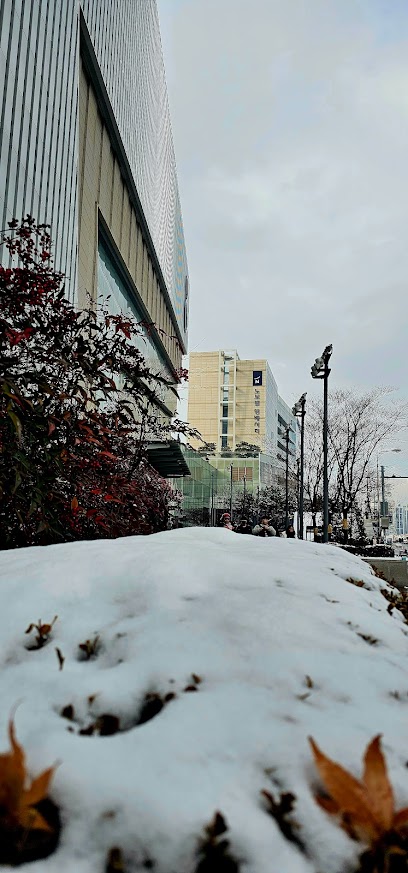
아르지온
0.8 km
Discover unique treasures at 아르지온, a charming gift shop in Suwon-si, showcasing local crafts and unforgettable souvenirs.
Nature Republic
1.2 km
Discover the essence of Korean beauty at Nature Republic, where natural ingredients meet innovative skincare products in Suwon.
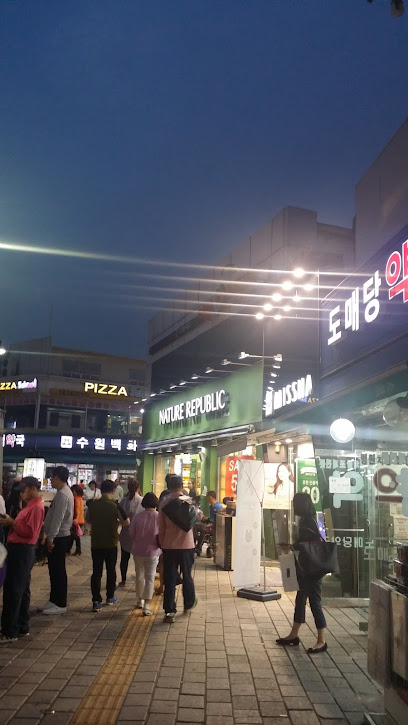
BESTFRIEND
1.2 km
Discover unique souvenirs and local crafts at BESTFRIEND, a charming gift shop in the heart of Suwon, South Korea.
미SHOP
1.2 km
Explore the vibrant fashion scene at 미SHOP in Suwon, offering unique clothing and accessories that reflect the essence of Korean style.
수원영동시장
1.2 km
Discover the vibrant Suwon Yeongdong Market, where culinary delights and local culture blend seamlessly in a bustling atmosphere.
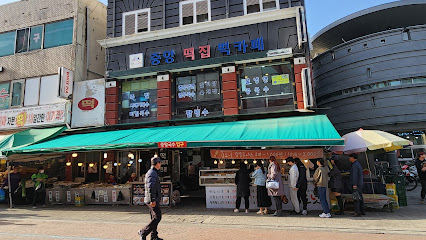
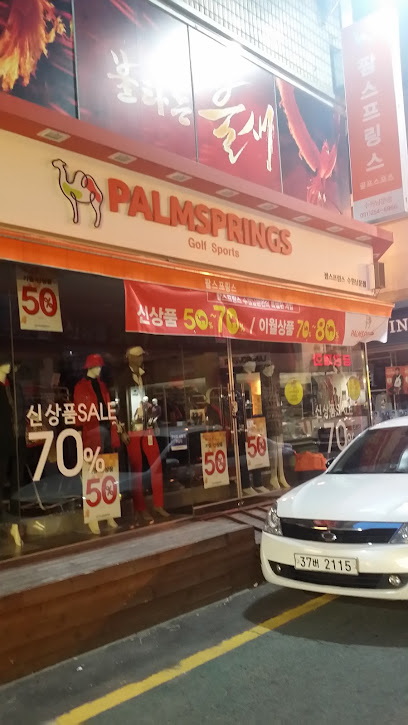
Palmsprings
1.2 km
Explore the vibrant fashion scene at Palmsprings, a trendy clothing store in Suwon, Gyeonggi-do, showcasing the latest styles and unique designs.
상인BATH&선물
1.4 km
Explore 상인BATH&선물, a charming gift shop in Suwon-si, offering unique local crafts and bath products perfect for souvenirs.
Beautiful Store, Suwon Fortress points
1.4 km
Explore the Beautiful Store near Suwon Fortress for unique second-hand finds and sustainable shopping treasures in South Korea.
Suwon E Store
1.5 km
Explore Suwon E Store: Your gateway to the latest electronics and gadgets in the heart of South Korea's vibrant tech hub.
한국지엠상사
1.6 km
Explore 한국지엠상사 in Suwon for unique gifts and a glimpse into South Korean culture, perfect for tourists seeking authentic souvenirs.
Essential bars & hidden hideouts

Dirty Rabbit
0.2 km
Experience the lively essence of Suwon at Dirty Rabbit Bar, where great drinks and a vibrant atmosphere await every visitor.
sunflower
0.4 km
Experience the lively atmosphere and unique cocktails at Sunflower Bar, a must-visit destination in Suwon for unforgettable nights.
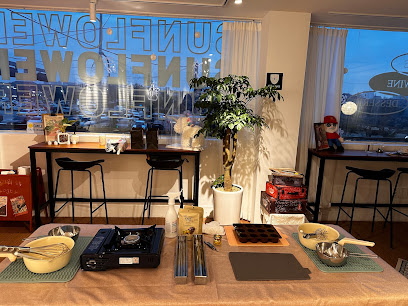
Nonsyallang
0.5 km
Discover Nonsyallang, a charming wine bar in Suwon offering a diverse selection of wines and delightful bites in a cozy atmosphere.
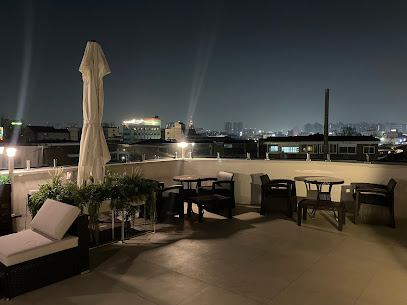
DeTAIL 디테일 BAR
0.7 km
Discover the vibrant nightlife at DeTAIL 디테일 BAR, where expertly crafted cocktails and a lively atmosphere await you in Suwon.
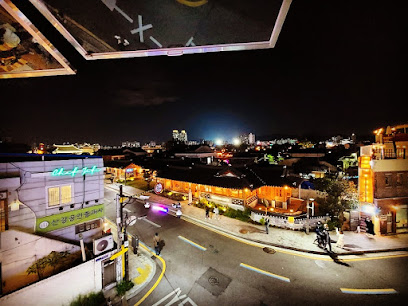
Monster Pub
1.3 km
Discover the vibrant nightlife of Suwon at Monster Pub, where locals gather for great drinks and lively entertainment in a friendly atmosphere.
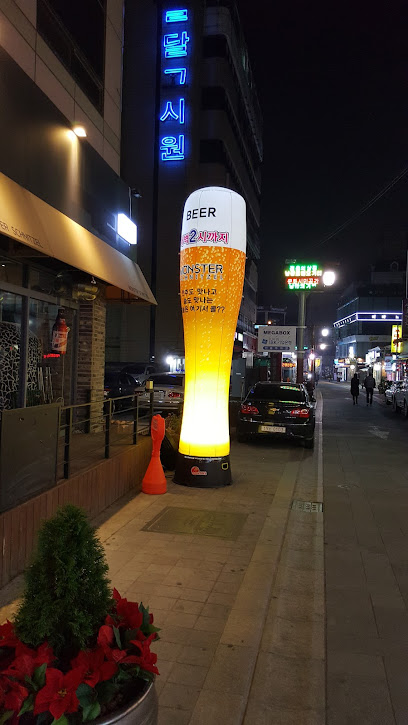
The Big Chill
1.4 km
Discover the vibrant nightlife at The Big Chill in Suwon, where great drinks and a lively atmosphere create unforgettable memories.
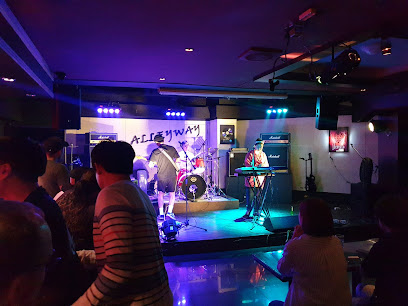
Alleyway Taphouse
1.4 km
Discover Alleyway Taphouse in Suwon for vibrant live music, craft beers, and an unforgettable nightlife experience.
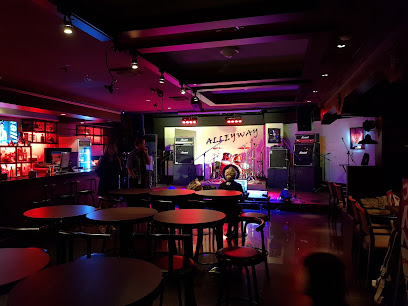
Mu
1.6 km
Experience the vibrant nightlife of Suwon at Mu, a lively bar offering a unique taste of Korean culture and local flavors.
Lanipeob
1.6 km
Discover the vibrant atmosphere of Lanipeob, a trendy bar in Suwon-si, perfect for unwinding with friends and enjoying local nightlife.
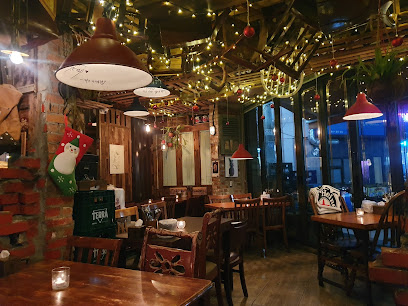
그라운드펍
1.7 km
Experience the vibrant nightlife of Suwon at 그라운드펍, where local brews and a cozy atmosphere await every traveler.
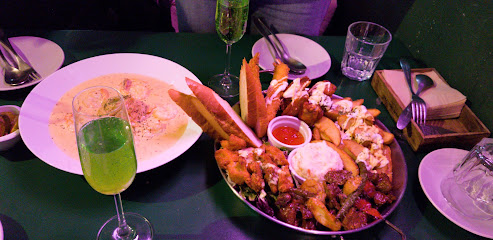
D.place
1.8 km
Experience the vibrant nightlife at D.place, a must-visit bar in Suwon-si, offering a unique ambiance and a diverse selection of drinks.
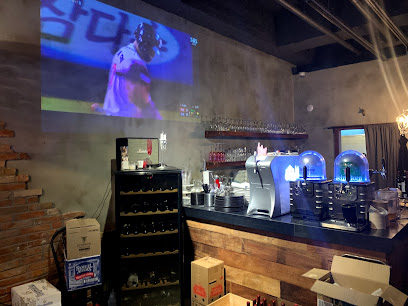
Neocheupeob
2.1 km
Experience the vibrant nightlife of Suwon-si at Neocheupeob, a charming bar offering a unique selection of drinks and a cozy atmosphere.
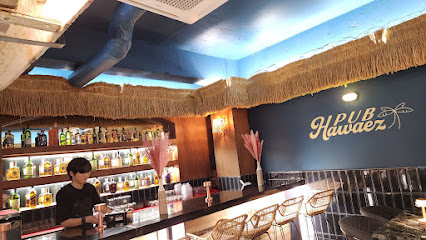
하와이지
2.1 km
Join the vibrant nightlife at 하와이지 in Suwon, where great drinks and friendly vibes create an unforgettable experience.
Binteum
2.2 km
Experience the vibrant nightlife at Binteum, a stylish bar in Suwon offering innovative cocktails and a cozy atmosphere for all.
it bar
2.2 km
Experience Suwon's vibrant nightlife at It Bar, where exquisite drinks meet a warm, inviting atmosphere, perfect for unwinding with friends.