

Realejo-San Matías (Granada) Travel Guide - Free
Explore Realejo-San Matías in Granada with Evendo's free guide. Find the best shops, historic streets, restaurants, and gems on web or mobile.


Realejo-San Matías in Granada blends Jewish heritage, Nasrid gardens, tapas streets, art museums and hillside walks beneath the Alhambra with mountain views.
A Historic Quarter Below the Alhambra
Realejo-San Matías occupies the sloping ground between Granada’s historic centre and the Alhambra hill, a neighbourhood of narrow lanes, leafy plazas and layered architectural memories. Its name reflects two overlapping identities: Realejo, traditionally associated with the city’s medieval Jewish quarter, and San Matías, the Christian parish established after the Castilian conquest. The exact limits of the historic Jewish district are debated, but the area’s long association with Jewish Granada remains central to its cultural story.Read more about Realejo-San Matías
Courtyards, Gardens and Independent Culture
Street Life and the View Uphill
Best attractions in Realejo-San Matías
Realejo-San Matías rewards exploration through a sequence of gardens, squares and historic interiors rather than one single monumental route. The Campo del Príncipe is the neighbourhood’s principal public space, framed by restaurants and overlooked by the church of San Cecilio, while nearby Santo Domingo combines a prominent façade with a long religious history. The Cuarto Real de Santo Domingo offers a rare glimpse of Nasrid courtly architecture beyond the Alhambra, and the Casa de los Tiros introduces a Renaissance house museum at the quarter’s northern edge. Higher on the slope, the Carmen de los Mártires brings together planted terraces and views towards Granada, while the Fundación Rodríguez-Acosta joins art, architecture and landscaped courtyards. The lanes around Calle San Matías, Pavaneras and the Alhambra approaches are attractions in their own right, revealing carmens, stone walls and changing city views.
-
Tourist attraction
Mirador de San Nicolás
Experience the unparalleled beauty of Alhambra from the iconic Mirador de San Nicolás in Granada, a must-see for every traveler.
9 min walk · 0.7 km from neighbourhood centre
-
Tourist attraction
Catedral de Granada
Discover the breathtaking beauty and rich history of the Catedral de Granada, a must-visit architectural gem in the heart of Spain.
1 min walk · 0.1 km from neighbourhood centre
-
Tourist attraction
Nasrid Palaces
Explore the enchanting Nasrid Palaces in Granada, a UNESCO World Heritage site showcasing stunning Moorish architecture and rich historical significance.
10 min walk · 0.8 km from neighbourhood centre
-
 Tourist attraction
Royal Chapel of Granada
Explore the Royal Chapel of Granada, a stunning Gothic and Renaissance masterpiece housing the tombs of Spain's Catholic Monarchs.
1 min walk · 0.1 km from neighbourhood centre


Best landmarks in Realejo-San Matías
Realejo-San Matías contains a particularly dense record of Granada’s changing political and religious landscape. The Cuarto Real de Santo Domingo is the key Nasrid landmark, preserving a decorated reception hall within a later Christian and conventual setting. The church of Santo Domingo, associated with the Dominican foundation, marks the post-conquest reorganisation of the district, while the church of San Matías gives the parish its enduring name and anchors the streets around it. The Campo del Príncipe is important as an historic urban square as well as a present-day meeting place. On Calle Pavaneras, the Casa de los Tiros retains the character of a fortified Renaissance residence, and the uphill carmens, walls and garden compounds form a distinctive architectural landscape connected to Granada’s Alhambra-facing hillside.
-
Tourist attraction
Fuente de las Batallas
Experience the beauty and history of Fuente de las Batallas, a stunning landmark in the heart of Granada, Spain, perfect for leisurely strolls and cultural exploration.
6 min walk · 0.5 km from neighbourhood centre
-
Cultural landmark
Plaza Isabel La Católica
Explore the vibrant Plaza Isabel La Católica, a cultural landmark in Granada, where history and modernity blend seamlessly.
2 min walk · 0.1 km from neighbourhood centre
-
Garden
Carmen de los Mártires
Discover the tranquil beauty of Carmen de los Mártires, a stunning garden in the heart of Granada, offering breathtaking views and a serene escape.
14 min walk · 1.1 km from neighbourhood centre
-
Heritage museum
Cuarto Real de Santo Domingo
Explore the rich history of Granada at the Cuarto Real de Santo Domingo, a heritage museum blending stunning architecture with captivating archaeological treasures.
7 min walk · 0.6 km from neighbourhood centre


Explore Realejo-San Matías on the map
A handpicked selection of must-see spots in Realejo-San Matías, mapped for you.
Best hotels in Realejo-San Matías
Best restaurants in Realejo-San Matías
Realejo-San Matías is one of Granada’s most convenient neighbourhoods for eating, particularly around Calle Navas, Calle San Matías, Campo del Príncipe and the connecting lanes. The local scene ranges from traditional tapas bars and Andalusian cooking to contemporary restaurants, cafés and international kitchens serving the area’s residents, students and visitors. Small plates remain central to the experience, with menus often drawing on local produce, cured meats, seafood and seasonal dishes, while the city’s wider influence is visible in North African, Mediterranean and vegetarian options. Calle Navas is concentrated and lively, whereas the streets around the Campo del Príncipe provide a more open setting for lingering over lunch or an evening meal. Bakeries, coffee shops and ice-cream shops are useful for breaks between visits, but the character of individual establishments changes frequently, so current menus and seating customs are best checked locally.
-
Italian
Sapore a Italia
Experience authentic Italian cuisine at Sapore a Italia in Granada - where tradition meets flavor in every bite.
9 min walk · 0.7 km from neighbourhood centre
-
Grill
El Rincón de Julio
Experience the best of grilled cuisine at El Rincón de Julio in Granada - where local flavors meet exceptional dining.
4 min walk · 0.3 km from neighbourhood centre
-
Restaurant
Restaurante Pilar del Toro
Experience authentic Andalusian flavors at Restaurante Pilar del Toro in Granada – where tradition meets culinary excellence.
4 min walk · 0.3 km from neighbourhood centre
-
Restaurant
Restaurante Alarique
Experience the essence of Spanish cuisine at Restaurante Alarique in Granada - where tradition meets innovation in every dish.
4 min walk · 0.3 km from neighbourhood centre


Best bars in Realejo-San Matías
Evenings in Realejo-San Matías are centred more on tapas, conversation and small bars than on a large nightclub scene. Calle Navas and Calle San Matías form the main social corridors, with traditional bars and restaurants staying active into the evening, while Campo del Príncipe offers a broader outdoor setting when tables are available. The neighbourhood’s proximity to the central nightlife streets makes it easy to continue elsewhere in Granada, but within the quarter the atmosphere generally shifts from busy dining to quieter drinks and late conversations rather than high-volume clubbing. Cultural evenings may also extend through nearby performance and exhibition spaces, although programmes vary. On residential lanes above the square, visitors should moderate noise and avoid treating doorways, church steps or quiet plazas as informal party spaces.
-
Bar
San Matias 30 Coffee & Spirits
Discover San Matias 30 Coffee & Spirits, a cozy bar in Granada where coffee culture meets spirited drinks in a welcoming atmosphere.
3 min walk · 0.2 km from neighbourhood centre
-
Bar
Loop Bar & Records
Discover the vibrant fusion of music and nightlife at Loop Bar & Records in Granada, where drinks and vinyl unite for an unforgettable experience.
5 min walk · 0.4 km from neighbourhood centre
-
Cocktail bar
Check In (Granada)
Discover the vibrant flavors of Granada at Check In, a cocktail bar that offers a unique blend of tradition and modern mixology.
4 min walk · 0.4 km from neighbourhood centre
-
Cocktail bar
3 onzas Cocktail Bar
Experience the vibrant cocktail scene at 3 Onzas Cocktail Bar in Granada, where unique drinks and a stylish atmosphere await you.
3 min walk · 0.3 km from neighbourhood centre


Best nightclubs in Realejo-San Matías
Evenings in Realejo-San Matías are centred more on tapas, conversation and small bars than on a large nightclub scene. Calle Navas and Calle San Matías form the main social corridors, with traditional bars and restaurants staying active into the evening, while Campo del Príncipe offers a broader outdoor setting when tables are available. The neighbourhood’s proximity to the central nightlife streets makes it easy to continue elsewhere in Granada, but within the quarter the atmosphere generally shifts from busy dining to quieter drinks and late conversations rather than high-volume clubbing. Cultural evenings may also extend through nearby performance and exhibition spaces, although programmes vary. On residential lanes above the square, visitors should moderate noise and avoid treating doorways, church steps or quiet plazas as informal party spaces.
-
Disco club
Discoteca Aliatar
Discover the electrifying nightlife of Granada at Discoteca Aliatar, where vibrant music and an energetic atmosphere await.
5 min walk · 0.4 km from neighbourhood centre
-
Disco club
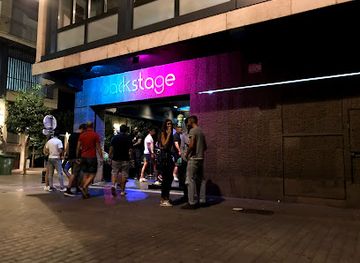
Discoteca Backstage
Discover the lively nightlife at Discoteca Backstage, Granada's premier disco club with electrifying music and a vibrant crowd.
5 min walk · 0.4 km from neighbourhood centre
-
Night club
El Granero - Granada
Discover the vibrant nightlife of El Granero in Granada, where energetic vibes and affordable drinks create an unforgettable experience.
2 min walk · 0.2 km from neighbourhood centre
-
Disco club
Colón Plaza
Experience vibrant nightlife at Colón Plaza in Granada, where disco, karaoke, and great company await you for an unforgettable evening.
2 min walk · 0.2 km from neighbourhood centre



Best shops in Realejo-San Matías
Shopping in Realejo-San Matías is chiefly small-scale and street-based rather than organised around a large retail centre. Around Calle Pavaneras, Calle San Matías, Calle Navas and the lower approaches to the neighbourhood, visitors find independent food shops, cafés, craft-oriented businesses, galleries, clothing retailers and specialist premises interspersed with everyday services. The area is also a useful place to browse Granada-themed ceramics, decorative objects, books and gifts, although stock and individual businesses change over time. Its most distinctive commercial character comes from the mixture of local shopping and visitor-oriented craft retail within old streets, rather than from a single market or flagship shopping avenue. For a broader market experience, Granada’s principal municipal markets and central shopping streets lie outside the neighbourhood and should not be confused with Realejo’s smaller independent businesses.
-
Gift shop
ALE-HOP
Explore ALE-HOP in Granada for unique gifts, trendy fashion accessories, and home goods that celebrate local creativity and culture.
1 min walk · 0.1 km from neighbourhood centre
-
Souvenir store
Medina crafts, S.L. (Catholic kings)
Discover unique souvenirs and handcrafted gifts at Medina Crafts in Granada, where local artistry meets cultural heritage.
2 min walk · 0.2 km from neighbourhood centre
-
Women's clothing store
Alma Boutique Granada
Explore unique fashion finds at Alma Boutique Granada, where style meets the charm of the historic city.
6 min walk · 0.5 km from neighbourhood centre
-
Novelty store
Artesanía González
Discover the vibrant world of Granada's handicrafts at Artesanía González, where every piece tells a story of local artistry and tradition.
4 min walk · 0.3 km from neighbourhood centre


Realejo-San Matías essentials
Getting There
Getting Around
Safety
Emergency Situations
Do's and Don'ts
Local Tips

From Eve
Local phrases worth knowing
You don't need to get them perfect. A few words go a long way, and locals appreciate the effort.
Basics
| English | Local | Say it |
|---|---|---|
| Hello | Hola | [oh-lah] |
| Goodbye | Adiós | [ah-dee-ohs] |
| Yes | Sí | [see] |
| No | No | [noh] |
| Please/You're welcome | Por favor/De nada | [por fah-bor/deh nah-dah] |
| Thank you | Gracias | [grah-thyahs] |
| Excuse me/Sorry | Perdón/Lo siento | [pehr-dohn/loh syen-toh] |
| How are you? | ¿Cómo estás? | [koh-moh ehs-tahs] |
| Fine. And you? | Bien. ¿Y tú? | [byen. ee too] |
| Do you speak English? | ¿Hablas inglés? | [ah-blahs een-glehs] |
| I don't understand | No entiendo | [noh ehn-tee-ehn-doh] |
Eating & Drinking
| English | Local | Say it |
|---|---|---|
| I'd like to see the menu, please | Me gustaría ver el menú, por favor | [meh goos-tah-ree-ah behr ehl meh-noo, por fah-bor] |
| I don't eat meat | No como carne | [noh koh-moh kahr-neh] |
| Cheers! | ¡Salud! | [sah-lood] |
| I would like to pay, please | Me gustaría pagar, por favor | [meh goos-tah-ree-ah pah-gahr, por fah-bor] |
Emergencies
| English | Local | Say it |
|---|---|---|
| Help! | ¡Ayuda! | [ah-yoo-dah] |
| Go away! | ¡Vete! | [veh-teh] |
| Call the Police! | ¡Llama a la Policía! | [yah-mah ah lah poh-lee-see-ah] |
| Call a doctor! | ¡Llama a un médico! | [yah-mah ah oon meh-dee-koh] |
| I'm lost | Estoy perdido | [ehs-toy pehr-dee-doh] |
| I'm ill | Estoy enfermo | [ehs-toy ehn-fehr-moh] |
Shopping
| English | Local | Say it |
|---|---|---|
| I'd like to buy... | Me gustaría comprar... | [meh goos-tah-ree-ah kohm-prahr...] |
| I'm just looking | Solo estoy mirando | [soh-loh ehs-toy meer-ahn-doh] |
| How much is it? | ¿Cuánto cuesta? | [kwan-toh kwehs-tah] |
| That's too expensive | Esto es demasiado caro | [ehs-toh ehs deh-mah-syah-doh kahr-oh] |
| Can you lower the price? | ¿Puede bajar el precio? | [pweh-deh bah-hahr ehl pree-syoh] |
Time & Numbers
| English | Local | Say it |
|---|---|---|
| What time is it? | ¿Qué hora es? | [keh oh-rah ehs] |
| It's one o'clock | Es la una | [ehs lah oo-nah] |
| Half past (10) | Las diez y media | [lahs dyehs ee meh-dee-ah] |
| Morning | Mañana | [mah-nyah-nah] |
| Afternoon | Tarde | [tahr-deh] |
| Evening | Noche | [noh-cheh] |
| Yesterday | Ayer | [ah-yehr] |
| Today | Hoy | [oy] |
| Tomorrow | Mañana | [mah-nyah-nah] |
| 1 | Uno | [oo-noh] |
| 2 | Dos | [dohs] |
| 3 | Tres | [trehs] |
| 4 | Cuatro | [kwah-troh] |
| 5 | Cinco | [theen-koh] |
| 6 | Seis | [sehs] |
| 7 | Siete | [syeh-teh] |
| 8 | Ocho | [oh-choh] |
| 9 | Nueve | [nweh-veh] |
| 10 | Diez | [dyehs] |
Transport & Directions
| English | Local | Say it |
|---|---|---|
| Where's a/the...? | ¿Dónde está...? | [dohn-deh ehs-tah] |
| What's the address? | ¿Cuál es la dirección? | [kwal ehs lah dee-rehk-syohn] |
| Can you show me (on the map)? | ¿Puedes mostrarme (en el mapa)? | [pweh-dehs mohs-trahr-meh (ehn ehl mah-pah)] |
| When's the next (bus)? | ¿Cuándo es el próximo (autobús)? | [kwan-doh ehs ehl proh-ksee-moh (ow-toh-boos)] |
| A ticket (to ....) | Un billete (a ...) | [oon bee-yeh-teh (ah ...)] |
History of Realejo-San Matías
Medieval Jewish Granada
Before the Castilian conquest of 1492, the area south of the Muslim medina was traditionally identified with Garnata al-Yahud, or Granada of the Jews, although historians caution that the precise boundaries and continuity of this quarter are not fully certain. It occupied a strategic hillside below the Alhambra and near routes linking the city to the southern plain. Jewish residents participated in the commercial and intellectual life of Nasrid Granada, while the quarter’s gardens, houses and religious institutions formed part of the wider urban fabric rather than an isolated settlement. The association remains one of the defining historical layers of the modern Realejo.
The Nasrid Cuarto Real
The Cuarto Real de Santo Domingo preserves an important Nasrid palatine residence, generally dated to the late thirteenth century and associated with the nearby Almohad-era wall and orchards. Its richly decorated qubba, or reception hall, offers evidence of the courtly architecture that once extended beyond the Alhambra itself. After the conquest, the property passed through Christian ownership and later became connected with the Dominican convent of Santa Cruz la Real. The survival of the hall amid later buildings illustrates how Realejo’s medieval landscape was absorbed, adapted and partially concealed by subsequent religious and residential development.
Christian Reorganisation After 1492
Following the conquest of Granada in 1492, the former Jewish quarter was reorganised through new parishes, convents, noble residences and streets serving the Christian city. San Matías became the area’s principal parish identity, and the church of San Matías developed as part of the new religious landscape. Santo Domingo and the convent of Santa Cruz la Real also helped anchor the district, while the Campo del Príncipe became a major open space on the hillside. The transformation was not simply architectural: Jewish and Muslim communities faced conversion, expulsion or displacement, and the neighbourhood’s social composition changed profoundly during the late fifteenth and sixteenth centuries.
Carmens, Residences and Urban Change
From the early modern period onwards, Realejo retained a mixed character of religious foundations, aristocratic houses, modest dwellings, gardens and cultivated plots. The local carmen—a house combined with an enclosed garden or orchard—became one of the district’s most recognisable forms, particularly on the rising ground towards the Alhambra. The Campo del Príncipe and nearby lanes were repeatedly reshaped as Granada grew, while buildings such as the Casa de los Tiros expressed the presence of powerful families and civic institutions. The resulting streetscape is a palimpsest, with Nasrid fragments, Mudejar churches, Renaissance façades and later domestic architecture close together.
A Contemporary Cultural Quarter
During the nineteenth and twentieth centuries, Granada’s expanding central city brought new traffic, commercial activity and building alterations to Realejo-San Matías, while many gardens and large properties were subdivided or given institutional uses. The neighbourhood also became associated with artists, writers and cultural foundations drawn to its historic setting and proximity to the Alhambra. Restoration of monuments including the Cuarto Real de Santo Domingo, together with the continued use of churches, museums, restaurants and public squares, has strengthened its cultural role. Today, the district balances heritage-led tourism with ordinary residential life, though the pressure of visitors and short-term activity is visible around its best-known streets.
Realejo-San Matías in Photos
Browse through our photo collection highlighting the charm and character of the destination.
Neighbourhoods near Realejo-San Matías
The closest neighbourhoods to Realejo-San Matías, if you have time for more than one stop.
-

-

-


Swipe for more neighbourhoods
Explore more

Explore more of Granada
Granada, Spain reveals Alhambra palaces, Albaicín lanes, flamenco, tapas and Sierra Nevada views through layered Andalusian history and culture.
Explore Granada