Palacio de los Vargas, Madrid Travel Guide
Free Guide: 16th-century noble mansion in La Latina's oldest plaza, where exposed brick patios and heraldic shields reveal Madrid's aristocratic underbelly amid tapas-lined streets.


A brief summary of Palacio de los Vargas
16th-century noble mansion in La Latina's oldest plaza, where exposed brick patios and heraldic shields reveal Madrid's aristocratic underbelly amid tapas-lined streets.
Tucked in La Latina's Plaza de la Paja, this 16th-century noble mansion stands as a quiet testament to Madrid's aristocratic past. Its restored facade and intimate courtyard offer a serene escape amid the neighborhood's tapas buzz, revealing layers of history from Renaissance grandeur to modern cultural revival.
On-site amenities
 Restrooms
 Seating areas
 Information boards
- Address
- Pl. de la Paja, 14, Centro, 28005 Madrid
Getting there
Walking
Cycling
Taxi/Rideshare
Discover more about Palacio de los Vargas
Historical Foundations
The Palacio de los Vargas traces its origins to the mid-16th century, built for the Vargas family, a prominent noble lineage in Habsburg-era Madrid. Constructed around 1550, it exemplifies the austere yet elegant architecture of Madrid's early expansion under Philip II. The palace served as a residence for courtiers and administrators, embodying the shift from medieval fortifications to Renaissance palazzos adapted to Castilian tastes. Its strategic location in what became La Latina placed it near the royal court, facilitating the family's influence in governance and ecclesiastical circles.
Architectural Highlights
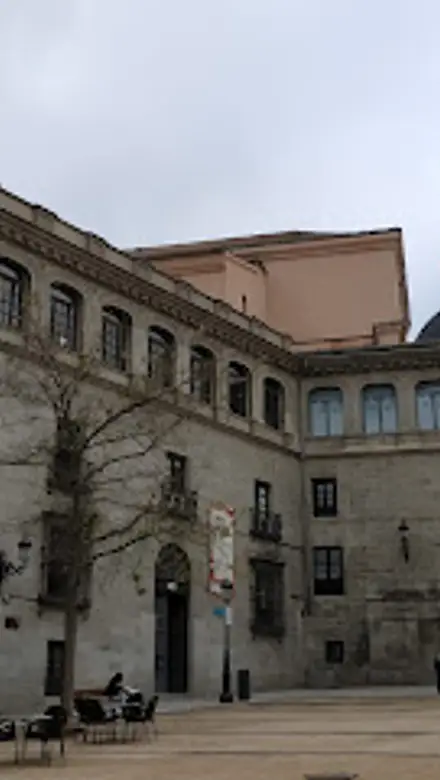
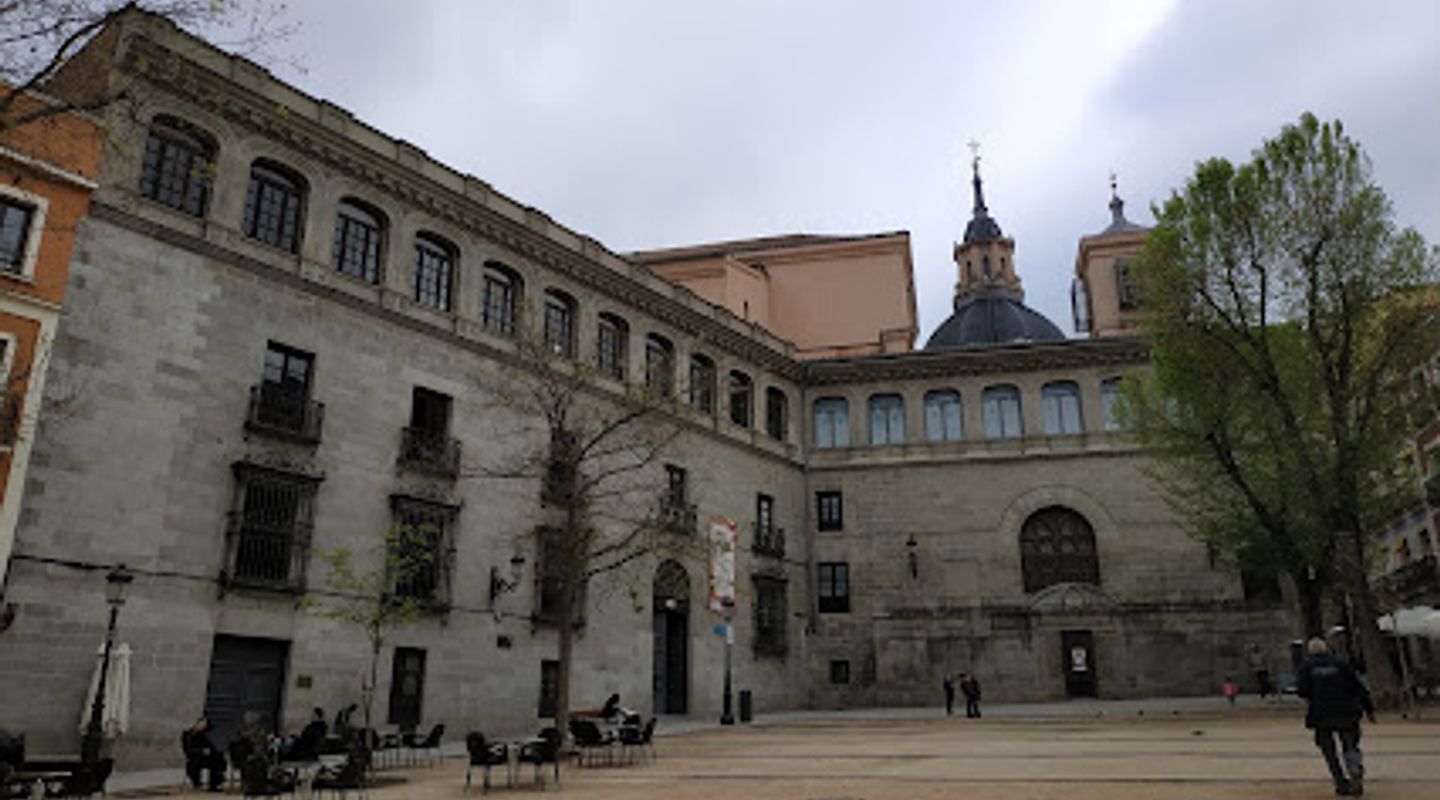
Visitors encounter a facade of exposed brick and stone, typical of Madrid's plateresque style blended with Mudéjar influences. The standout feature is the central patio, a rectangular courtyard framed by two-story galleries with slender Tuscan columns supporting wooden beams. Arched doorways and heraldic shields adorn the walls, while the upper level features miradors—projecting balconies—for overlooking the plaza. Inside, vaulted ceilings and stuccoed decorations hint at original opulence, though much was simplified during restorations. The building's compact scale contrasts with grander palaces like the nearby ones of the Counts of Altamira.
Evolution Through Centuries
By the 18th century, the palace had passed to other noble families before falling into disuse. It endured Madrid's turbulent 19th and 20th centuries, including the Spanish Civil War, when many historic structures suffered damage. In the late 20th century, municipal efforts restored it, preserving authentic elements while adapting spaces for public use. Today, it functions as a cultural venue, hosting exhibitions on local history and architecture, breathing new life into its aristocratic legacy without altering its core identity.
Plaza de la Paja Context
Set in the charming Plaza de la Paja, one of Madrid's oldest squares, the palacio anchors a pocket of medieval La Latina. The plaza, named for straw markets of yore, features cobblestones, a 17th-century fountain, and encircling 16th- and 17th-century mansions. This ensemble creates a microcosm of Old Madrid, away from tourist throngs yet steps from vibrant tapas streets. The palace's position enhances its role as a focal point for quiet contemplation amid the area's lively rhythm.
Cultural Significance
As a cultural landmark, Palacio de los Vargas represents La Latina's layered heritage—from its origins as a hay market to a hub of traditional Madrid life. It underscores the neighborhood's transition from working-class roots to a preserved historic enclave. Exhibitions often explore themes of noble patronage, urban evolution, and artisan crafts, connecting visitors to the human stories behind the stones. Its understated presence invites appreciation of Madrid's domestic architecture, often overshadowed by monumental sites.
Evendo Review Centre
 Google
Guest reviews
Best time to go
Quietest: Jan, Feb & Nov
Busy times are Evendo estimates for a typical year, to help you plan. Actual crowds vary with events, school holidays and the weather.
Explore Palacio de los Vargas on the map
A handpicked selection of must-see spots near Palacio de los Vargas, mapped for you.
Get your free copy of our complete guide to Palacio de los Vargas, delivered straight to you.
Everything on this page, from opening hours and how to get there to Eve’s tips and the best time to go, in one PDF you can read offline, print or share.
Already have an account? Sign in
Your Palacio de los Vargas guide is ready.
We'll send it to · Not you? Sign out

Getting your guide ready…
We are putting together a fresh copy of the Palacio de los Vargas guide. This can take up to a minute.
This can take a few moments. If your browser asks, choose Allow so the download can start. You'll find the guide in your Downloads folder.
Nothing happened? Download it again
Sorry, the guide is taking longer than usual. Please try again in a minute, or get it by email instead.
Unlock the best of Palacio de los Vargas
Skip-the-line tickets, guided tours with entry, and walking tours of the area, booked in a few clicks.

Other nearby places you may find interesting
The closest places of the same kind, if this one is not quite what you had in mind.
-
-
-
-
-


Swipe for more places
More to explore near Palacio de los Vargas

 Best experiences near Palacio de los Vargas
 Best hotels near Palacio de los Vargas
 Best landmarks near Palacio de los Vargas
 Best attractions near Palacio de los Vargas
 Best shops near Palacio de los Vargas
 Best restaurants near Palacio de los Vargas
 Best bars near Palacio de los Vargas
Do you manage this location?
Take control to get all the benefits, like improved information, better appearance, and stronger visibility across AI-powered discovery.
Explore more

Explore more of La Latina
Explore La Latina, a historic Madrid neighborhood blending traditional charm with lively tapas bars, offering a true taste of Spanish culture and vibrant urban life.
Explore La Latina
Explore more of Madrid
Discover Madrid: A city of art, culture, and culinary delights, where history and modern vibrancy meet in the heart of Spain.
Explore Madrid