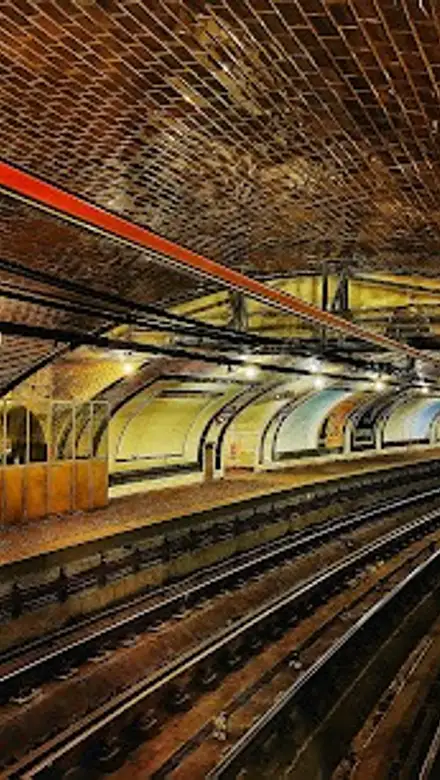
Estación Museo de Chamberí, Madrid Travel Guide
Free Guide: Madrid's preserved 1919 ghost metro station reveals tiled platforms and vintage trains untouched since closure, capturing early 20th-century urban transit in Chamberí's heart.


A brief summary of Estación Museo de Chamberí
Madrid's preserved 1919 ghost metro station reveals tiled platforms and vintage trains untouched since closure, capturing early 20th-century urban transit in Chamberí's heart.
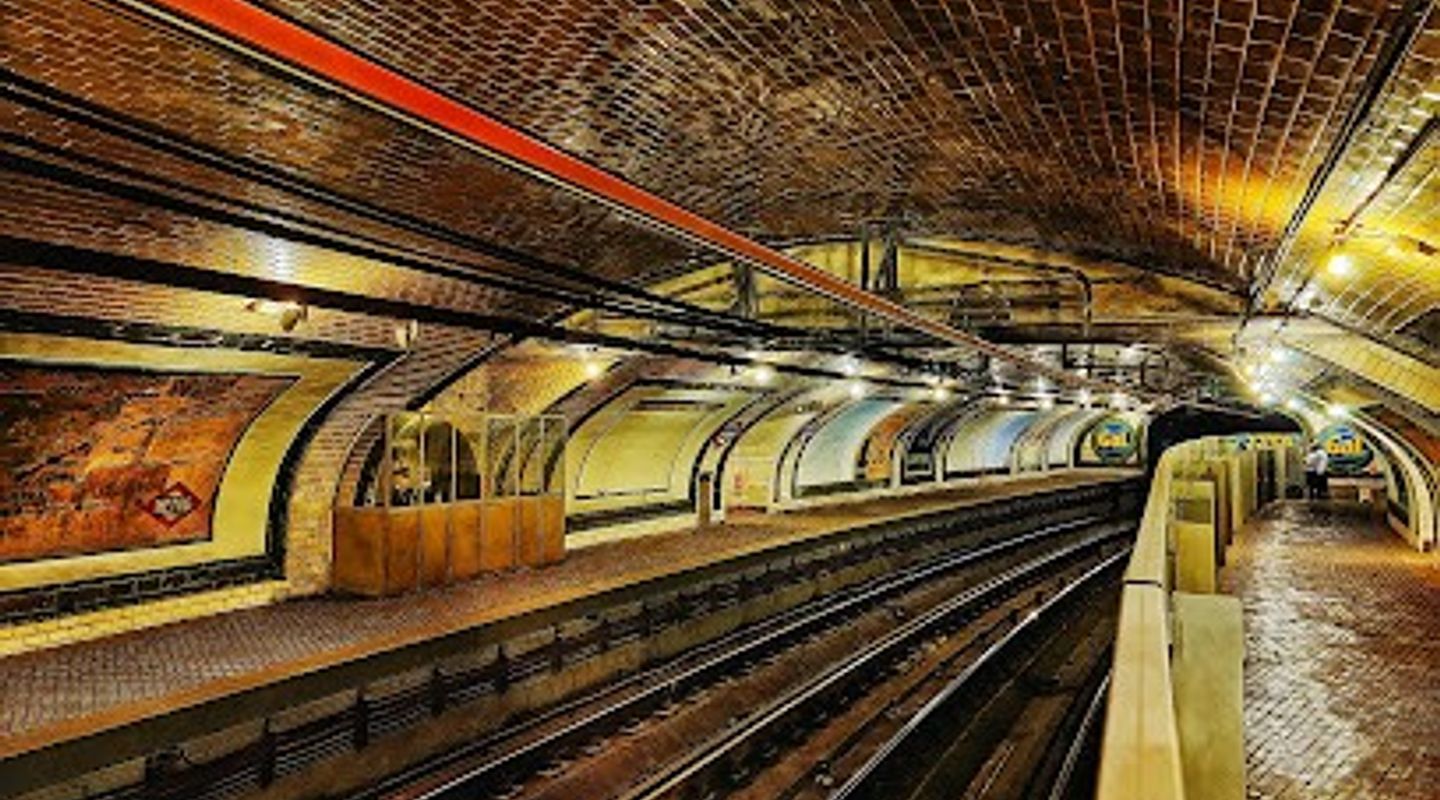
Step into Madrid's Estación Museo de Chamberí, an abandoned 1919 metro station rescued from oblivion and transformed into a captivating museum. Original tiled walls, vintage posters, and period trains evoke early 20th-century travel, offering a rare glimpse into the city's subterranean past amid the bustling Chamberí neighborhood.
On-site amenities
 Restrooms
 Information boards
Opening hours
- MonClosed
- TueClosed
- WedClosed
- ThuClosed
- Fri4 pm–8 pm
- Sat10 am–2 pm, 4 pm–8 pm
- Sun10 am–2 pm
Opening hours as listed on the venue’s Google Business Profile. Hours can change for services and special events, so check with the venue before you go.
- Address
- Plaza de Chamberí, s/n, Chamberí, 28010 Madrid
- Phone
- Website
Getting there
Metro
Bus
Walking
Discover more about Estación Museo de Chamberí
Historical Origins
The Estación Museo de Chamberí began as part of Madrid's first metro line, Line 1, opened in 1919. Designed by architect Antonio Palacios, this station featured the era's signature tiling with playful motifs of children and animals, reflecting the optimism of Spain's burgeoning underground network. Deemed obsolete by 1966 due to its island platform layout incompatible with longer modern trains, it closed without fanfare, sealed off and forgotten beneath Plaza de Chamberí.
Rediscovery and Revival
Decades later, in 2008, Metro de Madrid unearthed the station as part of its centennial celebrations. Preservation efforts revealed pristine azulejos, antique lighting fixtures, and faded advertising posters promoting long-gone products. Carefully restored without altering its authentic decay, the site reopened as a museum, preserving the dust-laden atmosphere of abandonment while installing subtle safety features. Today, it stands as a testament to urban archaeology, where time capsules like this highlight Madrid's layered history.
Architectural Highlights
Visitors enter via a modern staircase descending into the cavernous platform, flanked by cream-colored walls adorned with over 10,000 hand-painted tiles. Motifs include cherubic figures in regional costumes, evoking a bygone era's whimsy. Overhead, original ironwork supports arched ceilings, while glass cases display metro artifacts: brass turnstiles, enamel signs, and a restored 1920s train car. The platform's curve and narrow width underscore why it fell out of use, creating an intimate, almost claustrophobic space that immerses guests in early commuter life.
Atmosphere and Visitor Experience
The vibe is one of quiet reverence, with dim lighting casting long shadows over faded grandeur. Echoes of distant trains remind visitors of the active lines nearby, blending past isolation with present vitality. Self-guided exploration allows lingering over details like scuffed floors worn by phantom footsteps or graffiti from its hidden years. It's a meditative contrast to Madrid's vibrant streets above, appealing to those drawn to industrial heritage and untold stories etched in urban infrastructure.
Cultural Significance
As one of few preserved ghost stations worldwide, Chamberí symbolizes Madrid's adaptive spirit—repurposing relics for public edification. It draws parallels to other European metro museums but stands unique in its untouched authenticity, free of heavy commercialization. For locals, it's nostalgic; for travelers, a portal to Spain's interwar modernization, where public works like the metro propelled the capital into modernity amid political turbulence.
Evendo Review Centre
 Google
Guest reviews
Best time to go
Quietest: Jan, Feb & Mar · before 12pm or at 4pm
Busy times are Evendo estimates for a typical year, to help you plan. Actual crowds vary with events, school holidays and the weather.
Explore Estación Museo de Chamberí on the map
A handpicked selection of must-see spots near Estación Museo de Chamberí, mapped for you.
Get your free copy of our complete guide to Estación Museo de Chamberí, delivered straight to you.
Everything on this page, from opening hours and how to get there to Eve’s tips and the best time to go, in one PDF you can read offline, print or share.
Already have an account? Sign in
Your Estación Museo de Chamberí guide is ready.
We'll send it to · Not you? Sign out

Getting your guide ready…
We are putting together a fresh copy of the Estación Museo de Chamberí guide. This can take up to a minute.
This can take a few moments. If your browser asks, choose Allow so the download can start. You'll find the guide in your Downloads folder.
Nothing happened? Download it again
Sorry, the guide is taking longer than usual. Please try again in a minute, or get it by email instead.
Unlock the best of Estación Museo de Chamberí
Skip-the-line tickets, guided tours with entry, and walking tours of the area, booked in a few clicks.

Other nearby places you may find interesting
The closest places of the same kind, if this one is not quite what you had in mind.
-
-
-
-
-


Swipe for more places
More to explore near Estación Museo de Chamberí
-
 Best experiences near Estación Museo de Chamberí
-
 Best hotels near Estación Museo de Chamberí
-
 Best landmarks near Estación Museo de Chamberí
-
 Best attractions near Estación Museo de Chamberí
-
 Best shops near Estación Museo de Chamberí
-
 Best restaurants near Estación Museo de Chamberí
-
 Best bars near Estación Museo de Chamberí


Do you manage this location?
Take control to get all the benefits, like improved information, better appearance, and stronger visibility across AI-powered discovery.
Explore more

Explore more of Madrid
Discover Madrid: A city of art, culture, and culinary delights, where history and modern vibrancy meet in the heart of Spain.
Explore Madrid
Explore more of Spain
Discover Spain: A vibrant tapestry of culture, history, and breathtaking landscapes, where every city offers a unique adventure and unforgettable experiences.
Explore Spain