
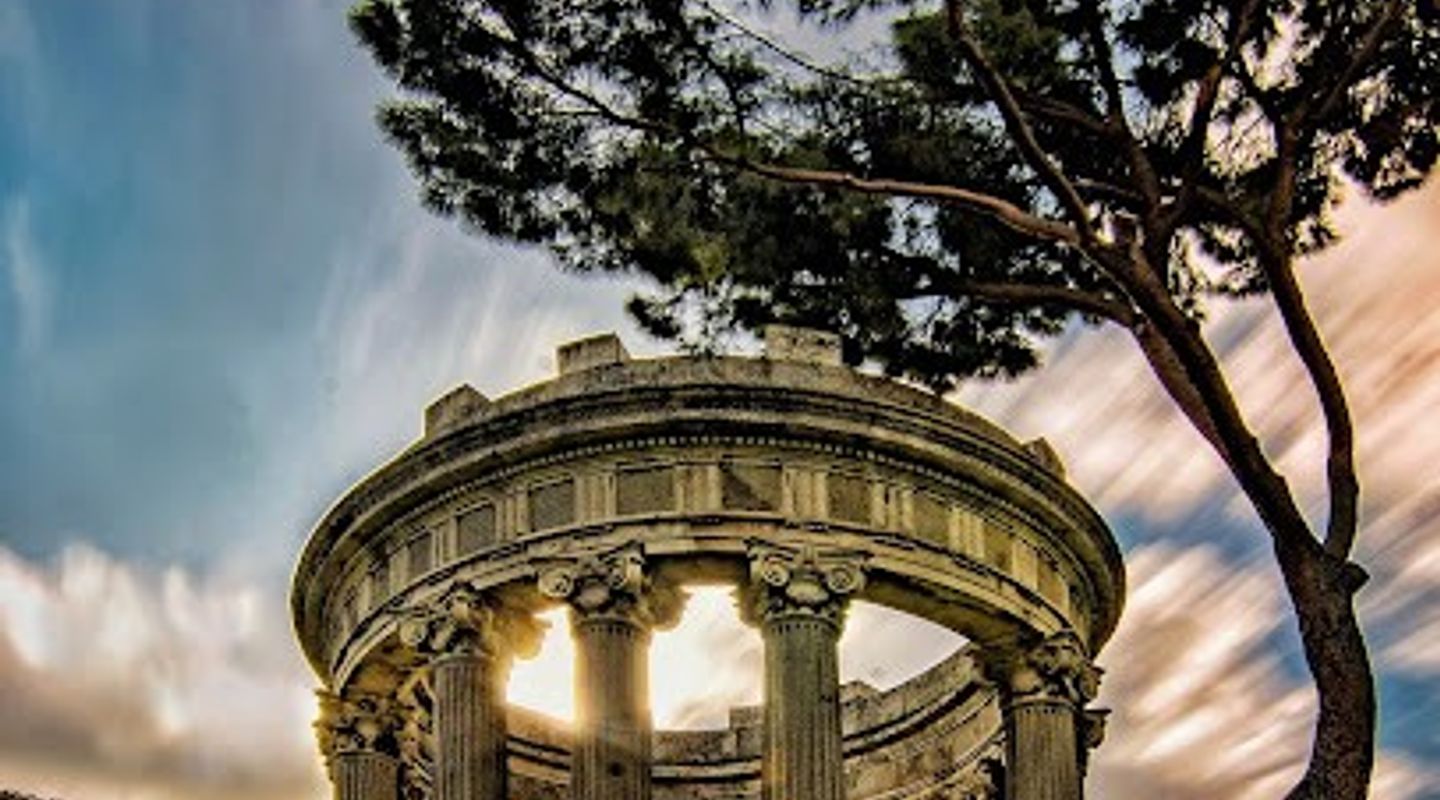
Jardín del Capricho, Madrid Travel Guide
Madrid's 18th-century garden estate fuses French parterres, English lawns and Italian follies in Barajas, revealing duchess-designed temples, mazes and ponds amid ancient trees.
Tucked in Madrid's Barajas district, Jardín del Capricho is an enchanting 18th-century estate blending French, English, and Italian garden styles. Wander neoclassical palaces, labyrinthine hedges, quirky temples, and serene ponds amid lush greenery—a hidden jewel offering tranquility amid the city's buzz. Discover whimsical follies, exotic trees, and romantic paths that whisper tales of aristocratic indulgence. Perfect for a peaceful escape with architectural surprises at every turn.
A brief summary to Jardín del Capricho
- P.º de la Alameda de Osuna, 25, Madrid, Barajas, Madrid, 28042, ES
- Click to display
- Click to display
- Free
-
 Outdoor
- Mobile reception: 5 out of 5
- Saturday 9 am-9 pm
- Sunday 9 am-9 pm

Know before you go
Hi, I'm Eve. Here are a few practical things to know before exploring Jardín del Capricho.
- Visit early morning or late afternoon on weekends to enjoy quieter paths and optimal lighting for photography among the follies and ponds.
- Combine with nearby Barajas Airport viewing spots if flying in, as the garden lies just minutes away for a serene post-flight unwind.
- Wear comfortable shoes for gravel paths and uneven terrain around the maze and lakeside trails.
- Bring water and snacks, as picnic areas invite relaxed enjoyment under the garden's historic trees.
- Guided tours focus on history; book ahead online through official channels for deeper insights into the duchess's legacy.
Do you manage this location?
Take control to get all the benefits, like improved information, better appearance, and stronger visibility across AI-powered discovery. Learn more about listing your business on Evendo
Activate your presenceOther nearby places you may find interesting
The closest places of the same kind, if this one is not quite what you had in mind.




Explore Jardín del Capricho on the Map
A handpicked selection of must-see spots near Jardín del Capricho, mapped for you.
Getting There
-
Metro
Take Line 8 from central stations like Nuevos Ministerios or Colombia to Alameda de Osuna (20-30 min, €1.50-€2), then 10-min walk. Direct and frequent.
-
Bus
Lines 101 or 821 from Plaza de Castilla or airport (25-40 min, €1.50), stop near entrance. Reliable every 15-30 min.
-
Taxi
From city center like Puerta del Sol (20-30 min, €20-30). Quick door-to-door, traffic-dependent.
-
Bicycle
Rent city bikes via BiciMAD from central hubs (30-45 min, €2-3/hour). Scenic ride through Barajas greenways.
For the on-the-go comforts that matter to you
-
 Restrooms
-
 Drink Options
-
 Food Options
-
 Seating Areas
-
 Sheltered Areas
-
 Picnic Areas
-
 Trash Bins
-
 Information Boards
Discover more about Jardín del Capricho
Historical Origins and Aristocratic Legacy
Jardín del Capricho emerged in the late 18th century as the private retreat of María Josefa de la Soledad Álvarez de Toledo, the 12th Duchess of Osuna, and her husband, Pedro de Alcántara Téllez-Girón. Spanning 14 hectares in what was then a rural outpost of Madrid, the garden reflected the couple's passion for Enlightenment-era landscaping. Commissioned around 1780, it drew inspiration from Versailles, showcasing the duchess's intellectual circle that included luminaries like Goya. The estate symbolized opulence and cultural refinement, evolving through French Revolution influences into a uniquely Spanish folly-filled paradise.Diverse Garden Styles and Key Features
The garden masterfully fuses three landscaping traditions: precise French parterres with geometric flowerbeds and fountains near the palace; romantic English lawns dotted with ponds, temples, and a striking alabaster hermitage; and Italianate terraces with sculpted hedges and a baroque palace façade. Standouts include the Palacio de los Duques de Osuna, a neoclassical gem with Doric columns; the enigmatic Temple of Bacchus amid ruins; a vast maze of cypress hedges; and the whimsical Casa de la Vieja, a thatched hut evoking rustic fantasy. Crystal-clear ponds host swans, while century-old trees—cedars, sequoias, and palms—create shaded groves.Architectural Follies and Symbolic Elements
Scattered follies add layers of intrigue: the Doric Temple honors classical antiquity; a Chinese fishpond with pagoda nods to oriental exoticism; and a mineralogy cabinet displays geological curiosities. The duchess's personal touch shines in allegorical statues symbolizing virtues like prudence and temperance, alongside playful hermitages mimicking anchorite dwellings. These structures, blending myth, nature, and artifice, invited contemplation and conversation, embodying 18th-century picturesque ideals where artifice enhances natural beauty.Restoration and Modern Preservation
Neglected after the duchess's death in 1834 and subsequent ownership changes, the garden fell into ruin by the 20th century. Acquired by Madrid's city council in 1974, extensive restorations since the 1990s revived its splendor—clearing overgrowth, reconstructing follies, and replanting period flora. Today, it stands as a protected historic-artistic monument, its paths meticulously maintained to evoke the original vision while adapting to contemporary conservation standards.Atmosphere and Visitor Experience
Visitors step into a timeless bubble of serenity, where birdsong mingles with rustling leaves and distant water features. Pathways wind through sun-dappled glades, revealing surprises like vine-draped arches or secluded benches ideal for quiet reflection. The garden's scale allows unhurried exploration, with seasonal blooms—tulips in spring, roses in summer—enhancing its allure. Its peripheral location preserves an air of seclusion, contrasting Madrid's urban energy with pastoral calm.Cultural Significance in Madrid
As one of Madrid's finest historic gardens, Jardín del Capricho complements Retiro and Sabatini parks but distinguishes itself through intimate scale and aristocratic whimsy. It offers insights into Spanish nobility's cosmopolitan tastes, serving as a living museum of landscape architecture. For travelers, it provides a layered experience: botanical admiration, architectural appreciation, and historical immersion in a setting that feels like stumbling upon a secret estate.












Your all‑in‑one travel companion app
Explore expert travel guides, compare and book tours, experiences, hotels, and more—all from the palm of your hand. Download now for seamless trip planning wherever your wanderlust takes you.


Explore More of Madrid

Looking beyond Jardín del Capricho? Discover Madrid for broader travel guides, local hot-spots, and regional highlights.
Explore Madrid
Claudio Coello's luxury hotel landmark anchors Salamanca's golden mile, blending modern elegance with Madrid's elite shopping arteries and wide avenues of high fashion.
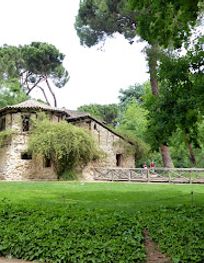
Explore the historic Casa de la Vieja in Barajas, Madrid – a hidden gem showcasing traditional Spanish architecture and rich local culture.
