Museo de America, Madrid Travel Guide
Trace 500 years of American heritage through gold idols, colonial portraits, and Andean textiles in Madrid's neoclassical trove of transatlantic history.
Housed in a grand neoclassical palace, the Museo de América unveils centuries of transatlantic exchange through exquisite artifacts, from pre-Columbian goldwork to colonial masterpieces. Explore vivid murals depicting indigenous life, intricate textiles, and rare manuscripts that bridge continents and eras in Madrid's cultural heart.
A brief summary to Museo de America
- Av. de los Reyes Católicos, 6, Madrid, Moncloa - Aravaca, Madrid, 28040, ES
- Click to display
- Click to display
- Budget
-
 Indoor
- Mobile reception: 5 out of 5
- Tuesday 9:30 am-3 pm
- Wednesday 9:30 am-3 pm
- Thursday 9:30 am-7 pm
- Friday 9:30 am-3 pm
- Saturday 9:30 am-3 pm
- Sunday 10 am-3 pm

Know before you go
Hi, I'm Eve. Here are a few practical things to know before exploring Museo de America.
- Allocate time for the permanent collection's chronological flow, starting with pre-Columbian rooms to grasp cultural contexts before colonial overlays.
- Examine ceiling frescoes from below with a wide-angle lens; their allegorical scenes enrich artifact narratives.
- Visit Thursday afternoons for extended access to upper floors housing fine arts and textiles.
- Combine with nearby university area strolls for a full Moncloa cultural immersion.
Do you manage this location?
Take control to get all the benefits, like improved information, better appearance, and stronger visibility across AI-powered discovery. Learn more about listing your business on Evendo
Activate your presenceOther nearby places you may find interesting
The closest places of the same kind, if this one is not quite what you had in mind.
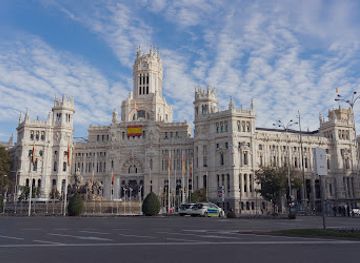
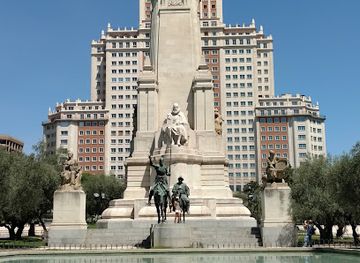
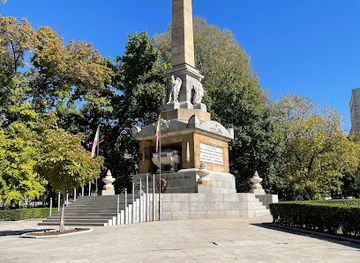
Explore Museo de America on the Map
A handpicked selection of must-see spots near Museo de America, mapped for you.
Getting There
-
Metro
Take Line 6 to Moncloa station (10-15 min from Sol), then 5-min walk northwest; €1.50-2 single ticket.
-
Bus
Lines 46 or 160 from Atocha/Príncipe Pío to Moncloa (15-20 min); €1.50, frequent service.
-
Taxi
15-min ride from Puerta del Sol; €10-15 depending on traffic.
-
Walking
From Plaza de España, 25-min uphill walk via university paths; free, scenic route.
For the on-the-go comforts that matter to you
-
 Restrooms
-
 Drink Options
-
 Food Options
-
 Seating Areas
-
 Sheltered Areas
-
 Information Boards
-
 Visitor Center
Discover more about Museo de America
Architectural Legacy and Institutional Foundations
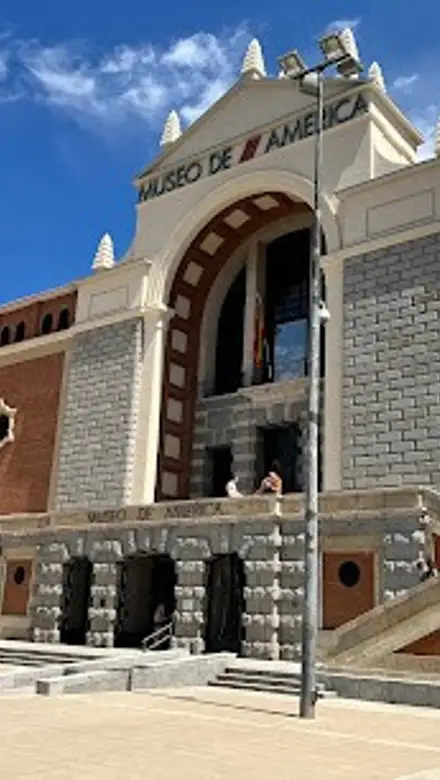
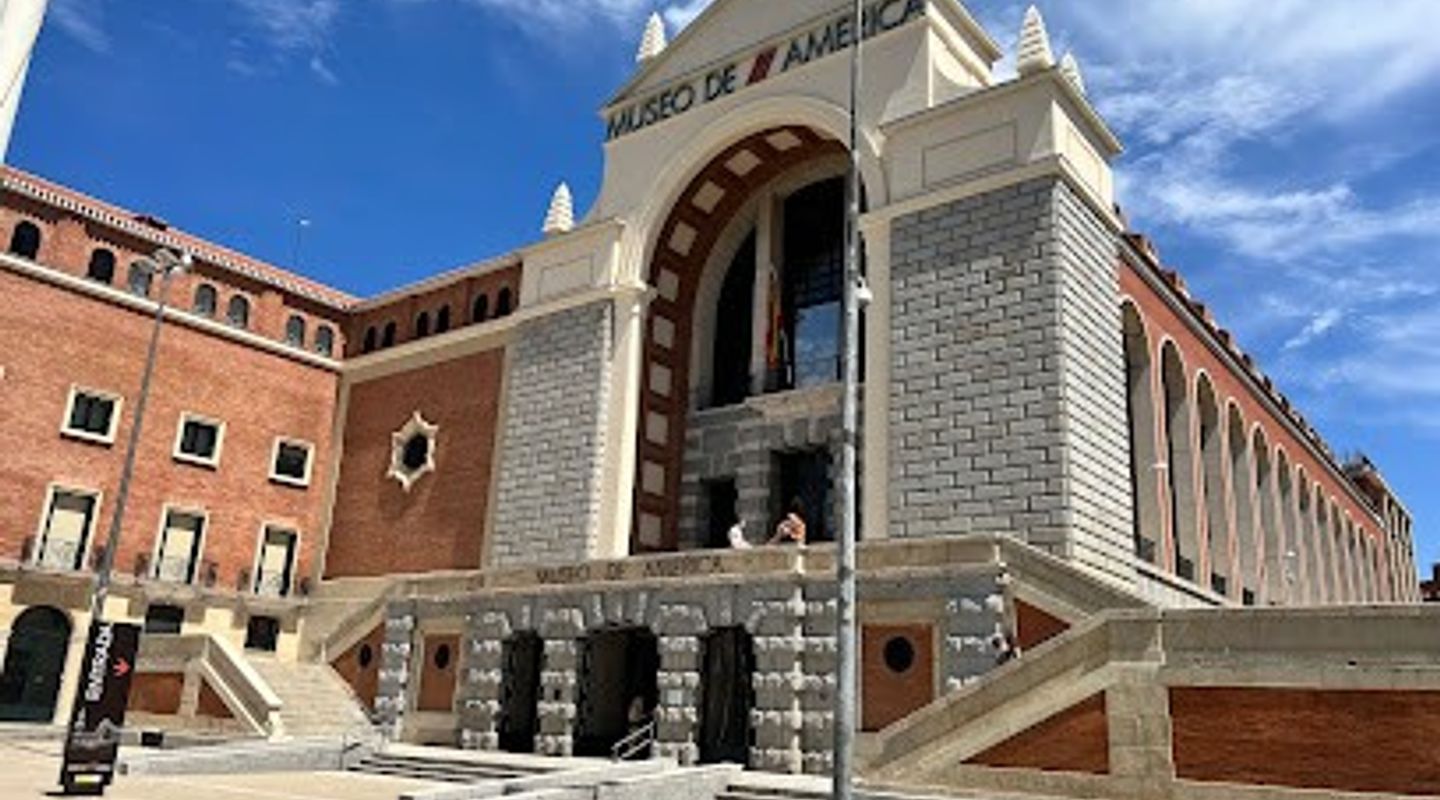
The Museo de América occupies a majestic neoclassical building originally designed as the Hospital de San Fernando in the late 18th century, later repurposed to showcase Spain's vast American collections. Its imposing facade and elegant interiors reflect the era's grandeur, providing a fitting stage for artifacts gathered during centuries of exploration and colonial rule. Permanent displays span archaeology, ethnography, and fine arts, offering a comprehensive narrative of the Americas from ancient civilizations to modern independence movements.Pre-Columbian Marvels
Step into rooms filled with gold ornaments, ceramic vessels, and stone sculptures from Mesoamerica and the Andes. Intricate Aztec calendars, Mayan stelae, and Inca quipus highlight sophisticated societies predating European contact. These pieces, many excavated from major sites, reveal advanced metallurgy, astronomy, and artistry that rivaled Old World achievements, challenging simplistic colonial narratives.Colonial Encounters and Artistic Fusion
The colonial era galleries feature paintings, silverwork, and furniture blending European techniques with indigenous motifs. Life-size casta paintings depict racial mixtures in New Spain, while religious art shows syncretic influences—Virgins adorned with feathers, saints carved in tropical woods. Furniture from viceregal palaces and navigational instruments underscore the logistical feats of empire-building across oceans.Ethnographic Insights into Daily Life
Textiles, jewelry, and tools from Amazonian tribes to North American plains peoples illustrate diverse lifestyles and spiritual beliefs. Featherwork headdresses, woven ponchos, and totem-inspired carvings capture cultural resilience amid colonization. Rotating exhibits often delve into music, dance masks, and oral traditions preserved through Spanish chronicles and indigenous resilience.19th-Century Independence and Beyond
Later sections trace liberation wars with portraits of liberators like Bolívar and San Martín, alongside flags, weapons, and documents. Post-independence art reflects emerging national identities, with landscapes and portraits marking the shift from colony to republic. The museum's scope ends with 19th-century exchanges, emphasizing enduring cultural ties between Spain and its former territories.Immersive Murals and Scholarly Depth
Ceiling frescoes by Giovanni Battista Tiépolo depict allegories of discovery, enveloping visitors in baroque splendor. Scholarly labels provide context on provenance, cultural significance, and repatriation debates, encouraging critical reflection on imperialism's legacy. The collection's scale—over 30,000 items—ensures repeated visits reveal new layers of history.












Your all‑in‑one travel companion app
Explore expert travel guides, compare and book tours, experiences, hotels, and more—all from the palm of your hand. Download now for seamless trip planning wherever your wanderlust takes you.


Explore More of Madrid
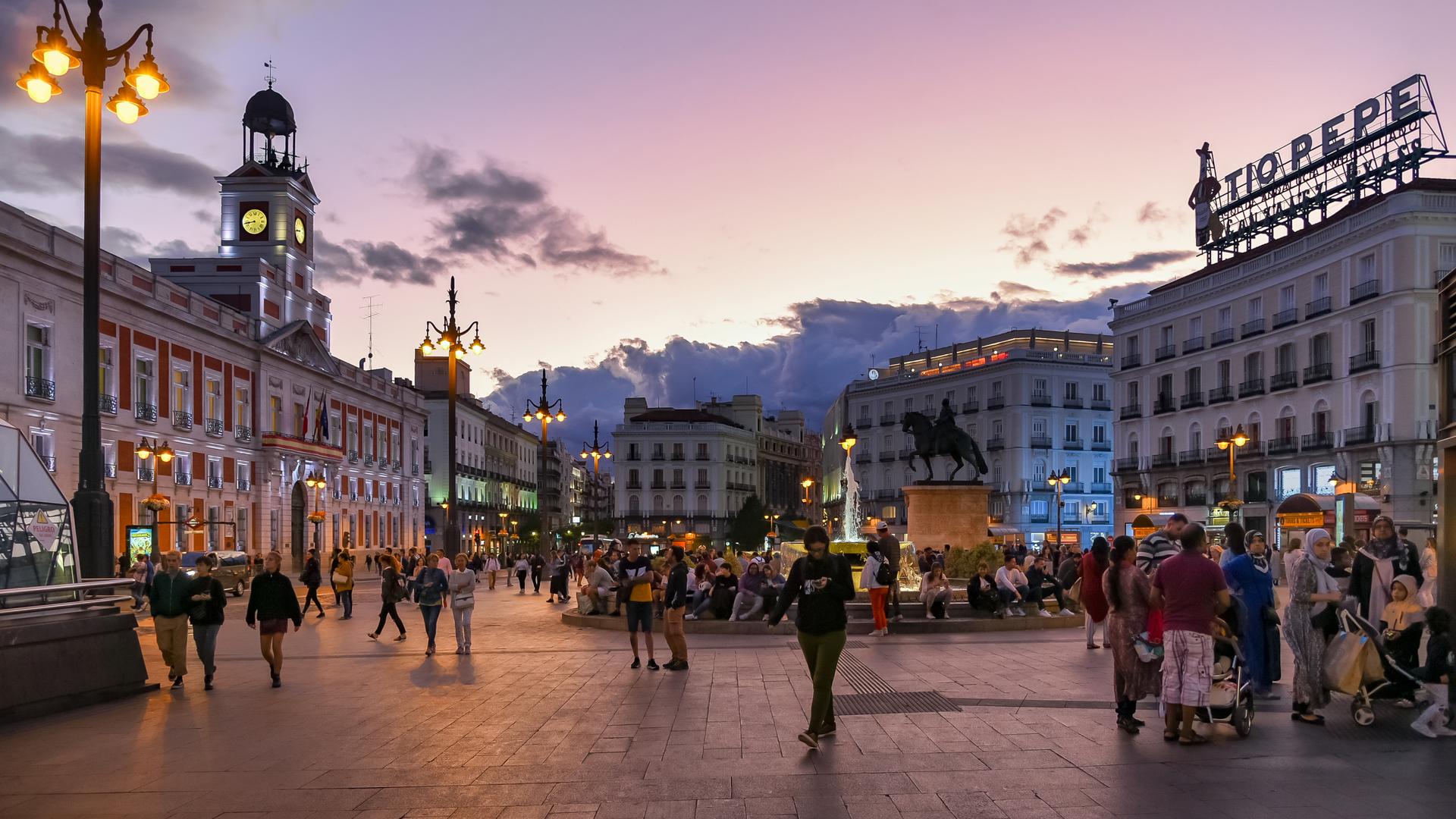
Looking beyond Museo de America? Discover Madrid for broader travel guides, local hot-spots, and regional highlights.
Explore Madrid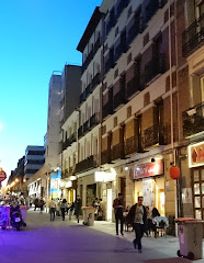
Explore the Paseo de la Fama de Madrid, a tribute to cinema's legends in the heart of Spain's vibrant capital, perfect for photos and cultural immersion.
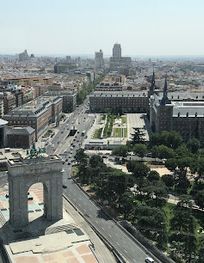
Experience the breathtaking views of Madrid from Moncloa's Lighthouse, a must-see landmark that offers stunning panoramas of Spain’s vibrant capital.