Queen Victoria Bridge, Madrid Travel Guide
Free Guide: Iron lattice spans Manzanares in Casa de Campo, linking Madrid's verdant parklands with panoramic river views and historic British-Spanish craftsmanship.


A brief summary of Queen Victoria Bridge
Iron lattice spans Manzanares in Casa de Campo, linking Madrid's verdant parklands with panoramic river views and historic British-Spanish craftsmanship.
Elegant iron bridge spanning the Manzanares River in Madrid's Casa de Campo park, offering sweeping city views and a serene pedestrian walkway amid lush greenery. Built in 1917, this historic structure blends British engineering with Spanish landscape, perfect for leisurely strolls and photography.
On-site amenities
 Seating areas
 Trash bins
 Information boards
Opening hours
- Every day12 am–12 am
Opening hours as listed on the venue’s Google Business Profile. Hours can change for services and special events, so check with the venue before you go.
- Address
- Puente de la Reina Victoria, Moncloa - Aravaca, 28008 Madrid
Getting there
Metro
Bus
Bicycle
Walking
Discover more about Queen Victoria Bridge
Historical Origins
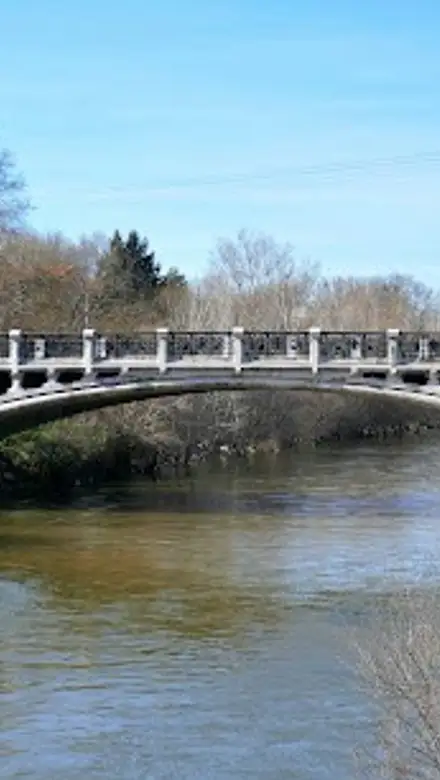
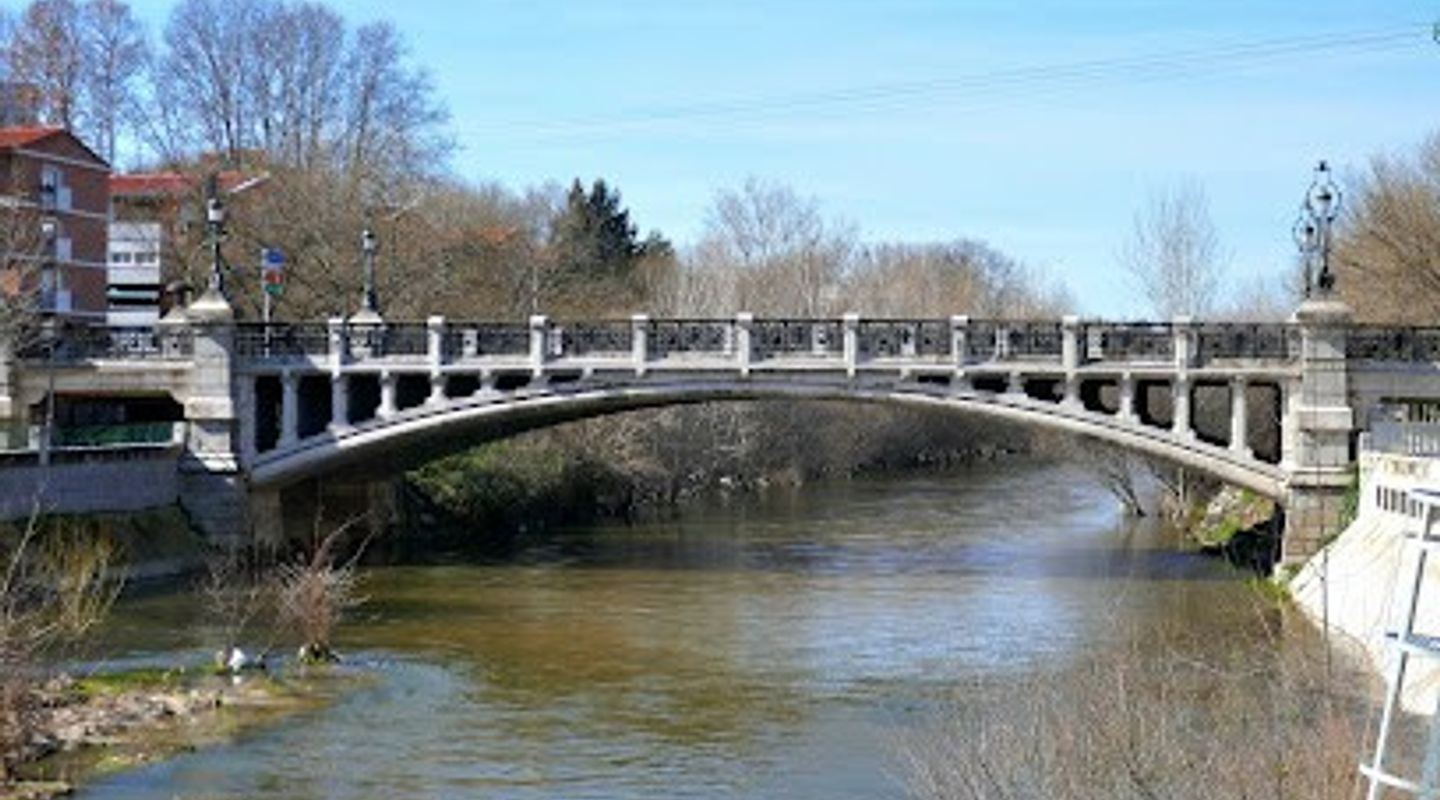
The Queen Victoria Bridge, known locally as Puente de la Reina Victoria, stands as a testament to early 20th-century engineering across the Manzanares River in Madrid's expansive Casa de Campo park. Constructed in 1917 by British engineers from the firm of Westwood & Company, it honors Queen Victoria of the United Kingdom, reflecting the diplomatic ties between Britain and Spain during that era. Its iron lattice design, painted in a distinctive green hue, evokes the industrial elegance of Victorian-era architecture while serving as a vital link within the city's largest green space.
Architectural Features
This single-span arch bridge measures approximately 120 meters in length, with ornate ironwork detailing the railings and supports that provide both structural integrity and aesthetic appeal. Pedestrian pathways flank the central roadway, allowing visitors to cross safely while admiring the river below and the forested surroundings. The structure's elevated position offers unobstructed panoramas of the Casa de Campo's woodlands and distant Madrid skyline, making it a favored spot for contemplation and casual exploration.
Surrounding Environment
Nestled within the 1,722-hectare Casa de Campo, Europe's second-largest urban park after London's Hyde Park, the bridge integrates seamlessly into a landscape of dense pine and oak forests, cycling paths, and recreational areas. The Manzanares River flows gently beneath, its banks lined with vegetation that attracts birds and provides a natural corridor. Proximity to landmarks like the Madrid Cable Car and Teleférico enhances its role as a gateway to outdoor pursuits in this former royal hunting ground turned public oasis.
Cultural and Social Significance
Over the decades, the bridge has become an integral part of Madrid's urban fabric, symbolizing the city's blend of history and modernity. It draws locals and tourists alike for its photogenic qualities, especially at dusk when lights illuminate the iron framework against the twilight sky. Cyclists, joggers, and families frequent the area, contributing to a vibrant yet relaxed atmosphere that underscores Madrid's commitment to accessible green spaces amid its bustling metropolitan life.
Visitor Experience
Crossing the bridge delivers a sensory journey: the subtle creak of iron underfoot, the rustle of leaves in the breeze, and the fresh scent of river-adjacent foliage. It serves as an ideal pause point during park explorations, inviting reflection on Madrid's layered past—from royal estates to democratic public realms. Whether part of a bike ride, picnic outing, or architectural tour, the bridge encapsulates the effortless charm of discovering Madrid's hidden infrastructural gems.
Evendo Review Centre
 Google
Guest reviews
Best time to go
Quietest: Jan, Feb & Mar · before 3am
Busy times are Evendo estimates for a typical year, to help you plan. Actual crowds vary with events, school holidays and the weather.
Explore Queen Victoria Bridge on the map
A handpicked selection of must-see spots near Queen Victoria Bridge, mapped for you.
Get your free copy of our complete guide to Queen Victoria Bridge, delivered straight to you.
Everything on this page, from opening hours and how to get there to Eve’s tips and the best time to go, in one PDF you can read offline, print or share.
Already have an account? Sign in
Your Queen Victoria Bridge guide is ready.
We'll send it to · Not you? Sign out

Getting your guide ready…
We are putting together a fresh copy of the Queen Victoria Bridge guide. This can take up to a minute.
This can take a few moments. If your browser asks, choose Allow so the download can start. You'll find the guide in your Downloads folder.
Nothing happened? Download it again
Sorry, the guide is taking longer than usual. Please try again in a minute, or get it by email instead.
Other nearby places you may find interesting
The closest places of the same kind, if this one is not quite what you had in mind.
-
Plaza Mayor Madrid's 17th-century plaza where Habsburg brick arcades enclose markets, performers, and royal statues in a vibrant rectangle of Spanish urban history.
-
Royal Palace of Madrid Europe's grandest royal residence commands Madrid's skyline with 3,418 rooms of Baroque splendor, armories of ancient steel, and gardens echoing Versailles amid the city's vibrant pulse.
-
Cibeles Fountain Cybele's marble chariot commands Plaza Cibeles, where cascading waters meet Madrid's bustling arteries in a timeless display of neoclassical power and urban vitality.
-
Plaza de España Madrid's colossal Plaza de España fuses Cervantes monument, provincial mosaics and twin skyscrapers into a vast open stage where urban grandeur meets daily spectacle.
-
Monumento a los Caídos por España Granite sentinel in Retiro Park salutes Spain's wartime sacrifices with Blay's masterful equestrian bronze, anchoring Madrid's green heart in heroic legacy.
Swipe for more places
More to explore near Queen Victoria Bridge

 Best experiences near Queen Victoria Bridge
 Best hotels near Queen Victoria Bridge
 Best landmarks near Queen Victoria Bridge
 Best attractions near Queen Victoria Bridge
 Best shops near Queen Victoria Bridge
 Best restaurants near Queen Victoria Bridge
 Best bars near Queen Victoria Bridge
Do you manage this location?
Take control to get all the benefits, like improved information, better appearance, and stronger visibility across AI-powered discovery.
Explore more

Explore more of Madrid
Discover Madrid: A city of art, culture, and culinary delights, where history and modern vibrancy meet in the heart of Spain.
Explore Madrid
Explore more of Spain
Discover Spain: A vibrant tapestry of culture, history, and breathtaking landscapes, where every city offers a unique adventure and unforgettable experiences.
Explore Spain