

Sabatini Garden, Madrid Travel Guide
Neoclassical precision meets royal splendor in Madrid's Sabatini Gardens, where geometric parterres, fountain cascades, and palace vistas craft an enduring public promenade of sculpted serenity.
Elegant 18th-century gardens fronting the Palacio Real, featuring symmetrical parterres, grand fountains, and sculpted statues amid manicured lawns and shaded promenades. A serene retreat in central Madrid offering panoramic palace views and timeless Spanish landscaping artistry.
A brief summary to Sabatini Garden
- C. de Bailén, 2, Madrid, Centro, Madrid, 28013, ES
- Click to display
- Click to display
- Free
-
 Outdoor
- Mobile reception: 5 out of 5
- Monday 9 am-10 pm
- Tuesday 9 am-10 pm
- Wednesday 9 am-10 pm
- Thursday 9 am-10 pm
- Friday 9 am-10 pm
- Saturday 9 am-10 pm
- Sunday 9 am-10 pm

Know before you go
Hi, I'm Eve. Here are a few practical things to know before exploring Sabatini Garden.
- Visit at dusk when palace lights illuminate the fountains, enhancing the neoclassical drama without crowds.
- Combine with Palacio Real entry for a full royal experience, entering via adjacent gates to minimize walking.
- Seek out the lower terraces for quieter reflection amid cascades and kingly busts, away from main paths.
- Bring a sketchbook; the symmetrical layouts and statue groupings inspire classical drawing sessions.
Do you manage this location?
Take control to get all the benefits, like improved information, better appearance, and stronger visibility across AI-powered discovery. Learn more about listing your business on Evendo
Activate your presenceOther nearby places you may find interesting
The closest places of the same kind, if this one is not quite what you had in mind.
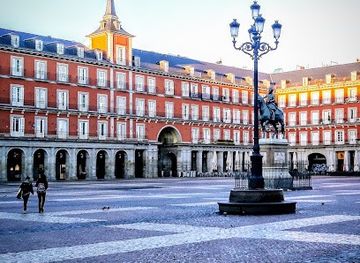




Explore Sabatini Garden on the Map
A handpicked selection of must-see spots near Sabatini Garden, mapped for you.
Unlock the Best of Sabatini Garden
Buy tickets
-
No tickets available
Book tours with entry


Getting There
-
Walking
From Sol center, 15-minute walk west along Calle Mayor then Bailén; direct, free, no constraints.
-
Metro
Metro Line 2 to Ópera station, 5-minute walk; €1.50-2 ticket, frequent service every 3-5 minutes.
-
Bus
Bus lines 25 or 39 from Sol to Bailén stop; 10 minutes, €1.50 fare, runs every 10 minutes.
For the on-the-go comforts that matter to you
-
 Restrooms
-
 Drinking Water
-
 Seating Areas
-
 Sheltered Areas
-
 Trash Bins
-
 Information Boards
Discover more about Sabatini Garden
Historical Origins and Design
The Sabatini Gardens were laid out in the late 18th century as part of an ambitious urban project to beautify the area around the newly completed Royal Palace. Designed by Italian architect Francesco Sabatini, who also contributed to the palace's interiors, these gardens reflect neoclassical principles with their rigid geometry and balanced proportions. Originally intended as a formal forecourt, the space evolved into public gardens after the monarchy's relocation, preserving Sabatini's vision of ordered elegance amid Madrid's bustling core.Layout and Key Features
Spanning over 12 hectares, the gardens unfold in terraced levels descending from Calle de Bailén. At the upper level, precise parterre beds form intricate knot patterns filled with clipped boxwood and seasonal blooms. Central ponds flanked by allegorical statues—representing concepts like justice and prudence—serve as focal points, their waters reflecting the overarching stone arches. Descending pathways lined with marble busts of Spanish kings lead to lower ponds and cascades, where Neptune statues command aquatic scenes. Towering trees provide dappled shade over gravel walks, inviting leisurely circuits.Architectural Highlights
Dominating the skyline is the Palacio Real, its pale facade a dramatic backdrop that underscores the gardens' role as an extension of royal grandeur. Sabatini's neoclassical porticos frame the space, blending seamlessly with the palace's scale. Sculptural ensembles, crafted by prominent artists of the era, dot the grounds: heroic figures on plinths and mythological groups that evoke the Enlightenment ideals of reason and harmony. The overall composition masterfully integrates landscape, sculpture, and architecture into a cohesive tableau.Atmosphere and Visitor Experience
A palpable tranquility pervades the gardens, contrasting sharply with the adjacent urban energy. Mornings bring joggers and locals strolling the perimeter, while afternoons draw families picnicking on lawns. Evenings transform the space with golden light bathing the statues, creating elongated shadows perfect for contemplation. The air carries scents of jasmine and citrus from ornamental plantings, mingled with the faint splash of fountains. Benches under pergolas offer spots to absorb the layered vistas, from intimate garden vignettes to sweeping palace panoramas.Cultural Significance
Beyond aesthetics, the gardens embody Madrid's layered history, bridging Bourbon monarchy with democratic public access. They host seasonal events like outdoor concerts, reinforcing their status as a living cultural asset. As a counterpoint to the nearby Almudena Cathedral and opera house, Sabatini Gardens anchor the city's western monumental axis, inviting reflection on Spain's architectural evolution from absolutism to modernity.












Your all‑in‑one travel companion app
Explore expert travel guides, compare and book tours, experiences, hotels, and more—all from the palm of your hand. Download now for seamless trip planning wherever your wanderlust takes you.


Explore More of Madrid
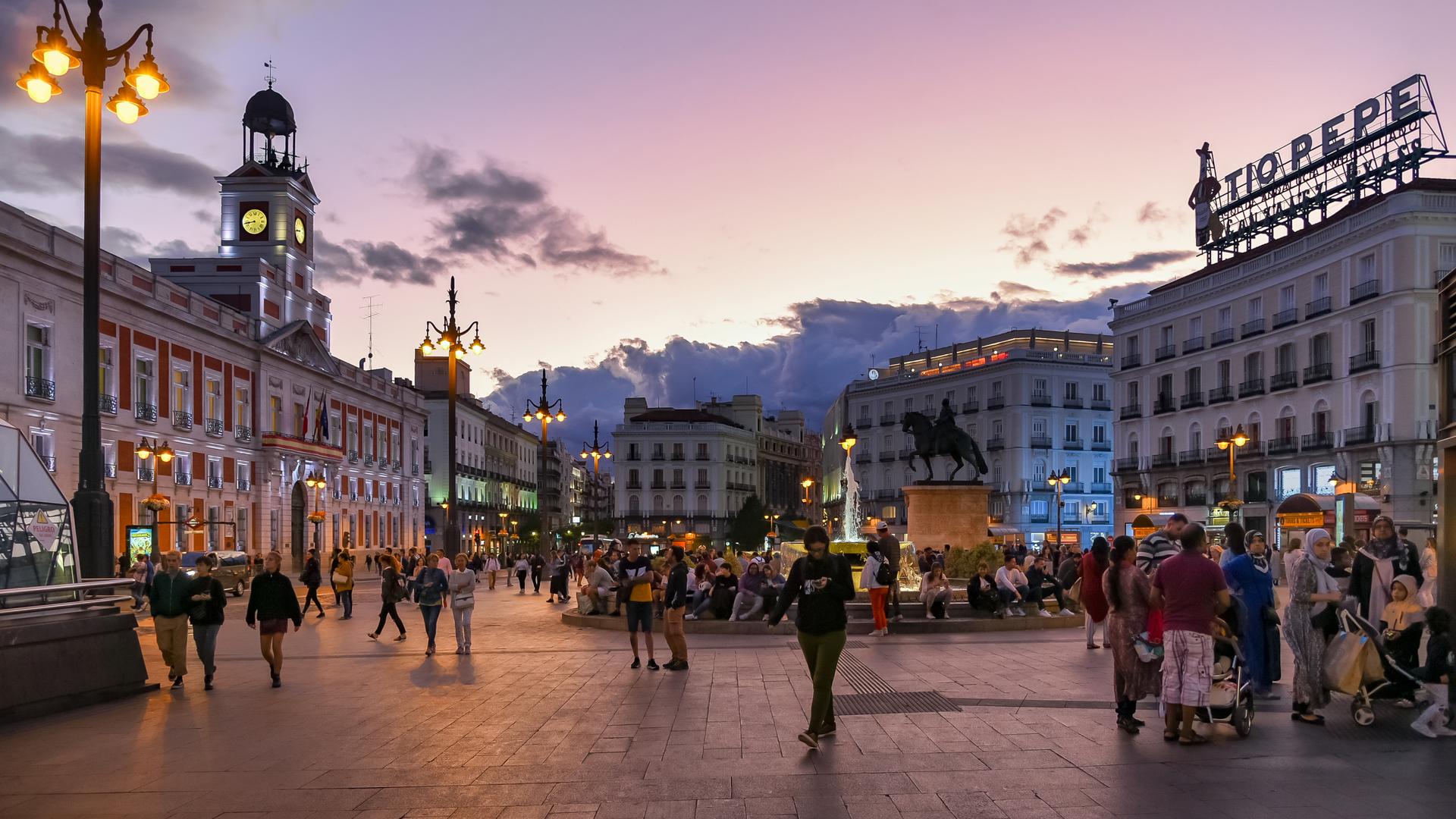
Looking beyond Sabatini Garden? Discover Madrid for broader travel guides, local hot-spots, and regional highlights.
Explore Madrid
Discover the Royal Palace of Madrid, a stunning historical landmark that showcases Spain's royal heritage and architectural beauty amidst the vibrant heart of Madrid.

Explore the Historical Walls of Madrid, a captivating landmark that reveals the city's storied past and architectural beauty.
