Second Monastery of the Visitación, Madrid Travel Guide
Free Guide: Madrid's cloistered Salesian retreat on Calle de San Bernardo, where 18th-century Baroque arches frame contemplative courtyards and chapel serenity in the Centro district's historic core.


A brief summary of Second Monastery of the Visitación
Madrid's cloistered Salesian retreat on Calle de San Bernardo, where 18th-century Baroque arches frame contemplative courtyards and chapel serenity in the Centro district's historic core.
Tucked along Calle de San Bernardo in Madrid's vibrant Centro district, the Second Monastery of the Visitación stands as a serene 18th-century gem of Salesian heritage. This historic monastery invites visitors to explore its cloistered courtyards, ornate chapels, and quiet architectural beauty amid the city's bustling heart. With a legacy tied to the Visitandine order, it offers a peaceful retreat reflecting Madrid's rich monastic tradition and spiritual depth.
On-site amenities
 Restrooms
 Seating areas
 Sheltered areas
 Information boards
Opening hours
- Mon9:30 am–5:30 pm
- Tue9:30 am–5:30 pm
- Wed9:30 am–5:30 pm
- Thu9:30 am–5:30 pm
- Fri9:30 am–5:30 pm
- SatClosed
- Sun11:30 am–12:30 pm
Opening hours as listed on the venue’s Google Business Profile. Hours can change for services and special events, so check with the venue before you go.
- Address
- C. de San Bernardo, 72, Centro, 28015 Madrid
- Phone
Getting there
Metro
Bus
Walking
Taxi
Discover more about Second Monastery of the Visitación
Historical Foundations
The Second Monastery of the Visitación, also known as the Segundo Monasterio Salesas de la Visitación, traces its origins to the 18th century when the Visitandine nuns, followers of the Salesian order founded by St. Francis de Sales and St. Jane Frances de Chantal, established a presence in Madrid. Constructed in the mid-1700s, it emerged as a key site for contemplative life, embodying the order's emphasis on humility, gentleness, and devotion. Positioned on Calle de San Bernardo in the Centro district, it became a spiritual anchor during a period when Madrid was expanding its religious institutions amid royal patronage and urban growth.
Architectural Splendor
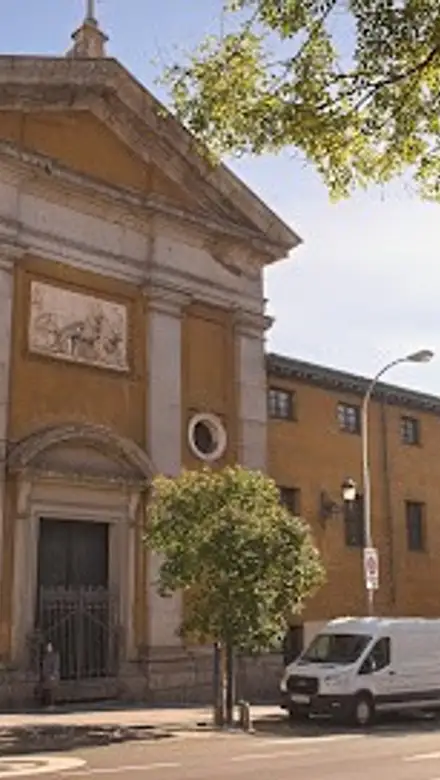
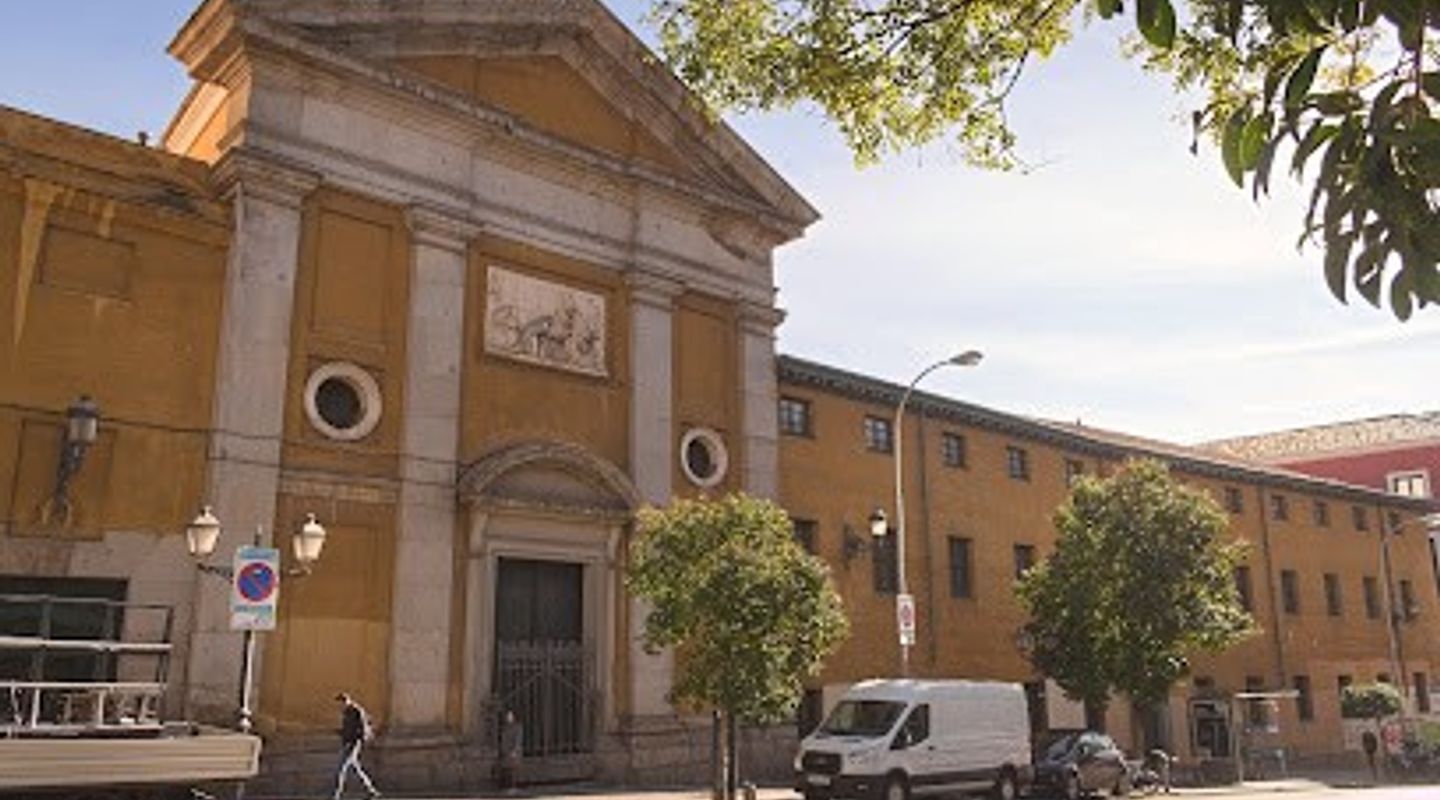
Baroque influences define the monastery's facade and interiors, featuring restrained yet elegant stonework typical of Madrid's monastic architecture. The cloister reveals harmonious proportions with arched walkways surrounding a central garden, where sunlight filters through to create tranquil shadows. Inside, the chapel boasts intricate altarpieces, frescoed ceilings, and wooden choir stalls carved with devotional motifs. These elements showcase craftsmanship from the era, blending functionality with subtle opulence that speaks to the nuns' vows of simplicity.
Spiritual Atmosphere
Stepping into the monastery transports visitors to a realm of quiet introspection. The air carries faint echoes of Gregorian chants from daily offices, while the scent of aged wood and blooming courtyard flowers mingles with candle wax. Sunlight streams through high windows, illuminating marble floors worn smooth by centuries of footsteps. This atmosphere fosters a sense of timeless peace, ideal for contemplation amid Madrid's urban rhythm, evoking the Salesian charism of interior prayer and gentle charity.
Cultural Significance
Beyond its religious role, the monastery has witnessed Madrid's historical upheavals, including the Napoleonic invasions and the Spanish Civil War, when many convents faced suppression. Post-restoration, it symbolizes resilience in preserving Catholic heritage. Today, it stands as a lesser-visited landmark, offering insights into the Visitandine way of life—marked by enclosure, perpetual adoration, and service to the poor through prayer. Its location near major cultural hubs enhances its appeal for those tracing Madrid's ecclesiastical tapestry.
Visitor Experience
Wander the accessible public areas to appreciate the harmonious blend of open spaces and enclosed sanctity. The courtyard serves as a focal point for quiet reflection, with benches inviting pauses to observe architectural details or seasonal plantings. Occasional guided glimpses into monastic routines reveal the enduring rhythm of prayer bells and vespers. For history enthusiasts, the site connects to broader narratives of female religious orders in Spain, providing a nuanced view of spiritual life in the Enlightenment era.
Modern Context
In contemporary Madrid, the monastery remains an active community, balancing tradition with subtle adaptation. Its central position facilitates easy integration into walking tours of the area's neoclassical buildings and royal convents. Visitors encounter a living heritage site where past and present intersect, offering respite from nearby theaters, markets, and boulevards. The unhurried pace encourages deeper engagement with Madrid's layered identity as a city of faith, art, and resilience.
Evendo Review Centre
 Google
Guest reviews
Best time to go
Quietest: Jan, Feb & Mar · before 11am or at 4pm
Busy times are Evendo estimates for a typical year, to help you plan. Actual crowds vary with events, school holidays and the weather.
Explore Second Monastery of the Visitación on the map
A handpicked selection of must-see spots near Second Monastery of the Visitación, mapped for you.
Get your free copy of our complete guide to Second Monastery of the Visitación, delivered straight to you.
Everything on this page, from opening hours and how to get there to Eve’s tips and the best time to go, in one PDF you can read offline, print or share.
Already have an account? Sign in
Your Second Monastery of the Visitación guide is ready.
We'll send it to · Not you? Sign out

Getting your guide ready…
We are putting together a fresh copy of the Second Monastery of the Visitación guide. This can take up to a minute.
This can take a few moments. If your browser asks, choose Allow so the download can start. You'll find the guide in your Downloads folder.
Nothing happened? Download it again
Sorry, the guide is taking longer than usual. Please try again in a minute, or get it by email instead.
Other nearby places you may find interesting
The closest places of the same kind, if this one is not quite what you had in mind.
-
-
-
-
-


Swipe for more places
More to explore near Second Monastery of the Visitación
-
 Best experiences near Second Monastery of the Visitación
-
 Best hotels near Second Monastery of the Visitación
-
 Best landmarks near Second Monastery of the Visitación
-
 Best attractions near Second Monastery of the Visitación
-
 Best shops near Second Monastery of the Visitación
-
 Best restaurants near Second Monastery of the Visitación
-
 Best bars near Second Monastery of the Visitación


Do you manage this location?
Take control to get all the benefits, like improved information, better appearance, and stronger visibility across AI-powered discovery.
Explore more

Explore more of Madrid
Discover Madrid: A city of art, culture, and culinary delights, where history and modern vibrancy meet in the heart of Spain.
Explore Madrid
Explore more of Spain
Discover Spain: A vibrant tapestry of culture, history, and breathtaking landscapes, where every city offers a unique adventure and unforgettable experiences.
Explore Spain