

El Palo (Málaga) Travel Guide - Free
Explore El Palo in Málaga with Evendo's free guide. Find the best shops, historic streets, restaurants, and gems on web or mobile.


El Palo, Málaga’s old fishing quarter, combines beaches, espetos, seafood bars, local markets and a relaxed seafront close to the city centre.
A Fishing Neighbourhood by the Sea
El Palo stretches along Málaga’s eastern shoreline, a former fishing community whose identity remains closely tied to the Mediterranean. Its main artery, Avenida Juan Sebastián Elcano, runs parallel to the coast, while older residential lanes lead towards beaches, small squares and the working traces of the waterfront. The area feels distinct from Málaga’s historic centre: less monumental, more local, and shaped by daily routines of shopping, school, conversation and meals shared beside the sea.Read more about El Palo
Beaches, Boats and Everyday Life
Local Character and Cultural Memory
Best attractions in El Palo
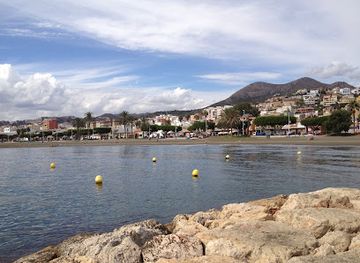
El Palo’s attractions are closely connected to the coast and to the pleasures of observing ordinary neighbourhood life. Playa de El Palo and the adjoining beaches provide space for swimming, walking and cycling, while the promenade offers broad views across Málaga Bay and towards the Montes de Málaga. The Mercado Municipal de El Palo is a useful stop for seeing the district’s food culture in practical form, especially its relationship with fish, seafood and fresh produce. Inland, the Iglesia de Nuestra Señora de las Angustias and the surrounding residential streets offer a quieter sense of the community’s history. The chief experience is culinary and atmospheric rather than monumental: visitors can watch espeto cooking beside the shore, follow the coastal route towards neighbouring Pedregalejo, and notice the surviving contrast between low-rise homes, busy Avenida Juan Sebastián Elcano and the open Mediterranean.
-
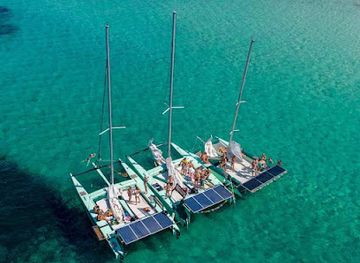
La Bella Verde Electric Catamarans
Explore Málaga's stunning coastline with La Bella Verde Electric Catamarans, the eco-friendly way to sail the Mediterranean in comfort and style.
-
Tourist attraction
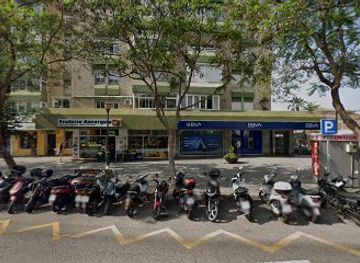
Sakura Alfarnate
Experience the tranquil beauty and cultural richness of Sakura Alfarnate in Málaga, a serene escape for every traveler.
5 min walk · 0.4 km from neighbourhood centre
Best landmarks in El Palo
El Palo’s landmarks are modest, but together they record the district’s transformation from coastal settlement to urban neighbourhood. The Mercado Municipal de El Palo is both a practical market and a symbol of local commerce, reflecting the continuing importance of fresh food to daily life. The Iglesia de Nuestra Señora de las Angustias provides a religious and communal reference point inland, while the low-rise streets around it preserve a scale different from Málaga’s larger central avenues. Along the coast, the promenade, beaches and espeto boats function as cultural landmarks as much as recreational spaces: they express the neighbourhood’s connection with fishing, seafood and the bay. Avenida Juan Sebastián Elcano is another important urban marker, carrying traffic and buses through the district while separating many residential streets from the shoreline.
-
Beach
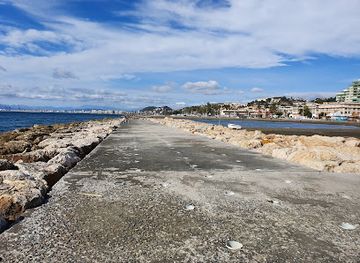
Playas del Palo
Explore Playas del Palo: A Beautiful Beach Destination in Spain with Fresh Seafood and Vibrant Culture.
5 min walk · 0.4 km from neighbourhood centre
-
Boat builders
Astilleros Nereo
Discover Astilleros Nereo, Málaga's historic boat builders, where maritime heritage and craftsmanship come to life in a stunning coastal setting.
5 min drive · 1.7 km from neighbourhood centre
-
Lodging
El palo
Explore the charming seaside village of El Palo in Málaga, where the beauty of the Mediterranean meets vibrant local culture.
1 min walk · 0.1 km from neighbourhood centre
-
Holiday home
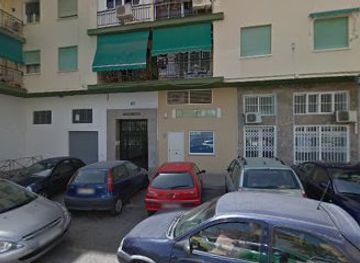
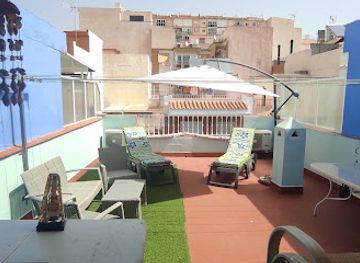
Casa Adosada El Palo
Discover the charm of Málaga at Casa Adosada El Palo, your perfect holiday home by the beach, blending comfort with local culture.
5 min walk · 0.4 km from neighbourhood centre
Explore El Palo on the map
A handpicked selection of must-see spots in El Palo, mapped for you.
Best hotels in El Palo
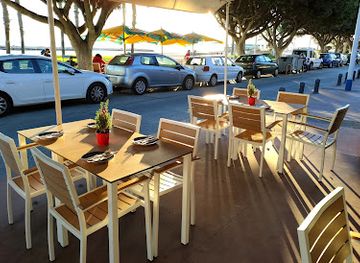
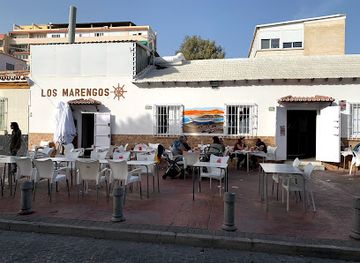
Best restaurants in El Palo
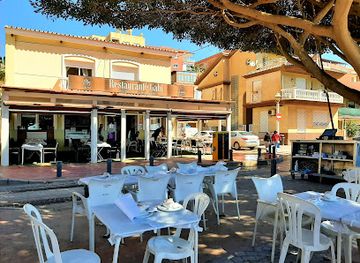
El Palo’s dining identity is inseparable from the sea. Along the promenade and the streets near Playa de El Palo, chiringuitos and seafood restaurants serve espetos, particularly sardines grilled over wood in traditional boats, alongside fried fish, prawns, shellfish and simple salads. The style is informal and coastal, with meals often extending into a long lunch while the beach remains in view. Local tapas bars and cafés provide less elaborate options inland, and the market reflects the ingredients that shape the neighbourhood’s kitchens, especially fresh fish and seasonal produce. Menus and individual businesses change, so it is sensible to look at the day’s display and ask about portions before ordering. The food culture belongs to a working shoreline as much as to tourism, preserving a link with El Palo’s former fishing economy while accommodating contemporary visitors.
-
Grill
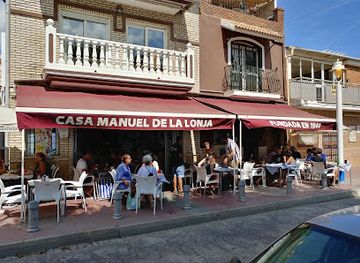
Casa Manuel de la Lonja
Experience the best of Mediterranean flavors at Casa Manuel de la Lonja in Málaga – where every meal comes with breathtaking sea views.
5 min walk · 0.4 km from neighbourhood centre
-
Restaurant
Restaurante Gabi
Experience authentic Mediterranean cuisine at Restaurante Gabi in Málaga – a culinary gem that showcases local flavors and warm hospitality.
4 min walk · 0.3 km from neighbourhood centre
-
Restaurant
Kraken El Palo
Discover authentic Andalusian cuisine at Kraken El Palo – where fresh seafood meets stunning Mediterranean views.
5 min walk · 0.4 km from neighbourhood centre
-
Restaurant
El mar de Nina
Discover El Mar de Nina in Málaga: A seaside restaurant serving exquisite Mediterranean cuisine amidst stunning coastal views.
4 min walk · 0.3 km from neighbourhood centre
Best bars in El Palo
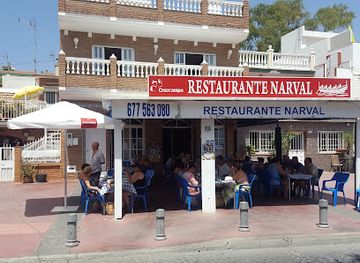
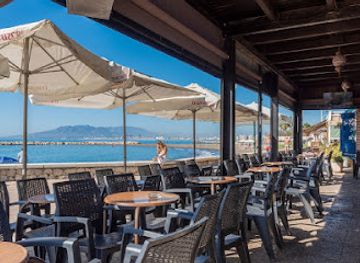
El Palo is not one of Málaga’s principal nightclub districts; its evenings are centred on food, conversation and the seafront rather than late dancing. Beach restaurants and chiringuitos become the main social settings after sunset, with diners moving between seafood, tapas and drinks while the promenade remains active. Inland cafés and traditional bars serve residents and provide a quieter alternative to the coastal strip. The atmosphere is generally more relaxed and local than in the city-centre nightlife areas, although summer evenings can be busy around the beach restaurants. Visitors should distinguish El Palo from nearby Pedregalejo, whose wider seafront is also known for evening dining and bars. Residential streets lie close to many venues, so considerate noise levels matter when leaving the promenade or returning to accommodation.
-
Mediterranean
RESTAURANTE NARVAL
Experience the best of Mediterranean cuisine at Restaurante Narval, where fresh seafood meets stunning sea views in the heart of Málaga.
9 min walk · 0.7 km from neighbourhood centre
-
Sports bar
Vox Sports Bar
Experience the lively atmosphere of Vox Sports Bar in Málaga, where sports, cocktails, and Mediterranean views come together for an unforgettable night.
14 min walk · 1.1 km from neighbourhood centre
-
Bar
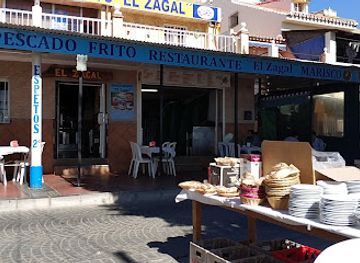
El Zagal
Experience the authentic flavors of Mediterranean cuisine at El Zagal, a delightful bar and restaurant in the heart of Málaga.
5 min walk · 0.4 km from neighbourhood centre
-
Grill
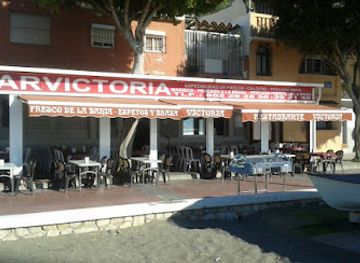
Bar Restaurante Victoria
Experience the best of Málaga’s coastal cuisine at Bar Restaurante Victoria, where fresh seafood and grilled delights await in a stunning seaside setting.
13 min walk · 1.1 km from neighbourhood centre
Best nightclubs in El Palo
El Palo is not one of Málaga’s principal nightclub districts; its evenings are centred on food, conversation and the seafront rather than late dancing. Beach restaurants and chiringuitos become the main social settings after sunset, with diners moving between seafood, tapas and drinks while the promenade remains active. Inland cafés and traditional bars serve residents and provide a quieter alternative to the coastal strip. The atmosphere is generally more relaxed and local than in the city-centre nightlife areas, although summer evenings can be busy around the beach restaurants. Visitors should distinguish El Palo from nearby Pedregalejo, whose wider seafront is also known for evening dining and bars. Residential streets lie close to many venues, so considerate noise levels matter when leaving the promenade or returning to accommodation.
-
Disco club
Fogón VIP CLUB
Unleash your energy at Fogón VIP CLUB, Málaga's premier disco club, where music, dance, and unforgettable nights await.
5 min walk · 0.4 km from neighbourhood centre
-
Cocktail bar
Wilson and shake
Discover Wilson and Shake in Málaga-Este, where exquisite cocktails and a vibrant atmosphere create the perfect night out for every traveler.
7 min walk · 0.5 km from neighbourhood centre
Best shops in El Palo
Shopping in El Palo is local and practical rather than centred on major fashion chains. The Mercado Municipal de El Palo is the principal point of interest, with stalls associated with fresh fish, seafood, fruit, vegetables and everyday provisions; its value lies as much in observing neighbourhood routines as in buying ingredients. Small food shops, bakeries, cafés and independent services line the main avenues and side streets, while the coastal strip is more focused on restaurants and leisure than on specialist retail. Visitors looking for larger commercial centres or an extensive selection of boutiques will find more choice elsewhere in Málaga. The area’s most distinctive purchases are linked to food and the coast, although stock and individual traders vary. Shop respectfully, ask before photographing stalls, and remember that the market primarily serves residents.
-
Cell phone store
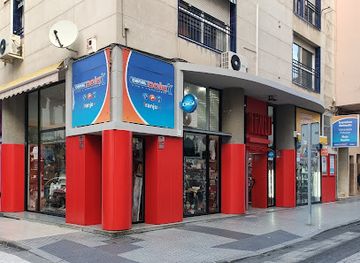
Canal Ocio
Experience the vibrant blend of technology and fashion at Canal Ocio, Málaga's go-to hub for cell phones, games, and unique gifts.
3 min walk · 0.2 km from neighbourhood centre
-
Men's clothing store
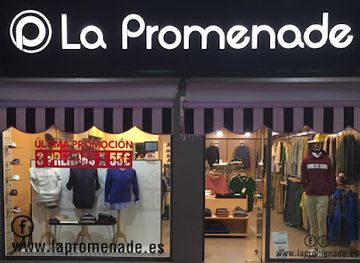
La Promenade
Discover stylish men's fashion at La Promenade in Málaga, where quality meets contemporary trends in a vibrant shopping experience.
6 min walk · 0.4 km from neighbourhood centre
-
Used clothing store
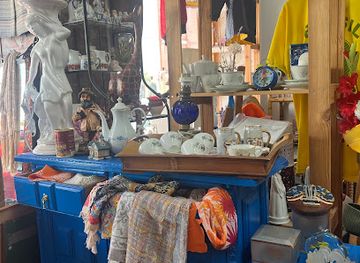
Momento Vintage
Explore the charm of vintage fashion at Momento Vintage, Málaga's premier destination for unique used clothing and eclectic finds.
3 min walk · 0.2 km from neighbourhood centre
-
Boutique
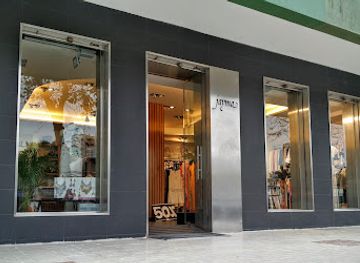
Jayma Boutique
Experience the charm of Jayma Boutique in Málaga, where unique fashion meets personalized shopping in a cozy atmosphere.
6 min walk · 0.5 km from neighbourhood centre
El Palo essentials
Getting There
Getting Around
Safety
Emergency Situations
Do's and Don'ts
Local Tips

From Eve
Local phrases worth knowing
You don't need to get them perfect. A few words go a long way, and locals appreciate the effort.
Basics
| English | Local | Say it |
|---|---|---|
| Hello | Hola | [oh-la] |
| Goodbye | Adiós | [ah-dyohs] |
| Yes | Sí | [see] |
| No | No | [noh] |
| Please/You're welcome | Por favor/De nada | [por fah-bor/de nah-dah] |
| Thank you | Gracias | [grah-thyas] |
| Excuse me/Sorry | Perdón/Lo siento | [pair-dohn/loh syen-toh] |
| How are you? | ¿Cómo estás? | [koh-moh ehs-tahs] |
| Fine. And you? | Bien. ¿Y tú? | [byen. ee too] |
| Do you speak English? | ¿Hablas inglés? | [ah-blahs een-glehs] |
| I don't understand | No entiendo | [noh ehn-tyen-doh] |
Eating & Drinking
| English | Local | Say it |
|---|---|---|
| I'd like to see the menu, please | Me gustaría ver la carta, por favor | [meh goos-tah-ree-ah vehr lah kahr-tah, por fah-bor] |
| I don't eat meat | No como carne | [noh koh-moh kahr-neh] |
| Cheers! | ¡Salud! | [sah-lood] |
| I would like to pay, please | Me gustaría pagar, por favor | [meh goos-tah-ree-ah pah-gar, por fah-bor] |
Emergencies
| English | Local | Say it |
|---|---|---|
| Help! | ¡Ayuda! | [ah-yoo-dah] |
| Go away! | ¡Vete! | [veh-teh] |
| Call the Police! | ¡Llama a la policía! | [yah-mah ah lah poh-lee-thyah] |
| Call a doctor! | ¡Llama a un médico! | [yah-mah ah oon meh-dee-koh] |
| I'm lost | Estoy perdido | [ehs-toy pair-dee-doh] |
| I'm ill | Estoy enfermo | [ehs-toy ehn-fehr-moh] |
Shopping
| English | Local | Say it |
|---|---|---|
| I'd like to buy... | Me gustaría comprar... | [meh goos-tah-ree-ah kohm-prahr...] |
| I'm just looking | Solo estoy mirando | [soh-loh ehs-toy mee-rahn-doh] |
| How much is it? | ¿Cuánto cuesta? | [kwan-toh kwehs-tah] |
| That's too expensive | Es demasiado caro | [ehs deh-mah-syah-doh kah-roh] |
| Can you lower the price? | ¿Puede bajar el precio? | [pweh-deh bah-har ehl pree-thyoh] |
Time & Numbers
| English | Local | Say it |
|---|---|---|
| What time is it? | ¿Qué hora es? | [keh oh-rah ehs] |
| It's one o'clock | Es la una | [ehs lah oo-nah] |
| Half past (10) | Y media (10) | [ee meh-dee-ah (deh-eez)] |
| Morning | Mañana | [mah-nyah-nah] |
| Afternoon | Tarde | [tahr-deh] |
| Evening | Noche | [noh-cheh] |
| Yesterday | Ayer | [ah-yehr] |
| Today | Hoy | [oy] |
| Tomorrow | Mañana | [mah-nyah-nah] |
| 1 | Uno | [oo-noh] |
| 2 | Dos | [dohs] |
| 3 | Tres | [trehs] |
| 4 | Cuatro | [kwah-troh] |
| 5 | Cinco | [theen-koh] |
| 6 | Seis | [sehs] |
| 7 | Siete | [syeh-teh] |
| 8 | Ocho | [oh-choh] |
| 9 | Nueve | [nweh-veh] |
| 10 | Diez | [dyehth] |
Transport & Directions
| English | Local | Say it |
|---|---|---|
| Where's a/the...? | ¿Dónde está...? | [don-deh ehs-tah] |
| What's the address? | ¿Cuál es la dirección? | [kwahl ehs lah dee-rehk-thyon] |
| Can you show me (on the map)? | ¿Puedes mostrarme (en el mapa)? | [pweh-dehs mohs-trar-meh (en el mah-pah)] |
| When's the next (bus)? | ¿Cuándo es el próximo (autobús)? | [kwan-doh ehs ehl proh-ksee-moh (ow-toh-boos)] |
| A ticket (to ....) | Un billete (a ....) | [oon bee-yeh-teh (ah)] |
History of El Palo
A Coastal Settlement Takes Shape
El Palo developed as a small settlement along Málaga’s eastern coast, beyond the historic city and close to fishing grounds and agricultural land. Its early character was shaped by families connected to fishing, coastal trade and food production, with homes and working spaces arranged near the shore. The district’s name is often discussed in relation to local landscape and maritime history, but its precise origin is not certain enough to state as fact. What is clear is that El Palo grew as a community with a strong independent identity, separated from the urban core by distance and by the rural character of the eastern approach.
Fishing, Salting and Coastal Commerce
During the nineteenth and early twentieth centuries, El Palo’s economy was closely associated with fishing and the handling of seafood. Fishers worked from the coast while local businesses processed, salted and sold their catch, linking the neighbourhood to Málaga’s wider maritime economy. Small houses, workshops and informal landing places gradually gave the settlement a denser form. The traditions now associated with beachside grilling developed from this practical relationship with the sea rather than from tourism alone. As Málaga expanded eastwards, El Palo retained a recognisable village character even as roads and urban services made the connection with the city more direct.
Railways and Incorporation into Málaga
Improved transport altered El Palo’s relationship with Málaga. The coastal railway towards Vélez-Málaga served the eastern shore during the twentieth century, providing a more direct link for residents, workers and goods before the line closed in 1968. Road improvements later became the principal means of connection, encouraging residential growth and regular movement along the coast. El Palo was absorbed into the municipality of Málaga during the city’s early twentieth-century expansion, but administrative integration did not erase its local identity. Fishing families, small businesses and neighbourhood institutions continued to distinguish the area from the central city.
A Living Coastal Identity
From the late twentieth century onwards, El Palo became increasingly integrated into Málaga’s metropolitan life while continuing to support local commerce and a substantial residential community. The seafront gained importance for leisure and dining, but the neighbourhood did not become solely a visitor district: its market, schools, parish life and everyday shops remain important to residents. Seafood restaurants and espeto cooking now form part of Málaga’s wider culinary reputation, yet in El Palo they are rooted in the memory of fishing and coastal work. Contemporary development has brought new apartments and visitors, alongside continuing efforts to preserve the district’s social and maritime character.
El Palo in Photos
Browse through our photo collection highlighting the charm and character of the destination.
Neighbourhoods near El Palo
The closest neighbourhoods to El Palo, if you have time for more than one stop.
-

-

-


Swipe for more neighbourhoods
Explore more

Explore more of Málaga
Málaga, Spain, blends Alcazaba fortifications, Picasso’s legacy, Mediterranean beaches, lively markets and Andalusian cuisine in a walkable historic city.
Explore Málaga