

La Malagueta (Málaga) Travel Guide - Free
Explore La Malagueta in Málaga with Evendo's free guide. Find the best shops, historic streets, restaurants, and gems on web or mobile.


La Malagueta in Málaga blends its historic bullring, Mediterranean beach, art at Muelle Uno and elegant Paseo de Reding beside the city centre.
Between the City and the Mediterranean
La Malagueta occupies Málaga’s eastern waterfront, immediately beyond the historic centre and beside the broad sweep of Málaga Park. Its character is shaped by the meeting of several landscapes: the tree-lined Paseo de Reding, the monumental Plaza de Toros de La Malagueta, the open Mediterranean, and the contemporary marina spaces of Muelle Uno. This is one of the city’s most recognisable areas, yet it feels less enclosed than the old town, with long promenades, sea air and wide views towards the hills beyond the bay.Read more about La Malagueta
A District of Leisure and Civic Landmarks
Street Life by the Water
Best attractions in La Malagueta
La Malagueta’s attractions are concentrated along a compact stretch between the city park, the bullring and the sea. The Plaza de Toros de La Malagueta is the essential architectural sight, while the Museo del Patrimonio Municipal on Paseo de Reding offers a focused introduction to Málaga’s art and civic history. La Malagueta beach provides a distinctly urban Mediterranean experience, with a broad promenade suited to walking, people-watching and views across the bay. West of the neighbourhood, the seafront leads into Muelle Uno, where the Centre Pompidou Málaga occupies the colourful Cube building and the harbour promenade combines public art, shops and dining. The Palmeral de las Sorpresas continues the waterside walk towards the historic centre, while Málaga Park offers shaded paths and gardens just inland from the neighbourhood’s main avenues.
-
Tourist attraction
Santa Iglesia Catedral Basílica de la Encarnación
Explore the Santa Iglesia Catedral Basílica de la Encarnación, Málaga's architectural marvel blending Gothic and Baroque styles, rich in history and culture.
10 min walk · 0.8 km from neighbourhood centre
-
Tourist attraction
Playa la Malagueta
Experience the vibrant atmosphere of Playa la Malagueta, Málaga's iconic public beach, where sun, sea, and culture come together.
2 min walk · 0.2 km from neighbourhood centre
-
Tourist attraction
Letras de La Malagueta
Experience the vibrant culture and stunning scenery at Letras de La Malagueta, a must-visit tourist attraction in Málaga, Spain.
2 min walk · 0.2 km from neighbourhood centre
-
Tourist attraction
Fuente de las Tres Gracias
Discover the beauty and elegance of Málaga's Fuente de las Tres Gracias, a stunning fountain reflecting the city's rich cultural heritage.
3 min walk · 0.3 km from neighbourhood centre


Best landmarks in La Malagueta
The Plaza de Toros de La Malagueta is the neighbourhood’s defining landmark, a nineteenth-century arena designed by Joaquín Rucoba and recognised for its circular form, brick detailing and neo-Mudéjar associations. Its presence gives the surrounding streets a ceremonial quality and records the importance of bullfighting in Málaga’s public culture. Paseo de Reding is another significant feature: its landscaped avenue forms part of the eastern approach to the centre and links the bullring with museums, residences and the coast. The Museo del Patrimonio Municipal adds a quieter civic landmark, interpreting the city’s artistic and historical inheritance from its position beside the park. Along the water, the modern port structures of Muelle Uno and the Centre Pompidou Málaga represent the area’s later transformation from working harbour edge into an accessible cultural and leisure waterfront.
-
Fortress
Alcazaba
Discover the stunning Alcazaba in Málaga, a majestic fortress showcasing Moorish architecture and breathtaking views of the city and sea.
7 min walk · 0.5 km from neighbourhood centre
-
Public beach
Playa la Malagueta
Discover the vibrant atmosphere and stunning beauty of Playa la Malagueta, a must-visit public beach in Málaga, perfect for relaxation and cultural exploration.
2 min walk · 0.2 km from neighbourhood centre
-
Beach
Playa de la Malagueta (Málaga)
Experience the vibrant atmosphere and stunning beauty of Playa de la Malagueta, a must-visit beach destination in Málaga, Spain.
10 min walk · 0.8 km from neighbourhood centre
-
Tourist attraction
La Farola de Málaga
Discover La Farola de Málaga, an iconic lighthouse blending history, stunning views, and vibrant coastal charm in the heart of Andalusia.
7 min walk · 0.6 km from neighbourhood centre


Explore La Malagueta on the map
A handpicked selection of must-see spots in La Malagueta, mapped for you.
Best hotels in La Malagueta
Best restaurants in La Malagueta
La Malagueta’s dining identity comes from its position between the beach, the port and Málaga’s central avenues. Seafood restaurants, beach bars known as chiringuitos and waterfront terraces make grilled fish, shellfish and the local espetos de sardinas an obvious choice, although menus vary by establishment and season. Around the port and Muelle Uno, contemporary restaurants and cafés bring international influences to the traditional seafront setting, while the streets near Paseo de Reding provide access to the wider central dining scene. The atmosphere is generally more open and leisurely than in the old town’s enclosed lanes, with outdoor seating and sea views shaping the experience. Visitors should distinguish the neighbourhood’s specialist seafood and marina dining from the tapas bars of the historic centre, which begins a short walk inland and westwards.
-
Andalusian
El Merendero de Antonio Martín | Restaurante Málaga
Discover authentic Andalusian flavors at El Merendero de Antonio Martín in Málaga—where Mediterranean tradition meets coastal charm.
2 min walk · 0.1 km from neighbourhood centre
-
Restaurant
El Refectorium Malagueta
Discover exquisite Mediterranean dining at El Refectorium Malagueta - where tradition meets taste in every delightful dish.
2 min walk · 0.2 km from neighbourhood centre
-
Mediterranean
Restaurante Divinno
Experience exquisite Mediterranean cuisine at Restaurante Divinno in Málaga, where every dish tells a story and every sip delights.
2 min walk · 0.2 km from neighbourhood centre
-
Restaurant
Gastrobar BASSOA, Malagueta
Experience authentic Spanish tapas at Gastrobar BASSOA in Malagueta, Málaga – where tradition meets innovation in every delicious bite.
3 min walk · 0.2 km from neighbourhood centre


Best bars in La Malagueta
Evenings in La Malagueta are centred on seafront dining, marina terraces and relaxed drinks rather than a dense concentration of nightclubs. Muelle Uno provides the most conspicuous after-dark activity, with restaurants and bars overlooking the harbour, while the beach promenade and nearby chiringuitos offer a more informal setting when venues are operating. The neighbourhood’s proximity to the historic centre means that larger bar and club districts are within walking distance, but they should not be confused with La Malagueta’s own character. Cultural evenings may also be associated with the bullring or nearby institutions, depending on the programme. After dark, the area feels most active around the port, main avenues and dining streets, while quieter beach sections are better treated as daytime walking routes.
-
Cocktail bar
Nusa Malaga
Experience the vibrant cocktail culture of Nusa Malaga, where innovative drinks meet stunning waterfront views in the heart of Málaga.
2 min walk · 0.2 km from neighbourhood centre
-
Pub
Calanmor Pub
Discover Calanmor Pub: An Irish oasis in Málaga, blending vibrant atmosphere, live sports, and a fantastic drink selection.
3 min walk · 0.3 km from neighbourhood centre
-
 Bar
Anyway Wine Bar
Discover the essence of Málaga at Anyway Wine Bar, where exquisite wines and authentic tapas create an unforgettable dining experience.
2 min walk · 0.2 km from neighbourhood centre
-
Bar
Atlantis Lounge Bar
Discover the charm of Atlantis Lounge Bar in Málaga, where exquisite cocktails meet breathtaking Mediterranean views for a perfect evening out.
6 min walk · 0.5 km from neighbourhood centre


Best nightclubs in La Malagueta
Evenings in La Malagueta are centred on seafront dining, marina terraces and relaxed drinks rather than a dense concentration of nightclubs. Muelle Uno provides the most conspicuous after-dark activity, with restaurants and bars overlooking the harbour, while the beach promenade and nearby chiringuitos offer a more informal setting when venues are operating. The neighbourhood’s proximity to the historic centre means that larger bar and club districts are within walking distance, but they should not be confused with La Malagueta’s own character. Cultural evenings may also be associated with the bullring or nearby institutions, depending on the programme. After dark, the area feels most active around the port, main avenues and dining streets, while quieter beach sections are better treated as daytime walking routes.
-
Night club
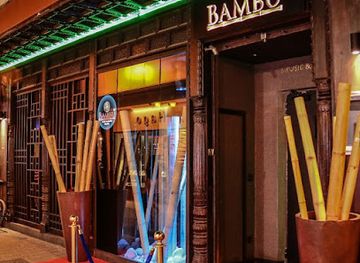
Bambu
Discover the vibrant nightlife at Bambu, Málaga's premier night club with eclectic music, stylish ambiance, and unforgettable experiences.
13 min walk · 1.1 km from neighbourhood centre
-
Disco club
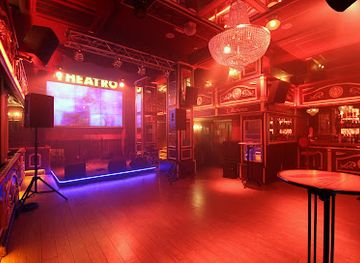
Theatro Club Málaga
Dive into the vibrant nightlife at Theatro Club Málaga, where electrifying music and spectacular performances create an unforgettable disco experience.
13 min walk · 1.0 km from neighbourhood centre
-
Disco club
Velvet Club Málaga
Dive into the vibrant nightlife of Málaga at Velvet Club, a premier disco club offering an electrifying experience in the heart of the city.
13 min walk · 1.0 km from neighbourhood centre
-
Disco club
Sala Cleopatra
Discover the electrifying nightlife at Sala Cleopatra, Málaga's premier disco club, where great music and affordable fun await!
1 min walk · 0.1 km from neighbourhood centre


Best shops in La Malagueta
Shopping in La Malagueta is most visible around Muelle Uno, where the redesigned port promenade combines lifestyle shops, design-led retail and places to browse beside the harbour. The area is suited to contemporary souvenirs, fashion and locally oriented gifts rather than a traditional market circuit. For everyday purchases, smaller businesses and services are scattered along the streets behind Paseo de Reding, while the historic centre’s broader retail network begins nearby across Málaga Park. Visitors interested in food products can look for Andalusian specialities in city-centre shops, although La Malagueta itself is not primarily a market neighbourhood. The distinction is useful: the port offers a polished waterfront shopping experience, whereas the older commercial streets of central Málaga provide more independent retail, specialist food shops and established souvenir stores.
-
Men's clothing store
SAM NEWMAN MÁLAGA
Explore Sam Newman Málaga for an exceptional selection of stylish men's clothing, blending quality and contemporary fashion in the heart of Málaga.
4 min walk · 0.3 km from neighbourhood centre
-
Store
Palodú
Discover the cultural treasures of Málaga at Palodú, where local craftsmanship meets vibrant shopping in a charming atmosphere.
3 min walk · 0.3 km from neighbourhood centre
-
Gift shop
Regalos la Azalea
Discover unique gifts, costume jewelry, and home goods at Regalos la Azalea in Málaga, the perfect spot for memorable souvenirs.
5 min walk · 0.4 km from neighbourhood centre
-
Dress store
BE BACK | Tienda Moda Málaga
Explore BE BACK | Tienda Moda Málaga for the latest in fashion and unique cake decorating supplies, blending style and creativity in one destination.
2 min walk · 0.1 km from neighbourhood centre


La Malagueta essentials
Getting There
Getting Around
Safety
Emergency Situations
Do's and Don'ts
Local Tips

From Eve
Local phrases worth knowing
You don't need to get them perfect. A few words go a long way, and locals appreciate the effort.
Basics
| English | Local | Say it |
|---|---|---|
| Hello | Hola | [oh-lah] |
| Goodbye | Adiós | [ah-dee-ohs] |
| Yes | Sí | [see] |
| No | No | [noh] |
| Please/You're welcome | Por favor/De nada | [por fah-bor/deh nah-dah] |
| Thank you | Gracias | [grah-thyahs] |
| Excuse me/Sorry | Perdón/Lo siento | [pair-dohn/loh syen-toh] |
| How are you? | ¿Cómo estás? | [koh-moh ehs-tahs] |
| Fine. And you? | Bien. ¿Y tú? | [byen. ee too] |
| Do you speak English? | ¿Hablas inglés? | [ah-blahs een-glehs] |
| I don't understand | No entiendo | [noh ehn-tyen-doh] |
Eating & Drinking
| English | Local | Say it |
|---|---|---|
| I'd like to see the menu, please | Me gustaría ver el menú, por favor | [meh goos-tah-ree-ah behr ehl meh-noo, por fah-bor] |
| I don't eat meat | No como carne | [noh koh-moh kahr-neh] |
| Cheers! | ¡Salud! | [sah-lood] |
| I would like to pay, please | Me gustaría pagar, por favor | [meh goos-tah-ree-ah pah-gar, por fah-bor] |
Emergencies
| English | Local | Say it |
|---|---|---|
| Help! | ¡Ayuda! | [ah-yoo-dah] |
| Go away! | ¡Vete! | [veh-teh] |
| Call the Police! | ¡Llama a la Policía! | [yah-mah ah lah poh-lee-see-ah] |
| Call a doctor! | ¡Llama a un médico! | [yah-mah ah oon meh-dee-koh] |
| I'm lost | Estoy perdido | [ehs-toy pair-dee-doh] |
| I'm ill | Estoy enfermo | [ehs-toy ehn-fehr-moh] |
Shopping
| English | Local | Say it |
|---|---|---|
| I'd like to buy... | Me gustaría comprar... | [meh goos-tah-ree-ah kohm-prahr] |
| I'm just looking | Solo estoy mirando | [soh-loh ehs-toy mee-rahn-doh] |
| How much is it? | ¿Cuánto cuesta? | [kwan-toh kwehs-tah] |
| That's too expensive | Eso es demasiado caro | [eh-soh ehs deh-mah-syah-doh kah-roh] |
| Can you lower the price? | ¿Puedes bajar el precio? | [pweh-dehs bah-har ehl preh-thyo] |
Time & Numbers
| English | Local | Say it |
|---|---|---|
| What time is it? | ¿Qué hora es? | [keh oh-rah ehs] |
| It's one o'clock | Es la una | [ehs lah oo-nah] |
| Half past (10) | Las diez y media | [lahs dyehs ee meh-dee-ah] |
| Morning | Mañana | [mah-nyah-nah] |
| Afternoon | Tarde | [tahr-deh] |
| Evening | Noche | [noh-cheh] |
| Yesterday | Ayer | [ah-yehr] |
| Today | Hoy | [oy] |
| Tomorrow | Mañana | [mah-nyah-nah] |
| 1 | Uno | [oo-noh] |
| 2 | Dos | [dohs] |
| 3 | Tres | [trehs] |
| 4 | Cuatro | [kwa-troh] |
| 5 | Cinco | [theen-koh] |
| 6 | Seis | [sehs] |
| 7 | Siete | [syeh-teh] |
| 8 | Ocho | [oh-choh] |
| 9 | Nueve | [nweh-veh] |
| 10 | Diez | [dyehs] |
Transport & Directions
| English | Local | Say it |
|---|---|---|
| Where's a/the...? | ¿Dónde está...? | [dohn-deh ehs-tah] |
| What's the address? | ¿Cuál es la dirección? | [kwal ehs lah dee-rehk-syon] |
| Can you show me (on the map)? | ¿Puedes mostrarme (en el mapa)? | [pweh-dehs mohs-trar-meh (ehn ehl mah-pah)] |
| When's the next (bus)? | ¿Cuándo es el próximo (autobús)? | [kwan-doh ehs ehl proh-ksy-moh (ow-toh-boos)] |
| A ticket (to ....) | Un billete (a ...) | [oon bee-yeh-teh (ah ...)] |
History of La Malagueta
From Coastal Edge to Eastern Expansion
Before Málaga expanded eastwards in the nineteenth century, the land around present-day La Malagueta lay beyond the compact historic core and its former defensive limits, close to the shoreline and routes leading towards the eastern suburbs. Urban growth during the period of liberalisation and industrial development brought new roads, promenades and residential building along the coast. Paseo de Reding, named after Teodoro Reding, the Swiss-born military figure associated with Málaga and the Spanish resistance during the Napoleonic period, became one of the area’s defining avenues. Its landscaped setting helped establish La Malagueta as a more open, prestigious extension of the city rather than another dense historic quarter.
The Bullring Defines La Malagueta
The Plaza de Toros de La Malagueta was built in the 1870s, opening in 1876 according to the commonly accepted account, to serve Málaga’s established bullfighting culture and the city’s growing eastern district. Designed by Joaquín Rucoba, the building is associated with the neo-Mudéjar vocabulary found in its arches, brickwork and circular massing. Its construction gave the neighbourhood a powerful civic landmark and fixed the name La Malagueta in the public imagination. Beyond its role as an arena, the bullring reflects the nineteenth-century transformation of Málaga into a modern provincial capital with new public buildings, leisure institutions and formally planned avenues.
Parks, Museums and a Public Waterfront
During the twentieth century, La Malagueta developed as a mixed urban area of residences, civic facilities, beach recreation and access to the port. The opening of Málaga Park and the continued importance of Paseo de Reding strengthened its relationship with the city centre, while the bullring remained the neighbourhood’s principal historic symbol. Later cultural investment added institutions such as the Museo del Patrimonio Municipal, whose collections interpret Málaga’s artistic and civic development. These changes broadened the area’s purpose: La Malagueta was no longer defined only by the arena and the beach, but also by museums, public promenades and access to the waterfront.
The Contemporary Port Connection
The redevelopment of Málaga’s central port, particularly the Muelle Uno waterfront and the Palmeral de las Sorpresas, reshaped the relationship between La Malagueta, the harbour and the historic centre in the early twenty-first century. Improved public access brought restaurants, shops, open-air walking routes and the Centre Pompidou Málaga to the edge of the neighbourhood. The transformation increased visitor activity without erasing La Malagueta’s older functions as a beach district, bullring precinct and residential seafront. Today its identity rests on this juxtaposition of nineteenth-century architecture, civic museums, Mediterranean leisure and a commercially active modern harbour.
La Malagueta in Photos
Browse through our photo collection highlighting the charm and character of the destination.
Neighbourhoods near La Malagueta
The closest neighbourhoods to La Malagueta, if you have time for more than one stop.
-

-

-


Swipe for more neighbourhoods
Explore more

Explore more of Málaga
Málaga, Spain, blends Alcazaba fortifications, Picasso’s legacy, Mediterranean beaches, lively markets and Andalusian cuisine in a walkable historic city.
Explore Málaga