

Free Hikkaduwa Travel Guide & Mobile App
Plan your Hikkaduwa trip with Evendo. Get free guides to top attractions, restaurants, hotels, and bars. Web access or download the mobile app.


Hikkaduwa, Sri Lanka blends surf beaches, coral reefs, coastal cuisine and easy access to Galle, with relaxed seaside culture and marine adventures.
A Southern Seaside Setting
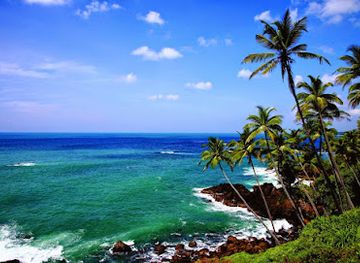
Hikkaduwa stretches along Sri Lanka’s south-western coast, where the main coastal road and railway run between the Indian Ocean and a narrow strip of palms, guesthouses, cafés and small businesses. The town is best known for its beaches, warm water and surf-friendly shoreline, but its appeal also comes from the easygoing rhythm of a working coastal settlement. Narigama Beach is the liveliest stretch, with broad sands, sunset views and a concentration of places to eat and stay, while the central beach area provides access to boat trips and marine excursions.Read more about Hikkaduwa
Reefs, Lagoons and Marine Life
Coastal Culture and Easy Excursions
When is the best time to visit Hikkaduwa?
Best: January–March · 31–32°C| Month | High (°C) | Rainfall (mm) |
|---|---|---|
| January (best) | 31 | 120 |
| February (best) | 31 | 90 |
| March (best) | 32 | 120 |
| April | 32 | 220 |
| May | 32 | 350 |
| June | 32 | 350 |
| July | 32 | 350 |
| August | 32 | 350 |
| September | 32 | 350 |
| October | 32 | 320 |
| November | 31 | 250 |
| December | 31 | 150 |
Getting to and around Hikkaduwa
How to get there
Transportation
Best attractions in Hikkaduwa
Hikkaduwa’s main attractions are closely tied to the coast. Narigama Beach is the town’s broadest and most active sandy stretch, known for surfing, swimming in suitable conditions and long sunset walks. Offshore, the Hikkaduwa Coral Sanctuary, part of the protected marine area, supports snorkelling and glass-bottom boat outings when visibility and sea conditions allow. Hikkaduwa Lake offers a quieter change of scene, with mangroves, waterways and birdlife explored by local boat excursions. At Seenigama, the small island temple of Muhudu Viharaya gives the coast a spiritual dimension and can be viewed from the mainland or visited by boat when access permits. The Tsunami Education Centre and Museum provides a sobering account of the 2004 disaster through local testimony and photographs. Inland lanes reveal temples, gardens and everyday village life, while Galle Fort lies beyond Hikkaduwa as a separate historic excursion rather than a town attraction.
-
Fortress
Galle Dutch Fort
Discover the historic Galle Dutch Fort, where colonial architecture meets breathtaking ocean views in a vibrant cultural hub.
38 min drive · 18 km from city centre
-
Cricket ground
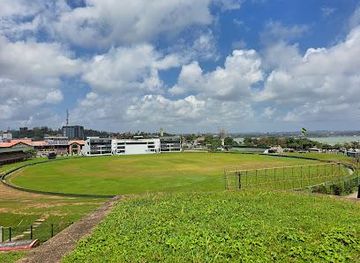
Galle International Cricket Stadium - ගාල්ල ජාත්යන්තර ක්රිකට් ක්රිඩාංගනය
Experience the thrill of cricket and the beauty of Galle at the iconic Galle International Cricket Stadium, a must-visit for sports enthusiasts.
38 min drive · 18 km from city centre
-
Tourist attraction
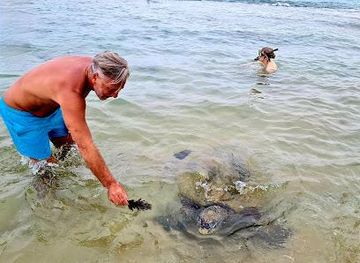
Turtle Beach - Hikkaduwa
Discover the breathtaking beauty of Turtle Beach in Hikkaduwa, where pristine sands meet vibrant marine life in a tropical paradise.
13 min walk · 1.1 km from city centre
-
Beach
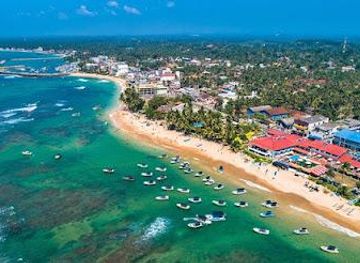
Hikkaduwa Beach
Explore Hikkaduwa Beach, a stunning tropical paradise in Sri Lanka, renowned for its vibrant marine life, water activities, and lively beach atmosphere.
5 min walk · 0.4 km from city centre

Best landmarks in Hikkaduwa
Hikkaduwa’s landmarks reflect its coastal Buddhist culture, recent history and marine setting. Seenigama Muhudu Viharaya occupies a small island just offshore and is among the area’s most distinctive religious sites, with its position on the sea giving the shrine a strong visual identity. The Hikkaduwa Coral Sanctuary is a natural landmark as well as a protected marine environment, representing the reef system that shaped the town’s tourism. The railway station and coastal railway line are practical reminders of the historic transport corridor linking Colombo with Galle and the south. Memorial and educational sites connected with the 2004 tsunami mark one of the defining events in modern local history. Buddhist temples and roadside shrines throughout the settlement provide a more intimate architectural expression than the grand colonial structures found at nearby Galle Fort.
-
Historical landmark
Galle Fort Clock Tower
Explore the Galle Fort Clock Tower, a stunning historical landmark in Galle, Sri Lanka, offering rich history and breathtaking coastal views.
38 min drive · 18 km from city centre
-
 Hotel
HotelCitrus Hikkaduwa
Experience the beauty of Hikkaduwa at Citrus Hikkaduwa, where modern luxury meets the serene charm of Sri Lanka's coastline.
17 min walk · 1.3 km from city centre
-
Tourist attraction
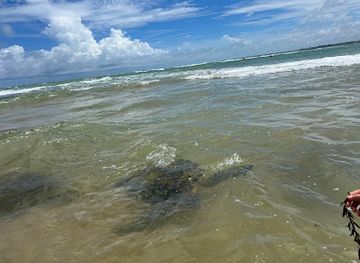
Turtle Beach - Hikkaduwa
Discover the enchanting beauty and vibrant marine life of Turtle Beach in Hikkaduwa, Sri Lanka's ultimate destination for relaxation and adventure.
13 min walk · 1.1 km from city centre
-
Beach
Hikkaduwa Beach
Discover the beauty of Hikkaduwa Beach, where golden sands meet vibrant coral reefs in a tropical paradise perfect for relaxation and adventure.
5 min walk · 0.4 km from city centre

Explore Hikkaduwa on the map
Plan your Hikkaduwa trip on one map. See where the top attractions, landmarks, restaurants, bars and hotels are, find what's near where you're staying, and book hotels and experiences in a few clicks.
Best hotels in Hikkaduwa
Best restaurants in Hikkaduwa
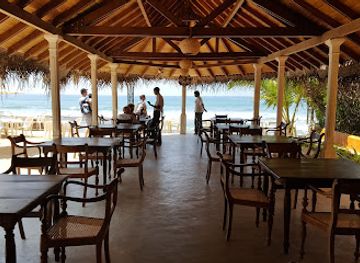
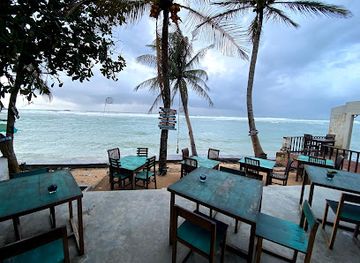
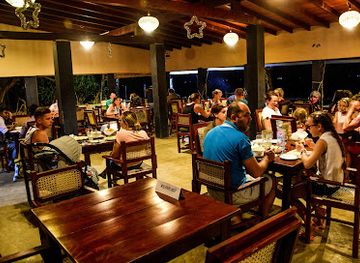
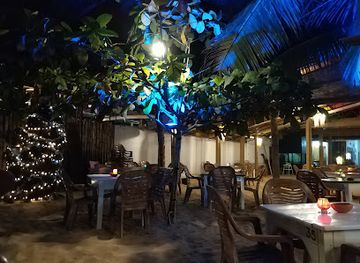
Hikkaduwa’s food scene follows the coast: seafood, Sri Lankan rice and curry, hoppers, string hoppers, kottu and short eats appear alongside international dishes aimed at beach travellers. Fresh fish and prawns are common features of seaside menus, while local preparations may include coconut, chilli, curry leaves and the sour notes characteristic of southern cooking. Small family-run eateries offer a more everyday experience than the beach restaurants, where the setting often centres on sand, palms and evening breezes. Cafés serve tea, fruit drinks, breakfast dishes and coffee, and bakeries provide inexpensive snacks for journeys along the coastal road. Travellers seeking local flavour should explore beyond familiar tourist menus, while remembering that seafood availability is seasonal and that spice levels can vary considerably. Hygiene, refrigeration and the day’s catch are sensible considerations when choosing informal places to eat.
-
Seafood
Refresh Beach Restaurant
Experience exquisite seafood dining at Refresh Beach Restaurant in Hikkaduwa with stunning ocean views and fresh local flavors.
15 min walk · 1.2 km from city centre
-
Seafood
Mamas Beach Restaurant
Experience fresh seafood delights with breathtaking ocean views at Mamas Beach Restaurant in Hikkaduwa.
9 min walk · 0.7 km from city centre
-
Restaurant
JLH Beach Restaurant & Bar
Experience exquisite dining with breathtaking ocean views at JLH Beach Restaurant & Bar in Hikkaduwa, where every meal is a celebration.
15 min walk · 1.2 km from city centre
-
Restaurant
Moon Light
Experience authentic Sri Lankan flavors and international cuisine at Moon Light, Hikkaduwa's culinary treasure by the coast.
14 min walk · 1.1 km from city centre
Best bars in Hikkaduwa
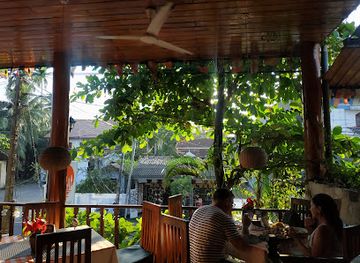
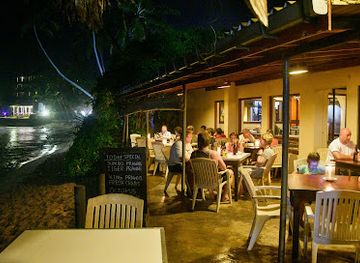
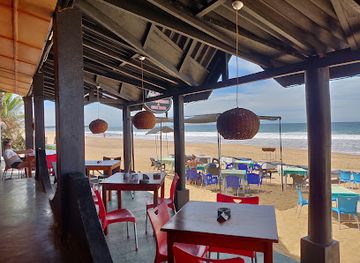
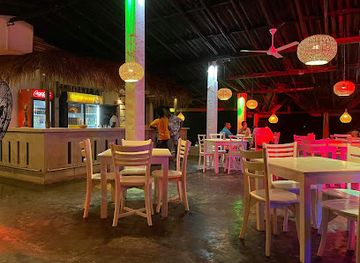
Hikkaduwa has one of Sri Lanka’s more established beach-oriented evening scenes, concentrated around Narigama and the central coastal strip rather than in a formal entertainment quarter. After sunset, restaurants and relaxed beach bars fill with travellers, while some venues host DJs, live music or dancing during busier periods. The atmosphere ranges from quiet drinks with ocean views to informal late-night gatherings, but it remains seasonal and can change with weather, local regulations and visitor numbers. Smaller cafés and hotel bars provide calmer alternatives, and the town’s sunsets and moonlit shoreline are attractions in themselves for those who do not want a club-centred evening. Respect local residents, keep noise under control away from hospitality areas and use suitable transport when returning along the busy coastal road.
-
Bar
JLH Beach Restaurant & Bar
Discover the perfect blend of local flavors and stunning ocean views at JLH Beach Restaurant & Bar in Hikkaduwa, Sri Lanka.
15 min walk · 1.2 km from city centre
-
Bar
Funky De Bar
Discover the eclectic charm of Funky De Bar in Hikkaduwa, where vibrant nightlife meets a welcoming atmosphere and delicious drinks.
5 min drive · 1.8 km from city centre
-
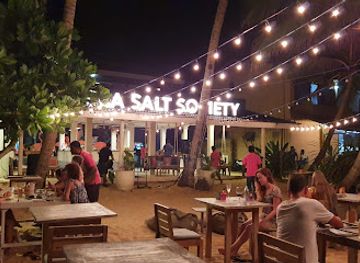
Bar
Sea Salt Society - Beach bar & Restaurant - Hikkaduwa
Experience the perfect blend of beach vibes and culinary delights at Sea Salt Society, Hikkaduwa's premier beach bar and restaurant.
6 min drive · 2.0 km from city centre
-
Grill
Surf Control Rooftop Lounge
Experience Hikkaduwa's stunning ocean views and delectable grilled delights at Surf Control Rooftop Lounge, your perfect dining escape.
5 min drive · 1.5 km from city centre

Best nightclubs in Hikkaduwa
Hikkaduwa has one of Sri Lanka’s more established beach-oriented evening scenes, concentrated around Narigama and the central coastal strip rather than in a formal entertainment quarter. After sunset, restaurants and relaxed beach bars fill with travellers, while some venues host DJs, live music or dancing during busier periods. The atmosphere ranges from quiet drinks with ocean views to informal late-night gatherings, but it remains seasonal and can change with weather, local regulations and visitor numbers. Smaller cafés and hotel bars provide calmer alternatives, and the town’s sunsets and moonlit shoreline are attractions in themselves for those who do not want a club-centred evening. Respect local residents, keep noise under control away from hospitality areas and use suitable transport when returning along the busy coastal road.
-
Restaurant
Top Secret
Discover the culinary delights of Hikkaduwa at Top Secret Restaurant, a haven for seafood lovers and music enthusiasts.
7 min drive · 2.2 km from city centre
-
Bar
Funky De Bar
Discover the vibrant nightlife at Funky De Bar in Hikkaduwa, where music, drinks, and local culture come together for an unforgettable experience.
5 min drive · 1.8 km from city centre
-
Bar
Sea Salt Society - Beach bar & Restaurant - Hikkaduwa
Experience the vibrant beach bar atmosphere at Sea Salt Society in Hikkaduwa, where delicious food meets stunning ocean views.
6 min drive · 2.0 km from city centre
-
Grill
Surf Control Rooftop Lounge
Experience unforgettable dining with ocean views at Surf Control Rooftop Lounge, Hikkaduwa's premier destination for grilled and barbecue cuisine.
5 min drive · 1.5 km from city centre


Best shops in Hikkaduwa
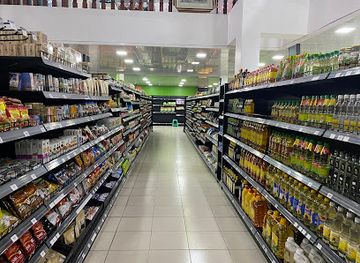
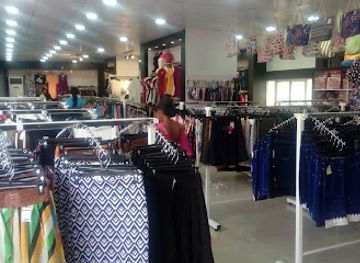
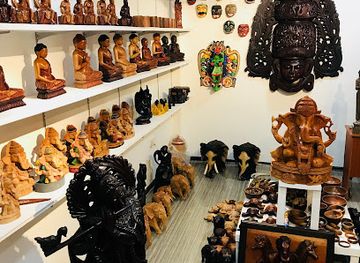
Shopping in Hikkaduwa is centred on the coastal road, small craft outlets, beachwear shops, convenience stores and informal stalls rather than a large enclosed retail district. Visitors will find batik, printed textiles, carved wooden objects, jewellery, shells and souvenirs, though quality and provenance vary, so bargaining should remain courteous and realistic. Local food products such as spices, tea, coconut-based treats and packets of dried goods are practical gifts when properly packaged for travel. The town is also a useful place to buy basic surf and beach equipment, while artisans and small workshops occasionally offer a closer look at Sri Lankan craft traditions. For a broader market experience, travellers can combine Hikkaduwa shopping with visits to larger markets in Galle or Colombo, but those are separate urban destinations rather than local Hikkaduwa attractions.
-
Supermarket
Sandagiri Super Market (Pvt) Ltd
Explore Hikkaduwa's Sandagiri Super Market for a diverse shopping experience, blending local culture and convenience just a stone's throw from the beach.
16 min walk · 1.3 km from city centre
-
Silk store
Natural Silk Factory
Experience the enchanting world of silk at the Natural Silk Factory in Galle, where craftsmanship meets elegance and beauty.
32 min drive · 12 km from city centre
-
Fashion accessories store
Pincha Collection
Explore the stylish world of Pincha Collection in Hikkaduwa, where fashion meets local culture through unique accessories.
7 min walk · 0.6 km from city centre
-
Gift shop
Sanjana Handicraft
Explore the charm of Sri Lankan craftsmanship at Sanjana Handicraft, a treasure trove of unique gifts and souvenirs.
5 min drive · 1.6 km from city centre
Get your free copy of our complete guide to Hikkaduwa, delivered straight to you.
Everything on this page, from attractions and restaurants to essentials and local phrases, in one PDF you can read offline, print or share.
Already have an account? Sign in
Your Hikkaduwa guide is ready.
We'll send it to · Not you? Sign out

Getting your guide ready…
We are putting together a fresh copy of the Hikkaduwa guide. This can take up to a minute.
This can take a few moments. If your browser asks, choose Allow so the download can start. You'll find the guide in your Downloads folder.
Nothing happened? Download it again
Sorry, the guide is taking longer than usual. Please try again in a minute, or get it by email instead.
Hikkaduwa essentials
Currency and Payment
Safety
Emergency Situations
Do's and Don'ts
Local Tips
From Eve
Local phrases worth knowing
You don't need to get them perfect. A few words go a long way, and locals appreciate the effort.
Basics
| English | Local | Say it |
|---|---|---|
| Hello | ආයුබෝවන් | [āyubōvan] |
| Goodbye | විටින්නේ | [viti nne] |
| Yes | ඔව් | [ōva] |
| No | නෑ | [nē] |
| Please/You're welcome | කරදරේ | [karadare] |
| Thank you | ස්තූතියි | [stutiyi] |
| Excuse me/Sorry | කම් කරන්නේ | [kam karenne] |
| How are you? | ඔයා කොහොමද? | [ōyā kohomada?] |
| Fine. And you? | හොදේ. ඔයා? | [hōdē. ōyā?] |
| Do you speak English? | ඔයාට ඉංග්රීසි කතා කරයිද? | [ōyāta iṅgrīsi kathā karayida?] |
| I don't understand | මට දතුයි හොඳයිද? | [mat datayi hōdayida?] |
Eating & Drinking
| English | Local | Say it |
|---|---|---|
| I'd like to see the menu, please | මතකද මෙනූ දැන්නේ | [mathakada menū dænnē] |
| I don't eat meat | මම සවන් කන්නේ නෑ | [mama savan kannē nē] |
| Cheers! | පොකේ | [pōkē] |
| I would like to pay, please | කරගෙන ගෙනාවෙන්නේ | [karagena genāwennē] |
Emergencies
| English | Local | Say it |
|---|---|---|
| Help! | උක්කොමෙන් | [ukkomēn] |
| Go away! | යන්නේ | [yannē] |
| Call the Police! | පොලිස් දෙන්නේ | [polis dænnē] |
| Call a doctor! | දායකයා දෙන්නේ | [dāyakayā dænnē] |
| I'm lost | මට දැන්වීම් | [mat dænwidæm] |
| I'm ill | මට අවුරුදු වැඩියි | [mat avurudu vādiyi] |
Shopping
| English | Local | Say it |
|---|---|---|
| I'd like to buy... | මතකද මෙනූ ගෙනාවෙන්නේ | [mathakada menū genāwennē] |
| I'm just looking | මම බලන්නේ | [mama balannē] |
| How much is it? | එක්වන්නේ? | [eka vannē?] |
| That's too expensive | එය ඉතාං දැන්වීම් | [eya itān dænwidæm] |
| Can you lower the price? | මිට මැද කරන්නේ? | [mita mæda karenne?] |
Time & Numbers
| English | Local | Say it |
|---|---|---|
| What time is it? | තායි කොයිද? | [tāyi kōyida?] |
| It's one o'clock | එකට | [ekata] |
| Half past (10) | දහයට (10) | [dahayata (10)] |
| Morning | පෙලලා | [pelalā] |
| Afternoon | දහයට | [dahayata] |
| Evening | වැල්ලවා | [vællavā] |
| Yesterday | ඊයේ | [īyē] |
| Today | අද | [ada] |
| Tomorrow | හෙද | [heda] |
| 1 | එක | [eka] |
| 2 | දෙක | [dēka] |
| 3 | තුන | [thuna] |
| 4 | හතලිය | [hathaliya] |
| 5 | පහ | [paha] |
| 6 | හය | [haya] |
| 7 | හත | [hatha] |
| 8 | අට | [ata] |
| 9 | නවය | [navaya] |
| 10 | දහය | [dahaya] |
Transport & Directions
| English | Local | Say it |
|---|---|---|
| Where's a/the...? | එය කොහෙද? | [eya koheda?] |
| What's the address? | ලිපිනය කුමක්ද? | [lipinaya kumakda?] |
| Can you show me (on the map)? | මට පෙතුලවෙන්නේ? | [mat petulawennē?] |
| When's the next (bus)? | ඊළඟ කොකුර කොයිද? | [īlaga kokura kōyida?] |
| A ticket (to ....) | එක්වන්නේ (.... ලදිවෙන්නේ) | [eka vannē (.... ladivennē)] |
History of Hikkaduwa
Coastal Communities Before Tourism
Hikkaduwa developed from the coastal settlement pattern of Sri Lanka’s south-west, where fishing, small-scale agriculture and links between inland villages and the sea shaped daily life. The area formed part of the wider southern cultural landscape rather than existing as an isolated urban centre. Buddhist institutions and shrines served as important points of community life, while the coastline supported fishing and movement by road and sea. Much of the early history is preserved through local religious sites and settlement traditions rather than through a large concentration of monumental architecture. This background remains visible in Hikkaduwa’s mixture of village lanes, temples, fishing activity and newer seaside businesses.
Colonial Routes Along the Coast
Under Portuguese, Dutch and British influence, the south-western coast became increasingly connected to imperial trade, administration and transport networks. Hikkaduwa’s position between Colombo and Galle gave it importance as part of the coastal corridor, although the most substantial colonial fortifications and administrative buildings were concentrated elsewhere, particularly at Galle. The later development of the coastal railway and improved road links brought more regular movement of people and goods through the settlement. These transport connections helped integrate Hikkaduwa into the wider economy and later made the town accessible to visitors travelling along Sri Lanka’s western and southern shores.
The Rise of Beach Tourism
Hikkaduwa’s international reputation grew during the second half of the twentieth century, when travellers began seeking affordable beach destinations and surf breaks beyond the established colonial towns. Small guesthouses, cafés and informal beach businesses appeared along the coast, gradually transforming parts of the settlement without erasing its fishing identity. Surfing, snorkelling and boat trips became central to the local visitor economy, while the coral reef gave Hikkaduwa a particular marine appeal. Tourism also encouraged restaurants, craft shops and transport services, linking the town’s prosperity increasingly to seasonal coastal travel.
Conservation and Coastal Pressure
As visitor numbers and marine recreation increased, concern grew over the condition of Hikkaduwa’s coral reef and near-shore ecosystem. The creation of the Hikkaduwa Marine Sanctuary, now associated with the Hikkaduwa National Park, reflected attempts to protect coral and marine habitats while maintaining regulated tourism. The area’s history therefore includes an ongoing negotiation between coastal development, fishing, recreation and conservation. Reef damage caused by natural events, human pressure and changing environmental conditions has made responsible boat operation and careful visitor behaviour increasingly important to the town’s identity.
The 2004 Indian Ocean Tsunami
On 26 December 2004, the Indian Ocean tsunami struck Hikkaduwa and other communities along Sri Lanka’s southern and western coasts, causing extensive loss of life, damage and displacement. The disaster profoundly affected families, businesses, religious institutions and the tourism infrastructure on which the town had come to depend. Recovery brought rebuilding and renewed attention to coastal risk, emergency preparedness and the vulnerability of settlements concentrated beside the sea. Memorials and educational sites in the wider Hikkaduwa area preserve the memory of those events, while the town’s present landscape reflects both reconstruction and continued adaptation to coastal hazards.
Hikkaduwa in Photos
Browse through our photo collection highlighting the charm and character of the destination.
Cities near Hikkaduwa
The closest cities to Hikkaduwa, if you have time for more than one stop.
-

-

-

-

-


Swipe for more cities
Explore more

Explore more of Sri Lanka
Discover Sri Lanka: Rich culture, stunning landscapes, and warm hospitality await you in this tropical paradise. Explore ancient cities, wildlife, tea plantations, and pristine beaches.
Explore Sri Lanka