

Free Unawatuna Travel Guide & Mobile App
Plan your Unawatuna trip with Evendo. Get free guides to top attractions, restaurants, hotels, and bars. Web access or download the mobile app.


Unawatuna, Sri Lanka offers palm-fringed beaches, reef snorkelling, nearby Galle Fort, Buddhist heritage and relaxed southern-coast experiences.
Beach and Bay
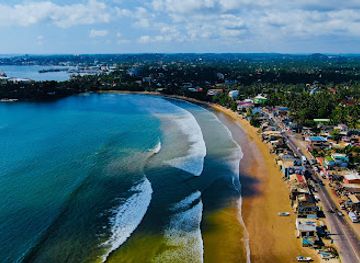
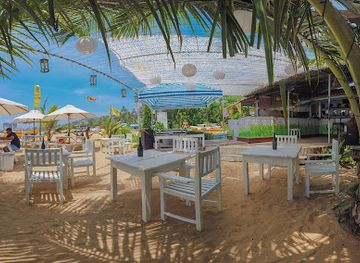
Unawatuna curves around a sheltered bay on Sri Lanka’s southern coast, a short distance from the historic city of Galle. Its broad crescent of sand, lined with palms and low-rise cafés, is the centre of village life, while the surrounding coastline alternates between rocky headlands, smaller coves and stretches of beach. The sea is generally most inviting during the island’s south-coast season, although conditions can change with monsoon weather.Read more about Unawatuna
Coastal Landscapes
Culture and Nearby Galle
When is the best time to visit Unawatuna?
Best: April–May, September · 31–33°C| Month | High (°C) | Rainfall (mm) |
|---|---|---|
| January | 31 | 150 |
| February | 32 | 125 |
| March | 32 | 100 |
| April (best) | 33 | 75 |
| May (best) | 33 | 75 |
| June | 32 | 100 |
| July | 32 | 125 |
| August | 32 | 125 |
| September (best) | 31 | 100 |
| October | 31 | 100 |
| November | 32 | 125 |
| December | 31 | 150 |
Getting to and around Unawatuna
How to get there
Transportation
Best attractions in Unawatuna
Unawatuna’s main attraction is its curving sandy bay, where palms, swimming areas and low-rise cafés create a relaxed base for exploring the southern coast. The wooded Rumassala headland rises beside the settlement, with paths and viewpoints leading towards the Japanese Peace Pagoda and the smaller cove known as Jungle Beach. Dalawella Beach and nearby coastal stretches provide further opportunities for swimming, photography and quiet walks, while reef areas attract snorkellers and divers when conditions are suitable. Inland, Yatagala Raja Maha Viharaya offers a more contemplative encounter with Sri Lankan Buddhist heritage among rock and forest scenery. A short journey west brings visitors to Galle Fort, whose ramparts, lanes, museums and colonial-era buildings provide the region’s richest concentration of historic sightseeing. Together, these places give Unawatuna a varied setting in which beach time, coastal nature, religious sites and southern Sri Lankan history can be combined without long journeys.
-
Fortress
Galle Dutch Fort
Discover Galle Dutch Fort, a UNESCO World Heritage Site, where history, culture, and stunning coastal views come together in a mesmerizing travel experience.
11 min drive · 3.8 km from city centre
-
Tourist attraction
Coconut Tree Hill
Experience the breathtaking views and serene atmosphere at Coconut Tree Hill, Mirissa – a must-visit for nature lovers and photographers.
46 min drive · 26 km from city centre
-
Tourist attraction
Galle Lighthouse
Experience the iconic Galle Lighthouse, a historic landmark blending stunning coastal views with a rich maritime legacy in Galle, Sri Lanka.
9 min drive · 3.1 km from city centre
-
Buddhist temple
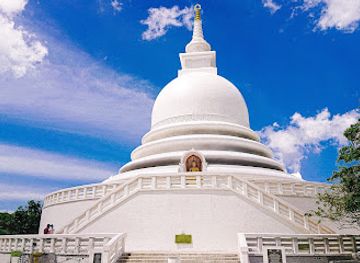
Japanese Peace Pagoda - Rumassala
Explore the serene beauty of the Japanese Peace Pagoda in Unawatuna, a tranquil Buddhist temple offering stunning ocean views and spiritual solace.
15 min walk · 1.2 km from city centre


Best landmarks in Unawatuna
The Japanese Peace Pagoda is Unawatuna’s most recognisable landmark, a white Buddhist stupa on Rumassala with views across the bay and surrounding coastline. Its peaceful setting connects the village with a modern international Buddhist peace movement rather than with the colonial history of nearby Galle. Yatagala Raja Maha Viharaya, located inland among rocks and trees, represents the area’s older Buddhist landscape and is valued for its temple setting and religious significance. The most substantial historic landmark complex nearby is Galle Fort, whose massive walls, bastions and gateway reflect Portuguese beginnings and Dutch redevelopment, with later British alterations. Within the fort, the Dutch Reformed Church, historic administrative buildings and lighthouse help reveal how trade, military power and maritime geography shaped southern Sri Lanka. These sites provide architectural and cultural context beyond Unawatuna’s beach landscape.
-
Historical landmark
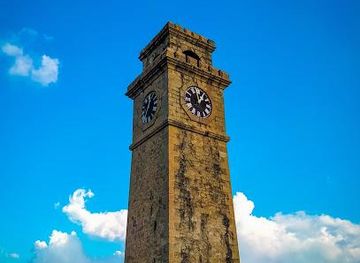
Galle Fort Clock Tower
Explore the Galle Fort Clock Tower, a historic landmark showcasing the colonial past and stunning coastal views in Sri Lanka's UNESCO World Heritage site.
11 min drive · 3.7 km from city centre
-
Buddhist temple
Japanese Peace Pagoda - Rumassala
Discover tranquility and stunning views at the Japanese Peace Pagoda, a serene Buddhist temple in Rumassala, Unawatuna.
15 min walk · 1.2 km from city centre
-
Hotel
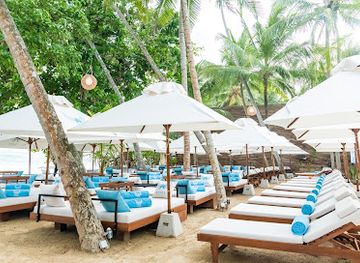
Angel Beach Unawatuna
Discover the beautiful Angel Beach Unawatuna, a perfect blend of relaxation and exquisite dining along Sri Lanka's stunning southern coast.
7 min drive · 2.2 km from city centre
-
Beach
Unawatuna Beach
Experience the stunning beauty and vibrant culture of Unawatuna Beach, a tropical paradise on Sri Lanka's southern coast, perfect for relaxation and adventure.
15 min walk · 1.2 km from city centre
Explore Unawatuna on the map
Plan your Unawatuna trip on one map. See where the top attractions, landmarks, restaurants, bars and hotels are, find what's near where you're staying, and book hotels and experiences in a few clicks.
Best hotels in Unawatuna
Best restaurants in Unawatuna
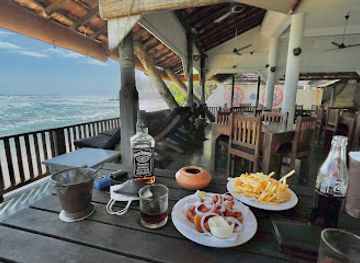
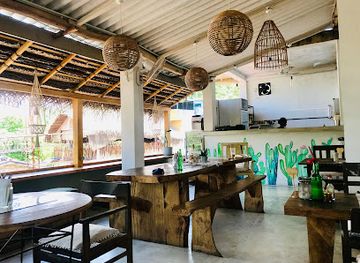
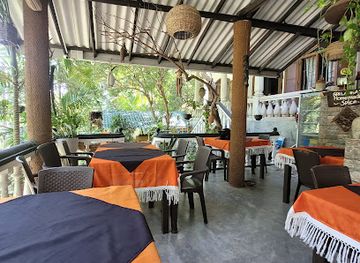
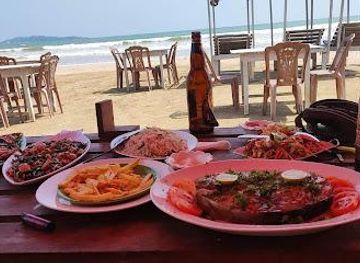
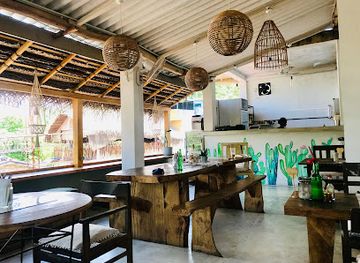
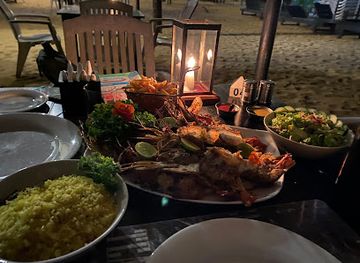
Unawatuna’s dining scene reflects both the coastal setting and Sri Lanka’s wider culinary traditions. Seafood is prominent, with fish, prawns and crab appearing alongside rice, sambols and vegetable curries, while local staples such as hoppers, string hoppers, kottu roti and lamprais introduce different textures and spice profiles. Small family-run eateries and cafés around the bay serve Sri Lankan meals, juices and tea, while beachside restaurants cater to international visitors with dishes influenced by South Asian, Middle Eastern and Western cooking. The nearby Galle area adds more cafés and contemporary restaurants, particularly around the Fort. Fresh tropical fruit, coconut, cinnamon and fragrant curry leaves are characteristic ingredients, although menus and seafood availability change with the season. Asking whether a dish is mild or spicy is useful, and seafood should be chosen from kitchens with good food-handling standards.
-
Restaurant
Wijaya Beach Restaurant
Discover exquisite dining with breathtaking ocean views at Wijaya Beach Restaurant in Unawatuna - A must-visit culinary destination.
9 min drive · 2.8 km from city centre
-
Mexican
The Hideout Unawatuna
Discover vibrant Mexican flavors at The Hideout Unawatuna - where every meal is an adventure amidst beautiful coastal scenery.
12 min walk · 1.0 km from city centre
-
Sri Lankan
Sea Waves Restaurant & Cooking Classes
Experience authentic Sri Lankan flavors at Sea Waves Restaurant & Cooking Classes in Unawatuna – where culinary traditions come alive.
17 min walk · 1.3 km from city centre
-
Seafood
Fish Point Weligama SeaFood Restaurant
Beachfront seafood grilled to perfection where you choose your catch from the daily display.
41 min drive · 21 km from city centre
Best bars in Unawatuna
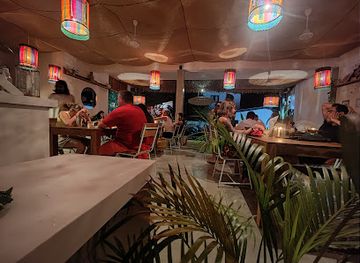
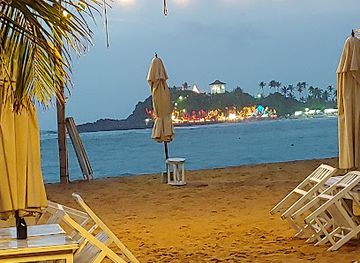
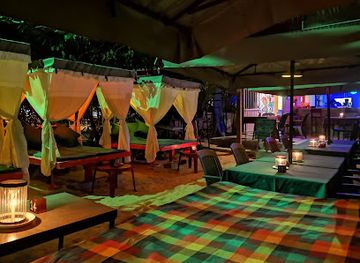
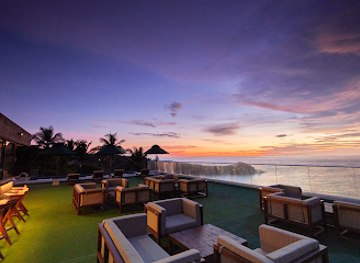
Unawatuna has a modest but sociable evening scene centred on restaurants, beach bars and small venues around the main bay rather than large nightclubs. After sunset, visitors may find relaxed spaces serving cocktails, beer, arrack-based drinks and fruit juices, with some venues offering music or informal dancing. The atmosphere varies by season, weather and the evening’s events, and the village is generally quieter than a major urban entertainment district. Galle Fort provides a more atmospheric alternative, with wine bars, cafés and restaurants in historic surroundings, while nearby beaches tend towards low-key evening dining. Sri Lankan cultural performances and occasional live music can also form part of the night-time experience. Visitors should respect local communities, avoid loud behaviour near residential areas and arrange transport back to accommodation rather than assuming that late-night public transport will be convenient.
-
Mexican
The Hideout Unawatuna
Experience the vibrant flavors of Mexico at The Hideout Unawatuna, where delicious dishes and refreshing cocktails await in a lively atmosphere.
12 min walk · 1.0 km from city centre
-
Restaurant
Koha Surf Lounge
Experience the vibrant surf culture and delightful culinary offerings at Koha Surf Lounge in Unawatuna, Sri Lanka.
14 min walk · 1.1 km from city centre
-
Restaurant
Black & White Restaurant
Experience the perfect blend of local flavors and tropical vibes at Black & White Restaurant on Unawatuna Beach.
15 min walk · 1.2 km from city centre
-
Bar
The Social Unawatuna
Experience the vibrant social scene at The Social Unawatuna, where unique cocktails and delicious cuisine await in a lively atmosphere.
14 min walk · 1.1 km from city centre
Best nightclubs in Unawatuna
Unawatuna has a modest but sociable evening scene centred on restaurants, beach bars and small venues around the main bay rather than large nightclubs. After sunset, visitors may find relaxed spaces serving cocktails, beer, arrack-based drinks and fruit juices, with some venues offering music or informal dancing. The atmosphere varies by season, weather and the evening’s events, and the village is generally quieter than a major urban entertainment district. Galle Fort provides a more atmospheric alternative, with wine bars, cafés and restaurants in historic surroundings, while nearby beaches tend towards low-key evening dining. Sri Lankan cultural performances and occasional live music can also form part of the night-time experience. Visitors should respect local communities, avoid loud behaviour near residential areas and arrange transport back to accommodation rather than assuming that late-night public transport will be convenient.
-
Bar
The Social Unawatuna
Discover the vibrant flavors and lively atmosphere at The Social Unawatuna, a perfect blend of delicious cuisine and refreshing drinks.
14 min walk · 1.1 km from city centre
-
Bar
One Love Bar and Restaurant
Experience the vibrant atmosphere and delicious cuisine at One Love Bar and Restaurant in Unawatuna, a haven for food lovers and beachgoers alike.
16 min walk · 1.3 km from city centre
-
Lounge
Buona Vista Lounge
Discover the serene ambiance and stunning views at Buona Vista Lounge in Unawatuna, the perfect retreat for travelers seeking relaxation and refreshment.
9 min walk · 0.7 km from city centre
-
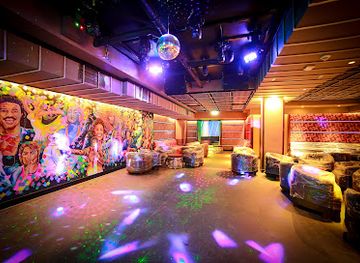
Night club
555ONE Night Club - Unawatuna by Araliya Beach Resort & Spa
Immerse yourself in the vibrant nightlife of Unawatuna at 555ONE Night Club, where music and dance meet breathtaking beachfront views.
19 min walk · 1.5 km from city centre
Best shops in Unawatuna
Shopping in Unawatuna is concentrated around small coastal shops, stalls and visitor-oriented businesses rather than large retail centres. Travellers can find Sri Lankan tea, spices, cinnamon, coconut-based products, batik, sarongs, carved wooden items, jewellery and beach clothing, although quality and authenticity vary between sellers. The village is also a convenient place to buy practical supplies, while Galle Fort offers a more considered selection of boutiques, galleries, craft shops and design-led stores in restored historic buildings. Markets and ordinary shops in the wider Galle area give a clearer view of everyday local commerce, including fruit, vegetables and household goods. Bargaining may be acceptable in informal markets but is not appropriate everywhere; a polite exchange is preferable to treating handcrafted goods as interchangeable souvenirs. Pack fragile purchases carefully, particularly ceramics, carved items and bottles of regional produce.
-
Shopping mall
The Dutch Hospital Shopping Precinct
Experience the perfect blend of history and modern shopping at The Dutch Hospital Shopping Precinct in Galle, Sri Lanka.
10 min drive · 3.2 km from city centre
-
Silk store
Natural Silk Factory
Discover the enchanting world of silk at the Natural Silk Factory in Galle, a unique blend of tradition and craftsmanship.
28 min drive · 9.2 km from city centre
-
Clothing store
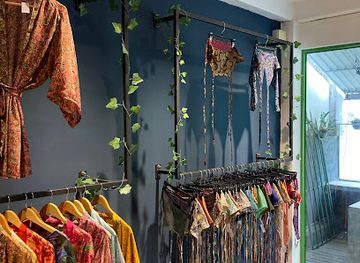
Brandis Boutique Unawatuna
Explore the vibrant styles of Sri Lanka at Brandis Boutique Unawatuna, a top destination for unique clothing and exceptional local craftsmanship.
12 min walk · 0.9 km from city centre
-
Clothing store
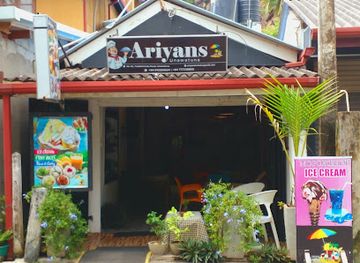
Ariyans Resturant & No3 Clothes Shop
Experience authentic Sri Lankan flavors and unique local shopping at Ariyans Restaurant & No3 Clothes Shop in Unawatuna.
11 min walk · 0.9 km from city centre
Get your free copy of our complete guide to Unawatuna, delivered straight to you.
Everything on this page, from attractions and restaurants to essentials and local phrases, in one PDF you can read offline, print or share.
Already have an account? Sign in
Your Unawatuna guide is ready.
We'll send it to · Not you? Sign out

Getting your guide ready…
We are putting together a fresh copy of the Unawatuna guide. This can take up to a minute.
This can take a few moments. If your browser asks, choose Allow so the download can start. You'll find the guide in your Downloads folder.
Nothing happened? Download it again
Sorry, the guide is taking longer than usual. Please try again in a minute, or get it by email instead.
Unawatuna essentials
Currency and Payment
Safety
Emergency Situations
Do's and Don'ts
Local Tips
From Eve
Local phrases worth knowing
You don't need to get them perfect. A few words go a long way, and locals appreciate the effort.
Basics
| English | Local | Say it |
|---|---|---|
| Hello | ආයුබෝවන් | [āyubōvan] |
| Goodbye | සමාගමු | [samāgamu] |
| Yes | ඔව් | [ōv] |
| No | නෑ | [nē] |
| Please/You're welcome | කරන්න | [karanna] |
| Thank you | ස්තූතියි | [sthūthiyi] |
| Excuse me/Sorry | කියලා දැන්නා | [kiyalā dænnā] |
| How are you? | ඔයාට කොහොමද? | [ōyāta kohomada?] |
| Fine. And you? | හොඳයි. ඔයාට? | [hōdayi. ōyāta?] |
| Do you speak English? | ඔයාට ඉංග්රීසි කතා කරනවාද? | [ōyāta iṅgrīsi kathā karanavāda?] |
| I don't understand | මම නිසා අතිනියක් නැති | [mama nisā aṭinīyak næthi] |
Eating & Drinking
| English | Local | Say it |
|---|---|---|
| I'd like to see the menu, please | මම මෙනු බලන්න කරන්න | [mama mēnu balanna karanna] |
| I don't eat meat | මම වන්න කාබ කරන්න නැති | [mama van̆na kāba karanna næthi] |
| Cheers! | සුමි | [sumi] |
| I would like to pay, please | මම ගෙවන්න කරන්න | [mama gewanna karanna] |
Emergencies
| English | Local | Say it |
|---|---|---|
| Help! | උකුල්ලන්න! | [ukullanna] |
| Go away! | පුරාණයක් යන්න | [purānayak yan̆na] |
| Call the Police! | පොලිස් කරන්න | [polis karanna] |
| Call a doctor! | වෛරස් කරන්න | [vǣras karanna] |
| I'm lost | මම අත්හිටුවා | [mama aṭhiṭuwā] |
| I'm ill | මම අස්වැර්ණවා | [mama asværnawā] |
Shopping
| English | Local | Say it |
|---|---|---|
| I'd like to buy... | මම ... මිලදී ගත්තා කරන්න | [mama ... miladī gatthā karanna] |
| I'm just looking | මම බලමු | [mama balamu] |
| How much is it? | එය කොහේ ද? | [ēya kohē da?] |
| That's too expensive | එය ඉගෙන්නට වේද? | [ēya igeṇnat wēda?] |
| Can you lower the price? | මිල අඩු කරන්න කළුද? | [mila aḍu karanna kaludu?] |
Time & Numbers
| English | Local | Say it |
|---|---|---|
| What time is it? | වේලාව කොහොමද? | [wēlāva kohomada?] |
| It's one o'clock | එක් වේලාවක් | [eka wēlāvak] |
| Half past (10) | දහයා (10) | [dahayā (10)] |
| Morning | පාන්දු | [pāndu] |
| Afternoon | පසළ | [pasala] |
| Evening | වැල | [wæla] |
| Yesterday | ඊයේ | [īyē] |
| Today | අද | [ada] |
| Tomorrow | හෙට | [hæta] |
| 1 | එක | [eka] |
| 2 | දෙක | [dēka] |
| 3 | තුන | [thuna] |
| 4 | හා | [hā] |
| 5 | පහ | [paha] |
| 6 | හය | [haya] |
| 7 | හත | [hatha] |
| 8 | අශ්චෝ | [aščō] |
| 9 | නවය | [navaya] |
| 10 | දහය | [dahaya] |
Transport & Directions
| English | Local | Say it |
|---|---|---|
| Where's a/the...? | ... කොටුව කොහේ තියෙන්න? | [kotuwa kohē tīyenna?] |
| What's the address? | ලිපිනය කුමක් ද? | [lipinaya kumak da?] |
| Can you show me (on the map)? | මම තියෙනවාද (මුදුමෙහි)? | [mama tīyanavadā (mudumehi)?] |
| When's the next (bus)? | ඊළඟට කොත්තුව කොහේ තියෙන්න? | [īlagata kottuwa kohē tīyenna?] |
| A ticket (to ....) | තිකෙට් කරන්න (.... වෙනුවට) | [tiket karanna (.... wenuwat)] |
History of Unawatuna
Early Coastal Settlement
Unawatuna developed as a coastal settlement within the historic southern region of Sri Lanka, where fishing, small-scale agriculture and maritime movement shaped everyday life. The bay’s sheltered form made it a useful natural anchorage, while the wider coast connected communities with trading networks extending across the Indian Ocean. The name Unawatuna is commonly associated with a legendary passage in the Ramayana, although that story belongs to literary and religious tradition rather than securely documented local history. Buddhist worship has long formed part of the surrounding cultural landscape, represented by temples such as Yatagala Raja Maha Viharaya in the nearby countryside.
Galle and Indian Ocean Trade
Unawatuna’s history is closely tied to Galle, one of the major ports on Sri Lanka’s southern coast. Arab, South Asian and other merchant communities used the harbour and surrounding coastline for centuries before European colonial rule. Galle’s position made the region important for the movement of spices, precious goods and maritime information across the Indian Ocean. Although Unawatuna remained a smaller settlement, its coastal economy was influenced by the port, the circulation of travellers and the fishing communities living around the bay.
Portuguese and Dutch Influence
European powers reshaped the Galle region from the sixteenth century onwards. The Portuguese established control over Galle in the sixteenth century, and the Dutch captured the settlement in 1640 before developing the fortified town that survives today. Their influence extended beyond military architecture into administration, religion, trade and building styles. Unawatuna does not possess a comparable colonial citadel, but its proximity to Galle means that the village forms part of a landscape shaped by the port’s fortified history and by centuries of contact between Sri Lanka and overseas powers.
British Rule and Coastal Change
The British took control of Galle in 1796, and the southern coast subsequently became part of British Ceylon. Colonial administration brought new systems of transport, commerce and land management, while Galle continued to function as an important regional port. Around Unawatuna, fishing and village life remained central, but coastal settlements increasingly became connected to the wider road network and to the economic activity of Galle. The layered colonial history visible in nearby Galle Fort therefore provides the strongest architectural record of the period for visitors staying in Unawatuna.
Modern Tourism and Renewal
After Sri Lanka gained independence in 1948, Unawatuna gradually became known beyond the surrounding region for its beach and coastal scenery. Guesthouses, restaurants and small visitor businesses grew around the bay, adding tourism to established fishing and village economies. The 2004 Indian Ocean tsunami caused severe destruction along Sri Lanka’s southern coast, including Unawatuna, and reconstruction altered parts of the shoreline and local built environment. In recent decades, the village has developed as a compact beach destination while retaining its links with Galle, Buddhist institutions and the working coast.
Unawatuna in Photos
Browse through our photo collection highlighting the charm and character of the destination.
Cities near Unawatuna
The closest cities to Unawatuna, if you have time for more than one stop.
-

-

-

-

-


Swipe for more cities
Explore more

Explore more of Sri Lanka
Discover Sri Lanka: Rich culture, stunning landscapes, and warm hospitality await you in this tropical paradise. Explore ancient cities, wildlife, tea plantations, and pristine beaches.
Explore Sri Lanka