

Free Bentota Travel Guide & Mobile App
Plan your Bentota trip with Evendo. Get free guides to top attractions, restaurants, hotels, and bars. Web access or download the mobile app.


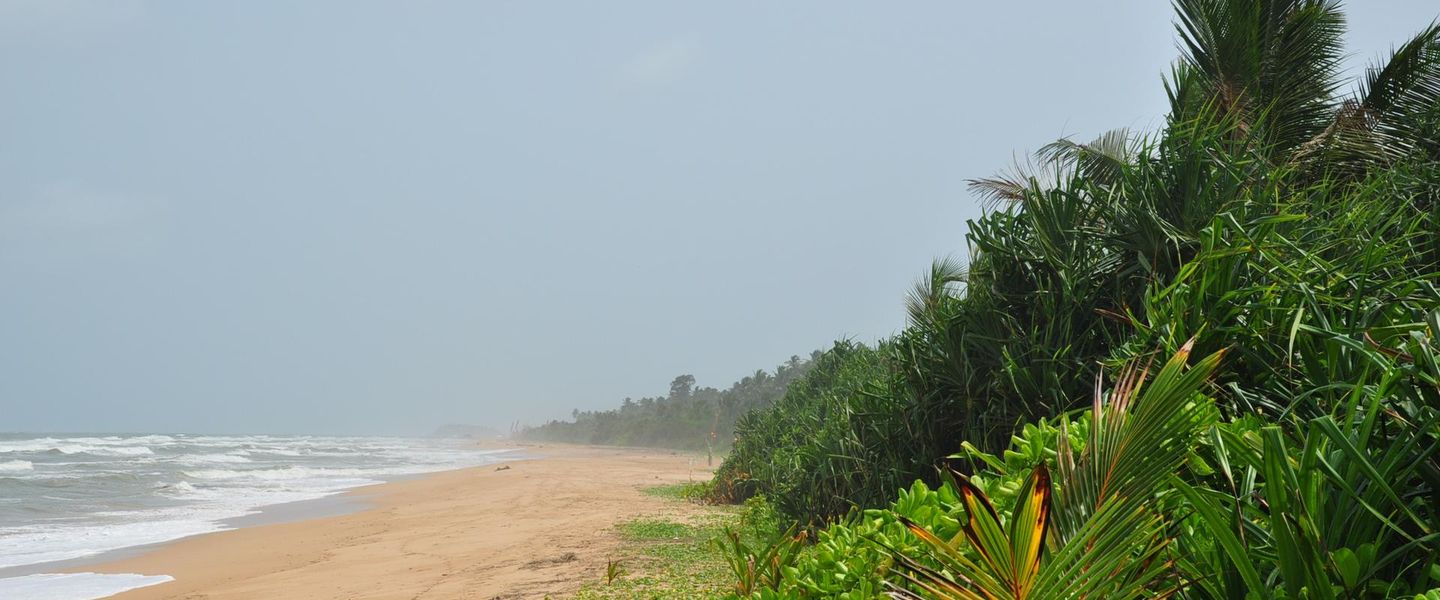


Bentota, Sri Lanka, pairs palm-fringed beaches and river adventures with Ayurveda, water sports, gardens and easy access to the island's southwest coast.
Beach and River
Bentota occupies a narrow coastal stretch in Sri Lanka’s southwest, where the Indian Ocean meets the broad Bentota River. Its long sandy beach, warm water and palm-lined shore have made it one of the island’s best-known resort areas, yet the landscape remains shaped as much by lagoons, wetlands and waterways as by the sea. Mornings often begin with beach walks and swimming, while the river provides a quieter setting for boat journeys through mangroves and low-lying coastal vegetation.Read more about Bentota
Designed Leisure and Tropical Landscapes
Coastal Sri Lankan Life
When is the best time to visit Bentota?
Best: January–March · 31–32°C| Month | High (°C) | Rainfall (mm) |
|---|---|---|
| January (best) | 31 | 109 |
| February (best) | 32 | 79 |
| March (best) | 32 | 70 |
| April | 33 | 184 |
| May | 32 | 424 |
| June | 32 | 211 |
| July | 31 | 159 |
| August | 31 | 175 |
| September | 31 | 219 |
| October | 31 | 411 |
| November | 30 | 389 |
| December | 30 | 332 |
Getting to and around Bentota
How to get there
Transportation
Best attractions in Bentota
Bentota’s principal attraction is its long beach, where broad sand, palms and the open Indian Ocean create space for swimming, walks and water sports when conditions are suitable. The Bentota River offers a contrasting landscape of calm channels, mangroves and birdlife, explored by canoe, small boat or guided river excursion. Inland, Lunuganga Estate at Dedduwa reveals Geoffrey Bawa’s carefully composed garden landscapes, while Brief Garden, created by his brother Bevis Bawa, combines tropical planting, sculpture and intimate garden rooms. The nearby Kande Vihara Buddhist temple is known for its large seated Buddha image and elevated setting, and Galapata Vihara provides a quieter religious and cultural visit. Aluthgama adds a local market town atmosphere, with everyday commerce and transport links rather than resort scenery. Together, these places give Bentota a broader identity than a beach destination alone.
-
Buddhist temple
Kalutara Bodhiya
Explore the tranquility and spiritual depth of Kalutara Bodhiya, a stunning Buddhist temple in Sri Lanka, and immerse yourself in its rich heritage.
39 min drive · 19 km from city centre
-
Buddhist temple
Kande Vihara Temple
Explore the serene Kande Vihara Temple in Beruwala, a cultural gem showcasing stunning architecture and rich Buddhist traditions.
10 min drive · 3.3 km from city centre
-
Buddhist temple
Kande Vihara Temple
Experience the spiritual serenity and architectural beauty of Kande Vihara Temple, a must-visit Buddhist temple in Beruwala, Sri Lanka.
10 min drive · 3.3 km from city centre
-
Animal protection organization
Victor Hasselblad Sea Turtle Research And Conservation Centre
Explore the Victor Hasselblad Sea Turtle Research and Conservation Centre in Kosgoda, where education meets conservation for endangered sea turtles.
30 min drive · 10 km from city centre


Best landmarks in Bentota
Bentota’s most distinctive landmarks connect modern tropical design with older Buddhist and colonial-era landscapes. The resort architecture associated with Geoffrey Bawa is significant for its use of courtyards, water, verandas and dense planting rather than imposing façades. Lunuganga Estate at Dedduwa is the clearest expression of Bawa’s personal garden work, while nearby Brief Garden records the artistic landscape made by Bevis Bawa. Kande Vihara, in Aluthgama, is a prominent Buddhist pilgrimage site marked by its large seated Buddha and temple complex. Galapata Vihara, associated with a historic monastic setting, adds religious depth to the area. The Bentota railway station and coastal railway corridor are more modest landmarks, but they represent the transport infrastructure that opened this once-small coastal settlement to wider regional movement and tourism.
-
Buddhist temple
Kande Vihara Temple
Explore the tranquility and rich heritage of Kande Vihara Temple, a must-visit Buddhist temple in Beruwala, Sri Lanka, surrounded by stunning landscapes.
10 min drive · 3.3 km from city centre
-
Resort hotel
Thaala Bentota
Experience the ultimate tropical getaway at Thaala Bentota, where luxury meets nature along Sri Lanka's stunning coastline.
7 min walk · 0.6 km from city centre
-
Resort hotel
Cinnamon Bentota Beach
Discover the ultimate beachfront luxury at Cinnamon Bentota Beach, where tropical beauty meets exceptional service for an unforgettable getaway.
8 min walk · 0.6 km from city centre
-
Resort hotel
Centara Ceysands Resort & Spa Sri Lanka
Discover unparalleled luxury and tranquility at Centara Ceysands Resort & Spa, a tropical paradise in Sri Lanka, perfect for relaxation and adventure.
18 min walk · 1.4 km from city centre


Explore Bentota on the map
Plan your Bentota trip on one map. See where the top attractions, landmarks, restaurants, bars and hotels are, find what's near where you're staying, and book hotels and experiences in a few clicks.
Best hotels in Bentota
Best restaurants in Bentota
Bentota’s food scene is centred on Sri Lankan home-style cooking, hotel restaurants and informal eateries serving seafood brought in from the coast. Rice and curry may include fish, prawns, dhal, mallung, coconut-based sambols and seasonal vegetables, while hoppers, string hoppers and kottu provide popular lighter or casual meals. Spicy crab and lagoon fish feature on many menus, though availability changes with catches and weather. Coconut, curry leaves, pandan, cinnamon and dried fish give local cooking much of its character. Along the resort strip, restaurants also offer Indian, Chinese and international dishes for visitors, while Aluthgama provides a more everyday setting for snacks, fruit and local meals. Ask about ingredients when ordering, especially with seafood or chilli, and choose busy establishments where food turnover is likely to be good.
-
Restaurant
Pier88 River Bar/cafe/Restaurant/pizzeria
Experience exquisite dining at Pier88 River Bar – where delicious cuisine meets breathtaking riverside views in Aluthgama.
12 min walk · 1.0 km from city centre
-
Restaurant
Amal Restaurant & Cocktail Bar and Shisha Bar Bentota
Discover Amal Restaurant & Cocktail Bar: A Culinary Paradise Offering Italian, Seafood & Sri Lankan Delights in Beautiful Bentota.
12 min walk · 1.0 km from city centre
-
Restaurant
Rana Seafood Restaurant
Experience exquisite seafood dining at Rana Seafood Restaurant in Bentota – where fresh flavors meet stunning coastal views.
5 min walk · 0.4 km from city centre
-
Restaurant
Vintage Restaurant
Discover delightful flavors at Vintage Restaurant in Bentota - where local meets international cuisine in a charming setting.
4 min walk · 0.3 km from city centre


Best bars in Bentota
Bentota’s evening scene is generally relaxed and resort-oriented rather than built around large clubs. Hotel bars, beach restaurants and small lounges provide places for cocktails, Sri Lankan arrack, beer, wine and music after sunset, with some venues offering performances or quiet outdoor seating. The main resort area is more active than inland villages, while Aluthgama has a practical local-town atmosphere rather than a concentrated nightlife district. Some evenings may include live music, cultural dance or entertainment arranged by hotels, although programmes vary. Visitors should remember that the coast is not uniformly lit after dark and that swimming or walking alone beside the river or beach at night carries avoidable risks. Modest dress and considerate behaviour are appropriate away from dedicated hotel venues.
-
Restaurant
Pier88 River Bar/cafe/Restaurant/pizzeria
Pier88 River Bar: Experience a culinary delight with riverside dining, diverse cuisine, and a vibrant atmosphere perfect for tourists.
12 min walk · 1.0 km from city centre
-
Restaurant
Amal Restaurant & Cocktail Bar and Shisha Bar Bentota
Experience the best of Sri Lankan and Italian cuisine at Amal Restaurant & Cocktail Bar, a vibrant beach club in Bentota, perfect for food lovers.
12 min walk · 1.0 km from city centre
-
Restaurant
Vintage Restaurant
Experience the rich flavors of Sri Lankan cuisine at Vintage Restaurant in Bentota, where tradition meets culinary excellence.
4 min walk · 0.3 km from city centre
-
Restaurant
Golden Grill Restaurant
Experience the perfect blend of Sri Lankan and Indian cuisine at Golden Grill Restaurant in beautiful Bentota.
5 min walk · 0.4 km from city centre


Best nightclubs in Bentota
Bentota’s evening scene is generally relaxed and resort-oriented rather than built around large clubs. Hotel bars, beach restaurants and small lounges provide places for cocktails, Sri Lankan arrack, beer, wine and music after sunset, with some venues offering performances or quiet outdoor seating. The main resort area is more active than inland villages, while Aluthgama has a practical local-town atmosphere rather than a concentrated nightlife district. Some evenings may include live music, cultural dance or entertainment arranged by hotels, although programmes vary. Visitors should remember that the coast is not uniformly lit after dark and that swimming or walking alone beside the river or beach at night carries avoidable risks. Modest dress and considerate behaviour are appropriate away from dedicated hotel venues.
-
Restaurant
Amal Restaurant & Cocktail Bar and Shisha Bar Bentota
Discover culinary delights at Amal Restaurant & Cocktail Bar in Bentota, where Italian, Sri Lankan, and seafood cuisines meet stunning ocean views.
12 min walk · 1.0 km from city centre
-
 Holiday park
Club Bentota
Experience the tranquility of Club Bentota, a premier holiday park in Paradise Island, Aluthgama, offering relaxation and adventure amidst stunning natural beauty.
7 min drive · 2.2 km from city centre
-
Restaurant
Golden Grill Restaurant
Discover the culinary delights of Golden Grill Restaurant in Bentota, where local flavors meet vibrant hospitality in a charming atmosphere.
5 min walk · 0.4 km from city centre
-
Hotel
Club Villa Bentota
Experience luxury and tranquility at Club Villa Bentota, your perfect getaway along Sri Lanka's stunning coast with fine dining and breathtaking views.
8 min walk · 0.7 km from city centre


Best shops in Bentota
Shopping in Bentota is spread between the resort strip, small local shops and the commercial centre of Aluthgama rather than concentrated in a single grand retail quarter. Visitors can look for Sri Lankan batik, hand-carved wooden items, masks, woven goods, jewellery and packaged spices, while cinnamon and coconut-based products reflect the agricultural traditions of the southwest. Roadside stalls and local markets are useful for fruit, snacks and everyday goods, although selection and opening patterns vary. Some shops also sell gemstones and jewellery; buyers should use established businesses, request proper documentation and avoid pressure to purchase. Hotel boutiques tend to focus on souvenirs, whereas Aluthgama offers a more ordinary local shopping experience. Bargaining may be acceptable in informal stalls, but it should be conducted courteously and without treating essential local goods as a game.
-
Wine store
New Bentota Wine Stores
Explore a treasure trove of wines at New Bentota Wine Stores, where every bottle tells a story of flavor and tradition.
4 min walk · 0.3 km from city centre
-
Jeweler
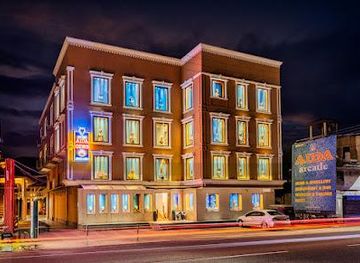
Aida Gems & Jewellery
Discover the brilliance of Sri Lankan gems at Aida Gems & Jewellery, where tradition meets elegance in every exquisite piece.
7 min walk · 0.6 km from city centre
-
Asian grocery store
Themira Stores
Discover the taste of Asia at Themira Stores in Bentota, your go-to Asian grocery store for authentic ingredients and local delights.
5 min drive · 1.8 km from city centre
-
Grocery store
JAYASEWANA FRUIT CENTER
Explore the vibrant flavors of Sri Lanka at Jayasewana Fruit Center, Bentota's premier grocery store for fresh fruits and local produce.
3 min walk · 0.3 km from city centre



Get your free copy of our complete guide to Bentota, delivered straight to you.
Everything on this page, from attractions and restaurants to essentials and local phrases, in one PDF you can read offline, print or share.
Already have an account? Sign in
Your Bentota guide is ready.
We'll send it to · Not you? Sign out

Getting your guide ready…
We are putting together a fresh copy of the Bentota guide. This can take up to a minute.
This can take a few moments. If your browser asks, choose Allow so the download can start. You'll find the guide in your Downloads folder.
Nothing happened? Download it again
Sorry, the guide is taking longer than usual. Please try again in a minute, or get it by email instead.
Bentota essentials
Currency and Payment
Safety
Emergency Situations
Do's and Don'ts
Local Tips
From Eve
Local phrases worth knowing
You don't need to get them perfect. A few words go a long way, and locals appreciate the effort.
Basics
| English | Local | Say it |
|---|---|---|
| Hello | ආයුබෝවන් | [ayubowan] |
| Goodbye | සුභම හරි | [suba harē] |
| Yes | ඔව් | [ōv] |
| No | නෑ | [nē] |
| Please/You're welcome | කරද්දෙයි | [karaddeyi] |
| Thank you | ස්තූතියි | [sthūtiyi] |
| Excuse me/Sorry | කියන්නේ | [kiyannē] |
| How are you? | ඔයා කොහොමද? | [ōyā kohomada?] |
| Fine. And you? | හදාගෙන ඇත්තෙයි. ඔයා? | [hadāgen ēttēyi. ōyā?] |
| Do you speak English? | ඔයා ඉංග්රීසි කතා කරයිද? | [ōyā iṁgrīsi kathā karayida?] |
| I don't understand | මට දන්හලවියයි | [mata danahalaviyai] |
Eating & Drinking
| English | Local | Say it |
|---|---|---|
| I'd like to see the menu, please | කරුණාකර මෙනු බලන්න | [karunakara menu balanna] |
| I don't eat meat | මම මස් කෑම නැත | [mama mas kāma nātha] |
| Cheers! | සුභප්පා | [subappā] |
| I would like to pay, please | කරුණාකර ගෙවන්නට ඇති | [karunakara gēvannata ēti] |
Emergencies
| English | Local | Say it |
|---|---|---|
| Help! | උක්කලවූ | [ukkalavū] |
| Go away! | යන්නහොත් | [yannahōt] |
| Call the Police! | පොලිස් ගෙනානවා | [polis gēnawā] |
| Call a doctor! | වෛර ගෙනානවා | [varā gēnawā] |
| I'm lost | මම අව්යාපාලයා | [mama avyāpālayā] |
| I'm ill | මම අව්යාපාලයා | [mama avyāpālayā] |
Shopping
| English | Local | Say it |
|---|---|---|
| I'd like to buy... | මම ... මිල ගත්තා හොඳේ | [mama ... mila gattha hōdē] |
| I'm just looking | මම පදිනව | [mama padinava] |
| How much is it? | එය කොහෙද? | [ēya koheda?] |
| That's too expensive | එය ඉතා ගාළු | [ēya ita gālu] |
| Can you lower the price? | මිල අඩු කරනවාද? | [mila adu karanavāda?] |
Time & Numbers
| English | Local | Say it |
|---|---|---|
| What time is it? | කොහෙද? | [koheda?] |
| It's one o'clock | එකට | [ēkata] |
| Half past (10) | (දහයට සාප්පා) | [(dahayata sappā)] |
| Morning | උදේ | [udē] |
| Afternoon | පැය | [pāya] |
| Evening | සවුන | [savuna] |
| Yesterday | ඊළෙලෙල් | [ēlēlel] |
| Today | අද | [ada] |
| Tomorrow | හෙට | [hēda] |
| 1 | එක | [ēka] |
| 2 | දෙක | [dēka] |
| 3 | තුන | [thuna] |
| 4 | හතලි | [hathali] |
| 5 | පහ | [paha] |
| 6 | හය | [haya] |
| 7 | හත | [hatha] |
| 8 | අට | [ata] |
| 9 | නම | [nama] |
| 10 | දහ | [daha] |
Transport & Directions
| English | Local | Say it |
|---|---|---|
| Where's a/the...? | ...වෙත? | [...wētha?] |
| What's the address? | ලිපිනය කුමක්ද? | [lipinaya kumakda?] |
| Can you show me (on the map)? | මගෙයි පිටකල් හෙයියාද? | [magēyi pitakal hēyiyada?] |
| When's the next (bus)? | ඊළඟට කොහෙද? | [ēlagata koheda?] |
| A ticket (to ....) | ගෙනාද්දට පිටකල් එකත් | [gēnaddata pitakal ēkath] |
History of Bentota
Early Coastal Settlements and Trade
The Bentota area developed within the long-settled coastal belt of southwestern Sri Lanka, where river mouths, lagoons and inland waterways supported fishing, cultivation and movement between villages. The Bentota River provided a natural transport route inland, while the coast formed part of wider trading networks linking Sri Lanka with ports across the Indian Ocean. Cinnamon, areca, rice and other agricultural products moved through these networks, although the settlement was not a major royal capital. Religious sites and village communities in the surrounding area reflect the enduring importance of Buddhism and the settled agrarian culture of the southwest.
Portuguese and Dutch Coastal Rule
From the sixteenth century, European powers competed for control of Sri Lanka’s maritime trade and the coastal territory that included the Bentota region. Portuguese influence preceded Dutch rule, which expanded after the Dutch East India Company took control of much of the southwest coast in the seventeenth century. Their interest centred on ports, revenue and the cinnamon trade rather than the later resort identity of Bentota. Inland waterways and coastal routes remained important for moving goods, and the commercial systems established during this period helped connect local production with international markets.
British Administration and the Colonial Economy
The British took control of the Dutch-held coastal territories in the late eighteenth century and later unified the island under colonial administration. During the nineteenth and early twentieth centuries, roads, railways and plantation-based commerce reshaped connections along the southwest coast. Cinnamon remained significant, while coconut, rubber and other crops contributed to the regional economy. The railway line linking Colombo with the south made coastal settlements more accessible and strengthened movement of people and goods. Bentota itself remained a small river-and-coast community rather than a major urban centre.
Independence and the Rise of Tourism
After Sri Lanka gained independence in 1948, planned tourism became an important part of national economic development. Bentota was selected for coastal resort development because of its beach, river, road and railway connections. Architect Geoffrey Bawa played a significant role in shaping the area’s tourism landscape during the 1960s, promoting buildings and public spaces that responded to tropical vegetation, water and local materials. This approach helped distinguish Bentota from a simple strip of beach hotels and established the design language associated with Sri Lanka’s early modern resort architecture.
Bentota in Contemporary Sri Lanka
Bentota’s economy today combines tourism with the older activities of fishing, small-scale agriculture, transport and trade. Hotels, guesthouses, restaurants and water-sports businesses occupy the coastal corridor, while Aluthgama remains an important local commercial centre. Ayurveda, garden tourism and river excursions have broadened the area’s appeal beyond seaside bathing. The destination also reflects Sri Lanka’s wider contemporary history, including the effects of the 2004 Indian Ocean tsunami and subsequent rebuilding along the coast. Its present character lies in the meeting of planned tourism, long-established communities and a still powerful riverine landscape.
Bentota in Photos
Browse through our photo collection highlighting the charm and character of the destination.
Cities near Bentota
The closest cities to Bentota, if you have time for more than one stop.
-

-

-

-

-


Swipe for more cities
Explore more

Explore more of Sri Lanka
Discover Sri Lanka: Rich culture, stunning landscapes, and warm hospitality await you in this tropical paradise. Explore ancient cities, wildlife, tea plantations, and pristine beaches.
Explore Sri Lanka