

Minneriya National Park Travel Guide - Free Web & App
Your ultimate guide to Minneriya National Park. Discover top landmarks, proposed trips, and local tips. Free on the web or via the Evendo companion app.


Minneriya National Park in Sri Lanka offers elephant safaris, ancient reservoir landscapes, dry-zone wildlife and easy access from Habarana and Polonnaruwa.
Dry-Zone Landscapes and the Minneriya Tank
Minneriya National Park lies in Sri Lanka’s North Central Province, between the historic cities of Polonnaruwa and Anuradhapura and close to the visitor hub of Habarana. Its defining feature is the broad Minneriya Tank, an ancient reservoir whose open margins, marshes and surrounding grasslands contrast with dry-zone forest. The park is not a compact garden-like reserve: habitats extend across a substantial landscape, and safari routes vary with water levels, weather and wildlife movements.Read more about Minneriya National Park
Elephants and Seasonal Wildlife
Heritage in a Wider Cultural Landscape
When is the best time to visit Minneriya National Park?
Best: January–March · 30–31°C| Month | High (°C) | Rainfall (mm) |
|---|---|---|
| January (best) | 30 | 132 |
| February (best) | 31 | 94 |
| March (best) | 31 | 147 |
| April | 32 | 257 |
| May | 32 | 400 |
| June | 32 | 308 |
| July | 32 | 183 |
| August | 31 | 161 |
| September | 31 | 265 |
| October | 31 | 451 |
| November | 31 | 570 |
| December | 31 | 588 |
Getting to and around Minneriya National Park
How to get there
Transportation
Best attractions in Minneriya National Park
The principal attraction is the Minneriya Tank, whose open shores and seasonal grasslands provide the setting for some of Sri Lanka’s most notable wild elephant gatherings. Safari routes also pass through dry forest, scrub and wetland habitats where visitors may see spotted deer, sambar, wild buffalo, wild boar, macaques and a varied selection of resident and migratory birds, although sightings depend on season and chance. The park’s natural experience is complemented by nearby cultural attractions rather than by facilities inside the reserve: Habarana and Sigiriya lie to the west, Dambulla to the south-west and the ancient city of Polonnaruwa to the east. Kaudulla National Park, another important elephant habitat, is a separate protected area whose conditions may differ from those at Minneriya. Together, these places make the region notable for the relationship between ancient irrigation, wildlife movement and the surviving monuments of Sri Lanka’s cultural triangle.
-
Wildlife and safari park
Kaudulla Jeep Safari (Menula) Kaudulla & Minneriya Safari Service
Explore the breathtaking landscapes and wildlife of Sri Lanka at Kaudulla Jeep Safari, where adventure and nature come together in harmony.
-
Wildlife park
Gal Oya Eco Park
Explore Gal Oya Eco Park, a wildlife haven in Sri Lanka known for its stunning landscapes and diverse animal species, ideal for nature lovers and adventurers.
-
Park
Rambawilla Elephant Watching
Discover the enchanting world of elephants at Rambawilla Elephant Watching, a serene park dedicated to wildlife observation and nature appreciation.
-
 Tourist attraction
view point
Discover the serene beauty of Minneriya View Point, a picturesque attraction offering breathtaking vistas and unforgettable wildlife encounters in Sri Lanka.


Best landmarks in Minneriya National Park
The Minneriya Tank is the park’s defining landmark, an ancient reservoir whose broad sheet of water, bund and exposed margins demonstrate the lasting influence of Sri Lanka’s hydraulic civilisation. Its seasonal grasslands are also closely associated with the gathering of wild elephants, giving the landscape both ecological and cultural significance. Within the wider region, the ruined city of Polonnaruwa provides a major architectural counterpart, with royal, monastic and sculptural remains linked to the medieval irrigation landscape. Sigiriya Rock and the Dambulla cave temple are important nearby landmarks, but both stand outside Minneriya National Park and should be treated as separate visits. The park’s most significant landmarks are therefore not monumental buildings within its boundaries, but the reservoir, forest, wetland and open shore that connect ancient water management with a living dry-zone ecosystem.
-
Lake
Minneriya Wewa
Explore the natural beauty of Minneriya Wewa, a serene lake in Sri Lanka filled with wildlife and stunning landscapes, perfect for nature lovers.
-
Tour operator
Hurulu Eco Park - Wild Elephant Safari
Explore Hurulu Eco Park, a premier wildlife sanctuary in Sri Lanka, home to majestic elephants and diverse ecosystems, perfect for nature enthusiasts and adventure seekers.
-
Buddhist temple
Minneriya Wawe Devalaya
Discover the serene beauty and spiritual essence of Minneriya Wawe Devalaya, a must-visit Buddhist temple in Sri Lanka's lush landscapes.
-
Tourist attraction
Minneriya Wewa - Bathing Place (නාන තොටුපල)
Explore the breathtaking Minneriya Wewa, a serene reservoir in Sri Lanka known for its stunning wildlife and natural beauty, perfect for nature enthusiasts.


Explore Minneriya National Park on the map
Plan your trip on one map. See where the top attractions, landmarks, restaurants and hotels are, and book hotels and experiences in a few clicks.
Best hotels in Minneriya National Park
Best restaurants in Minneriya National Park
Minneriya National Park has limited dining infrastructure, so most visitors eat at their accommodation or in nearby Habarana, Dambulla, Sigiriya and Polonnaruwa. Local restaurants and guesthouses commonly serve Sri Lankan rice and curry, vegetable dishes, dhal, sambols, roti and short eats, with menus shaped by regional produce and the island’s broader culinary traditions. Travellers may also find fruit, tea and simple meals along main roads, while larger hotels offer more extensive Sri Lankan and international menus. A packed breakfast or lunch can be practical for an early safari or a full day combining the park with archaeological sites, but food should be carried responsibly and never offered to wildlife. Dining options become thinner near the reserve itself, making it sensible to arrange meals through a hotel or confirm availability before leaving a gateway settlement.
-
Restaurant
Rathna Mills Minneriya
Discover the flavors of Sri Lanka at Rathna Mills Minneriya - where every meal tells a story.

Best bars in Minneriya National Park
Minneriya is a rural protected landscape rather than a nightlife destination, and there are no established club districts inside the national park. Evenings are generally quiet, with visitors returning to hotels, guesthouses and eco-lodges around Habarana, Sigiriya, Dambulla or Polonnaruwa. These accommodation areas may provide a bar, a restaurant or an informal place to have a drink, but the atmosphere is usually oriented towards conversation, dinner and rest before an early safari rather than late-night entertainment. Traditional village establishments and hotel dining rooms offer more representative evening experiences than commercial nightlife, while seasonal cultural performances may be available in the wider cultural triangle without being a permanent feature. Alcohol availability and licensing can vary between properties, particularly outside larger tourist hotels, so arrangements are best checked locally rather than assumed.
-
Bar
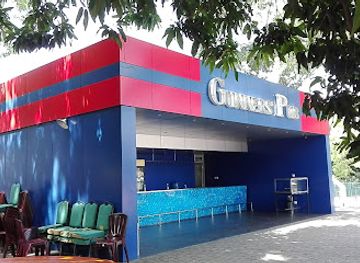
Gunners Pub
Discover the lively Gunners Pub in Minneriya, where local flavors and vibrant nightlife blend for a memorable experience.
Best nightclubs in Minneriya National Park
Minneriya is a rural protected landscape rather than a nightlife destination, and there are no established club districts inside the national park. Evenings are generally quiet, with visitors returning to hotels, guesthouses and eco-lodges around Habarana, Sigiriya, Dambulla or Polonnaruwa. These accommodation areas may provide a bar, a restaurant or an informal place to have a drink, but the atmosphere is usually oriented towards conversation, dinner and rest before an early safari rather than late-night entertainment. Traditional village establishments and hotel dining rooms offer more representative evening experiences than commercial nightlife, while seasonal cultural performances may be available in the wider cultural triangle without being a permanent feature. Alcohol availability and licensing can vary between properties, particularly outside larger tourist hotels, so arrangements are best checked locally rather than assumed.
-
Guest house
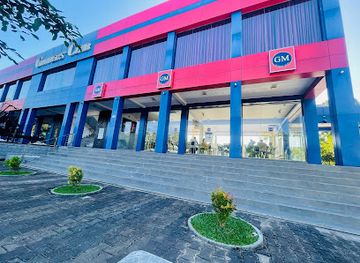
Gunners Club
Experience the unique blend of hospitality and military history at Gunners Club, a charming guesthouse in Sri Lanka.
-
Bar
Gunners Pub
Discover the vibrant atmosphere of Gunners Pub in Minneriya, where local culture meets exceptional hospitality and refreshing drinks.
-
Bar
Kk mrk
Discover the vibrant nightlife at Kk mrk, a lively bar in Katukeliyawa offering eclectic drinks and a welcoming atmosphere for tourists.
-
Bar
Sandpiper Bar
Discover the lively spirit of Girithale at Sandpiper Bar, where refreshing drinks and a friendly atmosphere await every traveler.


Best shops in Minneriya National Park
Shopping within Minneriya National Park is limited to practical purchases associated with safari travel, while more varied retail opportunities are found in Habarana, Dambulla and Polonnaruwa. Visitors may encounter small shops selling drinks, snacks and everyday supplies, alongside hotel boutiques or craft displays aimed at travellers exploring the cultural triangle. Regional purchases can include Sri Lankan tea, spices, herbal products, batik, handloom textiles, wood or lacquer work and locally produced food, although quality and availability vary between sellers. Dambulla is a significant agricultural and trading centre, and its wider market area reflects the produce of the dry zone, while Polonnaruwa has shops serving visitors to the ancient city. Bargaining may be customary in some informal settings but is not appropriate everywhere; buying directly from genuine artisans or established local businesses offers a more useful connection with regional craft traditions.
-
sunil bekari
Explore the vibrant world of local crafts at Sunil Bekari, where every souvenir tells a story of culture and craftsmanship.
Get your free copy of our complete guide to Minneriya National Park, delivered straight to you.
Everything on this page, from attractions and restaurants to essentials and local phrases, in one PDF you can read offline, print or share.
Already have an account? Sign in
Your Minneriya National Park guide is ready.
We'll send it to · Not you? Sign out

Getting your guide ready…
We are putting together a fresh copy of the Minneriya National Park guide. This can take up to a minute.
This can take a few moments. If your browser asks, choose Allow so the download can start. You'll find the guide in your Downloads folder.
Nothing happened? Download it again
Sorry, the guide is taking longer than usual. Please try again in a minute, or get it by email instead.
Minneriya National Park essentials
Currency and Payment
Safety
Emergency Situations
Do's and Don'ts
Local Tips
From Eve
Local phrases worth knowing
You don't need to get them perfect. A few words go a long way, and locals appreciate the effort.
Basics
| English | Local | Say it |
|---|---|---|
| Hello | ආයුබෝවන් | [Ayubowan] |
| Goodbye | සල්ලි | [Salli] |
| Yes | ඔව් | [Owa] |
| No | නෑ | [Nae] |
| Please/You're welcome | කරනවා/කරනවා | [Karannava/Karannava] |
| Thank you | ඔබට ස්තූතියි | [Obata stutiya] |
| Excuse me/Sorry | සමාවේ | [Samawe] |
| How are you? | ඔබ කොහොමද? | [Oba kohomada?] |
| Fine. And you? | හොදටම. ඔබ? | [Hodatama. Oba?] |
| Do you speak English? | ඔබ ඉංග්රීසි කතා කරයිද? | [Oba ingreesi katha karayadi?] |
| I don't understand | මට ඉතාම දැනගන්නන්නේ නෑ | [Mata ithama dannagannanne nae] |
Eating & Drinking
| English | Local | Say it |
|---|---|---|
| I'd like to see the menu, please | මම මෙනුව පෙන්වන්නක් දැන්නාලස්තයි | [Mama menu penwannak dannala stuti] |
| I don't eat meat | මම මස් නැවතීමට නැත | [Mama mas nawathimata nae] |
| Cheers! | සුදූතියි! | [Suduthiyi] |
| I would like to pay, please | මම ගෙවුම් කිරීමට කියලා දැන්නාලස්තයි | [Mama gevum kirime kiyala dannala stuti] |
Emergencies
| English | Local | Say it |
|---|---|---|
| Help! | උක්කත්! | [Ukkatha!] |
| Go away! | ඉවුරෙන්න! | [Iwurenna!] |
| Call the Police! | පොලිස්කරයි! | [Policekarai!] |
| Call a doctor! | වෛර කරයි! | [Varekarai!] |
| I'm lost | මම අවම වී ඇත | [Mama avama vi etha] |
| I'm ill | මම අසාර වෙයි | [Mama asara veyi] |
Shopping
| English | Local | Say it |
|---|---|---|
| I'd like to buy... | මම ... මිලදීගත්තා විය | [Mama ... miladigaththa viya] |
| I'm just looking | මම පදිංචි කරමින් බලාගෙන යන්නාලස්තයි | [Mama padinchikarmin balagena yannala stuti] |
| How much is it? | එය කොපයාට කොපයාට දැන්නාලස්තයි | [Eya kopayata kopayata dannala stuti] |
| That's too expensive | එය ඉතා ගරුවා | [Eya itha garuwa] |
| Can you lower the price? | ඔබ මිල කැඩුණෙනවද? | [Oba mila kadunenavada?] |
Time & Numbers
| English | Local | Say it |
|---|---|---|
| What time is it? | දිනවලින් කොයා දිනවා? | [Dinavalin koyadinawa?] |
| It's one o'clock | එකට කොයා දිනවා | [Ekata koyadinawa] |
| Half past (10) | දහයාගේ කිහිටා කොයා දිනවා | [Dahayage kihitakoyadinawa] |
| Morning | ප්රාතවල | [Prathawala] |
| Afternoon | පොකුලවල | [Pokulawala] |
| Evening | සවස | [Sawasa] |
| Yesterday | ඊයේ | [Iye] |
| Today | අද | [Ada] |
| Tomorrow | හෙට | [Heta] |
| 1 | එක | [Eka] |
| 2 | දෙක | [Deka] |
| 3 | තුන | [Thuna] |
| 4 | හතර | [Hathara] |
| 5 | පහ | [Paha] |
| 6 | හය | [Haya] |
| 7 | හත | [Hatha] |
| 8 | අට | [Ata] |
| 9 | නත | [Nata] |
| 10 | දහවල් | [Dahawal] |
Transport & Directions
| English | Local | Say it |
|---|---|---|
| Where's a/the...? | ... ඉස්සරයිද? | [... Issarayadi?] |
| What's the address? | ස්වයංකරවලින් කොයා දිනවා? | [Swayankaravalin koyadinawa?] |
| Can you show me (on the map)? | ඔබ මට (නියෝජනයෙන්) පෙන්වන්නක් කරයිද? | [Oba mata (niyojanayen) penwannak karayadi?] |
| When's the next (bus)? | ඊළඟ ... කොයා දිනවා? | [Elaga ... koyadinawa?] |
| A ticket (to ....) | ... වෙත ප්රාර්ථාභයක් | [... Wetha prarthabhaya] |
History of Minneriya National Park
The Ancient Minneriya Reservoir
Minneriya’s human history is inseparable from its reservoir, traditionally attributed to King Mahasen of Anuradhapura, who ruled in the third century CE. Built as part of the hydraulic works that supported agriculture in Sri Lanka’s dry zone, the tank stored seasonal water and helped sustain cultivation beyond the naturally wetter parts of the island. Its bund, water body and irrigated landscape remain central to the character of the modern national park. The reservoir is therefore both an engineering monument and a living wetland, shaped by centuries of interaction between water management, farming and dry-zone ecology.
Anuradhapura’s Irrigation Landscape
Minneriya developed within the wider civilisation centred on Anuradhapura, where rulers constructed reservoirs, canals and smaller tanks to manage monsoon water. These systems transformed the dry zone into a productive agricultural region while creating habitats for fish, waterbirds and other wildlife. The reservoir’s importance continued through successive periods of settlement, although the surrounding dry-zone landscape also experienced phases of reduced population and forest recovery. The surviving tank is best understood as part of a connected network of ancient waterworks rather than as an isolated monument.
Polonnaruwa and the Medieval Dry Zone
From the eleventh to the thirteenth centuries, Polonnaruwa became a major royal capital south-east of Minneriya. The city’s rise reinforced the importance of the surrounding irrigation country, and the nearby tanks supported agriculture, settlement and royal administration. Today, the ruins of Polonnaruwa provide the clearest historical context for the engineered landscapes around Minneriya, with monasteries, statues, reservoirs and palace remains showing the scale of medieval Sri Lankan civilisation. The park itself is not an archaeological city, but its water landscape lies within the same historical world.
From Sanctuary to National Park
Modern conservation around Minneriya reflects a growing recognition that ancient reservoirs can support important wildlife habitats as well as agriculture. The area was protected as a wildlife sanctuary before becoming Minneriya National Park in 1997. Protection helped preserve dry evergreen forest, grassland and wetland around the tank, while allowing regulated wildlife tourism to develop. The seasonal elephant gathering has since become the park’s best-known natural event, but conservation remains connected to the wider management of water, vegetation and animal movement across the North Central Province.
Minneriya National Park in Photos
Browse through our photo collection highlighting the charm and character of the destination.
Neighbouring destination travel guides
The closest destinations to Minneriya National Park, if you have time for more than one.
-

-

-

-

-


Swipe for more destinations
Explore more

Explore more of Dry Zone
Explore Sri Lanka’s Dry Zone for ancient capitals, rock fortresses, wildlife parks, reservoirs, temples and distinctive northern and eastern cuisine.
Explore Dry Zone
Explore more of Sri Lanka
Discover Sri Lanka: Rich culture, stunning landscapes, and warm hospitality await you in this tropical paradise. Explore ancient cities, wildlife, tea plantations, and pristine beaches.
Explore Sri Lanka