

Kitulgala Travel Guide - Free Web & App
Your ultimate guide to Kitulgala. Discover top landmarks, proposed trips, and local tips. Free on the web or via the Evendo companion app.


Kitulgala, Sri Lanka combines Kelani River rafting, rainforest walks, Belilena Cave and film history in a lush adventure destination near Colombo.
River and Rainforest
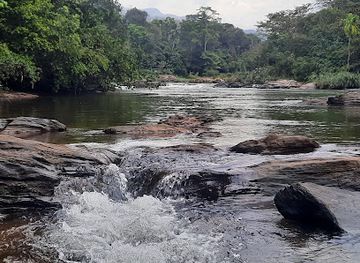
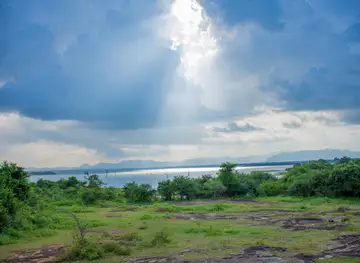
Kitulgala lies in Sri Lanka’s wet-zone interior, in a narrow valley shaped by the Kelani River and surrounded by densely forested hills. The town is several hours from Colombo by road and is best understood as an adventure and nature destination rather than a conventional resort. The river dominates the landscape, flowing through rocky channels and stretches of calmer water before continuing west towards the coast, while the surrounding rainforest remains a habitat for a wide range of birdlife, reptiles, amphibians and plants.Read more about Kitulgala
Landscape and Heritage
Exploring Kitulgala
When is the best time to visit Kitulgala?
Best: February–March, September · 31°C| Month | High (°C) | Rainfall (mm) |
|---|---|---|
| January | 30 | 352 |
| February (best) | 31 | 258 |
| March (best) | 31 | 208 |
| April | 31 | 414 |
| May | 31 | 546 |
| June | 31 | 594 |
| July | 31 | 456 |
| August | 31 | 344 |
| September (best) | 31 | 280 |
| October | 31 | 396 |
| November | 31 | 408 |
| December | 31 | 408 |
Getting to and around Kitulgala
How to get there
Transportation
Best attractions in Kitulgala
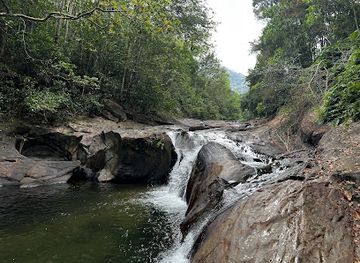
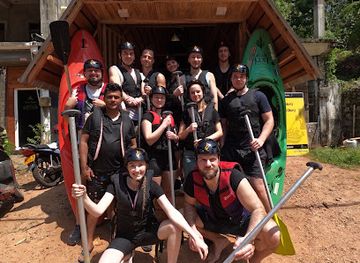
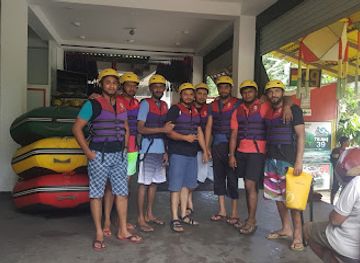
The Kelani River is Kitulgala’s central attraction, offering stretches used for guided white-water rafting as well as quieter riverside scenery and opportunities to observe the valley’s forested slopes. Makandawa Forest Reserve provides the area’s principal rainforest experience, with guided walks focused on birds, plants, insects and the character of Sri Lanka’s wet zone. Belilena cave brings archaeology into the landscape, linking the present-day adventure destination with evidence of prehistoric human occupation. Visitors can also explore rural roads and footpaths around the settlements, where home gardens, plantations and forest edges create varied habitats. The location associated with The Bridge on the River Kwai adds a film-history interest, although the original temporary bridge has disappeared. Canyoning, birdwatching and short nature excursions are generally arranged through local accommodation or activity providers, and their suitability depends on rainfall, river conditions and access arrangements.
-
Tourist attraction
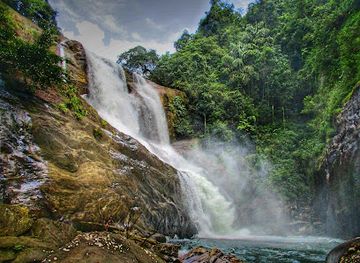
Manna Kathi Ella
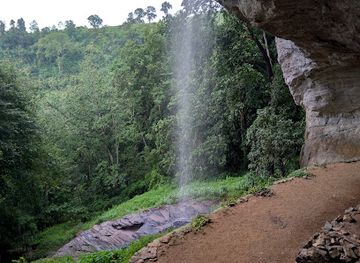
Experience the serene beauty of Manna Kathi Ella in Kitulgala, where nature’s tranquility meets breathtaking views and refreshing natural pools.
-
Canoe and kayak club
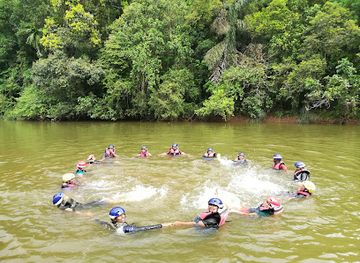
Rafting Kitulgala (Adventure , Zipline)
Dive into adventure at Rafting Kitulgala, where exhilarating white-water rafting and stunning landscapes await in beautiful Sri Lanka.
-
Campground
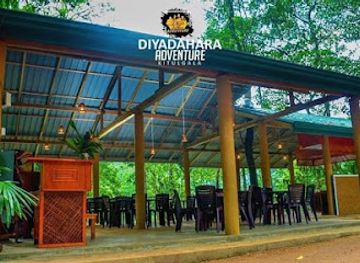
Diya Dahara Adventure Kitulgala
Experience thrilling outdoor adventures and serene camping at Diya Dahara Adventure in Kitulgala, a paradise for nature lovers and adrenaline junkies.
-
Campground
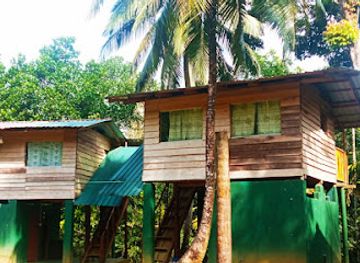
Upstream Village Resort Kithulgala
Discover the perfect blend of adventure and tranquility at Upstream Village Resort Kithulgala, your gateway to Sri Lanka's outdoor paradise.
Best landmarks in Kitulgala
The Kelani River is Kitulgala’s defining natural landmark, cutting through the valley and shaping both its scenery and its adventure culture. Makandawa Forest Reserve represents the surviving lowland rainforest environment that surrounds the settlement, while Belilena is an important cave landmark because of its archaeological evidence for prehistoric human occupation. The river setting associated with The Bridge on the River Kwai is a cultural landmark rather than a surviving structure: the temporary bridge built for the film was dismantled or destroyed after production, leaving the location’s cinematic association as the principal legacy. Around the valley, steep forested hills, rocky river margins and plantation-edged slopes form a distinctive rural landscape, although individual viewpoints and access routes can depend on local conditions and permission.
-
Hotel
Plantation Hotel
Discover the serene beauty and warm hospitality of Plantation Hotel in the heart of Kitulgala, Sri Lanka, an ideal retreat for adventure and relaxation.
-
Historical place
Belilena Cave
Explore the prehistoric wonders of Belilena Cave in Kitulgala, Sri Lanka, where nature meets fascinating history in a stunning setting.
-
Adventure sports center
Adventure LK white water rafting kitulgala
Discover the thrill of white water rafting at Adventure LK in Kitulgala, Sri Lanka - an adventure sports center like no other!
-
 Adventure sports center
Ceylon Adventure Sports
Experience the thrill of adventure sports amidst the stunning landscapes of Kitulgala at Ceylon Adventure Sports.
Explore Kitulgala on the map
Plan your trip on one map. See where the top attractions, landmarks, restaurants and hotels are, and book hotels and experiences in a few clicks.
Best hotels in Kitulgala
Best restaurants in Kitulgala
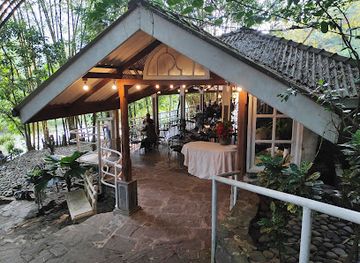
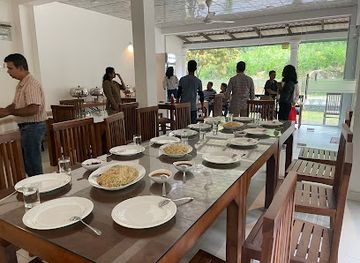
Kitulgala’s dining scene is modest and closely connected with its small town, guesthouses, adventure lodges and roadside businesses rather than a concentrated restaurant district. Visitors commonly encounter Sri Lankan meals built around rice, curries, dhal, sambols, vegetables and occasionally locally sourced fish or meat, with tea and simple refreshments available along the main road. Accommodation providers often serve meals, which can be useful in a dispersed river valley where independent choices are limited, while small cafés and eateries cater to residents, drivers and rafting groups. Nearby settlements on the approach routes provide additional everyday food options, but visitors should not expect the range found in Colombo, Kandy or the larger hill-country towns. Food preferences and meal times are best discussed with hosts in advance when staying in a small guesthouse or rural property.
-
Restaurant
Rest House - Kitulgala
Experience authentic Sri Lankan cuisine at Rest House - Kitulgala while surrounded by stunning natural beauty.
-
Restaurant
BALANCIO
Experience authentic Sri Lankan flavors at Balancio in Kitulgala - where every meal tells a story.
-
Family-friendly
River Reach Restaurant
Experience exquisite dining by the riverside at River Reach Restaurant in Kitulgala - where nature meets culinary delight.
-
Restaurant
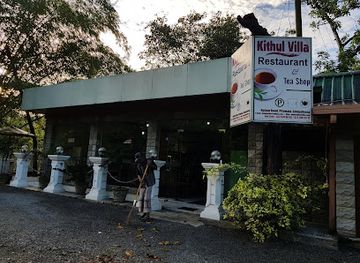
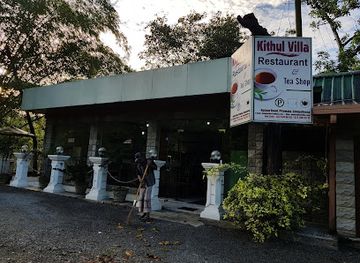
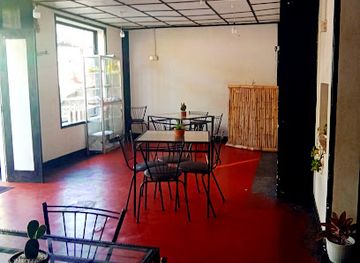
Kithulvilla Restaurant & Tea Shop
Experience authentic Sri Lankan flavors at Kithulvilla Restaurant & Tea Shop amidst stunning landscapes in Kitulgala.
Best bars in Kitulgala
Kitulgala has no substantial nightclub district or developed late-night entertainment scene. Evenings are generally quiet, with conversation, tea, locally served meals and drinks at guesthouses, small hotels or riverside activity bases providing the main social atmosphere. Some accommodation may offer a licensed bar or informal evening service, but opening arrangements vary and should be confirmed directly rather than assumed. The surrounding forest and river make night-time outdoor wandering unsuitable, particularly after rain, so evening enjoyment tends to centre on the property where visitors are staying. Travellers seeking clubs, extensive live entertainment or a broader choice of bars will need to look towards larger towns outside the Kitulgala valley, with the journey requiring advance transport planning.
-
Restaurant
Rest House - Kitulgala
Discover the taste of Sri Lanka at Rest House in Kitulgala, where local flavors meet breathtaking natural beauty.
-
Hotel
Rafters Retreat
Discover the adventure and serenity of Rafters Retreat in Kitulgala, a perfect blend of thrilling activities and natural beauty.
-
Family-friendly
River Reach Restaurant
Discover the perfect family-friendly dining experience at River Reach Restaurant in Kitulgala, where delicious cuisine meets breathtaking riverside views.
-
Restaurant
Kithulvilla Restaurant & Tea Shop
Experience the rich flavors of Sri Lanka at Kithulvilla Restaurant & Tea Shop, where authentic cuisine meets breathtaking natural beauty.
Best nightclubs in Kitulgala
Kitulgala has no substantial nightclub district or developed late-night entertainment scene. Evenings are generally quiet, with conversation, tea, locally served meals and drinks at guesthouses, small hotels or riverside activity bases providing the main social atmosphere. Some accommodation may offer a licensed bar or informal evening service, but opening arrangements vary and should be confirmed directly rather than assumed. The surrounding forest and river make night-time outdoor wandering unsuitable, particularly after rain, so evening enjoyment tends to centre on the property where visitors are staying. Travellers seeking clubs, extensive live entertainment or a broader choice of bars will need to look towards larger towns outside the Kitulgala valley, with the journey requiring advance transport planning.
-
Rafting
Rafting Team 39
Experience the thrill of white-water rafting at Rafting Team 39, Kitulgala - your gateway to adventure in Sri Lanka's stunning natural landscapes.
-
Adventure sports center
Ceylon Adventure Sports
Explore thrilling adventure sports, taste delightful Asian cuisine, and enjoy scenic boat tours at Ceylon Adventure Sports in Kitulgala.
-
Club
Rafting Kitulgala Paddle Sri Lanka Adventure
Discover thrilling white-water rafting and breathtaking nature at Rafting Kitulgala, Sri Lanka's top adventure sports destination.
-
Adventure sports
Kitulgala Adventures
Explore the Thrill of Adventure Sports in Kitulgala - A Nature Lover's Paradise in Sri Lanka.
Best shops in Kitulgala
Shopping in Kitulgala is limited and practical rather than extensive. Small village shops and roadside businesses supply drinks, snacks, basic provisions and everyday necessities, while guesthouses and activity providers may offer or arrange simple local products connected with a stay in the area. Regional foodstuffs, tea and small craft items may be found through informal purchasing or in larger settlements along the approach roads, but the town should not be treated as a dedicated craft or retail centre. Visitors looking for a wider selection of Sri Lankan textiles, jewellery, souvenirs or specialist outdoor equipment will find more choice in Colombo, Kandy or larger regional towns. Buying refreshments and locally made goods from legitimate small businesses can support the valley economy, while archaeological objects, plants and wildlife products should never be removed or purchased.
-
Grocery store
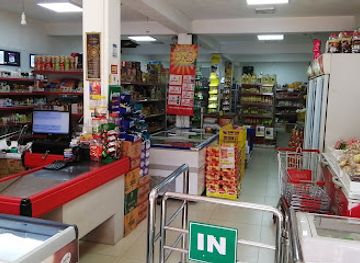
janasiri foodcity
Discover the vibrant flavors of Sri Lanka at Janasiri Foodcity in Kitulgala, where local and international groceries meet.
-
Store
Wasanas Communication
Explore local treasures and authentic experiences at Wasanas Communication in picturesque Kitulgala, a must-visit for every traveler.
-
Hardware store
Nadeeka Hardware
Discover local craftsmanship at Nadeeka Hardware in Kitulgala, a hub for quality tools and materials amidst stunning natural beauty.
-
Food store
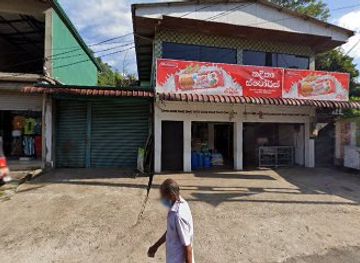
Nadeeka Stores
Explore the vibrant flavors of Sri Lanka at Nadeeka Stores, your local grocery haven in Kitulgala.

Get your free copy of our complete guide to Kitulgala, delivered straight to you.
Everything on this page, from attractions and restaurants to essentials and local phrases, in one PDF you can read offline, print or share.
Already have an account? Sign in
Your Kitulgala guide is ready.
We'll send it to · Not you? Sign out

Getting your guide ready…
We are putting together a fresh copy of the Kitulgala guide. This can take up to a minute.
This can take a few moments. If your browser asks, choose Allow so the download can start. You'll find the guide in your Downloads folder.
Nothing happened? Download it again
Sorry, the guide is taking longer than usual. Please try again in a minute, or get it by email instead.
Kitulgala essentials
Currency and Payment
Safety
Emergency Situations
Do's and Don'ts
Local Tips
From Eve
Local phrases worth knowing
You don't need to get them perfect. A few words go a long way, and locals appreciate the effort.
Basics
| English | Local | Say it |
|---|---|---|
| Hello | හෙලෝ | [hello] |
| Goodbye | වෙස්ටියාය | [wes'tiyaya] |
| Yes | ඔව් | [ow] |
| No | නෑ | [nā] |
| Please/You're welcome | කරනවා/ආයුබෝවන් | [karana vā/ayubowan] |
| Thank you | ඔබේ ඉගෙනගන්න | [obē igenaganna] |
| Excuse me/Sorry | කුමාරතුරු/කුමාරතුරු | [kumāraturu/kumāraturu] |
| How are you? | ඔයා කොළේ වෙනවා? | [ōyā kolē wēnavā?] |
| Fine. And you? | හොදේ. ඔයා? | [hodē. ōyā?] |
| Do you speak English? | ඔයා ඉංග්රීසි කතා කරයිද? | [ōyā iṁgrīsi kathā karayida?] |
| I don't understand | මම අධිනවාද? | [mama adinavāda?] |
Eating & Drinking
| English | Local | Say it |
|---|---|---|
| I'd like to see the menu, please | මම මෙනු බලනවා, කරුණාවෙන් | [mama mēnu balanavā, karunāwan] |
| I don't eat meat | මම මස් කෑම කරනවානම් | [mama mas kāma karanavānam] |
| Cheers! | සුභ රාතුවක්! | [subha rāthuwak] |
| I would like to pay, please | මම ගෙවනවාද, කරුණාවෙන් | [mama gewanavāda, karunāwan] |
Emergencies
| English | Local | Say it |
|---|---|---|
| Help! | උකෙලපා | [ukēlapā] |
| Go away! | ඉවත්කිරී | [iwathkiri] |
| Call the Police! | පොලිස් අපි ආවට | [polis api āwata] |
| Call a doctor! | වෛරස් අපි ආවට | [vāras api āwata] |
| I'm lost | මම නැහැ | [mama nēha] |
| I'm ill | මම අයෝයියා | [mama ayyāyā] |
Shopping
| English | Local | Say it |
|---|---|---|
| I'd like to buy... | මම මිලදීගත් කරනවා... | [mama midigata karanavā...] |
| I'm just looking | මම දැක්කාද එයාට | [mama dēkkada eyāta] |
| How much is it? | එය කොහෙද? | [eya koheda?] |
| That's too expensive | එය ඉක්මන් දැන්ගෙය | [eya ikman dānagēya] |
| Can you lower the price? | මම මිලදීගත් කරනවා... | [mama midigata karānam...] |
Time & Numbers
| English | Local | Say it |
|---|---|---|
| What time is it? | දිනපෙරෙන් කුලු කාලය කොයි? | [dinaperen kulukālaya koyi?] |
| It's one o'clock | එක් කුලු වෙත | [eka kuluveta] |
| Half past (10) | දෙක් අයෝයිවල | [dēk ayyōyiwa] |
| Morning | උදරකාරයා | [udarakāraya] |
| Afternoon | අපදරේ | [apadarē] |
| Evening | අසහන්වරයා | [asahanvaraya] |
| Yesterday | ඊළඟ | [īlaga] |
| Today | අද | [ada] |
| Tomorrow | හෙදය | [hedaya] |
| 1 | එක | [eka] |
| 2 | දෙක | [dēka] |
| 3 | තුන | [thuna] |
| 4 | හතර | [hathara] |
| 5 | පහ | [paha] |
| 6 | හය | [haya] |
| 7 | හත | [hatha] |
| 8 | අට | [ata] |
| 9 | නය | [naya] |
| 10 | දහසය | [dahasaya] |
Transport & Directions
| English | Local | Say it |
|---|---|---|
| Where's a/the...? | හේතුවෙන් වෙත්තෙයද...? | [hēthuwēn wettayada...?] |
| What's the address? | ලිපිනය කුලුකුමායද? | [lipinaya kulukumāyada?] |
| Can you show me (on the map)? | මාප් එකෙන් මට පෙන්වනවාද? | [māp ekēn mat penwanavāda?] |
| When's the next (bus)? | ඊලඟ කුලු වෙත? | [īlaga kuluveta?] |
| A ticket (to ....) | ටිකට් (.... වෙතත්) | [tikat (.... wettath)] |
History of Kitulgala
A Rainforest Valley Shaped by Water
Kitulgala’s physical setting was formed over geological timescales by the Kelani River, rainfall and the erosion of the surrounding hills. The wet-zone climate supports dense lowland rainforest and has shaped human activity as much as the river has shaped the valley. Water provided transport routes and fertile ground in some locations, while the steep terrain limited large-scale urban development. The result is a settlement pattern of villages, plantations and roadside businesses scattered along the river corridor rather than a compact historic town.
Prehistoric Life at Belilena
Belilena, a cave in the Kitulgala area, is one of Sri Lanka’s significant prehistoric archaeological sites. Excavations have revealed evidence of human occupation associated with the island’s prehistoric hunter-gatherer communities, including remains and artefacts that help researchers understand how people used rainforest environments. The cave is particularly important because it demonstrates that wet-zone forests were not marginal spaces in the island’s early human history. Its archaeological value is distinct from the later village history of Kitulgala and makes the valley relevant to both natural and cultural tourism.
Village Landscapes and Plantation Country
In more recent centuries, communities in the Kelani valley lived through a mixed rural economy shaped by cultivation, forest resources and trade along routes connecting the interior with western Sri Lanka. The surrounding hills were also drawn into the island’s plantation economy, although Kitulgala’s landscape remained more heavily forested and less densely developed than the principal tea districts farther east and south. Today, home gardens, smallholdings and plantation plots remain part of the scenery around the river, alongside roads and buildings serving residents and visitors.
The River on the Silver Screen
Kitulgala gained international recognition in the 1950s when David Lean used the area as a filming location for The Bridge on the River Kwai. A temporary bridge was constructed across the Kelani River for the production and later destroyed as part of the film sequence. The bridge itself is no longer present, but the association remains part of local tourism history and illustrates how Kitulgala’s combination of forest, river and limited development provided a convincing setting for a wartime film set in Southeast Asia.
Adventure Tourism and Forest Conservation
From the late twentieth century onwards, Kitulgala developed a reputation for white-water rafting and other outdoor pursuits, building a visitor economy around the Kelani River and nearby forest. The growth of adventure tourism has made local guides and riverside accommodation important to the area, while the Makandawa Forest Reserve represents the need to protect the habitat that gives the destination its character. Modern visits therefore take place within a landscape where recreation, village livelihoods, river management and the conservation of wet-zone biodiversity remain closely connected.
Kitulgala in Photos
Browse through our photo collection highlighting the charm and character of the destination.
Neighbouring destination travel guides
The closest destinations to Kitulgala, if you have time for more than one.
-

-

-

-

-


Swipe for more destinations
Explore more

Explore more of Kegalle District
Explore Kegalle District for rainforest rivers, Pinnawala elephants, prehistoric caves, rubber country and adventurous Kitulgala.
Explore Kegalle District
Explore more of Sri Lanka
Discover Sri Lanka: Rich culture, stunning landscapes, and warm hospitality await you in this tropical paradise. Explore ancient cities, wildlife, tea plantations, and pristine beaches.
Explore Sri Lanka