

Brokopondo Reservoir Travel Guide - Free Web & App
Your ultimate guide to Brokopondo Reservoir. Discover top landmarks, proposed trips, and local tips. Free on the web or via the Evendo companion app.


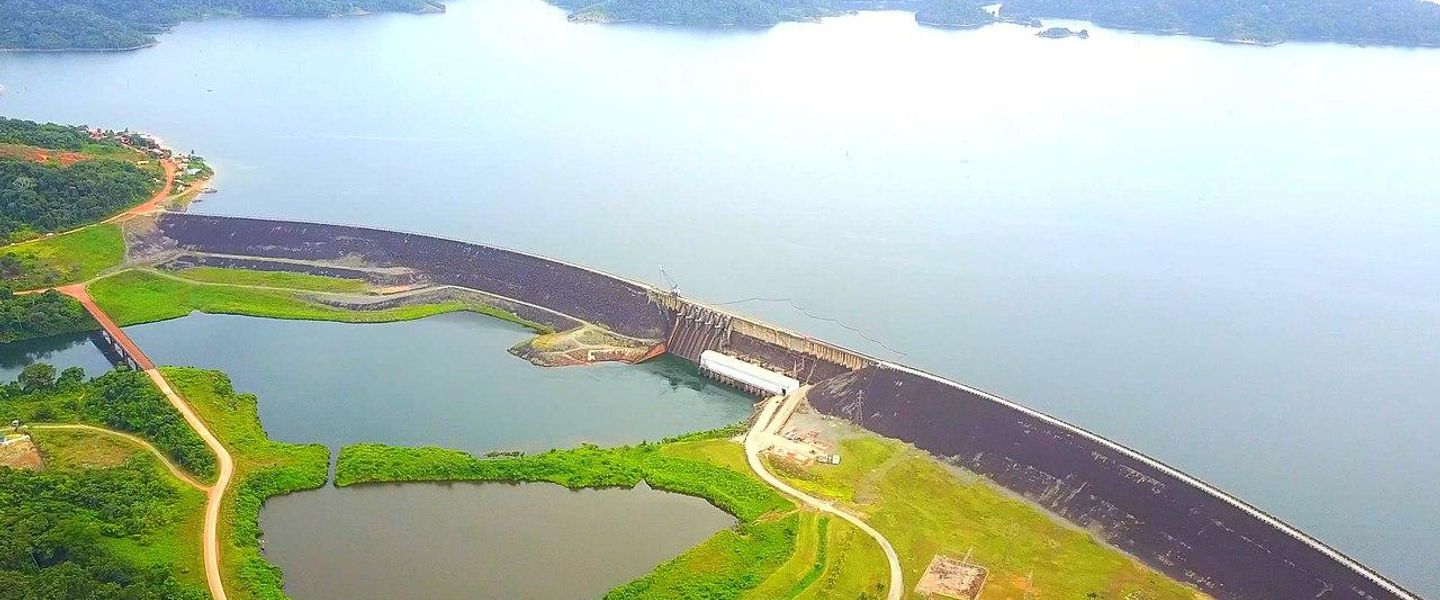


Brokopondo Reservoir in Suriname offers flooded rainforest, Afobaka Dam, boat trips, river islands, Brownsberg views and a remarkable interior landscape.
Water Among the Trees
Brokopondo Reservoir lies in the forested interior of Suriname, where the Suriname River broadens behind the Afobaka Dam into one of the country’s defining landscapes. Known officially as the Professor Doctor Ir. W. J. van Blommestein Meer, the reservoir was created in the 1960s to supply hydroelectric power for Suriname’s bauxite industry. Its most recognisable feature is the drowned forest: tree trunks and still-standing branches rise from the water, creating a landscape that is at once monumental, quiet and unmistakably shaped by modern development.Read more about Brokopondo Reservoir
Exploring the Reservoir
Landscape, Memory and Conservation
When is the best time to visit Brokopondo Reservoir?
Best: May–July · 31°C| Month | High (°C) | Rainfall (mm) |
|---|---|---|
| January | 31 | 200 |
| February | 31 | 200 |
| March | 31 | 200 |
| April | 31 | 200 |
| May (best) | 31 | 200 |
| June (best) | 31 | 200 |
| July (best) | 31 | 200 |
| August | 31 | 200 |
| September | 31 | 200 |
| October | 31 | 200 |
| November | 31 | 200 |
| December | 31 | 200 |
Getting to and around Brokopondo Reservoir
How to get there
Transportation
Best attractions in Brokopondo Reservoir
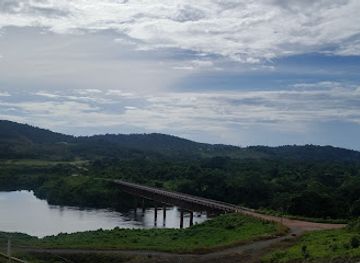
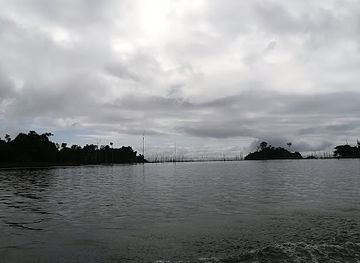
The principal attraction of Brokopondo Reservoir is the flooded forest itself, where tree trunks rise from broad stretches of water and create a distinctive landscape visible most clearly from a boat. Afobaka Dam provides the destination’s major human-made point of interest and explains the reservoir’s industrial origins, although access to operational infrastructure may be restricted. Ston Eiland, on the reservoir, is a recognised base for recreation, accommodation and water excursions. Boat journeys reveal forested shores, islands and secluded inlets that are difficult to understand from the road. Nearby Brownsberg Nature Park is not part of the reservoir but is commonly combined with a visit, offering rainforest trails and views towards the lake from the Brownsberg plateau. The Brokopondo area also includes communities and riverside settings where visitors can gain a more grounded sense of life in Suriname’s interior, provided visits are arranged respectfully and locally.
Best landmarks in Brokopondo Reservoir
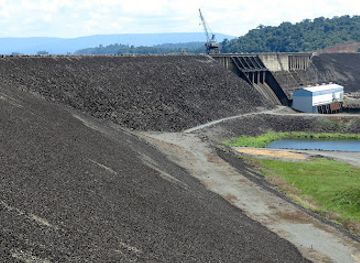
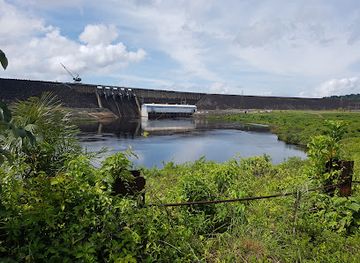
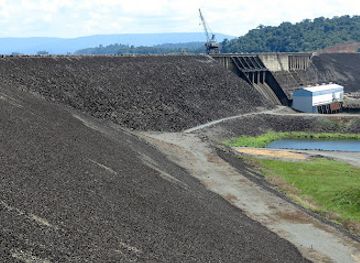
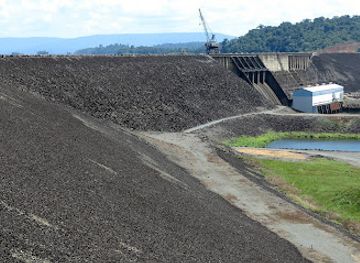
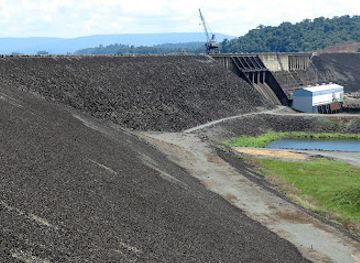
Afobaka Dam is the defining built landmark of the area, marking the engineering project that transformed the Suriname River valley into Brokopondo Reservoir and powered a major phase of the country’s bauxite industry. The reservoir itself is the principal natural-seeming landmark: its drowned tree trunks, forested margins and scattered islands record the former landscape beneath the water. The Professor Doctor Ir. W. J. van Blommestein Meer name commemorates the engineer associated with the planning of the hydropower scheme. Nearby Brownsberg plateau, although outside the reservoir’s formal identity, is an important regional viewpoint and landscape landmark because it overlooks part of the lake and places the flooded lowland within a wider rainforest setting. Former settlements and relocated communities are also central to the area’s cultural geography, even where their physical traces are no longer readily visible.
-
Park
Brownsberg
Explore the stunning natural beauty of Brownsberg Park in Suriname, where adventure meets tranquility amidst lush landscapes and diverse wildlife.
-
Vista point
Brokopondo Meer Viewpoint
Discover the breathtaking views of Brokopondo Meer Viewpoint, where nature's beauty meets serenity in the heart of Suriname's stunning landscapes.
-
Reservoir
Brokopondo
Explore the serene beauty of Brokopondo Reservoir in Suriname, where nature and adventure await in a stunning ecological paradise.
-
Hydroelectric power plant
Brokopondo Krachtcentrale
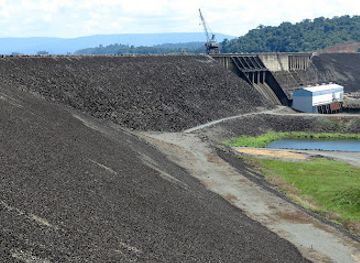
Explore the Brokopondo Krachtcentrale, a stunning hydroelectric power plant in Suriname, where engineering meets nature in perfect harmony.
Explore Brokopondo Reservoir on the map
Plan your trip on one map. See where the top attractions, landmarks, restaurants and hotels are, and book hotels and experiences in a few clicks.
Best hotels in Brokopondo Reservoir
Best restaurants in Brokopondo Reservoir
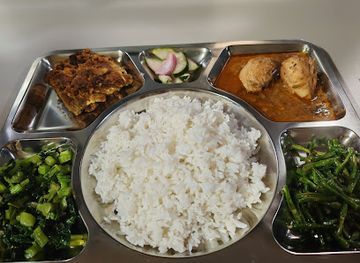
Dining around Brokopondo Reservoir is limited and closely linked to accommodation sites, local communities and organised excursions rather than to a concentrated restaurant scene. Visitors typically eat at their lodge or guesthouse, arrange meals in advance or carry provisions from Paramaribo and larger settlements on the route. Meals may reflect Surinamese home cooking, with rice, vegetables, chicken, fish and spicy or richly seasoned sauces common in the country’s broader food culture, while river communities may offer locally sourced fish when available. Ston Eiland is one of the more established visitor bases, but food provision should still be confirmed before arrival. Small roadside shops and local sellers may provide basic drinks or snacks, although selection and opening times are not dependable. Visitors staying in or passing through nearby towns should expect more choice than at the reservoir itself.
-
 Resort hotel
Afobaka Resort
Discover tranquility at Afobaka Resort - your serene getaway in Suriname's lush landscapes.
-
Reservoir
Brokopondo
Discover Brokopondo: Suriname's tranquil reservoir offering breathtaking views and endless outdoor adventures amidst lush landscapes.
-
Restaurant
Eethuis Brownsie
Discover authentic Surinamese flavors at Eethuis Brownsie in Brownsweg - a must-visit culinary gem offering delicious local cuisine.
-
Barbecue
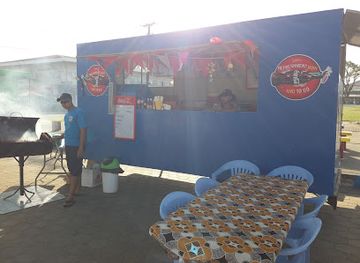
E.M.S BBQ
Discover the best barbecue at E.M.S BBQ in Nieuw Nickerie - where every meal is a celebration of flavor and community.
Best bars in Brokopondo Reservoir
Brokopondo Reservoir has no developed nightlife district and should be approached as a quiet interior destination rather than an evening entertainment centre. Evenings are generally shaped by lodge hospitality, conversation, the sounds of the forest and the dark expanse of the water, with drinks sometimes available through accommodation providers or local facilities. Ston Eiland offers the most recognisable visitor setting for a relaxed evening, but entertainment remains modest and availability can be seasonal or dependent on the property. In nearby settlements, visitors may find local shops or informal social venues, though these are not comparable with the bars and clubs of Paramaribo. Anyone planning a remote stay should bring suitable personal supplies where permitted and confirm meal and drink arrangements before travelling, rather than expecting late-opening services.
-
Restaurant
Afobaka Resort
Discover the tranquility and culinary excellence at Afobaka Resort, your perfect getaway in Suriname's lush landscapes.
-
Reservoir
Brokopondo
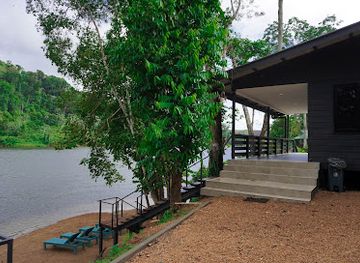
Discover the pristine beauty of Brokopondo Reservoir in Suriname, a tranquil haven for nature lovers and adventure seekers alike.
-
Restaurant
Eethuis Brownsie
Discover the authentic taste of Suriname at Eethuis Brownsie, a cozy restaurant in Brownsweg offering traditional dishes in a welcoming atmosphere.
-
Restaurant
Bronsweg WC pitstop
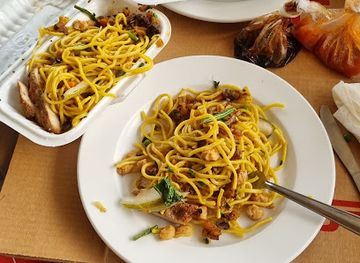
Discover authentic Surinamese cuisine at Bronsweg WC Pitstop, the perfect rest stop for travelers in Brownsweg.
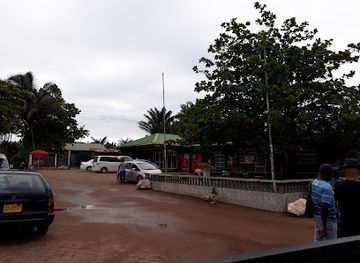
Best nightclubs in Brokopondo Reservoir
Brokopondo Reservoir has no developed nightlife district and should be approached as a quiet interior destination rather than an evening entertainment centre. Evenings are generally shaped by lodge hospitality, conversation, the sounds of the forest and the dark expanse of the water, with drinks sometimes available through accommodation providers or local facilities. Ston Eiland offers the most recognisable visitor setting for a relaxed evening, but entertainment remains modest and availability can be seasonal or dependent on the property. In nearby settlements, visitors may find local shops or informal social venues, though these are not comparable with the bars and clubs of Paramaribo. Anyone planning a remote stay should bring suitable personal supplies where permitted and confirm meal and drink arrangements before travelling, rather than expecting late-opening services.
-
Reservoir
Brokopondo
Explore the serene beauty of Brokopondo Reservoir, a stunning destination in Suriname, perfect for adventure and relaxation amidst nature's wonders.
-
Bar
White House
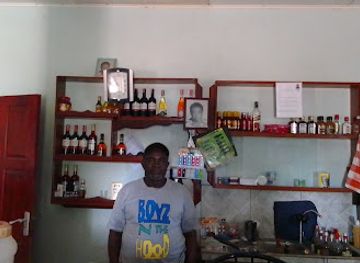
Experience the unique charm of the White House in Brownsweg, a vibrant bar, restaurant, and supermarket offering local flavors and a welcoming atmosphere.
Best shops in Brokopondo Reservoir
Shopping opportunities at Brokopondo Reservoir are sparse, with no extensive commercial centre, permanent tourist market or established retail district serving the shoreline. Small shops in nearby settlements may sell basic food, drinks and household supplies, while accommodation providers may offer limited locally made items or arrange contact with community producers. Visitors should buy specialist provisions, toiletries, batteries and other essentials before travelling from Paramaribo or a larger town. In the wider interior, locally produced food, small craft items and handmade goods may be available through informal or community-based channels, but stock and availability cannot be assumed. Purchases are best made respectfully and directly, with permission when visiting villages or community spaces. Outdoor equipment and technical supplies are more reliably found in Paramaribo than around the reservoir.
-
Park
Brownsberg
Explore the breathtaking landscapes and rich biodiversity of Brownsberg, a serene park in Suriname perfect for adventure and relaxation.
-
Reservoir
Brokopondo
Explore Brokopondo Reservoir in Suriname: A natural paradise of tranquility, adventure, and cultural richness awaits you.
-
Shopping mall
Supermarkt Weewee MD(Menkie)
Explore the vibrant Supermarkt Weewee MD in Kadjoe, a shopping paradise blending local culture, delicious cuisine, and unique finds for every traveler.
-
Barber shop
Mawie barbershop Creapa
Experience top-notch grooming at Mawie Barbershop in Brownsweg, Suriname - where style meets community spirit.
Get your free copy of our complete guide to Brokopondo Reservoir, delivered straight to you.
Everything on this page, from attractions and restaurants to essentials and local phrases, in one PDF you can read offline, print or share.
Already have an account? Sign in
Your Brokopondo Reservoir guide is ready.
We'll send it to · Not you? Sign out

Getting your guide ready…
We are putting together a fresh copy of the Brokopondo Reservoir guide. This can take up to a minute.
This can take a few moments. If your browser asks, choose Allow so the download can start. You'll find the guide in your Downloads folder.
Nothing happened? Download it again
Sorry, the guide is taking longer than usual. Please try again in a minute, or get it by email instead.
Brokopondo Reservoir essentials
Currency and Payment
Safety
Emergency Situations
Do's and Don'ts
Local Tips
From Eve
Local phrases worth knowing
You don't need to get them perfect. A few words go a long way, and locals appreciate the effort.
Basics
| English | Local | Say it |
|---|---|---|
| Hello | Hallo | [ha-lo] |
| Goodbye | Ayo | [a-yo] |
| Yes | Ya | [ya] |
| No | No | [no] |
| Please/You're welcome | Mi olobi yu | [mi o-lo-bi yu] |
| Thank you | Mi abi tangi | [mi a-bi tan-gi] |
| Excuse me/Sorry | Mi e begi sori | [mi e be-gi so-ri] |
| How are you? | Fa yu de? | [fa yu de] |
| Fine. And you? | Mi de bun. En yu? | [mi de bun. en yu] |
| Do you speak English? | Yu e taki Ingles? | [yu e ta-ki in-gles] |
| I don't understand | Mi no sabi | [mi no sa-bi] |
Eating & Drinking
| English | Local | Say it |
|---|---|---|
| I'd like to see the menu, please | Mi wani si a menu, bika | [mi wa-ni si a me-nu, bi-ka] |
| I don't eat meat | Mi no e nyan meti | [mi no e ny-an me-ti] |
| Cheers! | Proost! | [proost] |
| I would like to pay, please | Mi wani pai, bika | [mi wa-ni pai, bi-ka] |
Emergencies
| English | Local | Say it |
|---|---|---|
| Help! | Boip! | [boip] |
| Go away! | Go na yu kba! | [go na yu kba] |
| Call the Police! | Bri polisi! | [bri po-li-si] |
| Call a doctor! | Bri wan dokter! | [bri wan dok-ter] |
| I'm lost | Mi de kwijt | [mi de kwijt] |
| I'm ill | Mi e kba | [mi e kba] |
Shopping
| English | Local | Say it |
|---|---|---|
| I'd like to buy... | Mi wani bai... | [mi wa-ni bai] |
| I'm just looking | Mi de kweki | [mi de kwe-ki] |
| How much is it? | Fa mofo? | [fa mo-fo] |
| That's too expensive | Dat e furu kostu | [dat e fu-ru kos-tu] |
| Can you lower the price? | Yu man saka prijs? | [yu man sa-ka prijs] |
Time & Numbers
| English | Local | Say it |
|---|---|---|
| What time is it? | Fa ten de? | [fa ten de] |
| It's one o'clock | Na wan de | [na wan de] |
| Half past (10) | Half ten | [half ten] |
| Morning | Mowning | [mow-ning] |
| Afternoon | Middew | [mid-dew] |
| Evening | Afu | [a-fu] |
| Yesterday | Gisteren | [gis-te-ren] |
| Today | Vandag | [van-dag] |
| Tomorrow | Morgen | [mor-gen] |
| 1 | Wan | [wan] |
| 2 | Tu | [tu] |
| 3 | Dri | [dri] |
| 4 | Fowru | [fow-ru] |
| 5 | Fayfu | [fay-fu] |
| 6 | Siksi | [sik-si] |
| 7 | Sebi | [se-bi] |
| 8 | Aiti | [ai-ti] |
| 9 | Nain | [nain] |
| 10 | Ten | [ten] |
Transport & Directions
| English | Local | Say it |
|---|---|---|
| Where's a/the...? | Fa a... | [fa a] |
| What's the address? | Fa a adres? | [fa a adres] |
| Can you show me (on the map)? | Yu man sori mi (na a mepi)? | [yu man so-ri mi (na a me-pi)] |
| When's the next (bus)? | Fa a neti (basi)? | [fa a ne-ti (ba-si)] |
| A ticket (to ....) | Wan tiketi (gi ....) | [wan ti-ke-ti (gi)] |
History of Brokopondo Reservoir
River Basin Before the Reservoir
Before the reservoir was built, the Suriname River ran through a heavily forested interior inhabited by Indigenous communities and Maroon communities whose lives were closely connected with river transport, fishing, hunting and small-scale cultivation. The river valley was not an empty wilderness: settlements, paths and customary connections to the landscape formed part of a living geography. The interior was also increasingly linked to Suriname’s extractive economy, particularly through the expansion of bauxite mining and the need for reliable industrial power.
The Afobaka Dam Project
The reservoir was created during the construction of Afobaka Dam on the Suriname River in the 1960s. The dam was associated with the Suriname Aluminum Company, commonly known as Suralco, and its parent company Alcoa, whose bauxite operations required substantial electricity. Named after Dutch engineer Professor Doctor Ir. W. J. van Blommestein, the project became one of the largest infrastructure schemes in Suriname. The flooding of the river valley produced a vast artificial lake and left many tree trunks standing above the new waterline.
Displacement and New Settlements
The formation of the reservoir altered established settlement patterns and displaced communities, including the former village of Ganzee. Residents were relocated, and new settlements developed in response to the changed geography. The transformation also affected travel, fishing grounds, agricultural practices and access to ancestral landscapes. The history of Brokopondo is therefore inseparable from questions about development, compensation, community continuity and the unequal effects that major infrastructure projects can have on interior populations.
Hydropower, Industry and a Changing Interior
For decades, electricity from the hydroelectric scheme supported Suriname’s bauxite-processing industry and became closely associated with the country’s industrial modernisation. Economic and political changes later altered the role of bauxite and aluminium production, but Afobaka Dam and the reservoir remained important features of the national landscape. At the same time, the waterway gained a modest recreational and tourism presence, with locations such as Ston Eiland serving visitors interested in boating, fishing and forest scenery.
Conservation and Contemporary Tourism
Modern interest in Brokopondo focuses on the meeting of rainforest, open water and human history. The reservoir lies within a wider interior environment of high ecological value, although its waters and shores should not be confused with nearby protected areas such as Brownsberg Nature Park. Tourism remains relatively small-scale, relying on road access, local knowledge and organised boat travel rather than extensive visitor infrastructure. Responsible travel is important because villages, forests and waterways continue to support communities as well as wildlife.
Brokopondo Reservoir in Photos
Browse through our photo collection highlighting the charm and character of the destination.
Cities in Brokopondo Reservoir
The towns and cities of Brokopondo Reservoir, and the easiest places to base yourself.

Swipe for more cities
Neighbouring destination travel guides
The closest destinations to Brokopondo Reservoir, if you have time for more than one.
-

-

-

-

-


Swipe for more destinations
Explore more

Explore more of Brokopondo District
Discover Brokopondo District: A blend of natural wonders and rich cultural heritage in the heart of Suriname, featuring the stunning Brokopondo Reservoir and vibrant local communities.
Explore Brokopondo District
Explore more of Suriname
Discover Suriname - A blend of cultures, stunning rainforests, and historic charm awaits in this hidden gem of South America.
Explore Suriname