

Free Bartica Travel Guide & Mobile App
Plan your Bartica trip with Evendo. Get free guides to top attractions, restaurants, hotels, and bars. Web access or download the mobile app.


Bartica, Guyana, is a riverside gateway to the interior, offering rainforest adventures, river journeys, local culture and the lively Bartica Regatta.
At the Meeting of Three Rivers
Bartica stands in western Guyana where the Essequibo, Cuyuni and Mazaruni rivers converge, giving the town a distinctly aquatic character. Boats are as important to local life as roads, carrying residents, traders, workers and visitors between the river port and communities deeper in the interior. The town lies in the Cuyuni-Mazaruni region and serves as a practical base for exploring Guyana’s forested hinterland.Read more about Bartica
A Frontier Trading Town
Life by the Water
When is the best time to visit Bartica?
Best: January–March · 32°C| Month | High (°C) | Rainfall (mm) |
|---|---|---|
| January (best) | 32 | 225 |
| February (best) | 32 | 204 |
| March (best) | 32 | 207 |
| April | 31 | 255 |
| May | 31 | 384 |
| June | 31 | 423 |
| July | 31 | 407 |
| August | 31 | 384 |
| September | 31 | 400 |
| October | 31 | 389 |
| November | 31 | 367 |
| December | 32 | 324 |
Getting to and around Bartica
How to get there
Transportation
Best attractions in Bartica
Bartica’s principal attractions are closely tied to its riverside setting and regional role. The waterfront offers views across the meeting waterways and a chance to watch boats moving between the town and interior settlements, while Bartica Beach provides a popular place for swimming, relaxation and community gatherings when conditions permit. Bartica Independence Park and the central market bring visitors closer to public life, local commerce and the rhythms of a small Guyanese town. The Bartica Museum and local historic sites can add context to the settlement’s missionary, colonial and river-trading past, although opening arrangements may be informal. Guided journeys beyond the centre reveal creeks, forest edges and quieter stretches of the Essequibo, Mazaruni and Cuyuni rivers. The town is also known for the Bartica Regatta, whose boat races and accompanying entertainment turn the waterfront into a major seasonal gathering.
-
Park
Green Park
Discover the tranquil beauty of Green Park in Bartica, a lush escape perfect for relaxation, family outings, and nature walks.
9 min walk · 0.7 km from city centre
-
Park
First Avenue
Experience tranquility at First Avenue Park, a serene escape in Bartica, surrounded by lush greenery and a peaceful atmosphere.
7 min walk · 0.6 km from city centre
-
 Garden
Joel king
Discover the natural beauty of Joel King Garden in Bartica, a tranquil oasis filled with lush greenery and vibrant tropical flora.
7 min walk · 0.6 km from city centre


Best landmarks in Bartica
Bartica’s most meaningful landmarks are modest structures and public spaces that express its role as a river settlement. The historic St John the Baptist Anglican Church reflects the missionary and colonial foundations of the town, while the Bartica market and waterfront represent its continuing function as a commercial and transport centre. Bartica Independence Park provides a civic setting for public gatherings and commemorative events, and the river confluence itself is the defining geographical landmark: the Essequibo, Cuyuni and Mazaruni shape the town’s economy, movement and identity. Local memorials and community buildings carry significance that may be more readily understood through conversation than through formal interpretation. Fort Kyk-Over-Al is an important Dutch-era landmark of the wider Essequibo region, but it lies outside Bartica and should be treated as a separate excursion rather than a town attraction.
-
Indoor lodging
Palm Spring Hotel
Discover comfort and hospitality at Palm Spring Hotel in Bartica, where your adventure in Guyana begins with a relaxing stay.
4 min walk · 0.3 km from city centre
-
Airport
Bartica Airport
Discover the gateway to Guyana's stunning landscapes and cultural heritage at Bartica Airport, your entry point to adventure.
4 min walk · 0.3 km from city centre
Explore Bartica on the map
Plan your Bartica trip on one map. See where the top attractions, landmarks, restaurants, bars and hotels are, find what's near where you're staying, and book hotels and experiences in a few clicks.
Best hotels in Bartica
Best restaurants in Bartica
Bartica’s food scene reflects Guyana’s Creole, African, Indian, Indigenous and Caribbean influences, with everyday meals often built around rice, provisions, vegetables, fish, chicken and richly seasoned sauces. Visitors may encounter Guyanese favourites such as cook-up rice, pepperpot, metemgee, curry with roti and fried or stewed fish, alongside simple takeaway meals and snacks suited to river travel. Small restaurants, cafés, roadside sellers and market vendors provide a more representative experience than a formal dining circuit, and menus can vary according to supplies arriving by road or boat. Cassava and other ground provisions are important in the wider regional food culture, while fresh river fish may feature locally. Dining is generally informal, with service shaped by the town’s relaxed pace and practical connection to interior commerce.
-
Indoor lodging
Palm Spring Hotel
Experience comfort at Palm Spring Hotel in Bartica—your gateway to exploring Guyana's vibrant culture and stunning landscapes.
4 min walk · 0.3 km from city centre
-
Grocery store
D&R variety store
Explore the flavors of Bartica at D&R Variety Store – your go-to destination for groceries and local goods.
16 min walk · 1.3 km from city centre
-
Market
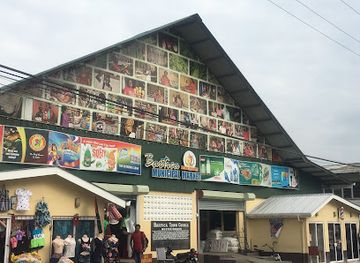
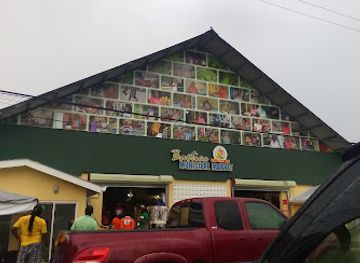
Bartica Municipal Market
Discover local culture at Bartica Municipal Market - a vibrant marketplace filled with fresh produce, crafts, and delicious street food in Guyana.
7 min walk · 0.6 km from city centre
-
Fast Food
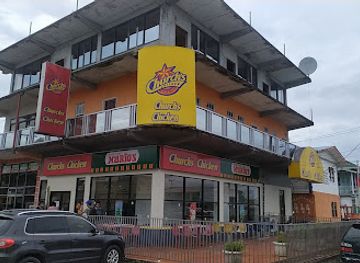
Church's Chicken Bartica Branch
Experience delicious fried chicken and local flavors at Church's Chicken in Bartica - a fast food gem for every traveler.
7 min walk · 0.5 km from city centre
Best bars in Bartica
Bartica’s evening life is modest and sociable rather than built around a large club district. Small rum shops, bars and casual restaurants provide places to meet after work, while music, dancing and community entertainment become more prominent during festivals and holiday periods. The waterfront and central streets may feel livelier when the Bartica Regatta or another public event is taking place, but visitors should not expect the late-night range of Georgetown. Local Guyanese music, Caribbean-influenced sound systems and occasional live performances can form part of the atmosphere, with activity often developing around particular events rather than fixed entertainment schedules. After dark, use familiar routes, arrange transport when needed and follow local advice about quieter areas and riverfront conditions.
-
Outdoor swimming pool
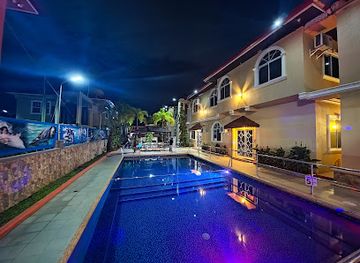
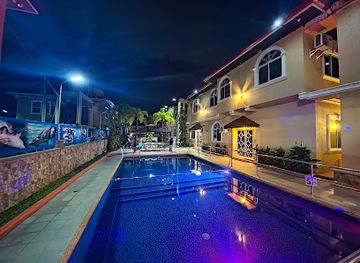
Mary's Sunset Resort
Discover tranquility and breathtaking sunsets at Mary's Sunset Resort, Bartica's ultimate outdoor swimming pool retreat.
14 min walk · 1.1 km from city centre
-
Restaurant
Golden city chinese restaurant
Experience the authentic flavors of China at Golden City Chinese Restaurant in Bartica, where every dish is a culinary delight.
5 min walk · 0.4 km from city centre
-
Restaurant
Z2 Restaurant and Bar
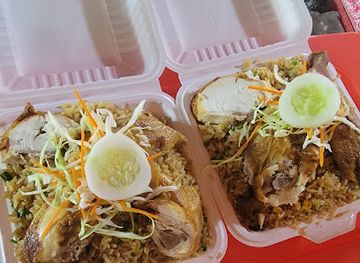
Experience the vibrant flavors of Guyanese cuisine at Z2 Restaurant and Bar in Bartica, where every meal is a celebration of local culture.
6 min walk · 0.4 km from city centre
-
Bar
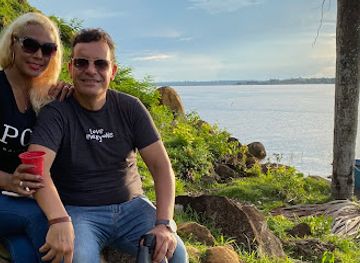
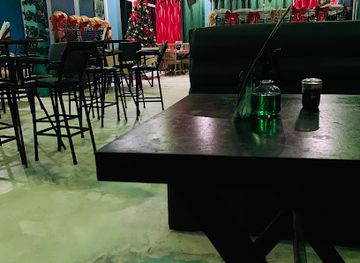
Futu’s Chill Spot
Experience the vibrant nightlife of Bartica at Futu's Chill Spot, where refreshing drinks and local culture come together in a relaxed atmosphere.
2 min walk · 0.1 km from city centre
Best nightclubs in Bartica
Bartica’s evening life is modest and sociable rather than built around a large club district. Small rum shops, bars and casual restaurants provide places to meet after work, while music, dancing and community entertainment become more prominent during festivals and holiday periods. The waterfront and central streets may feel livelier when the Bartica Regatta or another public event is taking place, but visitors should not expect the late-night range of Georgetown. Local Guyanese music, Caribbean-influenced sound systems and occasional live performances can form part of the atmosphere, with activity often developing around particular events rather than fixed entertainment schedules. After dark, use familiar routes, arrange transport when needed and follow local advice about quieter areas and riverfront conditions.
-
School
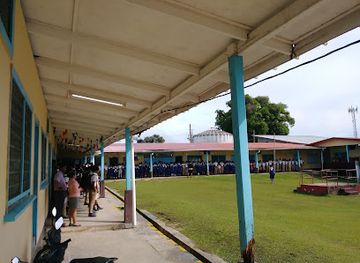
Bartica Secondary School
Explore Bartica Secondary School, a vibrant educational hub where community spirit and youthful energy thrive in the heart of Bartica.
7 min walk · 0.5 km from city centre
-
Hotel
Hart's Suites
Discover tranquility and comfort at Hart's Suites, the perfect hotel for your adventurous stay in Bartica, Guyana.
3 min walk · 0.3 km from city centre
-
Airport
Bartica Airport
Experience the vibrant gateway to the Amazon at Bartica Airport, your starting point for adventures in Guyana's stunning landscapes.
4 min walk · 0.3 km from city centre
-
Government office
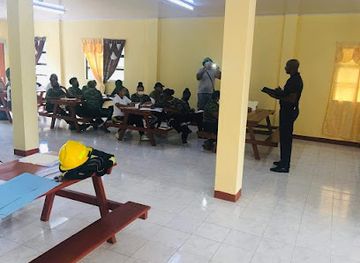
Bartica Fire Station
Discover the heart of community safety at Bartica Fire Station, a testament to the dedication of local firefighters and emergency services.
3 min walk · 0.2 km from city centre
Best shops in Bartica
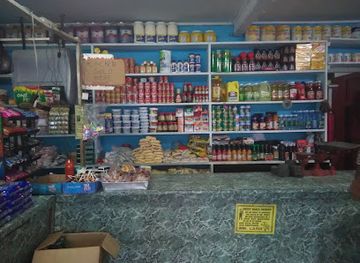
Shopping in Bartica is practical and locally focused, centred on the market, small groceries, general shops, clothing sellers and businesses supplying river and interior travel. The market is the best setting for seeing produce, provisions and household goods moving through a regional trading centre, although stock changes with transport and seasonal supply. Visitors may find Guyanese snacks, sauces, fruit, craft items and locally made souvenirs, while gold and other mining-related goods should be purchased only through reputable, properly authorised businesses. There is no extensive luxury retail quarter or large shopping-mall culture. The town’s shopping character instead comes from its role as a provisioning point, where coastal goods and interior products meet and where everyday commerce remains closely linked to the waterways.
-
Shopping mall
Ryan & Ruben Variety Store
Discover local treasures and experience the heart of Bartica at Ryan & Ruben Variety Store, a vibrant shopping destination for tourists and locals alike.
7 min walk · 0.6 km from city centre
-
Grocery store
D&R variety store
Discover the local flavors and variety at D&R Variety Store in Bartica, your go-to grocery destination for all essentials and unique treats.
16 min walk · 1.3 km from city centre
-
Grocery store
Ramsingh General Store
Explore the heart of Bartica at Ramsingh General Store, where local flavors and essential goods merge for an authentic Guyanese experience.
10 min walk · 0.8 km from city centre
-
Shopping mall
Mike & Tessa Grocery Store
Explore the rich local products and friendly atmosphere at Mike & Tessa Grocery Store in Bartica, a true taste of Guyanese culture.
7 min walk · 0.5 km from city centre
Get your free copy of our complete guide to Bartica, delivered straight to you.
Everything on this page, from attractions and restaurants to essentials and local phrases, in one PDF you can read offline, print or share.
Already have an account? Sign in
Your Bartica guide is ready.
We'll send it to · Not you? Sign out

Getting your guide ready…
We are putting together a fresh copy of the Bartica guide. This can take up to a minute.
This can take a few moments. If your browser asks, choose Allow so the download can start. You'll find the guide in your Downloads folder.
Nothing happened? Download it again
Sorry, the guide is taking longer than usual. Please try again in a minute, or get it by email instead.
Bartica essentials
Currency and Payment
Safety
Emergency Situations
Do's and Don'ts
Local Tips
From Eve
Local phrases worth knowing
You don't need to get them perfect. A few words go a long way, and locals appreciate the effort.
Basics
| English | Local | Say it |
|---|---|---|
| Hello | Wah gwaan | [Wa gwan] |
| Goodbye | Later | [Lay-ter] |
| Yes | Yes | [Yes] |
| No | Nah | [Nah] |
| Please/You're welcome | Pliz | [Pliz] |
| Thank you | Tank yuh | [Tank yuh] |
| Excuse me/Sorry | Sarry | [Sarry] |
| How are you? | How yuh deh? | [How yuh deh] |
| Fine. And you? | Me aight. An yuh? | [Me aight. An yuh] |
| Do you speak English? | Yuh speak Inglish? | [Yuh speak Ing-lish] |
| I don't understand | Mi nah undastan | [Mi nah un-da-stan] |
Eating & Drinking
| English | Local | Say it |
|---|---|---|
| I'd like to see the menu, please | Mi wah see di menu, pliz | [Mi wah see dee me-nu, pliz] |
| I don't eat meat | Mi nah eat meat | [Mi nah eat meet] |
| Cheers! | Cheers! | [Cheers] |
| I would like to pay, please | Mi wah pay, pliz | [Mi wah pay, pliz] |
Emergencies
| English | Local | Say it |
|---|---|---|
| Help! | Help! | [Help] |
| Go away! | Guh way! | [Guh way] |
| Call the Police! | Call de Police! | [Call de Police] |
| Call a doctor! | Call a docta! | [Call a doc-ta] |
| I'm lost | Mi lost | [Mi lost] |
| I'm ill | Mi sick | [Mi sik] |
Shopping
| English | Local | Say it |
|---|---|---|
| I'd like to buy... | Mi wah buy... | [Mi wah buy] |
| I'm just looking | Mi jus a look | [Mi jus a look] |
| How much is it? | A wah price dis? | [A wah price dis] |
| That's too expensive | Dat too much money | [Dat too much mon-ey] |
| Can you lower the price? | Yuh can drop de price? | [Yuh can drop de price] |
Time & Numbers
| English | Local | Say it |
|---|---|---|
| What time is it? | A wah time it is? | [A wah time it is] |
| It's one o'clock | It one o'clock | [It one o'clock] |
| Half past (10) | Half pass ten | [Half pass ten] |
| Morning | Mahnin | [Mahnin] |
| Afternoon | Aftanoon | [Af-ter-noon] |
| Evening | Evenin | [Eve-nin] |
| Yesterday | Yestadeh | [Yes-ta-deh] |
| Today | Today | [Today] |
| Tomorrow | Tomarruh | [To-mar-ruh] |
| 1 | One | [One] |
| 2 | Two | [Two] |
| 3 | Tree | [Tree] |
| 4 | Four | [Four] |
| 5 | Five | [Five] |
| 6 | Six | [Six] |
| 7 | Seven | [Seven] |
| 8 | Eight | [Eight] |
| 9 | Nine | [Nine] |
| 10 | Ten | [Ten] |
Transport & Directions
| English | Local | Say it |
|---|---|---|
| Where's a/the...? | Wey di... | [Wey dee] |
| What's the address? | Wah deh address? | [Wah deh address] |
| Can you show me (on the map)? | Yuh can show me (pan di map)? | [Yuh can show me (pan dee map)] |
| When's the next (bus)? | Wen di nex (bus)? | [Wen dee nex (bus)] |
| A ticket (to ....) | A tickit (to ....) | [A tick-it (to ....)] |
History of Bartica
Indigenous River Landscapes
Long before the emergence of Bartica, the rivers and forests of the Cuyuni-Mazaruni region were inhabited and travelled by Indigenous peoples, including communities associated with the Arawak and Carib language groups. Rivers functioned as routes of movement, exchange and knowledge, linking settlements and forest resources. This geography still shapes Bartica today: the town’s position is understood less through a conventional road network than through its relationship with the Essequibo, Cuyuni and Mazaruni. Indigenous knowledge of waterways, plants and inland routes remains an important part of the wider region’s cultural landscape, although visitors should distinguish the town itself from more remote Indigenous communities that require appropriate arrangements to visit.
Dutch Rule and River Trade
European colonial influence reached the Essequibo basin through Dutch settlements and trading interests established from the seventeenth century. Fort Kyk-Over-Al, located elsewhere in the Essequibo region near the meeting of major rivers, symbolises the strategic importance of river control, while Bartica’s later development grew from the same wider geography. Dutch Guiana’s economy depended on river access, plantation production and trade, bringing European merchants, African people and Indigenous communities into a complicated colonial system. British control of Essequibo, Demerara and Berbice in the nineteenth century altered administration and commercial connections, but the rivers continued to determine how people and goods moved through the interior.
Mission Settlement to River Port
Bartica expanded during the nineteenth century as a settlement connected with Anglican missionary activity and the growing British administration of the colony. Its position at a major confluence made it a natural provisioning and transport point for journeys upriver. Rather than developing around monumental civic buildings, Bartica grew through commerce, small-scale services and river traffic. Traders, missionaries, labourers and travellers passed through on their way towards the Mazaruni and Cuyuni districts. The town’s modern identity as a gateway to Guyana’s interior therefore has deep roots in the practical geography of colonial-era communication.
Gold, Timber and Interior Connections
The discovery and working of gold in Guyana’s interior strengthened Bartica’s role as a service and supply centre. Timber and other forest products also moved through the river network, while boats connected the town with mining areas, settlements and camps beyond the paved-road system. These industries brought opportunity but also difficult social and environmental pressures, including dangerous working conditions and the disruption of forest landscapes. Bartica’s markets, transport services and informal networks reflect this history of resource extraction. The town remains closely tied to the rhythms of interior commerce, even as tourism and local recreation have become more visible parts of its public identity.
A Modern Regional Centre
In independent Guyana, Bartica developed as the principal urban centre of the Cuyuni-Mazaruni region and an important point of contact between coastal Guyana and the interior. Its story has also included moments of serious violence, notably the 2008 Bartica massacre, in which twelve people were killed during an armed attack. The event remains part of the town’s recent history and should be treated with respect rather than as a sightseeing subject. Contemporary Bartica combines government and commercial services, river transport, schools, small businesses and community festivals. The Bartica Regatta, in particular, expresses the town’s continuing relationship with water while bringing together sport, entertainment and regional visitors.
Bartica in Photos
Browse through our photo collection highlighting the charm and character of the destination.
Cities near Bartica
The closest cities to Bartica, if you have time for more than one stop.
-

-

-
-

-


Swipe for more cities

