

Free Princes Town Travel Guide & Mobile App
Plan your Princes Town trip with Evendo. Get free guides to top attractions, restaurants, hotels, and bars. Web access or download the mobile app.


Princes Town, Trinidad and Tobago, offers southern heritage, cocoa country, local markets, churches and access to Trinidad’s green interior and villages.
A Mission Town in Southern Trinidad
Princes Town lies in the rolling interior of southern Trinidad, a regional centre surrounded by villages, former sugar lands, cocoa-growing country and low wooded hills. Its colonial name recalls the settlement once known as Mission Savanna Grande, established by Capuchin missionaries in the late eighteenth century. Today, the town is less a conventional sightseeing destination than a useful base for understanding southern Trinidad beyond the coastal cities: streets of practical local commerce lead towards communities where agriculture, religion, family life and village traditions remain closely connected.Read more about Princes Town
Heritage, Faith and Community Life
Forests, Villages and Living Traditions
When is the best time to visit Princes Town?
Best: June–August · 30°C| Month | High (°C) | Rainfall (mm) |
|---|---|---|
| January | 29 | 78 |
| February | 29 | 68 |
| March | 29 | 57 |
| April | 30 | 43 |
| May | 30 | 30 |
| June (best) | 30 | 24 |
| July (best) | 30 | 22 |
| August (best) | 30 | 23 |
| September | 30 | 29 |
| October | 30 | 42 |
| November | 29 | 55 |
| December | 29 | 69 |
Getting to and around Princes Town
How to get there
Transportation
Best attractions in Princes Town
Princes Town’s attractions are spread between its modest town centre and the surrounding southern countryside. The Our Lady of Lourdes Roman Catholic Church represents the area’s long mission and parish tradition, while local streets and community institutions reveal the practical character of a regional Trinidadian town. Outside the centre, the Devil’s Woodyard at New Grant is the district’s most distinctive natural attraction: bubbling mud volcanoes and small cones create an unusual landscape shaped by subterranean geological activity. The surrounding villages, cocoa country and forested roads offer a different kind of sightseeing, with roadside stalls, small farms and wide views across the south-central interior. Visitors interested in cultural history can explore the area’s churches, schools and plantation-influenced settlement patterns, while local festivals and community events provide insight into the traditions that shaped modern Princes Town. These experiences are dispersed rather than arranged as a compact tourist circuit, making local orientation and sensible transport planning valuable.
-
National park
San Fernando Hill
Explore the majestic San Fernando Hill, a national park in Trinidad with breathtaking views and rich cultural history perfect for nature lovers and photographers.
26 min drive · 8.7 km from city centre
-
Park
Harris Promenade Historic Park
Explore the lush landscapes and cultural heritage of Harris Promenade Historic Park in San Fernando, a perfect escape in the heart of Trinidad.
28 min drive · 9.4 km from city centre
-
Botanical garden
Organix
Explore the vibrant flora and serene landscapes of Organix, a botanical garden in Princes Town, Trinidad and Tobago, a true nature lover's paradise.
8 min walk · 0.7 km from city centre
-
Tourist attraction
Princes Town ASJA Mosque
Explore cultural richness and architectural beauty at Princes Town ASJA Mosque, a serene landmark in Trinidad and Tobago's vibrant heritage.
9 min walk · 0.7 km from city centre


Best landmarks in Princes Town
Princes Town’s principal landmarks are connected to religion, colonial administration and the town’s role as a service centre for surrounding villages. Our Lady of Lourdes Roman Catholic Church recalls the Catholic mission tradition that began with Mission Savanna Grande in the eighteenth century and remains central to the area’s religious identity. Local Anglican and Presbyterian churches, together with schools and civic buildings, reflect the denominational and institutional growth of the nineteenth and twentieth centuries, although their importance is often best understood through local history rather than monumental scale. The name Princes Town itself is a historical landmark in cultural form, linking the settlement to Prince Alfred’s 1869 visit. Beyond the built centre, the Devil’s Woodyard mud volcanoes at New Grant form a geological landmark for the wider district, connecting the town’s human history with Trinidad’s active and unusual natural landscape.
-
Park
San Fernando Hill
Discover the breathtaking views and serene landscapes at San Fernando Hill, Trinidad's must-visit park for nature lovers and families.
26 min drive · 8.7 km from city centre
-
National park
Devil's Woodyard
Discover the tranquil beauty of Devil's Woodyard, a national park in Trinidad, where nature and adventure await every visitor.
24 min drive · 8.0 km from city centre
-
Shopping mall
Princes Town Mall
Explore the vibrant Princes Town Mall in Trinidad - a premier shopping destination with local and international brands, delicious dining, and a lively atmosphere.
3 min walk · 0.2 km from city centre
-
Restaurant
Benji's
Discover the flavors of Trinidad at Benji's, a charming restaurant in Princes Town offering authentic local cuisine in a cozy atmosphere.
1 min walk · 0.1 km from city centre


Explore Princes Town on the map
Plan your Princes Town trip on one map. See where the top attractions, landmarks, restaurants, bars and hotels are, find what's near where you're staying, and book hotels and experiences in a few clicks.
Best hotels in Princes Town
Best restaurants in Princes Town
Dining in Princes Town reflects southern Trinidad’s Indo-Trinidadian, Afro-Trinidadian and Creole influences, with everyday meals often more revealing than formal restaurant settings. Roti, doubles, sada roti, curry dishes, callaloo, pelau, bake and shark-style fried breads, and stewed or grilled meats appear across the wider regional food culture, although individual menus vary. Small eateries, takeaway counters, bakeries and roadside vendors serve practical meals for residents, while the town market and local shops are useful places to encounter seasonal produce and snacks. Cocoa-growing country adds an agricultural dimension, although visitors should not assume that every seller offers estate-made chocolate or cocoa products. Dining is generally informal, and local advice can help identify reliable establishments and the day’s specialities. Nearby villages may offer food stalls rather than a formal dining district, so opening patterns and payment options can differ considerably between businesses.
-
Fast Food
KFC
Experience the iconic taste of KFC in Princes Town with crispy chicken and delicious sides amidst your Trinidad adventures.
4 min walk · 0.3 km from city centre
-
Restaurant
Viaaa
Discover authentic Trinidadian flavors at Viaaa – where every meal tells a story!
6 min walk · 0.5 km from city centre
-
Restaurant
Benji's
Experience the vibrant flavors of Trinidad at Benji's in Princes Town—where local cuisine meets global tastes in a warm atmosphere.
1 min walk · 0.1 km from city centre
-
Restaurant
Charley's Black Pudding
Discover authentic Trinidadian cuisine at Charley's Black Pudding in Princes Town – where every bite tells a story.
18 min drive · 5.8 km from city centre


Best bars in Princes Town
Princes Town’s evening scene is modest and locally oriented rather than built around large clubs or a concentrated entertainment quarter. Small bars, rum shops and social venues provide spaces for conversation, music and televised sport, while community events, religious gatherings and seasonal celebrations can be more important to local nightlife than ticketed entertainment. The town centre is generally livelier during ordinary commercial hours, and quieter streets should be approached cautiously after dark. Visitors seeking a broader choice of established bars, restaurants and late-evening venues may find more options in larger southern centres such as San Fernando, subject to transport arrangements. Evening cultural life in Princes Town is often tied to village fêtes, live local music, cricket and community festivals, whose dates and locations change rather than following a permanent nightlife calendar.
-
Restaurant
Benji's
Discover the flavors of Trinidad at Benji's, a beloved restaurant in Princes Town offering a delightful menu of local and international dishes.
1 min walk · 0.1 km from city centre
-
Bar
Seerie's Bar
Explore the vibrant nightlife of Trinidad at Seerie's Bar, where local flavors and warm hospitality create an unforgettable experience.
3 min walk · 0.2 km from city centre
-
Bar
Tara Sports and Recreation Bar
Enjoy local cuisine, sports, and a vibrant atmosphere at Tara Sports and Recreation Bar in Princes Town.
13 min drive · 4.2 km from city centre
-
Bar
Troy City
Experience the lively atmosphere and local flavors at Troy City, a must-visit bar in Princes Town, Trinidad, perfect for socializing and relaxation.
13 min walk · 1.1 km from city centre


Best nightclubs in Princes Town
Princes Town’s evening scene is modest and locally oriented rather than built around large clubs or a concentrated entertainment quarter. Small bars, rum shops and social venues provide spaces for conversation, music and televised sport, while community events, religious gatherings and seasonal celebrations can be more important to local nightlife than ticketed entertainment. The town centre is generally livelier during ordinary commercial hours, and quieter streets should be approached cautiously after dark. Visitors seeking a broader choice of established bars, restaurants and late-evening venues may find more options in larger southern centres such as San Fernando, subject to transport arrangements. Evening cultural life in Princes Town is often tied to village fêtes, live local music, cricket and community festivals, whose dates and locations change rather than following a permanent nightlife calendar.
-
Bar
Seerie's Bar
Experience the vibrant atmosphere of Seerie's Bar in Princes Town, where local culture and delicious drinks meet in a friendly setting.
3 min walk · 0.2 km from city centre
-
Bar
Troy City
Discover Troy City in Princes Town: a vibrant bar with refreshing drinks, local music, and a welcoming atmosphere for all.
13 min walk · 1.1 km from city centre
-
Bar
Scips Bar And Lounge
Experience the vibrant nightlife at Scips Bar And Lounge, offering a rich blend of local culture, refreshing drinks, and lively entertainment in Princes Town.
6 min walk · 0.5 km from city centre
-
Bar
Bar
Discover the lively bar culture of Princes Town, where local flavors and friendly faces await in a vibrant setting.
6 min drive · 2.1 km from city centre


Best shops in Princes Town
Shopping in Princes Town is centred on practical local commerce rather than a large tourist retail district. Town-centre shops, supermarkets, small specialist businesses and market stalls serve surrounding villages, while the Princes Town market area is useful for fresh produce, provisions, snacks and the everyday rhythms of southern Trinidadian trade. Visitors may find local pepper sauces, preserved foods, seasonal fruit, cocoa-related products and handmade items, though stock varies by seller and season. Roadside stalls beyond the centre can offer agricultural produce directly from small farms, but purchases should be made with cash available in Trinidad and Tobago dollars. The area is not known for a concentration of luxury boutiques or major shopping centres; its retail character lies in informal markets, family businesses and goods connected to local cooking and agriculture.
-
Shopping mall
JD's Mall
Explore JD's Mall in Trinidad for a unique shopping experience with local flair, diverse dining, and entertainment options.
3 min walk · 0.2 km from city centre
-
Shopping mall
Princes Town Mall
Princes Town Mall: A vibrant shopping haven in Trinidad, offering diverse retail, dining, and entertainment experiences for all visitors.
3 min walk · 0.2 km from city centre
-
Clothing store
Judy's Formal and Bridal
Explore Judy's Formal and Bridal in Princes Town for stylish, affordable formal wear and bridal attire that suits every occasion.
6 min walk · 0.5 km from city centre
-
Formal wear store
MOODS
Explore MOODS in Princes Town for a stylish selection of formal wear, perfect for any special occasion or event.
6 min walk · 0.5 km from city centre


Get your free copy of our complete guide to Princes Town, delivered straight to you.
Everything on this page, from attractions and restaurants to essentials and local phrases, in one PDF you can read offline, print or share.
Already have an account? Sign in
Your Princes Town guide is ready.
We'll send it to · Not you? Sign out

Getting your guide ready…
We are putting together a fresh copy of the Princes Town guide. This can take up to a minute.
This can take a few moments. If your browser asks, choose Allow so the download can start. You'll find the guide in your Downloads folder.
Nothing happened? Download it again
Sorry, the guide is taking longer than usual. Please try again in a minute, or get it by email instead.
Princes Town essentials
Currency and Payment
Safety
Emergency Situations
Do's and Don'ts
Local Tips
From Eve
Local phrases worth knowing
You don't need to get them perfect. A few words go a long way, and locals appreciate the effort.
Basics
| English | Local | Say it |
|---|---|---|
| Hello | Waa gwaan | [wah gwaan] |
| Goodbye | Later | [lay-ter] |
| Yes | Yes | [yes] |
| No | Nah | [nah] |
| Please/You're welcome | Please/Tank yuh | [pleez/tank yuh] |
| Thank you | Tank yuh | [tank yuh] |
| Excuse me/Sorry | Sarry | [sar-ee] |
| How are you? | How yuh doin? | [hao yuh doin] |
| Fine. And you? | Ahright. An yuh? | [ah-rite. an yuh] |
| Do you speak English? | Yuh speak English? | [yuh speak ing-glish] |
| I don't understand | Ah doh understan | [ah doh un-der-stand] |
Eating & Drinking
| English | Local | Say it |
|---|---|---|
| I'd like to see the menu, please | Lemme see de menu, please | [lem-mi see deh men-yu, pleez] |
| I don't eat meat | Ah doh eat meat | [ah doh eet meet] |
| Cheers! | Cheers! | [cheers] |
| I would like to pay, please | Lemme pay, please | [lem-mi pay, pleez] |
Emergencies
| English | Local | Say it |
|---|---|---|
| Help! | Help! | [help] |
| Go away! | Go way! | [go way] |
| Call the Police! | Call de Police! | [call deh po-lice] |
| Call a doctor! | Call ah doctor! | [call ah doc-tor] |
| I'm lost | Ah loss | [ah loss] |
| I'm ill | Ah sick | [ah sik] |
Shopping
| English | Local | Say it |
|---|---|---|
| I'd like to buy... | Ah wud like tuh buy... | [ah wud like tuh buy] |
| I'm just looking | Ah jes lookin | [ah jess look-in] |
| How much is it? | How much dis is? | [hao much dis is] |
| That's too expensive | Dat too expensive | [dat too ex-pen-siv] |
| Can you lower the price? | Yuh cud drop de price? | [yuh kud drop deh price] |
Time & Numbers
| English | Local | Say it |
|---|---|---|
| What time is it? | What time it is? | [what time it is] |
| It's one o'clock | It one o'clock | [it one o-clock] |
| Half past (10) | Half pass ten | [half pass ten] |
| Morning | Mornin | [morn-in] |
| Afternoon | Afternoon | [af-ter-noon] |
| Evening | Evenin | [even-in] |
| Yesterday | Yesterday | [yes-ter-day] |
| Today | Today | [to-day] |
| Tomorrow | Tomorrow | [to-mor-row] |
| 1 | One | [wan] |
| 2 | Two | [too] |
| 3 | Tree | [tree] |
| 4 | Fo' | [faw] |
| 5 | Five | [fai-v] |
| 6 | Six | [siks] |
| 7 | Seven | [sev-en] |
| 8 | Eight | [ate] |
| 9 | Nine | [nyne] |
| 10 | Ten | [ten] |
Transport & Directions
| English | Local | Say it |
|---|---|---|
| Where's a/the...? | Whea de...? | [wea de] |
| What's the address? | What de address? | [what de address] |
| Can you show me (on the map)? | Yuh cud show me (on de map)? | [yuh kud show me (on de map)] |
| When's the next (bus)? | When de nex (bus)? | [when deh neks (bus)] |
| A ticket (to ....) | A ticket (to ....) | [a ticket (to)] |
History of Princes Town
Before the Mission Settlement
The landscape around present-day Princes Town formed part of Trinidad’s wider Indigenous world before Spanish colonisation. Indigenous peoples used the island’s forests, waterways and cultivated clearings, although the documentary record for the specific settlement area is limited. Spanish authority remained relatively thin for much of the colonial period, and the southern interior was shaped by movement between estates, mission communities and forested districts rather than by a single dense urban centre. The area’s later development therefore grew from both older Indigenous geography and colonial efforts to organise settlement, agriculture and religious instruction.
Mission Savanna Grande, 1786
The settlement now called Princes Town began as Mission Savanna Grande in 1786, when Capuchin missionaries established a Roman Catholic mission in the southern interior under Spanish rule. Missions were intended to convert and settle Indigenous communities, while also extending colonial administration beyond the island’s established coastal centres. The mission’s presence gave the area an enduring Catholic identity and helped create a focal point for roads, farms and surrounding villages. Churches and parish traditions in the district preserve part of this early history, although the society that developed around the mission was later transformed by plantation expansion, migration and emancipation.
Plantations and a Changing Population
During the nineteenth century, the district was drawn more firmly into Trinidad’s sugar economy. Plantations altered the countryside, concentrated land ownership and brought together enslaved Africans, free people of African descent, European estate interests and, after emancipation, indentured labourers from India. The end of slavery in the 1830s did not end plantation dependence; instead, new labour systems and village settlement reshaped the social landscape. African and Indo-Trinidadian customs, religious traditions, agricultural knowledge and cuisines became part of the cultural character associated with Princes Town and the surrounding communities.
From Mission Savanna Grande to Princes Town
The name Princes Town was adopted in the nineteenth century in connection with the visit of Prince Alfred, Duke of Edinburgh, to Trinidad in 1869. The change marked the settlement’s growing civic importance within the colonial administration, although Mission Savanna Grande continued to survive in historical and local usage. Roads, schools, churches and commercial activity gradually strengthened the town’s role as a service centre for the south-central districts. Its development was linked to the wider plantation economy, but also to small farming, village enterprise and the expanding networks connecting inland communities with San Fernando and other parts of Trinidad.
Agriculture, Independence and Modern Princes Town
The twentieth century brought the gradual decline of sugar’s dominance, alongside the growth of public institutions, education, commerce and transport. Cocoa, provisions and small-scale farming remained important to the surrounding countryside, while migration and national development connected local families to towns and cities across Trinidad and Tobago and abroad. After independence in 1962, Princes Town continued as a regional administrative and commercial centre rather than becoming a large industrial city. Its present character reflects this layered history: mission churches, plantation-era landscapes, Indo-Trinidadian and Afro-Trinidadian cultural traditions, and a countryside still marked by agriculture and forest.
Princes Town in Photos
Browse through our photo collection highlighting the charm and character of the destination.
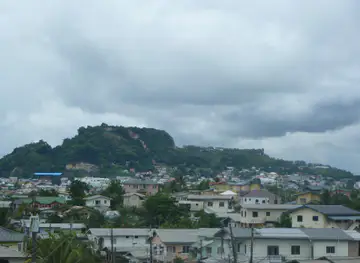
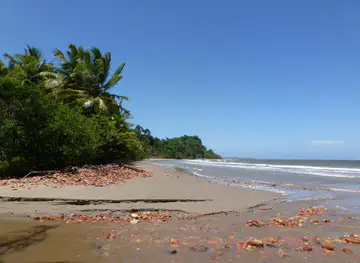
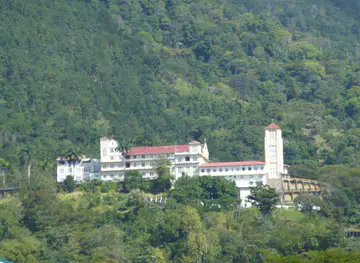
Cities near Princes Town
The closest cities to Princes Town, if you have time for more than one stop.
-
-

-

-
-


Swipe for more cities
Explore more
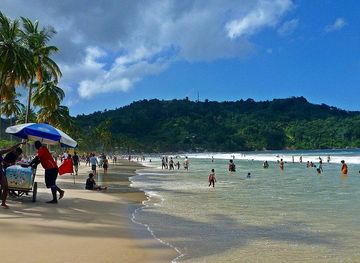
Explore more of Trinidad and Tobago
Discover Trinidad and Tobago: A Caribbean paradise where vibrant culture meets stunning natural beauty, offering unique experiences from lively festivals to serene beaches.
Explore Trinidad and Tobago