

Free Anna Regina Travel Guide & Mobile App
Plan your Anna Regina trip with Evendo. Get free guides to top attractions, restaurants, hotels, and bars. Web access or download the mobile app.


Anna Regina, Guyana offers Essequibo Coast history, rice-field landscapes, local markets, cultural heritage and access to Lake Mainstay and rural villages.
Coastal Town and Regional Centre
Anna Regina lies on Guyana’s Essequibo Coast, serving as the administrative centre of Pomeroon-Supenaam and a practical base for exploring the region’s villages, rice fields, waterways and Atlantic shoreline. Rather than a city of grand monuments, it is a working town whose character comes from daily commerce, agricultural life and the cultural mix that defines coastal Guyana. Markets, small shops and transport connections bring activity to the centre, while drainage canals and broad fields reveal the engineered landscape created by generations of farming.Read more about Anna Regina
Plantation Heritage and Local Culture
Water, Fields and Regional Excursions
When is the best time to visit Anna Regina?
Best: June–August · 31°C| Month | High (°C) | Rainfall (mm) |
|---|---|---|
| January | 30 | 192 |
| February | 31 | 115 |
| March | 31 | 96 |
| April | 31 | 56 |
| May | 31 | 30 |
| June (best) | 31 | 19 |
| July (best) | 31 | 13 |
| August (best) | 31 | 12 |
| September | 31 | 19 |
| October | 31 | 48 |
| November | 31 | 88 |
| December | 31 | 145 |
Getting to and around Anna Regina
How to get there
Transportation
Best attractions in Anna Regina
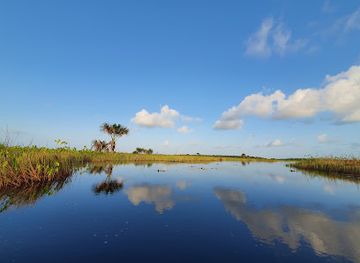
Anna Regina’s attractions are modest in scale but revealing of Essequibo Coast life. The town centre and its market offer an introduction to everyday commerce, with produce, household goods and local conversation providing a more useful sense of place than a formal museum. Around town, drainage canals, rice fields and low-lying agricultural roads show how people have adapted the coastal landscape for cultivation. The wider region’s principal recreational destination is Lake Mainstay, a freshwater lake associated with swimming, relaxation and local outings rather than grand sightseeing infrastructure. Nearby villages and the road towards the Pomeroon allow visitors to observe houses, farms, religious buildings and waterways that connect the community. The coastal setting also rewards unhurried exploration, especially for travellers interested in Guyana’s rural geography, Indo-Guyanese and Afro-Guyanese traditions, and the practical relationship between settlement and water. These experiences are best approached as regional discovery rather than a checklist of monumental sights.
-
Tourist attraction
Capoey Lake Resort
Experience the serene beauty of Capoey Lake Resort, your perfect escape in Essequibo, Guyana, blending relaxation, adventure, and local culture.
25 min drive · 8.3 km from city centre
-
Tourist attraction
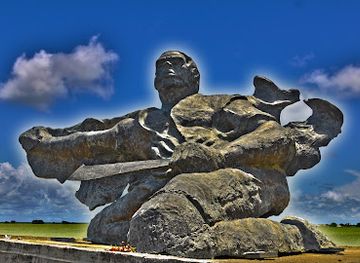
Damon Monument
Discover the Damon Monument in Anna Regina, a stunning tribute to the region's rich history and culture, surrounded by serene landscapes.
4 min walk · 0.3 km from city centre
-
Park
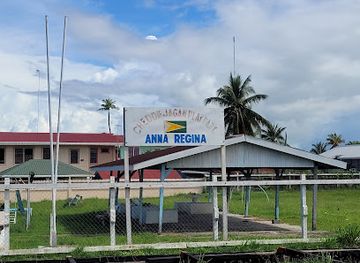
Cheddi Jagan Memorial Park
Discover the peaceful Cheddi Jagan Memorial Park in Anna Regina, a tribute to Guyana's first president amidst stunning natural beauty.
4 min walk · 0.3 km from city centre
-
Park
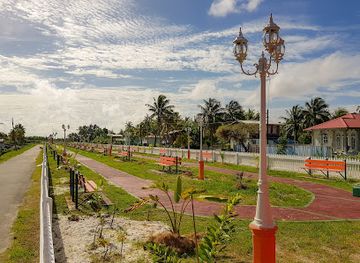
Fear Not Park
Discover the serene charm of Fear Not Park in Anna Regina, where lush landscapes and relaxation await every visitor.
11 min drive · 3.6 km from city centre
Best landmarks in Anna Regina
Anna Regina’s principal landmarks are tied to regional administration, religious diversity and the engineered landscape rather than monumental architecture. The town’s civic and commercial centre represents its role as the capital of Pomeroon-Supenaam, while the names Anna and Regina preserve the memory of the plantations from which the modern settlement developed. Churches, mosques and Hindu temples in Anna Regina and surrounding communities reflect the successive populations and faith traditions that shaped coastal Guyana; individual buildings should be approached with respect, since their significance is often local and communal. The drainage canals, bridges and agricultural fields are landmarks of another kind, embodying the water-management systems that made settlement and rice cultivation possible on the coastal plain. Lake Mainstay, outside the town itself, is a prominent natural and recreational feature of the wider region, not a central urban monument.
-
Restaurant
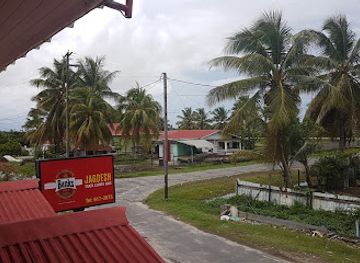
Jagdesh Duck Curry Bar
Discover the rich flavors of Guyanese cuisine at Jagdesh Duck Curry Bar, where duck curry steals the show in a vibrant and inviting atmosphere.
8 min drive · 2.7 km from city centre
-
Monument
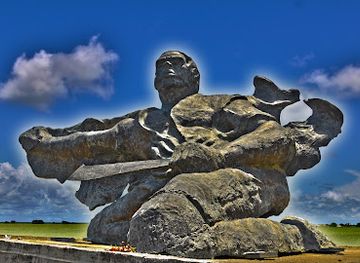
Damon Monument
Discover the Damon Monument in Anna Regina, a cultural landmark celebrating local heritage and history amidst picturesque surroundings.
4 min walk · 0.3 km from city centre
-
Clothing store
Shawn's Mini Mart
Discover the vibrant local fashion scene at Shawn's Mini Mart in Anna Regina, where quality meets community spirit in a delightful shopping experience.
8 min walk · 0.7 km from city centre
-
Bridge
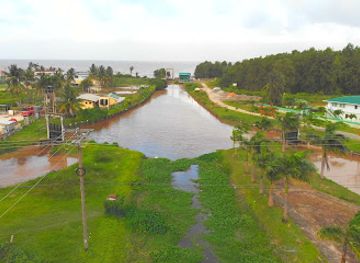
Anna Regina High Bridge
Explore the historic Anna Regina High Bridge, an iconic structure offering stunning views of the Essequibo River and a glimpse into Guyana's rich past.
5 min walk · 0.4 km from city centre
Explore Anna Regina on the map
Plan your Anna Regina trip on one map. See where the top attractions, landmarks, restaurants, bars and hotels are, find what's near where you're staying, and book hotels and experiences in a few clicks.
Best hotels in Anna Regina
Best restaurants in Anna Regina
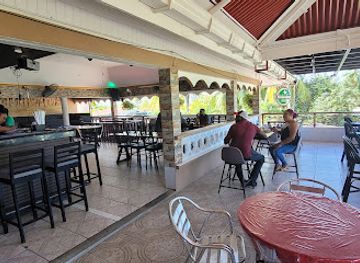
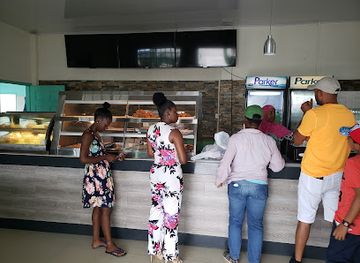
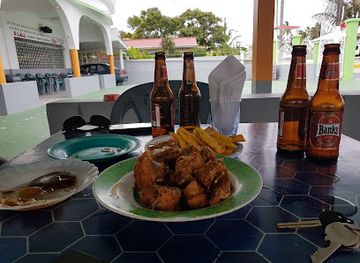
Dining in Anna Regina reflects the mixed cultural history of coastal Guyana, with rice, dhal, roti, curry, cassava, plantain, fresh vegetables, chicken, fish and other seafood appearing across home cooking and informal eateries. Indo-Guyanese flavours are especially influential, while Creole and broader Caribbean traditions contribute pepper sauces, stews and fried snacks. Small restaurants, takeaway counters, bakeries and market stalls provide the most characteristic eating experiences, although opening patterns and menus can be informal. Local groceries and markets are useful for seeing the ingredients that support rice-growing communities and household cooking. Visitors may encounter Guyanese staples such as cook-up rice, metemgee, pepperpot or curry, but recipes vary from household to household. Dining is generally more functional and community-oriented than destination-driven, with the strongest sense of place found in ordinary meals and conversations rather than fine-dining venues.
-
Restaurant
Jagdesh Duck Curry Bar
Experience authentic Guyanese cuisine at Jagdesh Duck Curry Bar in Anna Regina, featuring exquisite duck curry and local delicacies.
8 min drive · 2.7 km from city centre
-
Fast Food
At-Tayyib Fried Chicken
Experience the irresistible taste of Guyanese comfort food at At-Tayyib Fried Chicken in Anna Regina - where flavor meets hospitality!
8 min walk · 0.6 km from city centre
-
Grill
Buju's Pool Bar
Discover Buju's Pool Bar in Anna Regina - where delicious grilled cuisine meets refreshing cocktails in a tropical paradise.
5 min drive · 1.7 km from city centre
-
Chinese
Red Bud Chineese Resturant
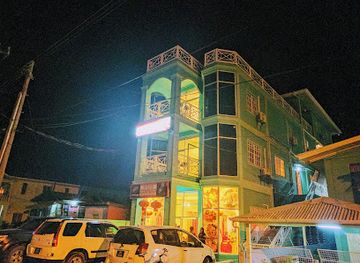
Experience authentic Chinese cuisine at Red Bud Chinese Restaurant in Anna Regina - where flavor meets tradition.
11 min walk · 0.9 km from city centre
Best bars in Anna Regina
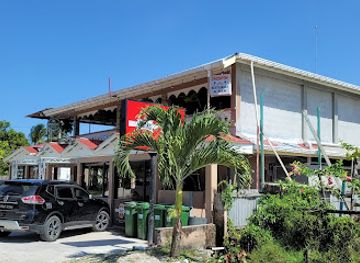
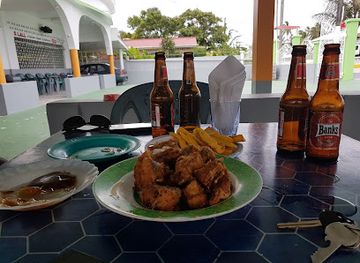
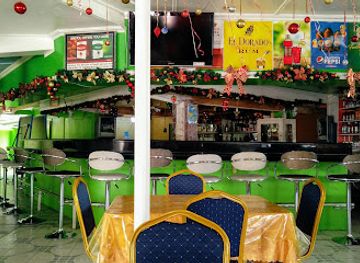
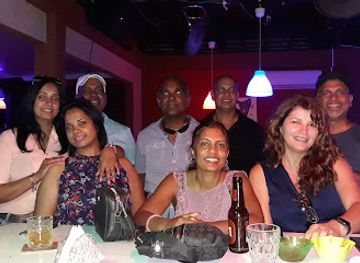
Anna Regina has a restrained evening scene centred on rum shops, small bars, informal social spaces and family or community gatherings rather than a concentrated nightclub district. Evenings may involve music, conversation and televised sport, while larger cultural or religious events can bring livelier public activity at particular times of year. Visitors should expect entertainment to be local and low-key, with fewer late-night venues than in Georgetown. Alcohol is part of some social settings, but it is not necessary to appreciate the town after dark: an early evening meal, a walk in a familiar central area or time spent with local hosts can offer a better sense of community rhythms. Transport becomes less predictable later in the evening, so arrange a trusted taxi or return journey in advance and follow local guidance about which areas are appropriate to walk through after dark.
-
Restaurant
Jagdesh Duck Curry Bar
Experience the authentic taste of Guyanese cuisine at Jagdesh Duck Curry Bar, famous for its delicious duck curry and warm ambiance.
8 min drive · 2.7 km from city centre
-
Grill
Buju's Pool Bar
Experience the ultimate grill and bar ambiance at Buju's Pool Bar in Anna Regina, where delicious food meets a vibrant poolside atmosphere.
5 min drive · 1.7 km from city centre
-
Indian
Bandar Resturant and Bar
Discover the rich flavors of India at Bandar Restaurant and Bar in Anna Regina, offering an authentic dining experience with a cozy atmosphere.
1 min walk · 0.1 km from city centre
-
Bar
Shooters Bar
Discover the energetic nightlife at Shooters Bar, a premier spot in Anna Regina for cocktails, sports, and socializing on the Essequibo Coast.
9 min walk · 0.7 km from city centre
Best nightclubs in Anna Regina
Anna Regina has a restrained evening scene centred on rum shops, small bars, informal social spaces and family or community gatherings rather than a concentrated nightclub district. Evenings may involve music, conversation and televised sport, while larger cultural or religious events can bring livelier public activity at particular times of year. Visitors should expect entertainment to be local and low-key, with fewer late-night venues than in Georgetown. Alcohol is part of some social settings, but it is not necessary to appreciate the town after dark: an early evening meal, a walk in a familiar central area or time spent with local hosts can offer a better sense of community rhythms. Transport becomes less predictable later in the evening, so arrange a trusted taxi or return journey in advance and follow local guidance about which areas are appropriate to walk through after dark.
-
Bar
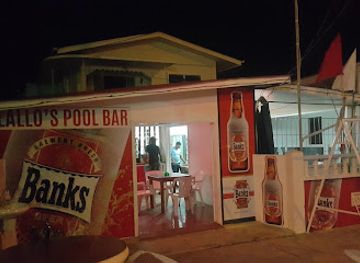
Lallo's Pool Bar
Discover the vibrant Lallo's Pool Bar in Anna Regina, where tropical vibes meet refreshing cocktails and unforgettable experiences await.
9 min drive · 3.0 km from city centre
-
Sports bar
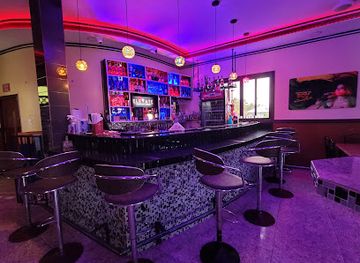
Elevate Sports Bar and Lounge
Experience the energetic vibe of Elevate Sports Bar and Lounge in Anna Regina, a top spot for sports, drinks, and nightlife.
12 min walk · 1.0 km from city centre
-
Night club
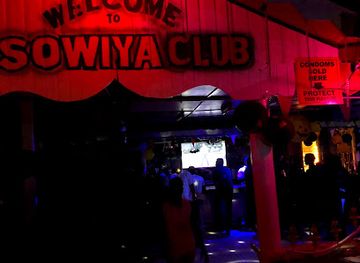
Sowiya Night Club
Discover the heart of Anna Regina's nightlife at Sowiya Night Club, where music and dance come alive in a vibrant atmosphere.
3 min walk · 0.3 km from city centre
-
Bar
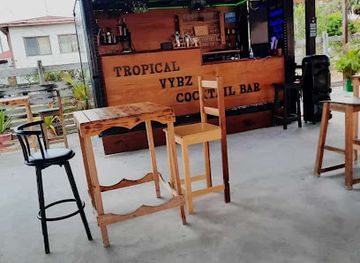
Tropical Vybes Cocktail and Bar
Experience the vibrant nightlife and exquisite cocktails at Tropical Vybes Cocktail and Bar in Anna Regina, a must-visit for all travelers.
7 min walk · 0.5 km from city centre
Best shops in Anna Regina
Shopping in Anna Regina is concentrated around practical local commerce, market stalls, small groceries, clothing shops and independent businesses rather than large malls or a luxury retail quarter. The market is the most direct place to encounter the region’s agricultural economy, with seasonal produce, provisions and household goods reflecting the surrounding rice-growing communities. Visitors may find Guyanese snacks, preserved foods, spices, sauces and locally used ingredients that travel more easily than fragile crafts. Small shops can also be useful for basic supplies before heading towards rural villages or Lake Mainstay. Retail is often personal and informal, so opening patterns and stock may vary. Bargaining is not automatically expected in every setting; ask politely and pay attention to local practice. Purchases are best understood as connections to everyday Essequibo Coast life rather than a specialised souvenir industry.
-
Supermarket
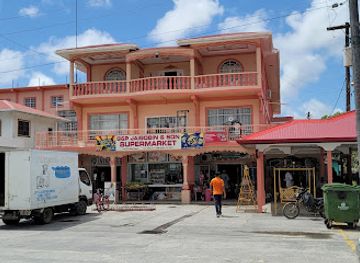
Jaigobin Supermarket
Discover local flavors and essentials at Jaigobin Supermarket in Anna Regina, a vibrant hub for all your shopping needs.
5 min walk · 0.4 km from city centre
-
Clothing store
Shawn's Mini Mart
Discover fashionable clothing and local treasures at Shawn's Mini Mart in Anna Regina, a must-visit spot for every traveler.
8 min walk · 0.7 km from city centre
-
Hypermarket
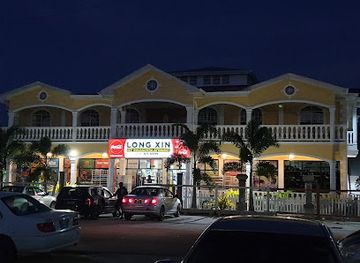
Long Xin Best Wholesale/Retail Supermarket
Explore the vibrant Long Xin Best Wholesale/Retail Supermarket in Anna Regina, where local culture meets a diverse shopping experience.
9 min walk · 0.7 km from city centre
-
Furniture store
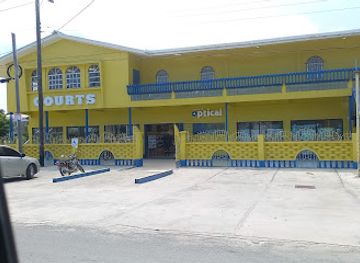
Courts
Explore Courts in Anna Regina for stylish furniture and home goods that bring comfort and personality to your space.
9 min walk · 0.7 km from city centre
Get your free copy of our complete guide to Anna Regina, delivered straight to you.
Everything on this page, from attractions and restaurants to essentials and local phrases, in one PDF you can read offline, print or share.
Already have an account? Sign in
Your Anna Regina guide is ready.
We'll send it to · Not you? Sign out

Getting your guide ready…
We are putting together a fresh copy of the Anna Regina guide. This can take up to a minute.
This can take a few moments. If your browser asks, choose Allow so the download can start. You'll find the guide in your Downloads folder.
Nothing happened? Download it again
Sorry, the guide is taking longer than usual. Please try again in a minute, or get it by email instead.
Anna Regina essentials
Currency and Payment
Safety
Emergency Situations
Do's and Don'ts
Local Tips
From Eve
Local phrases worth knowing
You don't need to get them perfect. A few words go a long way, and locals appreciate the effort.
Basics
| English | Local | Say it |
|---|---|---|
| Hello | Hello | [Hello] |
| Goodbye | Goodbye | [Goodbye] |
| Yes | Yes | [Yes] |
| No | No | [No] |
| Please/You're welcome | Please/You're welcome | [Please/You're welcome] |
| Thank you | Thank you | [Thank you] |
| Excuse me/Sorry | Excuse me/Sorry | [Excuse me/Sorry] |
| How are you? | How are you? | [How are you?] |
| Fine. And you? | Fine. And you? | [Fine. And you?] |
| Do you speak English? | Do you speak English? | [Do you speak English?] |
| I don't understand | I don't understand | [I don't understand] |
Eating & Drinking
| English | Local | Say it |
|---|---|---|
| I'd like to see the menu, please | I'd like to see the menu, please | [I'd like to see the menu, please] |
| I don't eat meat | I don't eat meat | [I don't eat meat] |
| Cheers! | Cheers! | [Cheers!] |
| I would like to pay, please | I would like to pay, please | [I would like to pay, please] |
Emergencies
| English | Local | Say it |
|---|---|---|
| Help! | Help! | [Help!] |
| Go away! | Go away! | [Go away!] |
| Call the Police! | Call the Police! | [Call the Police!] |
| Call a doctor! | Call a doctor! | [Call a doctor!] |
| I'm lost | I'm lost | [I'm lost] |
| I'm ill | I'm ill | [I'm ill] |
Shopping
| English | Local | Say it |
|---|---|---|
| I'd like to buy... | I'd like to buy... | [I'd like to buy...] |
| I'm just looking | I'm just looking | [I'm just looking] |
| How much is it? | How much is it? | [How much is it?] |
| That's too expensive | That's too expensive | [That's too expensive] |
| Can you lower the price? | Can you lower the price? | [Can you lower the price?] |
Time & Numbers
| English | Local | Say it |
|---|---|---|
| What time is it? | What time is it? | [What time is it?] |
| It's one o'clock | It's one o'clock | [It's one o'clock] |
| Half past (10) | Half past (10) | [Half past (10)] |
| Morning | Morning | [Morning] |
| Afternoon | Afternoon | [Afternoon] |
| Evening | Evening | [Evening] |
| Yesterday | Yesterday | [Yesterday] |
| Today | Today | [Today] |
| Tomorrow | Tomorrow | [Tomorrow] |
| 1 | 1 | [1] |
| 2 | 2 | [2] |
| 3 | 3 | [3] |
| 4 | 4 | [4] |
| 5 | 5 | [5] |
| 6 | 6 | [6] |
| 7 | 7 | [7] |
| 8 | 8 | [8] |
| 9 | 9 | [9] |
| 10 | 10 | [10] |
Transport & Directions
| English | Local | Say it |
|---|---|---|
| Where's a/the...? | Where's a/the...? | [Where's a/the...?] |
| What's the address? | What's the address? | [What's the address?] |
| Can you show me (on the map)? | Can you show me (on the map)? | [Can you show me (on the map)?] |
| When's the next (bus)? | When's the next (bus)? | [When's the next (bus)?] |
| A ticket (to ....) | A ticket (to ....) | [A ticket (to ....)] |
History of Anna Regina
Indigenous Coastal Foundations
Long before the colonial period, the coastal and riverine lands around present-day Anna Regina were used and inhabited by Indigenous peoples, including communities associated with the Lokono and Warao cultural worlds. Rivers, creeks, wetlands and the Atlantic coast provided routes for travel, fishing and exchange, while knowledge of seasonal water levels shaped settlement and subsistence. The landscape encountered today is heavily modified by drainage works, agriculture and roads, but its dependence on waterways reflects much older patterns of life. Indigenous presence remains an important part of the wider history of the Essequibo region, even though later colonial and plantation records often gave greater attention to European landholding.
Dutch Essequibo and Plantation Expansion
The Essequibo region became part of the Dutch colonial world from the seventeenth century, when settlements and trading interests developed along the river and coastal waterways. Plantation agriculture expanded through systems dependent on canals, drainage and coerced labour, transforming low-lying lands that had previously been governed by natural wetlands. The plantations later associated with the Anna Regina area formed part of this broader coastal economy. Dutch influence is visible in the region’s long history of water control and estate organisation, although many original structures have disappeared and the modern town does not present itself as a preserved colonial settlement.
British Rule and Estate Society
Britain assumed control of the colony during the Napoleonic era, and British Guiana’s plantation society continued to develop along the coast during the nineteenth century. Estates producing sugar and other crops shaped settlement, employment and transport, while the end of slavery in 1834 brought major changes to labour and rural society. Indentured workers from India were subsequently brought to British Guiana, contributing decisively to the Indo-Guyanese culture of the Essequibo Coast. The names Anna and Regina, associated with former plantations, survive in the town’s identity and preserve a direct link to the estate landscape that preceded modern municipal life.
From Estate Lands to Rural Town
As plantation society changed, villages, markets and agricultural communities became increasingly important along the Essequibo Coast. Rice cultivation expanded during the late nineteenth and twentieth centuries, supported by drainage and irrigation systems that made low-lying land productive. The area around Anna Regina developed as a service and trading centre for surrounding settlements, connecting farmers and residents with shops, transport, education and public administration. Its growth was less a single founding event than a gradual transformation from plantation territory into a regional town shaped by agriculture, migration and the practical demands of coastal settlement.
Modern Pomeroon-Supenaam
In independent Guyana, Anna Regina became the administrative centre of Pomeroon-Supenaam, one of the country’s regions. Its modern identity rests on a combination of public administration, commerce, rice farming and connections with nearby coastal and river communities. The town’s surrounding landscape continues to require constant attention to drainage, roads and flood management, linking present-day infrastructure with the engineering traditions of the plantation era. At the same time, religious diversity, local foodways and family networks reflect the layered population history of Guyana. Anna Regina today is therefore a working regional centre whose historical importance is best read through its landscape and communities rather than through a concentration of monumental buildings.
Anna Regina in Photos
Browse through our photo collection highlighting the charm and character of the destination.
Cities near Anna Regina
The closest cities to Anna Regina, if you have time for more than one stop.
-

-

-

-
-


Swipe for more cities

