Föreningen Böda Skogsjärnväg, Blekinge Travel Guide
A volunteer‑run 600 mm heritage forest railway on Öland — small engines, timber wagons and pine‑fringed track bring logging history to life.
A lovingly restored 600 mm‑gauge forest railway on northern Öland, Föreningen Böda Skogsjärnväg runs heritage trains along a scenic stretch between Fagerrör and Trollskogen. The volunteer‑run museum preserves steam and diesel locomotives, timber wagons and timber‑era buildings while offering seasonal rides through pine woods and coastal landscapes — a living slice of early 20th‑century forestry rail history.
A brief summary to Föreningen Böda Skogsjärnväg
- Fagerrörvägen 60, Byxelkrok, 387 75, SE
- Click to display
- Duration: 0.5 to 2 hours
- Mid ranged
-
 Outdoor
- Mobile reception: 3 out of 5
- Tuesday 11 am-3 pm
- Wednesday 11 am-3 pm
- Thursday 11 am-3 pm

Know before you go
Hi, I'm Eve. Here are a few practical things to know before exploring Föreningen Böda Skogsjärnväg.
- Check the seasonal timetable before you go: trains run on select summer and event days and schedules vary by year.
- Bring layers and a windproof: coastal light and forest shade can change temperature quickly during a short ride.
- Allow time to visit the sheds and rolling‑stock displays — restoration work is often visible and informative.
- If you want photos without crowds, arrive early on a running day for unobstructed views of locomotives and carriages.
Do you manage this location?
Take control to get all the benefits, like improved information, better appearance, and stronger visibility across AI-powered discovery. Learn more about listing your business on Evendo
Activate your presenceOther nearby places you may find interesting
The closest places of the same kind, if this one is not quite what you had in mind.
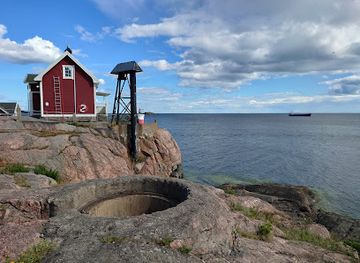
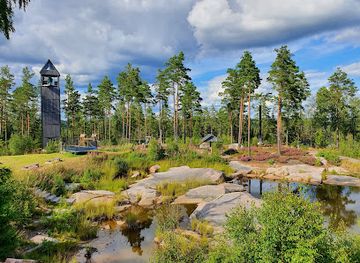
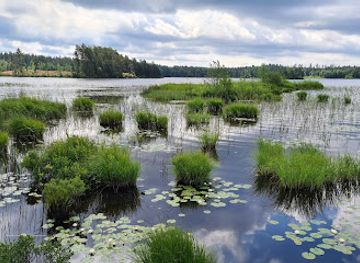
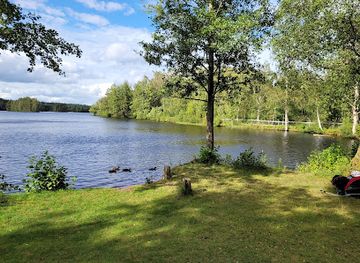
Explore Föreningen Böda Skogsjärnväg on the Map
A handpicked selection of must-see spots near Föreningen Böda Skogsjärnväg, mapped for you.
Getting There
-
Regional bus + short walk
Regional bus from central Borgholm to Byxelkrok area takes approximately 45–70 minutes depending on service; expect limited frequency outside peak season and plan for potential waits. From the nearest stop allow a 15–25 minute unpaved or compacted‑track walk across forest paths to reach the museum site; the walking section can be uneven and may be muddy after rain. Total estimated cost: SEK 50–120 one way depending on operator and ticket type.
-
Car
Driving from the main towns on Öland typically takes 25–50 minutes; parking at the museum is limited and occasionally informal on grass surfaces, so arrive early on event days. Expect seasonal parking constraints during summer and during special events; no guaranteed paid parking facilities are provided. Fuel and tolls are at standard regional rates; driving cost depends on vehicle but plan for local parking to be free or donation‑based.
-
Bicycle
Biking from nearby villages is a leisurely option: typical cycle times are 30–90 minutes depending on start point and route; surfaces alternate between quiet country roads and packed sand tracks. Terrain is mostly flat but exposed to coastal winds; bring puncture repair kit and secure locks. There is space to secure bicycles near the station area on non‑running days.
For the on-the-go comforts that matter to you
-
 Seating Areas
-
 Information Boards
-
 Restrooms
Discover more about Föreningen Böda Skogsjärnväg
Origins in the timberlands
The railway began as a practical narrow‑gauge timber line built in the early 1900s to haul felled trees out of Böda kronopark; short, lightweight 600 mm track and small steam locomotives were ideal for the sandy, pine‑covered terrain. Over the decades the industrial network grew into a modest labyrinth of spurs and sidings used to collect, sort and ship timber to the coast. When the original commercial traffic ceased in the mid‑20th century, much of the permanent way was lifted, but the railway’s equipment and stories remained embedded in the landscape.A volunteer revival and museum line
In 1974 a group of volunteers and local enthusiasts formed the association to reconstruct a portion of the old forest line as a living museum. Work progressed in stages: track was relaid, historical locomotives and rolling stock were recovered and restored, and small depot buildings and trackside artifacts were conserved. The result is a short, well‑kept heritage railway where period steam and diesel traction operate across timber‑lined embankments and level stretches evocative of the original logging era.What you see on the rails
Expect compact steam and diesel engines, low timber wagons and assorted service vehicles typical of forest railways: small driving cabs, exposed motion on the steam engines, and wooden‑bodied freight wagons that once carried logs and supplies. Stations and halts are modest — simple platforms, a signal or two, and sheds housing workshop equipment. The line’s scale and vehicle proportions make the experience intimate; you can study rivets, boiler fittings and the simple ingenuity of narrow‑gauge engineering at close range.The setting and sensory character
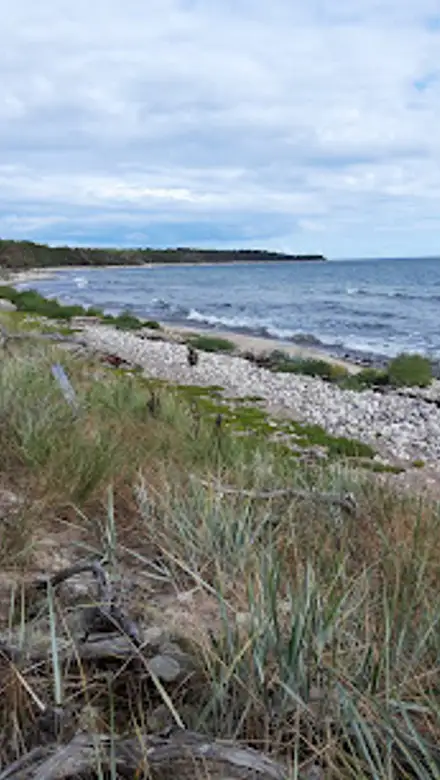
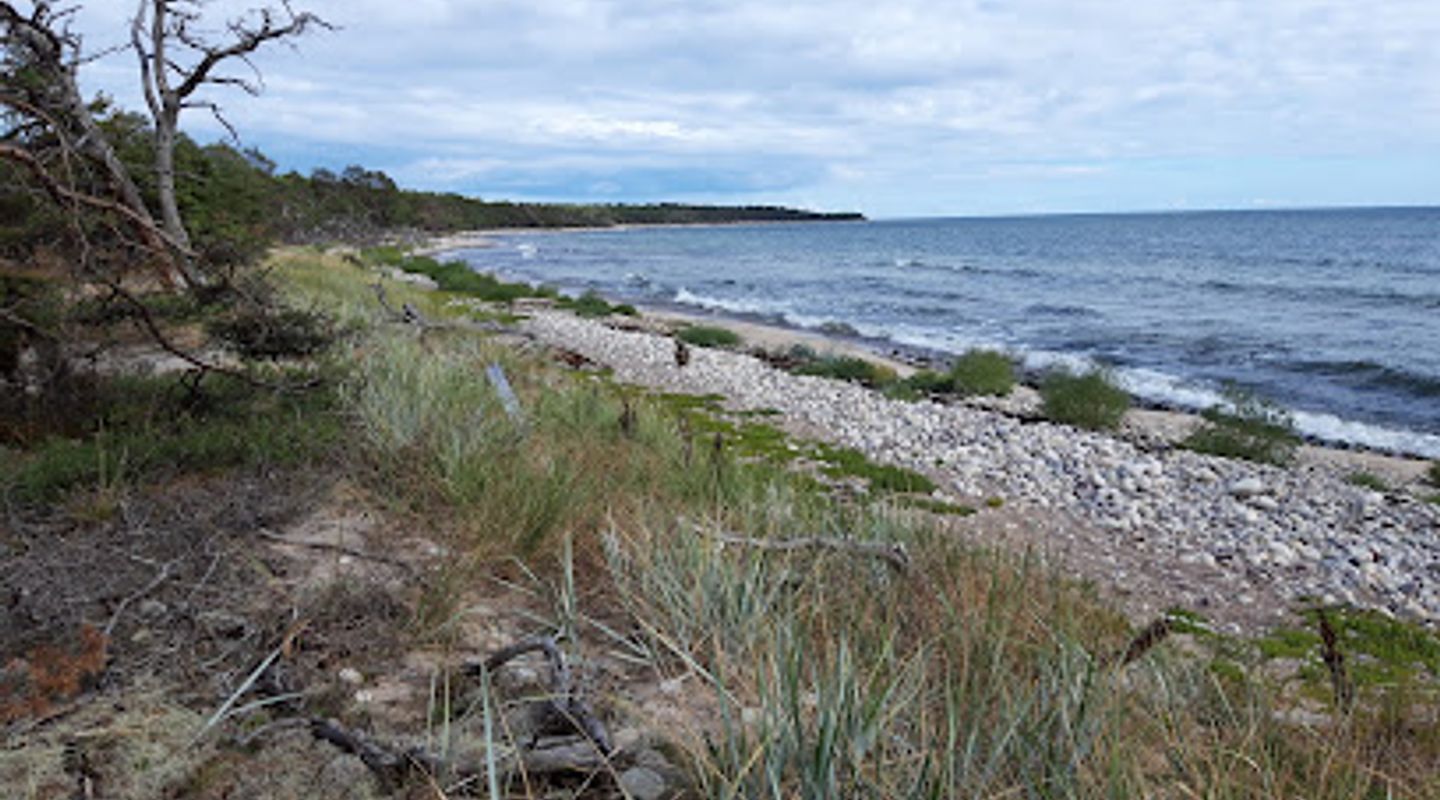
The track runs through changing scenery: sheltered stands of pine where the smell of resin and warm wood smoke can linger, short glimpses of coastal light, and the scrub and wind‑stunted trees of the Trollskogen nature area nearby. On a running day you’ll hear the low chuff of a small steam engine or the steady thrum of a diesel, feel the gentle sway of short wheelbases over lightweight track, and see the rhythmic clack of flangewheels on joints — all scaled down but intensely tactile compared with standard mainline trains.Preservation, education and community
The association operates on volunteer energy and offers more than rides: workshops, restoration projects and interpretation of the forest‑railway era. Rolling stock and archival material are preserved to illustrate how small industrial lines supported forestry operations and local livelihoods. The museum ethos is hands‑on: maintenance and restoration are visible parts of the site’s atmosphere, making the place equal parts working railway and open‑air museum.When to visit and what to expect
Service is seasonal and concentrated on selected summer days and special events when heritage trains run and workshop sheds may be open. Running days offer the full atmosphere — whistle calls, station announcements and the sight of historical vehicles in steam or under diesel power. Even on non‑running days the track, sheds and exhibits present a compact, well‑preserved chapter of rural industrial history that rewards close observation and a curiosity for mechanical detail.More to explore near Föreningen Böda Skogsjärnväg













Your all‑in‑one travel companion app
Explore expert travel guides, compare and book tours, experiences, hotels, and more—all from the palm of your hand. Download now for seamless trip planning wherever your wanderlust takes you.


Explore More of Blekinge
Looking beyond Föreningen Böda Skogsjärnväg? Discover Blekinge for broader travel guides, local hot-spots, and regional highlights.
Explore Blekinge