Labyrinth Ulmekärr, Bohuslan Travel Guide
A compact prehistoric stone-ring labyrinth north of Grebbestad where coastal winds, low horizons and concentric stones invite a quiet, contemplative walk.
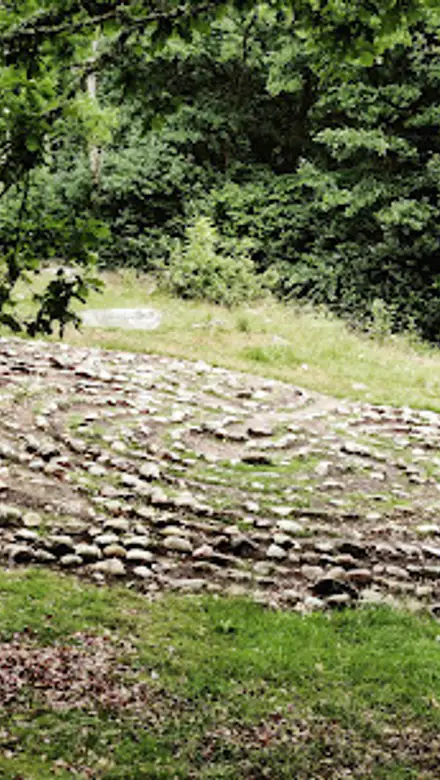
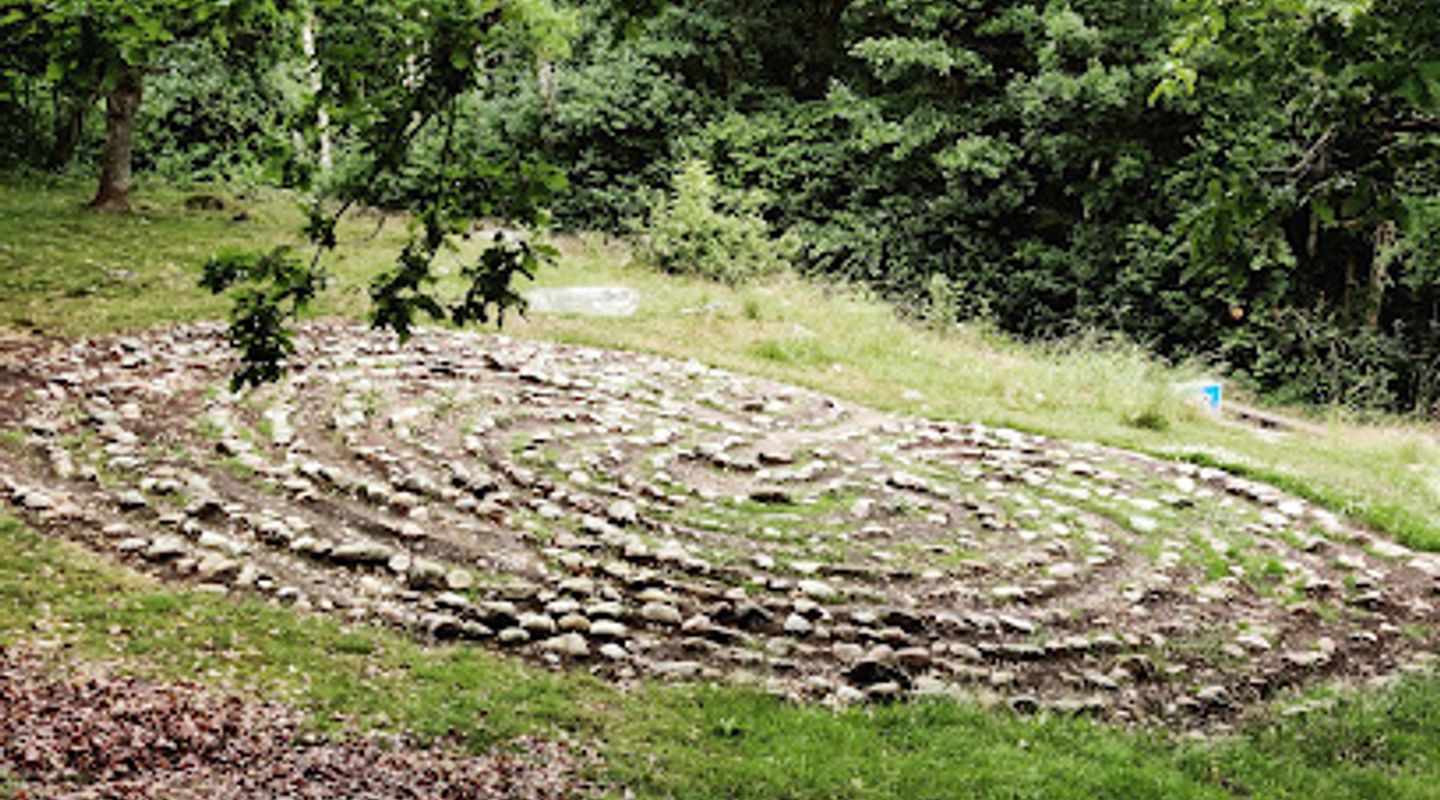
A compact, well-preserved stone labyrinth on the northern outskirts of Grebbestad, Labyrinth Ulmekärr is an enigmatic prehistoric monument set among low coastal terrain and iron‑age burial features. Roughly circular and easy to walk, the stone rings invite quiet exploration and reflection amid windswept heather and coastal pines — a small, atmospheric archaeological site that links Grebbestad’s modern harbour life with millennia of coastal ritual and landscape use.
A brief summary to Labyrinth Ulmekärr
- Havstenssundsvägen 1, Grebbestad, 457 72, SE
- Click to display
- Duration: 0.25 to 1 hours
- Free
-
 Outdoor
- Mobile reception: 4 out of 5

Know before you go
Hi, I'm Eve. Here are a few practical things to know before exploring Labyrinth Ulmekärr.
- Wear sturdy shoes — the surface is uneven stone and thin turf, which can be slippery when wet.
- Visit in softer light (early morning or late afternoon) for better textures and quieter surroundings.
- Treat the stones respectfully: the site is an archaeological feature, not a playground; avoid moving rocks.
Do you manage this location?
Take control to get all the benefits, like improved information, better appearance, and stronger visibility across AI-powered discovery. Learn more about listing your business on Evendo
Activate your presenceOther nearby places you may find interesting
The closest places of the same kind, if this one is not quite what you had in mind.
Explore Labyrinth Ulmekärr on the Map
A handpicked selection of must-see spots near Labyrinth Ulmekärr, mapped for you.
Getting There
-
Car
Private car — estimated travel time from central Grebbestad 8–15 minutes depending on traffic; small roadside parking is typically available but informal and can fill during summer; no formal paid parking or attendants.
-
Bicycle
Cycling from Grebbestad centre 20–35 minutes on local roads and farm tracks; route includes short stretches of uneven surfaced lanes and may require lifting the bike across stiles or gates in places.
-
Walking
Walk from the northern edge of Grebbestad 30–60 minutes depending on start point and pace; terrain is generally easy but includes uneven stone paths and soft turf — not recommended for visitors needing step‑free routes.
For the on-the-go comforts that matter to you
-
 Information Boards
Discover more about Labyrinth Ulmekärr
A quiet stone plan in the coastal landscape
The Labyrinth Ulmekärr sits slightly north of Grebbestad as a neat circle of low-lying stones laid out on the shoreward side of gently undulating fields and skerries. Unlike maze gardens, this is a simple stone-ring labyrinth: concentric circuits of rock that form a single winding path to the centre rather than a network of dead ends. Its scale is modest and human: the layout is intended to be traversed on foot, offering a short, contemplative experience that contrasts with the nearby sea and harbour activity.Ancient origins and local archaeology
Scholars and local guides commonly associate Ulmekärr with other coastal labyrinths in Scandinavia and further afield; these features are usually dated to prehistoric times and frequently linked with Iron Age funerary and ritual landscapes. The labyrinth at Ulmekärr lies close to visible burial monuments and stony grave fields, underlining its placement within a long sequence of ritual sites that once marked coastal communities’ beliefs about luck, fertility and the sea.Materials, construction and preservation
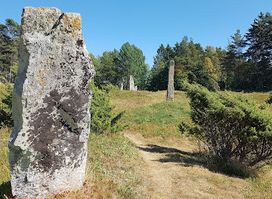
Constructed from local fieldstones and slab fragments, the rings at Ulmekärr are low but well-defined; the stones have been arranged rather than quarried, which gives the site an organic, place-specific look. Weather, grazing and occasional human intervention have left the labyrinth intact but patinated: stones show lichen, smoothed edges from centuries of wind, and the layout reads clearly without modern reinforcements. The modest scale helps preservation — the feature fits naturally into the turf and thin soil of Bohuslän’s coastal fringe.What you notice when you walk it
On entry you first become aware of texture and sound: wind over grass, seabirds on the updrafts and a distinct tape of sea-borne air. The path is narrow but forgiving; your footsteps shift from gravelly stone to short turf. The centre does not hold a monument so much as a small hollow of wind-sheltered ground, a place to pause. Visually, the scene frames low horizons — the harbour and skerries lie within sightlines — and the labyrinth compresses the landscape into a focused ritual act of movement.Stories and cultural resonance
Local narratives and antiquarian records tie Ulmekärr to broader traditions of shore-side labyrinths found along the Atlantic seaboard and in parts of northern Europe. Over the centuries these places have been interpreted in multiple ways: as fertility symbols, protection marks for sailors, or ceremonial paths connected to nearby graves. Regardless of interpretation, the labyrinth functions as a tangible link between everyday coastal life and older ritual geographies.Practical character and visiting tone
This is a modest, non-commercial site: it reads as a cultural fragment rather than a curated museum. There are no built structures within the stone ring beyond the stones themselves, so visiting is about personal attention to place and quiet study. The site’s atmosphere changes by weather — bright, windswept clarity in suntime; brooding, marine grey when cloud and swell arrive — and it rewards a pause more than a photo stop, though it is easily photographed against the Bohuslän light.












Your all‑in‑one travel companion app
Explore expert travel guides, compare and book tours, experiences, hotels, and more—all from the palm of your hand. Download now for seamless trip planning wherever your wanderlust takes you.


Explore More of Bohuslan

Looking beyond Labyrinth Ulmekärr? Discover Bohuslan for broader travel guides, local hot-spots, and regional highlights.
Explore Bohuslan
Embark on pirate-fueled thrills at Daftöland, Strömstad's family amusement park with rides, games, theater, and spooky seasonal fun amid Bohuslän's coastal charm.
A windswept Iron Age cemetery on Bohuslän granite — low stone rings and mounds that map centuries of coastal funerary ritual.