Greby, Vastergotland Travel Guide
A windswept Iron Age cemetery on Bohuslän granite — low stone rings and mounds that map centuries of coastal funerary ritual.
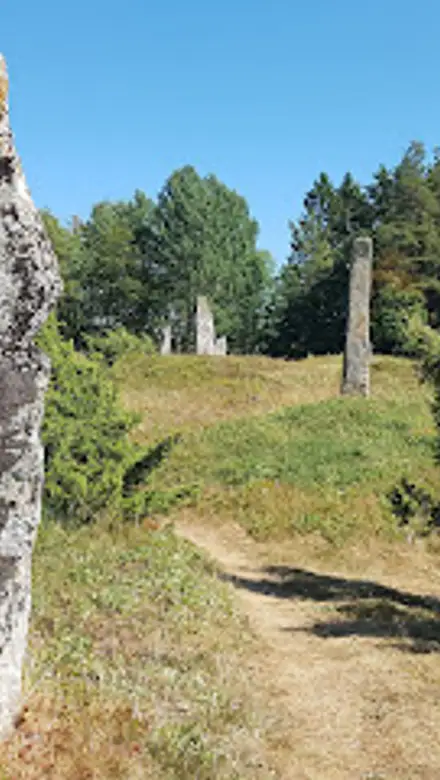
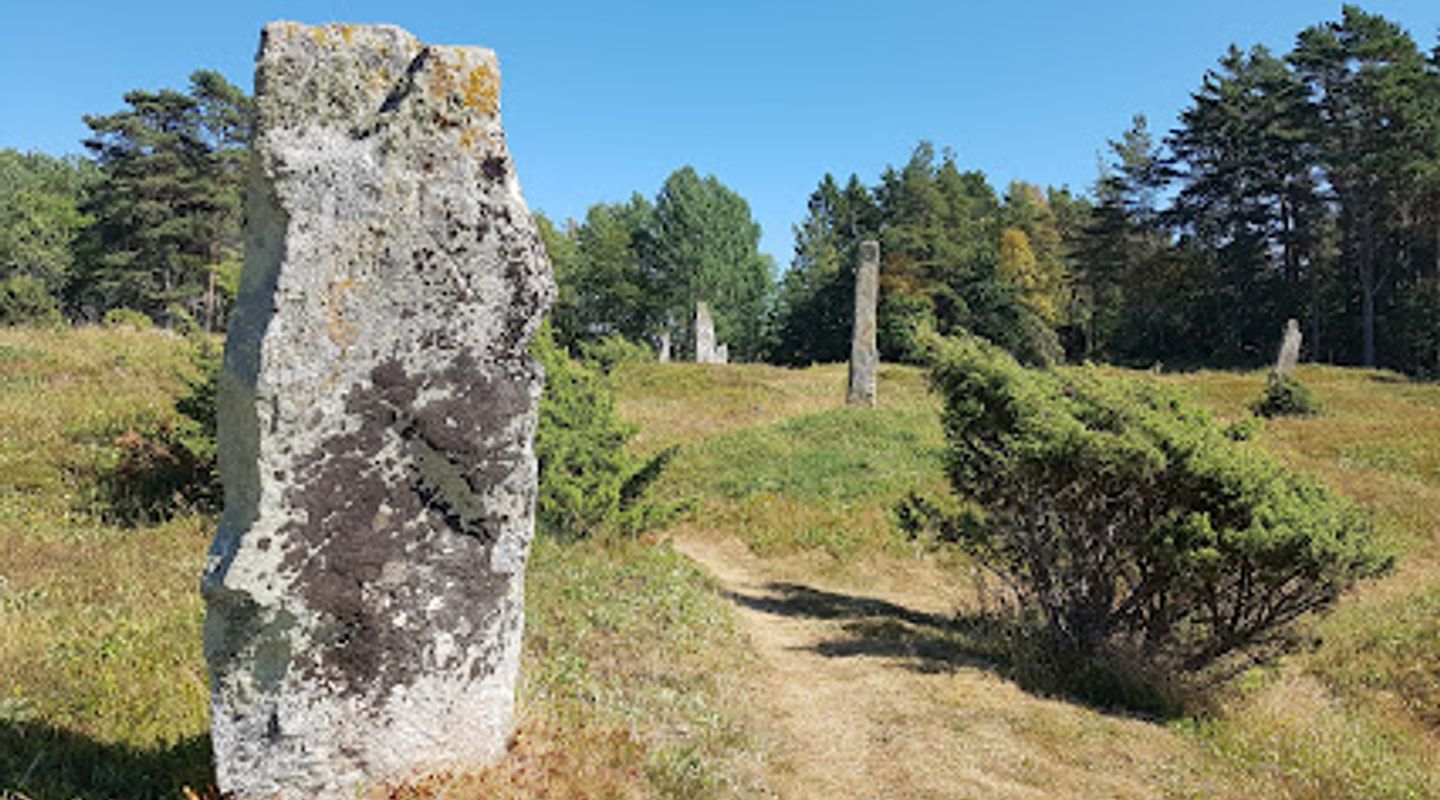
Greby Grave Field is an expansive Iron Age burial landscape north of Grebbestad on Sweden’s Bohuslän coast, where more than 180 stone-ringed mounds, cairns and standing stones scatter across open heath and low granite outcrops. The site preserves visible ceremonial layouts, varied mound types and stone settings that document centuries of funerary practice and coastal life, offering a quietly powerful glimpse of prehistoric ritual on a windswept shoreline.
A brief summary to Greby
- GREBY 10, Grebbestad, 457 95, SE
- Click to display
- Duration: 0.5 to 2 hours
- Free
-
 Outdoor
- Mobile reception: 3 out of 5

Know before you go
Hi, I'm Eve. Here are a few practical things to know before exploring Greby.
- Wear sturdy shoes for uneven, rocky ground and bring a windproof layer; the site is exposed to coastal weather.
- Move gently among the monuments — many features are low and easily damaged; avoid stepping on stone kerbs or cairns.
- Bring a compact field guide or downloaded map to help identify major clusters and stone circles; signage is limited on-site.
- Visit at golden hour for the most evocative light on stone and grass; mid-summer mornings and late afternoons are especially atmospheric.
Do you manage this location?
Take control to get all the benefits, like improved information, better appearance, and stronger visibility across AI-powered discovery. Learn more about listing your business on Evendo
Activate your presenceOther nearby places you may find interesting
The closest places of the same kind, if this one is not quite what you had in mind.


Explore Greby on the Map
A handpicked selection of must-see spots near Greby, mapped for you.
Getting There
-
Car (regional)
Drive from Grebbestad or nearby Tanum by regional road; typical travel time from Grebbestad is 10–20 minutes depending on parking availability. Parking is informal at a small pull-in; spaces are limited and surface is unsurfaced, so lower clearance vehicles should take care. No established paid parking — free but limited.
-
Local bus + walk
Use local bus services that serve the Grebbestad area and alight at the nearest stop for Greby (service frequency is seasonal and may be reduced outside summer); total travel time from Grebbestad centre is typically 20–40 minutes including a short walk over uneven terrain. Expect limited schedules in shoulder seasons and plan around published timetables.
-
Bicycle
Cycling from Grebbestad takes roughly 25–45 minutes depending on fitness and route; surfaces include minor roads and gravel lanes with some short stretches across uneven ground. Suitable for most road/touring bikes but expect to dismount for very rough patches; no bike hire is guaranteed on-site.
For the on-the-go comforts that matter to you
-
 Information Boards
-
 Seating Areas
-
 Trash Bins
Discover more about Greby
An ancient cemetery etched into granite
Greby Grave Field is a broad, low-lying archaeological landscape where burial mounds, stone rings and low cairns sit directly on the thin soils and exposed granite typical of Bohuslän. The monuments are arranged across gently undulating heath; some appear as solitary mounds while others form rows and loose clusters. Many of the earthworks and stone settings are low — you read them by walking among stones, feeling the change in micro-topography and noticing the subtle outlines against the grass.Chronology and what was left behind
The site belongs primarily to the Iron Age (centuries around the first millennium AD) although earlier and later activity has been suggested in the wider area. Archaeologists have recorded a variety of burial forms here — chambered cairns, stone circles and inhumations — and finds from excavations have included grave goods that illuminate long-distance contacts, craft specialisations and social expression across centuries. The diverse mound shapes and stone arrangements speak to changing ritual customs over a long period rather than to a single moment of construction.How the place feels and why it endures
Atmospherically Greby is elemental: sea air, low scrub, wind-swept grass and the persistent presence of rock. The monuments are resilient but modest in scale; they endure because families and communities aligned stone and earth to mark memory and identity in a landscape where bedrock often reaches the surface. On clear days the place reads as an ordered scatter of small monuments; on grey days the mounds become subtle silhouettes, and the site’s quieter qualities — the hush of wind, the creak of grasses — give a strong sense of continuity with distant lives.Notable features to observe on site
Look for variations in construction — circular stone settings, elongated cairns and low kerb-like arrangements — and for alignment patterns where rows of mounds appear to echo one another across the terrain. Several stone rings are prominent and can be walked around; others are small and easily missed. The contrast between worked stone and raw granite bedrock is informative: some monuments sit neatly on exposed rock platforms while others occupy the thinner humus, suggesting choices made for visibility, ritual focus or ancestral association.Landscape context and interconnected archaeology
Greby sits within a coastal patchwork of archaeological sites and seascapes: rocky shores, inlets and small settlements nearby have long connected communities to sea resources and trade routes. The grave field should be read as part of that coastal network — a place chosen for memory and perhaps for its visibility from nearby lanes and water. The surrounding terrain is ecologically sparse but rich in botanical and geological detail: lichens on stone, coastal grasses, and insects that animate the memorial stones in warm months.Practical considerations for a contemplative visit
The site is best experienced at a walking pace, allowing time to pause at stone rings and to note changes in micro-topography. There are no interpretive panels at every monument, so bringing a concise guide or a local map will help with orientation and identification of the larger concentrations of mounds. Respect for the fragile archaeology is essential: the features are low and can be damaged by trampling, so keep to sensible lines of travel and avoid climbing on delicate kerbs or cairns.












Your all‑in‑one travel companion app
Explore expert travel guides, compare and book tours, experiences, hotels, and more—all from the palm of your hand. Download now for seamless trip planning wherever your wanderlust takes you.


Explore More of Vastergotland
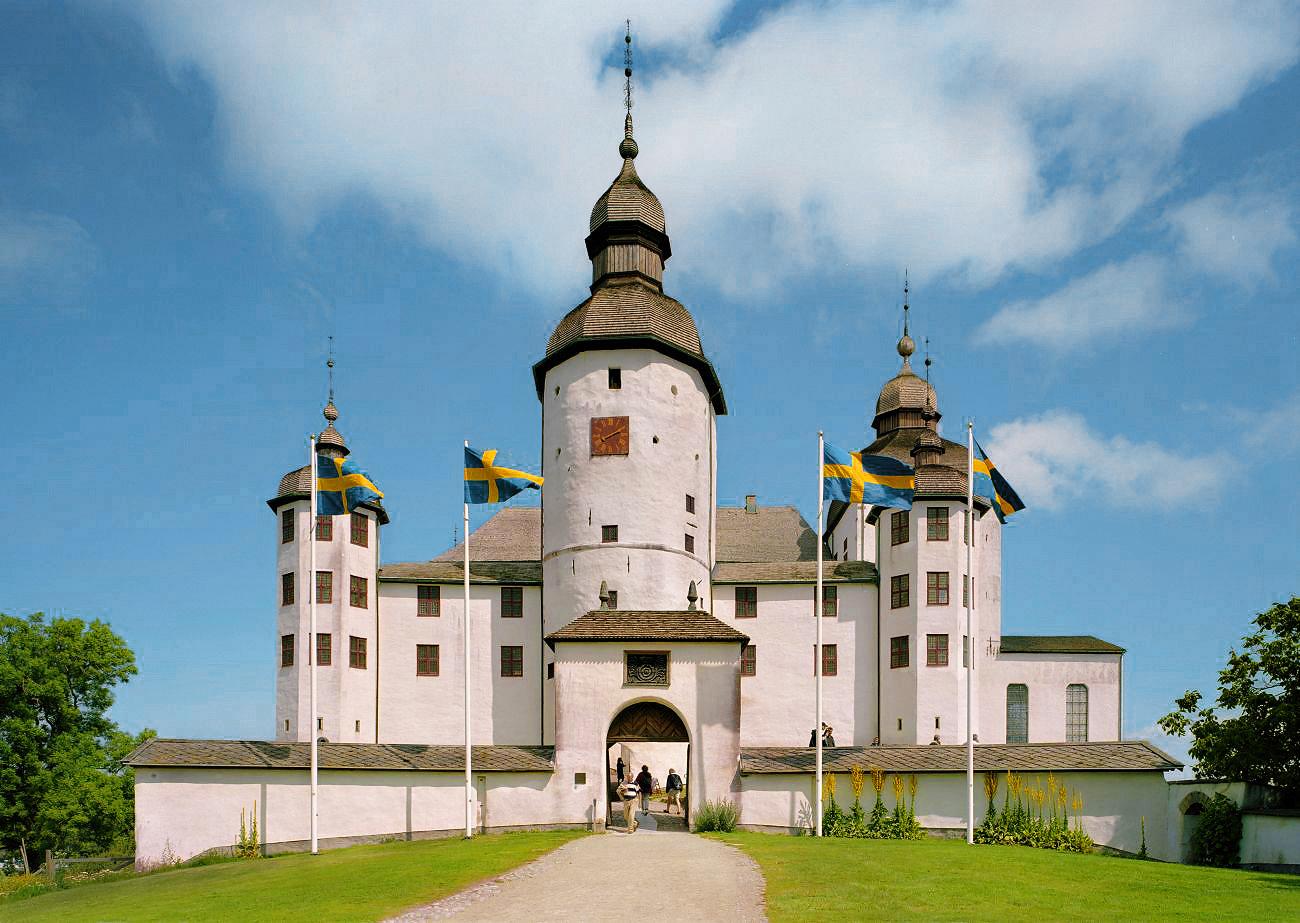
Looking beyond Greby? Discover Vastergotland for broader travel guides, local hot-spots, and regional highlights.
Explore Vastergotland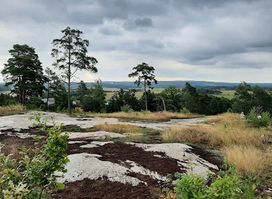
Discover the ancient Aspeberget Rock Carvings in Tanumshede, Sweden, where history and art merge in a stunning natural setting.
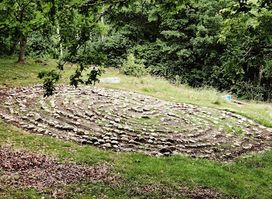
A compact prehistoric stone-ring labyrinth north of Grebbestad where coastal winds, low horizons and concentric stones invite a quiet, contemplative walk.