

Silverfallet Travel Guide
Free Guide: A compact, dramatic ravine of waterfalls and 19th‑century quarry ruins on Billingen — seasonal cascades, delicate flora and echoes of old lime and alun industry.


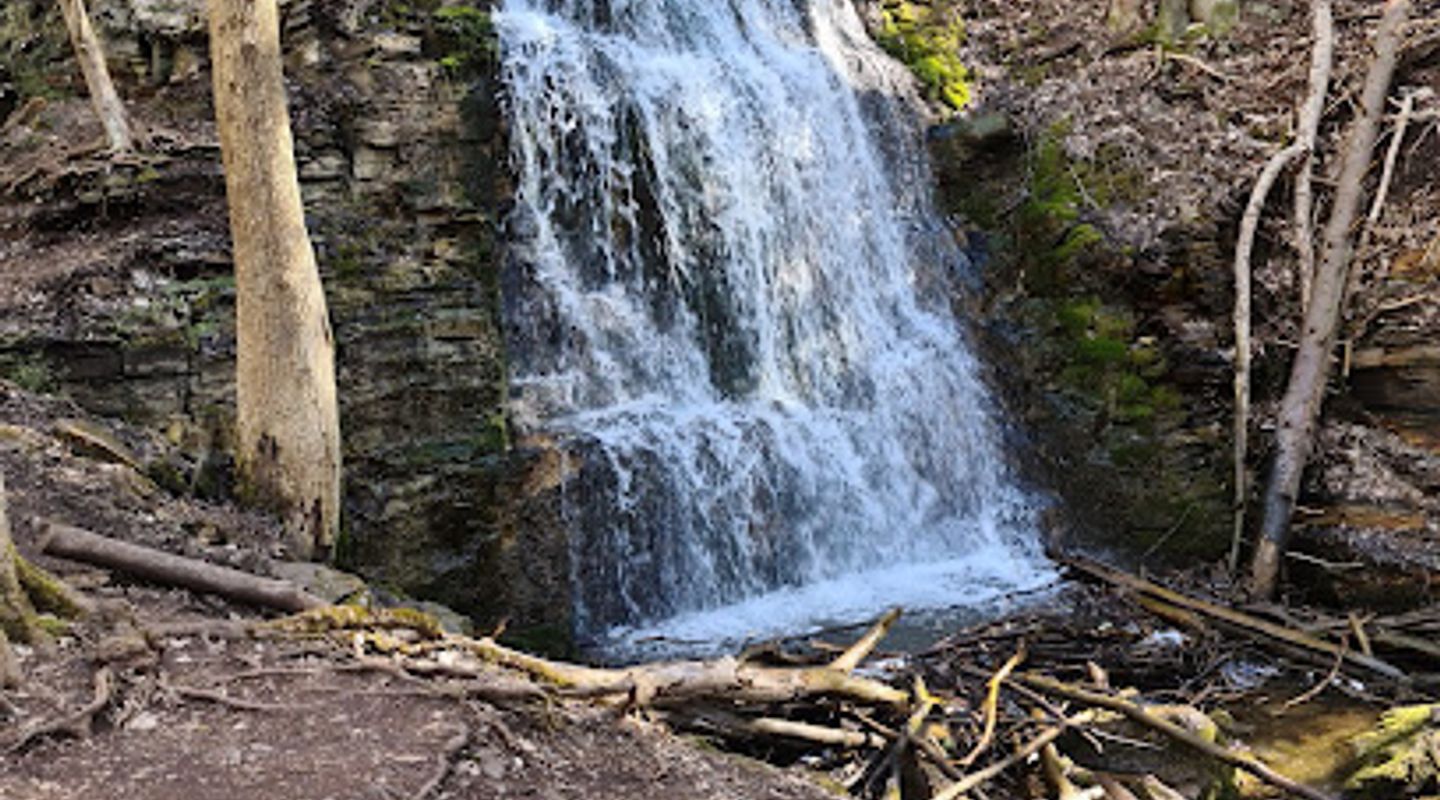
A brief summary of Silverfallet
A compact, dramatic ravine of waterfalls and 19th‑century quarry ruins on Billingen — seasonal cascades, delicate flora and echoes of old lime and alun industry.
Silverfallet is a dramatic series of waterfalls and a compact nature reserve on the western edge of Billingen near Skövde, Sweden, where water plunges through a ravine carved in limestone and alun shale. The site combines striking seasonal cascades and ice formations with traces of 19th‑century alun and lime industry, mossy ravine woodland, and birdlife such as dipper and wagtail — a short, varied walk with interpretive panels and atmospheric ruin remains.
On-site amenities
 Information boards
 Seating areas
 Picnic areas
 Trash bins
Opening hours
- Every dayOpen 24 hours
Opening hours as listed on the venue’s Google Business Profile. Hours can change for services and special events, so check with the venue before you go.
- Address
- V, Skövde
- Phone
- Website
Getting there
By car (from central Skövde)
Public transport + walk
Guided local walk
Discover more about Silverfallet
Where water and industry meet
Silverfallet is a cascade complex set where a small stream drops through a steep ravine cut into limestone and alunskiffer; the falls together tumble some 50–60 metres down the slope of Billingen. The ravine’s geology — exposed rock faces, pockets of moss and lichen, and calcified ledges — frames the water and creates contrasting textures of dark wet stone and pale limestone dust. In winter the falls form ornate ice sculptures; in very dry summers the stream may shrink to a trickle and some cascades disappear.
Layers of human history in the slope
The woods and cliffs around the falls hold visible traces of former industry: old quarries, spoil heaps, the foundations of kilns and buildings where Karlsfors once ran a substantial alun (alum) works and later lime‑burning operations in the 19th century. Scattered stone remnants, hive‑shaped kiln ruins and terraces testify to how local geology was used and altered; interpretive signs along the reserve explain how the raw materials were quarried, burned and transported. The industrial relics sit quietly among the trees, giving the place a melancholic, archaeological air.
A pocket of rich spring flora and busy birdlife
The mix of base‑rich limestone soils and ravine humidity produces a flora that differs from the surrounding plateau: ash and elm pockets, rich bryophyte mats and special lichens cling to damp rock faces. The stream attracts specialist birds that favour running water, notably the dipper and the grey wagtail, which can often be heard louder than the fall itself. Seasonal song from warblers and the delicate leaf‑canopy light in spring make the reserve particularly atmospheric at that time of year.
Trails, viewpoints and the visitor experience
A short network of trails, including a waymarked section of the local plateau path, leads through the reserve and down to viewpoints that frame the main drops and the quarry remains. The route includes a few steps and steeper sections at the waterfall itself, where natural viewing ledges provide close perspectives of the cascades and the ravine below. Informative panels placed at key spots interpret geology, flora and the site’s industrial past, turning a brief walk into a layered, interpretive outing.
Seasonal character and sensory moments
The reserve’s character changes strongly with the seasons: spring brings loud, swollen streams and leaf‑misted cliffs; summer can be quieter and drier, with exposed rock and pockets of sunlit woodland; autumn colours soften the limestone light; winter freezes the falls into glittering formations. Sensory details — the metallic tang of lime dust in old quarry hollows, the slap of water on stone, the scent of damp earth and leaf litter — are part of the visit and shape the small reserve’s intense atmosphere.
Conservation, etiquette and what to notice
Silverfallet is managed to protect both natural values and cultural remains: the ravine supports delicate mosses and lichens and is part of local protected networks. Visitors are invited to stay on marked paths, avoid disturbing nesting birds or fragile vegetation, and treat the industrial ruins as fragile heritage. Look for small, telltale features: remnants of kiln walls, red‑stained spoil from burnt alunskiffer, and tiny calcified outcrops where water has left mineral deposits — subtle traces that tie the landscape’s natural drama to its human story.
Evendo Review Centre
 Google
Guest reviews
Best time to go
Quietest: Jan, Feb & Nov · before 6am or at 9pm
Busy times are Evendo estimates for a typical year, to help you plan. Actual crowds vary with events, school holidays and the weather.
Explore Silverfallet on the map
A handpicked selection of must-see spots near Silverfallet, mapped for you.
Get your free copy of our complete guide to Silverfallet, delivered straight to you.
Everything on this page, from opening hours and how to get there to Eve’s tips and the best time to go, in one PDF you can read offline, print or share.
Already have an account? Sign in
Your Silverfallet guide is ready.
We'll send it to · Not you? Sign out

Getting your guide ready…
We are putting together a fresh copy of the Silverfallet guide. This can take up to a minute.
This can take a few moments. If your browser asks, choose Allow so the download can start. You'll find the guide in your Downloads folder.
Nothing happened? Download it again
Sorry, the guide is taking longer than usual. Please try again in a minute, or get it by email instead.
Other nearby places you may find interesting
The closest places of the same kind, if this one is not quite what you had in mind.
-
-
-
-
-


Swipe for more places
More to explore near Silverfallet

 Best experiences near Silverfallet
 Best hotels near Silverfallet
 Best landmarks near Silverfallet
 Best attractions near Silverfallet
 Best shops near Silverfallet
 Best restaurants near Silverfallet
 Best bars near Silverfallet
Do you manage this location?
Take control to get all the benefits, like improved information, better appearance, and stronger visibility across AI-powered discovery.
Explore more
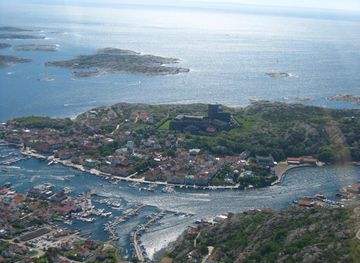
Explore more of Bohuslän
Explore Bohuslän, Sweden's stunning coastal region known for its picturesque islands, rich history, and delectable seafood. A paradise for nature lovers and history enthusiasts.
Explore Bohuslän
Explore more of Sweden
Discover Sweden's breathtaking landscapes, vibrant cities, and rich cultural heritage. From the Northern Lights to historic castles, experience the essence of Scandinavia.
Explore Sweden
