

Carlstens Fästning Travel Guide
Free Guide: Towering sentinel of Bohuslän: Explore Carlstens Fästning's siege-scarred walls, convict-forged granite, and sweeping sea vistas on historic Marstrandsön.


A brief summary of Carlstens Fästning
Towering sentinel of Bohuslän: Explore Carlstens Fästning's siege-scarred walls, convict-forged granite, and sweeping sea vistas on historic Marstrandsön.
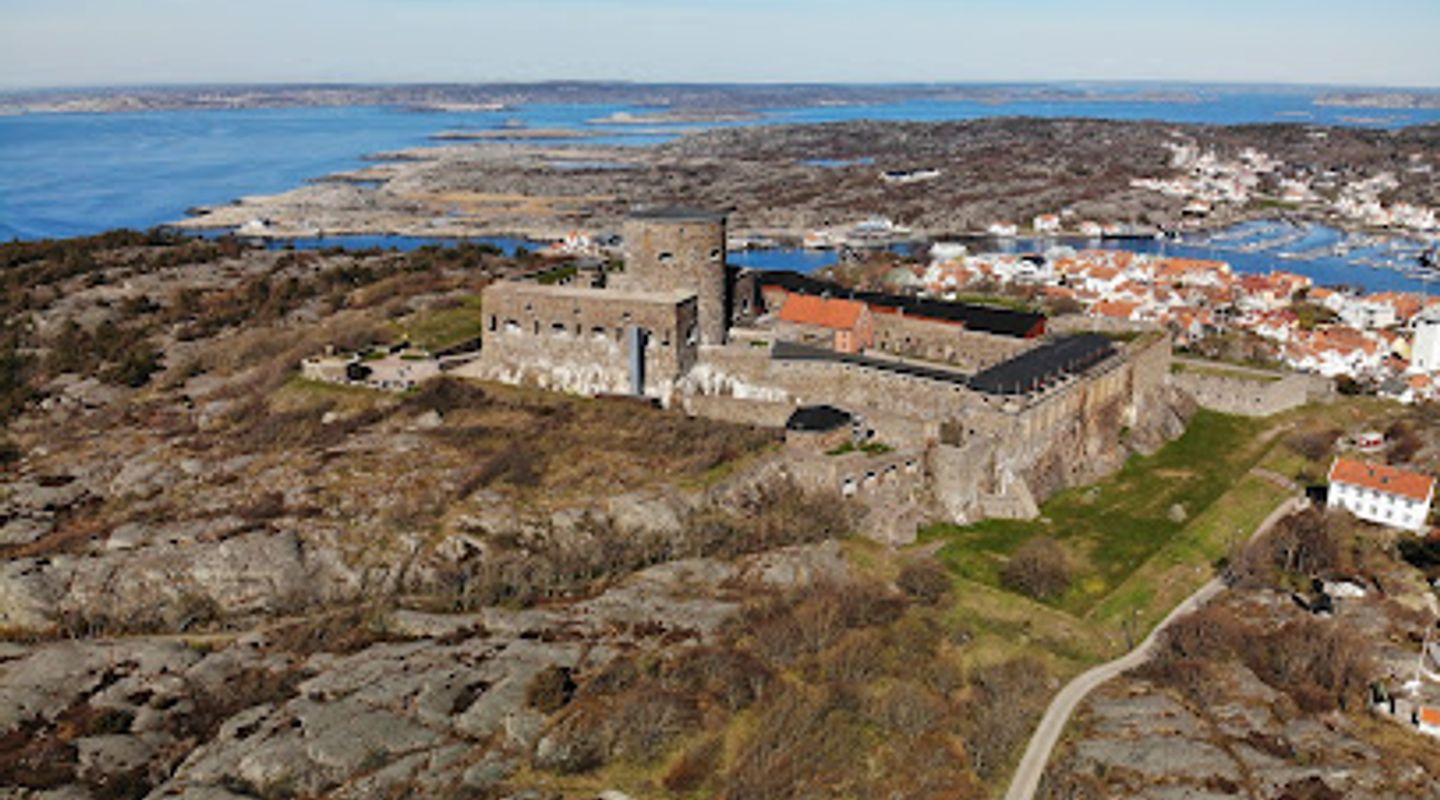
Perched atop Marstrandsön island, Carlstens Fästning is a formidable 17th-century stone fortress built to safeguard Sweden's newly acquired Bohuslän province. Constructed from 1658 under King Carl X Gustav, its robust towers and walls defended the ice-free harbor against Danish-Norwegian assaults in 1677 and 1719. Explore ramparts offering sweeping coastal vistas, delve into its grim prison history with sites like the Walk of Sighs, and join guided tours revealing tales of sieges, convicts, and military life. Now a captivating attraction with events, overnight stays, and panoramic views.
On-site amenities
 Restrooms
 Drink options
 Food options
 Seating areas
 Sheltered areas
 Information boards
 Visitor centre
- Address
- Carlstens fästning, 442 67 Marstrand
- Phone
- Website
Getting there
Ferry
Bus
Car
Walking
Discover more about Carlstens Fästning
Strategic Birth on Bohuslän's Coast
Following the Treaty of Roskilde in 1658, Sweden gained Bohuslän, prompting King Carl X Gustav to fortify Marstrand's ice-free harbor. A wooden redoubt named Carlsten rose swiftly on the island's highest peak under Johan Wärnschöld, repelling Norwegian forces in 1659. By the late 1660s, Erik Dahlbergh oversaw expansions: taller towers, thicker walls, artillery batteries, and a grand front yard encircled the core structures.The fortress evolved into a brick redoubt crowned by a multi-storey round tower, designed by Carl Gustaf Frölich and approved in 1685. Construction persisted through the 18th and 19th centuries, adding outer walls, a powder magazine, southern dungeons, and flanking batteries until declared complete in 1860.
Sieges That Tested Unyielding Stone
Carlsten faced its first major trial in 1677 during the Scanian War. Danish-Norwegian commander Ulrik Frederik Gyldenløve besieged the fortress with 5,000 troops and heavy artillery. After weeks of bombardment and thirst, commander Sinclair surrendered, but Sweden reclaimed it via treaty.The second fall came in 1719 amid the Great Northern War. Vice-Admiral Peter Tordenskjold's fleet assaulted Marstrand, employing psychological tactics against the 388-man garrison led by Dankwart, who capitulated after an armistice. Renamed Kristiansten briefly, it returned to Swedish hands in 1720 under the Treaty of Frederiksborg.
Harsh Realm of Convict Labor
From the 18th century, Carlsten became Sweden's premier state prison, housing notorious inmates like thief Lasse-Maja. Convicts, chained with iron balls or 'iron crowns' weighing up to 36 kilograms, quarried granite by hand to build the fortress. Brutal conditions in damp cells yielded high mortality, up to 20% in harsh winters, until labor ended in 1854.Key sites evoke this era: the Walk of Sighs where prisoners shuffled to labor, Gallows Hill for executions, Lasse-Maja's Kitchen, and the Fortress Church. These remnants paint a vivid picture of endurance amid isolation.
Decommissioning and Modern Revival
By 1878, steamships diminished Marstrand's strategic harbor role, leading to Carlsten's decommissioning as a defense site in 1882. Military use lingered until the 1990s, after which it opened to civilians in 1937. Today, the fortress hosts guided tours, fortress shows with reenactments, ghost walks, and courtyard galas.Overnight stays in the historic Soldathotellet immerse guests in soldier quarters within the Donjon and Commandant's House. Banquet halls cater to events, blending 300 years of guardianship with contemporary vibrancy.
Panoramic Vistas and Island Sentinel
Dominating Marstrandsön at 57.8865°N, 11.5779°E, Carlsten commands breathtaking views of the Skagerrak sea, neighboring isles, and the colorful wooden town below. Its round tower and ramparts offer unobstructed panoramas, ideal for contemplating its role as Bohuslän's eternal watchpost.The site's layout—moat, drawbridge, King's Gate—exemplifies Vauban-inspired defenses, with granite walls thick enough to withstand cannon fire. This enduring silhouette defines Marstrand's skyline.
Evendo Review Centre
 Google
Guest reviews
Best time to go
Quietest: Jan, Feb & Dec · before 8am or at 9pm
Busy times are Evendo estimates for a typical year, to help you plan. Actual crowds vary with events, school holidays and the weather.
Explore Carlstens Fästning on the map
A handpicked selection of must-see spots near Carlstens Fästning, mapped for you.
Get your free copy of our complete guide to Carlstens Fästning, delivered straight to you.
Everything on this page, from opening hours and how to get there to Eve’s tips and the best time to go, in one PDF you can read offline, print or share.
Already have an account? Sign in
Your Carlstens Fästning guide is ready.
We'll send it to · Not you? Sign out

Getting your guide ready…
We are putting together a fresh copy of the Carlstens Fästning guide. This can take up to a minute.
This can take a few moments. If your browser asks, choose Allow so the download can start. You'll find the guide in your Downloads folder.
Nothing happened? Download it again
Sorry, the guide is taking longer than usual. Please try again in a minute, or get it by email instead.
Unlock the best of Carlstens Fästning
Skip-the-line tickets, guided tours with entry, and walking tours of the area, booked in a few clicks.

Other nearby places you may find interesting
The closest places of the same kind, if this one is not quite what you had in mind.
-
-
-
-
-


Swipe for more places
More to explore near Carlstens Fästning

 Best experiences near Carlstens Fästning
 Best hotels near Carlstens Fästning
 Best landmarks near Carlstens Fästning
 Best attractions near Carlstens Fästning
 Best shops near Carlstens Fästning
 Best restaurants near Carlstens Fästning
 Best bars near Carlstens Fästning
Do you manage this location?
Take control to get all the benefits, like improved information, better appearance, and stronger visibility across AI-powered discovery.
Explore more
Explore more of Bohuslän
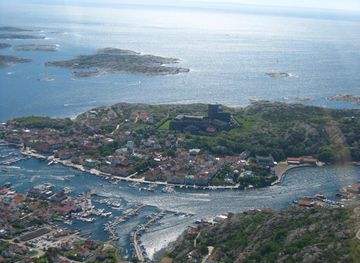
Explore Bohuslän, Sweden's stunning coastal region known for its picturesque islands, rich history, and delectable seafood. A paradise for nature lovers and history enthusiasts.
Explore Bohuslän
Explore more of Sweden
Discover Sweden's breathtaking landscapes, vibrant cities, and rich cultural heritage. From the Northern Lights to historic castles, experience the essence of Scandinavia.
Explore Sweden
