Torsburgen, Gotaland Travel Guide
Explore Gotland's colossal Iron Age hillfort: epic dry-stone walls on a cliff fortress, blending ancient defense with wild nature reserve trails.
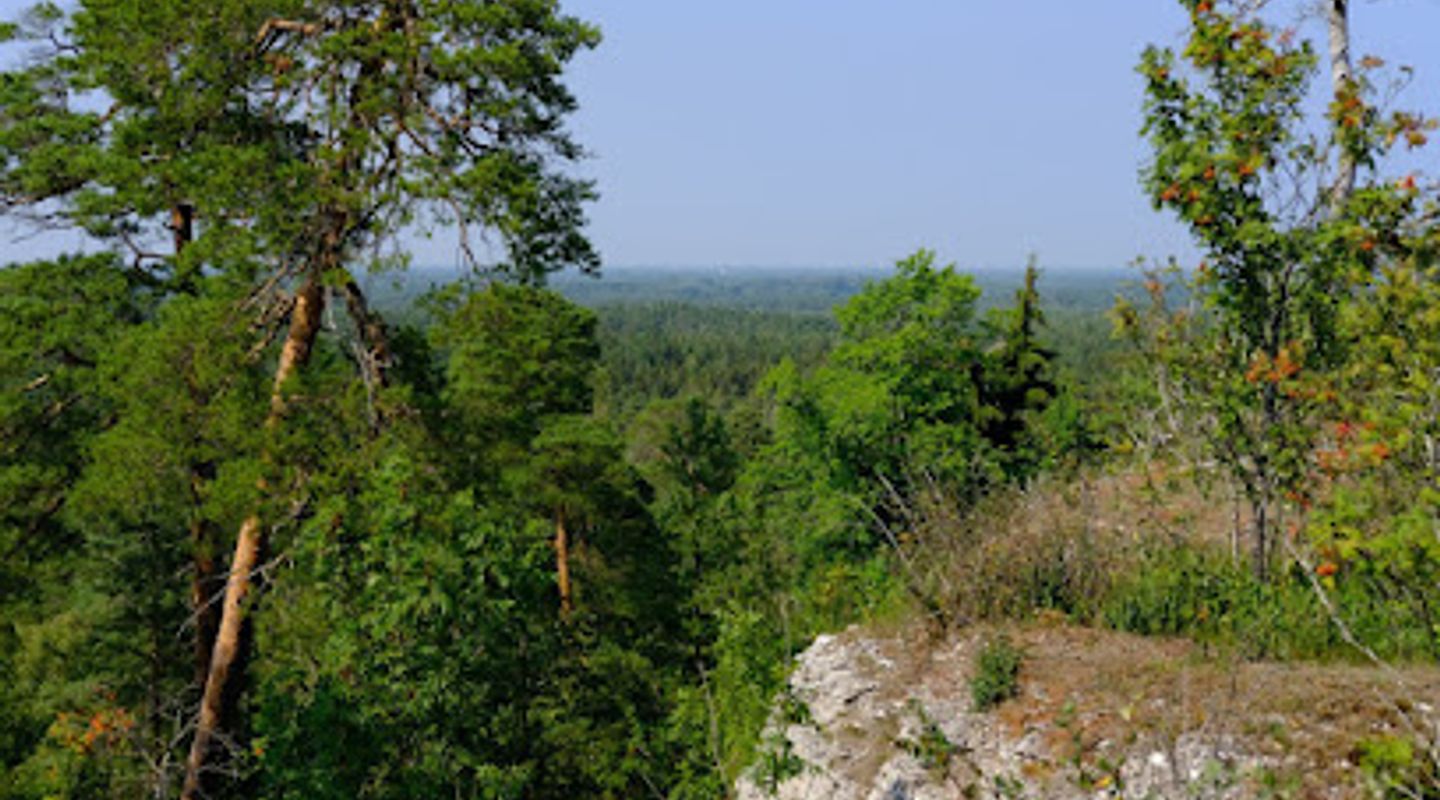
Torsburgen is Sweden's third-largest ancient hillfort, perched on a 71-meter cliff in Gotland's Kräklingbo parish. Constructed from the 1st century AD and expanded over centuries, its massive dry-stone walls once encircled 12 hectares, sheltering up to 1,000 defenders amid dramatic natural defenses. Today, this nature reserve offers hikes along 2 km of rugged ramparts, revealing Iron Age history and sweeping Baltic vistas. Free access invites exploration of its calcined ruins and wild plateau landscapes.
A brief summary to Torsburgen
- Katthammarsvik, 623 70, SE
- Click to display
- Duration: 1 to 3 hours
- Free
-
 Outdoor
- Mobile reception: 3 out of 5

Know before you go
Hi, I'm Eve. Here are a few practical things to know before exploring Torsburgen.
- Wear sturdy shoes for uneven terrain and potential muddy paths after rain.
- Bring binoculars to scan distant Baltic horizons and spot nearby hillfort silhouettes.
- Visit in late afternoon for golden light illuminating the ramparts' textures.
Do you manage this location?
Take control to get all the benefits, like improved information, better appearance, and stronger visibility across AI-powered discovery. Learn more about listing your business on Evendo
Activate your presenceOther nearby places you may find interesting
The closest places of the same kind, if this one is not quite what you had in mind.

Explore Torsburgen on the Map
A handpicked selection of must-see spots near Torsburgen, mapped for you.
Getting There
-
Car
Drive from Visby via Route 143 to Katthammarsvik, 50-60 minutes; limited gravel parking at trailhead, free but fills on weekends.
-
Bus
Take regional bus 20 from Visby to Katthammarsvik, 1-1.5 hours, 4-6 daily services year-round; 100-150 SEK one-way, then 20-minute uphill walk.
-
Bicycle
Cycle from Visby on paved roads to Katthammarsvik, 2.5-3.5 hours; final 3 km gravel suitable for hybrids, carry water for exposed route.
For the on-the-go comforts that matter to you
-
 Trash Bins
-
 Information Boards
-
 Seating Areas
Discover more about Torsburgen
Origins in the Iron Age
Torsburgen emerged during the Late Roman Iron Age, around the 1st to 4th centuries AD, on a lofty inland cliff rising 71 meters above Gotland's terrain. Local limestone, quarried directly from the site, formed the backbone of its dry-stone walls—rubble from boulders and raised beaches stacked without mortar. Initial construction likely began modestly in the 200s AD, with major reinforcements following, creating a stronghold that endured until the 12th century.Engineering Feats of Defense
The fort's ramparts, nearly 2 km in total length, enclosed roughly 12 hectares on a broad plateau, making it Scandinavia's third-largest hillfort. Timber-laced atop the stone, these walls demanded immense labor—scholars estimate 3,000 workers for a single year to complete. High cliffs on three sides amplified its impregnability, while entrances like the restored Ardre luke channeled attackers into kill zones. Unlike vitrified forts elsewhere, Torsburgen's remains show calcination: stones roasted to a magnetic, sandy black rubble.Strategic Role on Gotland
Positioned near Katthammarsvik, Torsburgen anchored Gotland's Iron Age defense network. It may have served as a beacon site, its heights signaling enemy ships via hilltop fires across the island's constellation of forts like Herrgårdsklint and Grogarnsberget. Capable of housing 1,000 soldiers, it offered refuge for Gotland's early medieval population of 6,000 to 10,000 during raids, its Gutasaga mentions underscoring legendary status as 'Thor's fort.'Nature's Embrace Over Ruins
Now a protected nature reserve, Torsburgen blends archaeology with wilderness. Wild grasses, hardy shrubs, and windswept paths cloak the plateau, where few excavations—yielding just four metal artifacts—preserve its mysteries. The site's magnetic soils and unexamined expanses hint at untapped stories, while panoramic views stretch toward the Baltic Sea, rewarding intrepid walkers who trace the fractured walls.Enduring Mysteries and Legacy
Minimal digs, like the 1983 Ardre luke restoration, leave Torsburgen largely pristine, fueling debate on its exact build phases—some pinpoint 300 AD and 900 AD. Its scale evokes a vanished society mastering stone and strategy, a testament to Gotland's pivotal Baltic role. Visitors tread paths etched by millennia, sensing echoes of ancient sentinels amid the cliff's silent vigil.












Your all‑in‑one travel companion app
Explore expert travel guides, compare and book tours, experiences, hotels, and more—all from the palm of your hand. Download now for seamless trip planning wherever your wanderlust takes you.


Explore More of Gotaland
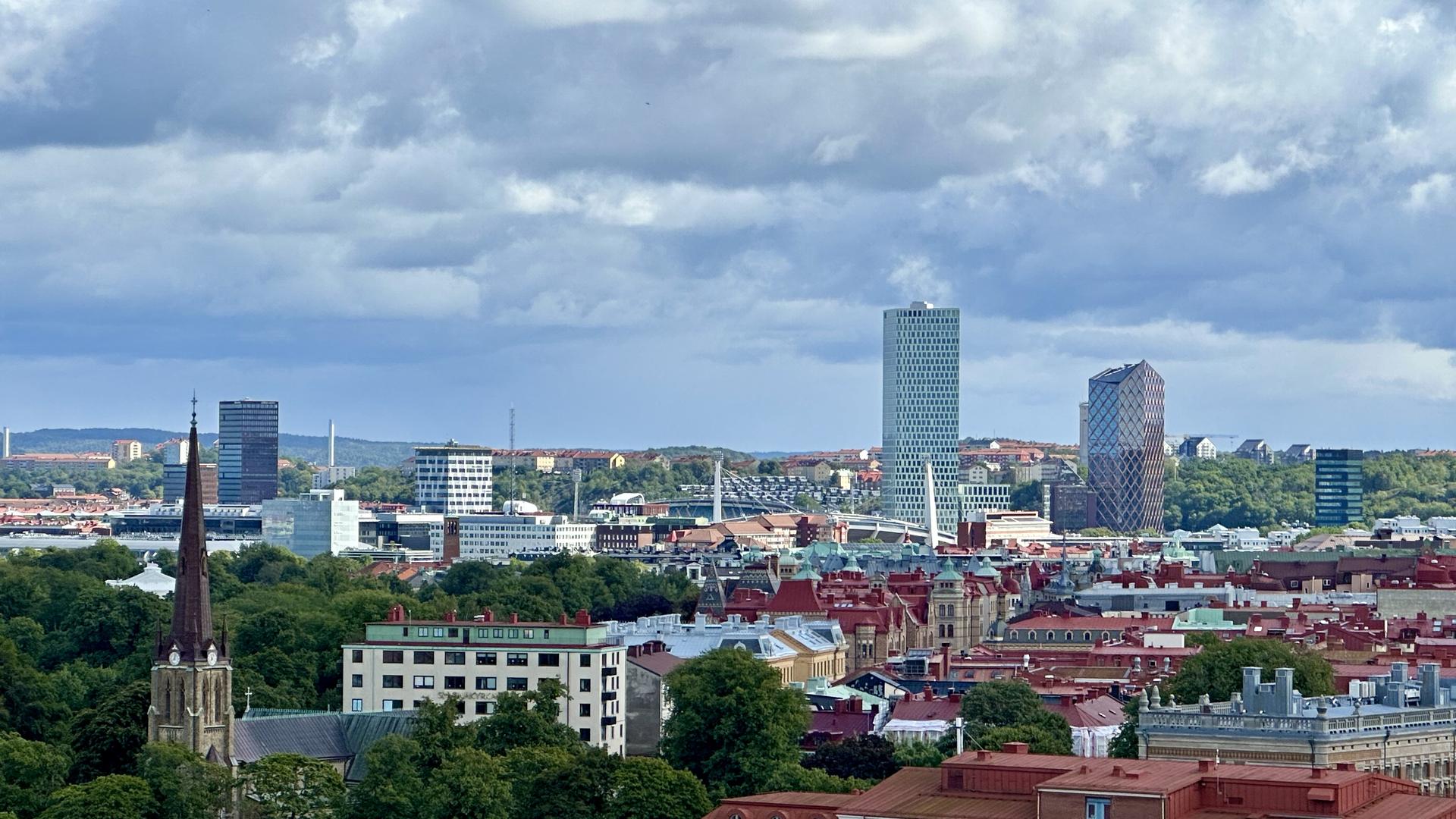
Looking beyond Torsburgen? Discover Gotaland for broader travel guides, local hot-spots, and regional highlights.
Explore Gotaland