
Uggarde rojr, Gotaland Travel Guide
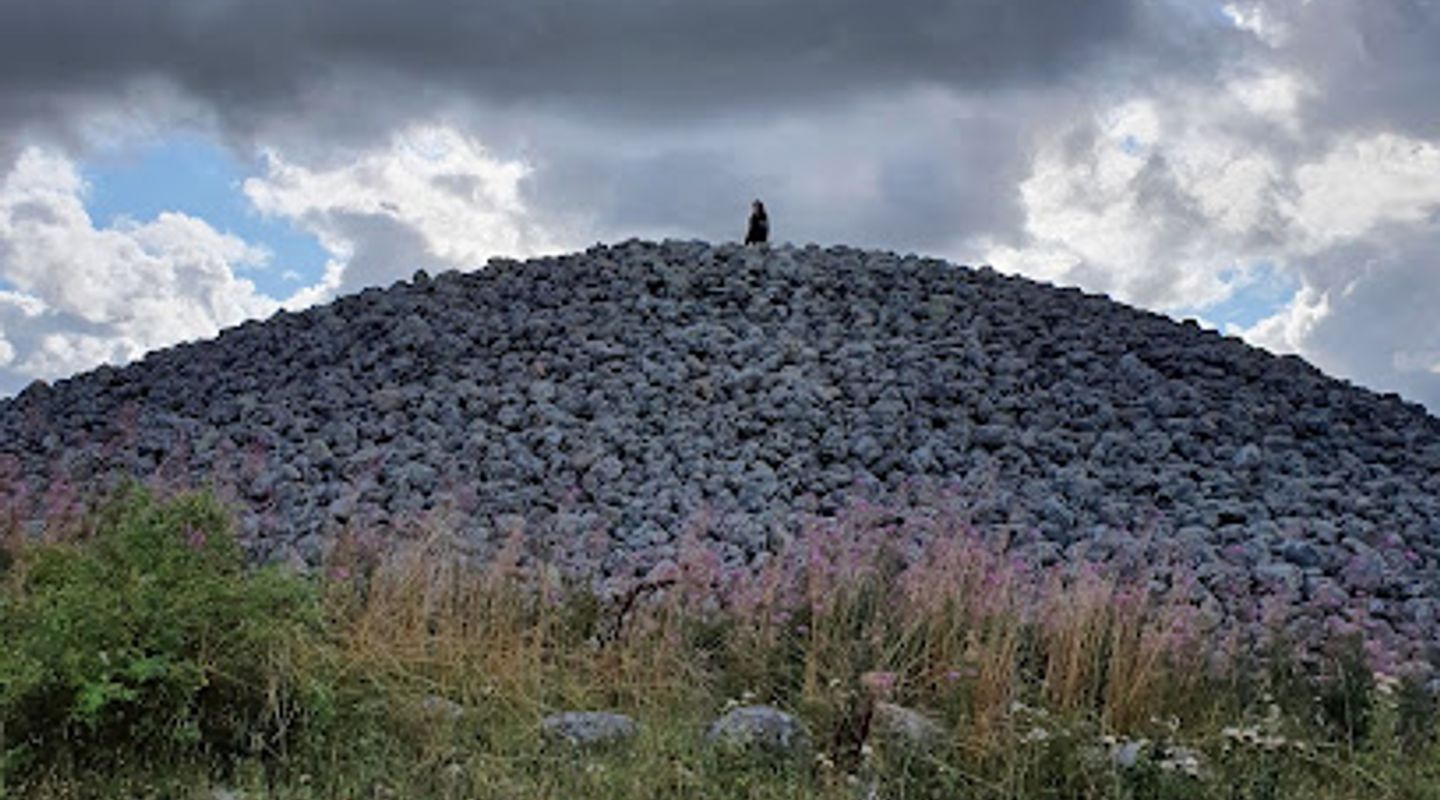
Gotland's colossal Bronze Age cairn: an intact 45m-wide stone giant amid pastures, whispering of ancient rites and resilient history.
Uggarde Rojr stands as Gotland's largest Bronze Age burial cairn, a monumental stone mound measuring 45 meters in diameter and nearly 8 meters high near Hemse. This intact ancient grave, dated to 1500-1000 BCE, anchors a landscape dotted with seven nearby cairns and a marked trail revealing prehistoric heritage amid rolling pastures.
A brief summary to Uggarde rojr
- S, Hemse, SE
- Click to display
- Duration: 0.5 to 1.5 hours
- Free
-
 Outdoor
- Mobile reception: 3 out of 5

Know before you go
Hi, I'm Eve. Here are a few practical things to know before exploring Uggarde rojr.
- Wear sturdy shoes for the uneven trail and stiles; the path mixes rock slabs and soft grass.
- Visit at dawn for soft light illuminating the sunrise-facing hollow and encircling stones.
- Respect the intact mound—avoid climbing to prevent erosion of this rare preserved structure.
- Bring binoculars to spot nearby cairns blending into the horizon from the trail's vantage.
Do you manage this location?
Take control to get all the benefits, like improved information, better appearance, and stronger visibility across AI-powered discovery. Learn more about listing your business on Evendo
Activate your presenceOther nearby places you may find interesting
The closest places of the same kind, if this one is not quite what you had in mind.

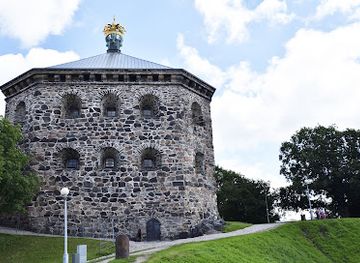
Explore Uggarde rojr on the Map
A handpicked selection of must-see spots near Uggarde rojr, mapped for you.
Getting There
-
Bus
Bus from Visby to Hemse takes 45-60 minutes, then 3 km walk along rural roads with stiles and pastures; infrequent services 4-6 daily, around 50 SEK.
-
Car
Drive from Visby via road 140 to Hemse area in 40-50 minutes; limited gravel parking nearby, free but watch for livestock on pastures.
-
Bicycle
Cycle from Hemse center 3 km over flat rural paths in 15-20 minutes; bike-friendly but stiles require dismounting, no rentals on site.
-
Taxi
Taxi from Hemse or Visby runs 40-55 minutes depending on start, costing 600-900 SEK; book ahead as rural demand is low.
For the on-the-go comforts that matter to you
-
 Information Boards
-
 Trash Bins
Discover more about Uggarde rojr
Bronze Age Colossus
Towering nearly 8 meters high and spanning 45 meters across, Uggarde Rojr dominates the Gotlandic countryside as the island's grandest gravröse from the older Bronze Age, around 1500-1000 BCE. Its circumference exceeds 140 meters, crafted from countless stones piled by hands long vanished, forming one of Sweden's largest intact burial mounds. Unlike many eroded peers with craters atop, this structure remains whole, encircled by a ring of massive boulders that hint at ritual significance.Prehistoric Landscape Legacy
Nestled near Uggårda farm in Rone parish, Uggarde Rojr anchors a cluster of seven substantial cairns, painting a vivid picture of ancient funerary practices. The name 'Uggarde' evokes owl-haunted grounds, per local etymologies, suiting this moody, windswept site amid hällmark slabs and lush grazing fields. A marked trail weaves through this historic terrain, inviting exploration of varied ecosystems from dry rocky outcrops to verdant meadows.Architectural Endurance
Erected during a era of maritime prowess and ritual complexity on Gotland, the cairn's robust form defies time's erosion. Its intact crest lacks the collapse common in such monuments, preserving a subtle depression or entry-like hollow facing sunrise, sparking whispers of ceremonial use. Surrounding stones, some boulder-sized, frame the mound like silent sentinels, underscoring the builders' engineering amid Bronze Age society's elite commemorations.Nature's Embrace
Pasturelands envelop Uggarde Rojr, where sheep graze beside ancient stones, blending pastoral calm with profound antiquity. The 2 km cultural-nature path demands crossing stiles over fences, traversing terrains from brittle limestone to soft grass, alive with bird calls and sea breezes from nearby coasts. Seasonal wildflowers and lichens cloak the stones, merging ecological rhythms with human history.Cultural Echoes
As Gotland's premier Bronze Age relic, Uggarde Rojr illuminates a society of chieftains and sea-farers, their graves dotting the island's Bronze Age map. Nearby Iron Age sites—grave fields, house foundations, stone walls—extend the timeline, offering a continuum of settlement. This rojr embodies Gotland's role as a Baltic crossroads, where amber trade and rituals intertwined.












Your all‑in‑one travel companion app
Explore expert travel guides, compare and book tours, experiences, hotels, and more—all from the palm of your hand. Download now for seamless trip planning wherever your wanderlust takes you.


Explore More of Gotaland
Looking beyond Uggarde rojr? Discover Gotaland for broader travel guides, local hot-spots, and regional highlights.
Explore Gotaland
Explore Gotland's colossal Iron Age hillfort: epic dry-stone walls on a cliff fortress, blending ancient defense with wild nature reserve trails.

A compact 1872 lighthouse on Närsholmen where maritime history meets windswept coastal nature and wide Baltic panoramas.
