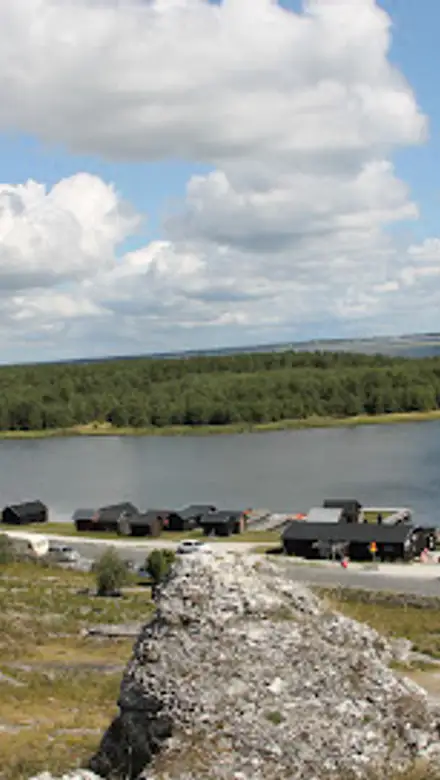
Lergravsporten Travel Guide
Free Guide: A compact, sculpted rauk field and arch on Gotland’s northern shore where limestone pillars rise above Lergravsviken, rich in fossils and coastal atmosphere.


A brief summary of Lergravsporten
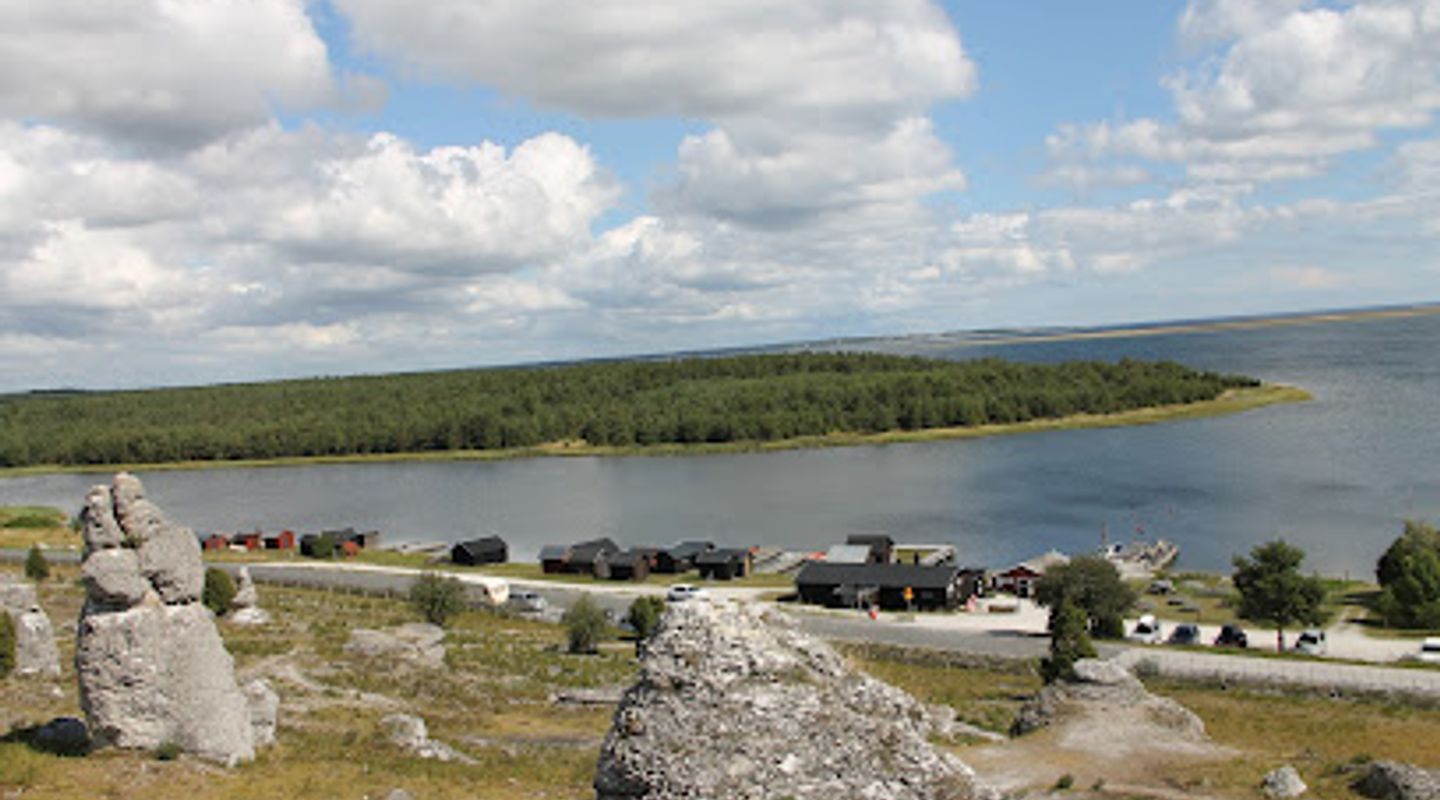
A compact, sculpted rauk field and arch on Gotland’s northern shore where limestone pillars rise above Lergravsviken, rich in fossils and coastal atmosphere.
Lergravsporten is a dramatic sea‑stack (rauk) arch and an extensive rauk field set above Lergravsviken on northern Gotland near Lärbro. The site stretches roughly 800 m along the shoreline and hosts dozens of sculpted limestone pillars—including the famous arch‑like Lergravsporten and the tall 'Madonnan med barnet'—that rise from grassy cliffs and the beach below, offering a compact but richly textured coastal landscape shaped by ice, sea and time.
On-site amenities
 Seating areas
 Information boards
 Trash bins
Opening hours
- Every dayOpen 24 hours
Opening hours as listed on the venue’s Google Business Profile. Hours can change for services and special events, so check with the venue before you go.
- Address
- 624 58 Lärbro
- Website
Getting there
Car
Regional bus + walk
Bicycle
Discover more about Lergravsporten
A coastline carved by time
Lergravsporten sits at the eastern flank of Lergravsberget where post‑glacial wave action and thousands of years of erosion have left a dense assemblage of raukar—tall, often whimsical limestone pillars—stretching for about 800 metres along the bay. These stacks rise from a mix of grassy cliff tops, shelving bedrock and the strand below; many reveal fossil traces and bedding that tell of Gotland's ancient shallow‑sea past.
Signature formations and local character
Among the rock columns you’ll notice distinctive shapes given local names: a prominent arch known as Lergravsporten itself and the high figure called "Madonnan med barnet". Rauk groups form little clumps and solitary silhouettes, so the scene constantly rearranges itself as you move—the same stone can appear as a different figure from each angle. The field occupies roughly 6.9 hectares and presents a layered scene of cliffs, stacks and the sheltered bay opposite.
Flora, fauna and seasonal personality
The thin soils above the cliffs support salt‑tolerant grasses, low herbs and spring wildflowers that spill colour across the limestone in April–June. Seabirds use the rocky shore and nearby cliffs for feeding and perching; in calm weather the bay reflects the pale stone and distant headlands. The place has a quietly exposed maritime climate—wind, spray and shifting light are part of the sensory experience.
Geological and cultural context
Lergravsporten is one of Gotland’s representative geotourism highlights: the rauk formations are remnant bedrock shaped where marlstone and limestone beds resisted erosion differently. The immediate area has a human history tied to small fishing hamlets at the bay and to later lime‑burning activity in the region; the stone itself carries fossil evidence of life in the Ordovician–Silurian seas that once covered the island.
Visitor experience and what to look for
Walking the rim and shore you’ll move between vantage points—clifftop grass, weathered steps of bedrock and the pebble beach—each offering a new composition of pillars, arch and sea. Look closely for small fossils, wave‑polished surfaces and patterns of erosion where softer layers have been undercut. Early morning or late afternoon light sculpts strong shadows; windy conditions animate the grasses and spray, while calm days make the bay mirror the stone.
Practical character and preservation notes
The rauk field is an exposed natural area rather than a managed attraction: there are no formal exhibits on the stacks themselves. Because the formations are geologically fragile, visitors are encouraged to observe without climbing on delicate pillars and to keep to durable surfaces to minimise erosion. The site’s compact scale makes it ideal for focused exploration and photography, and its combination of geological interest and coastal atmosphere rewards even a short visit.
Evendo Review Centre
 Google
Guest reviews
Best time to go
Quietest: Jan, Feb & Nov · before 6am
Busy times are Evendo estimates for a typical year, to help you plan. Actual crowds vary with events, school holidays and the weather.
Explore Lergravsporten on the map
A handpicked selection of must-see spots near Lergravsporten, mapped for you.
Get your free copy of our complete guide to Lergravsporten, delivered straight to you.
Everything on this page, from opening hours and how to get there to Eve’s tips and the best time to go, in one PDF you can read offline, print or share.
Already have an account? Sign in
Your Lergravsporten guide is ready.
We'll send it to · Not you? Sign out

Getting your guide ready…
We are putting together a fresh copy of the Lergravsporten guide. This can take up to a minute.
This can take a few moments. If your browser asks, choose Allow so the download can start. You'll find the guide in your Downloads folder.
Nothing happened? Download it again
Sorry, the guide is taking longer than usual. Please try again in a minute, or get it by email instead.
Other nearby places you may find interesting
The closest places of the same kind, if this one is not quite what you had in mind.
-
-
-
-
-


Swipe for more places
More to explore near Lergravsporten

 Best experiences near Lergravsporten
 Best hotels near Lergravsporten
 Best landmarks near Lergravsporten
 Best attractions near Lergravsporten
 Best shops near Lergravsporten
 Best restaurants near Lergravsporten
 Best bars near Lergravsporten
Do you manage this location?
Take control to get all the benefits, like improved information, better appearance, and stronger visibility across AI-powered discovery.
Explore more

Explore more of Gotland
Explore Gotland, Sweden's largest island, known for its medieval charm, stunning natural landscapes, and vibrant cultural scene in the heart of the Baltic Sea.
Explore Gotland
Explore more of Sweden
Discover Sweden's breathtaking landscapes, vibrant cities, and rich cultural heritage. From the Northern Lights to historic castles, experience the essence of Scandinavia.
Explore Sweden