Lergravsporten, Gotaland Travel Guide
An 800‑metre band of dramatic limestone rauks and a full coastal arch beneath Lergravsberget — raw geology where stone meets the Baltic.
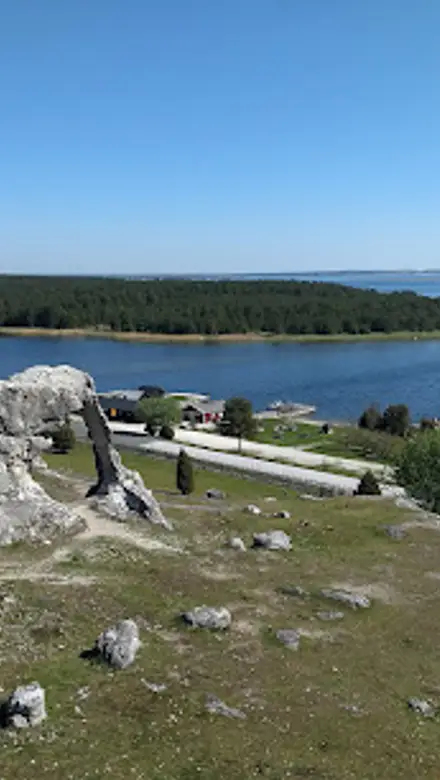
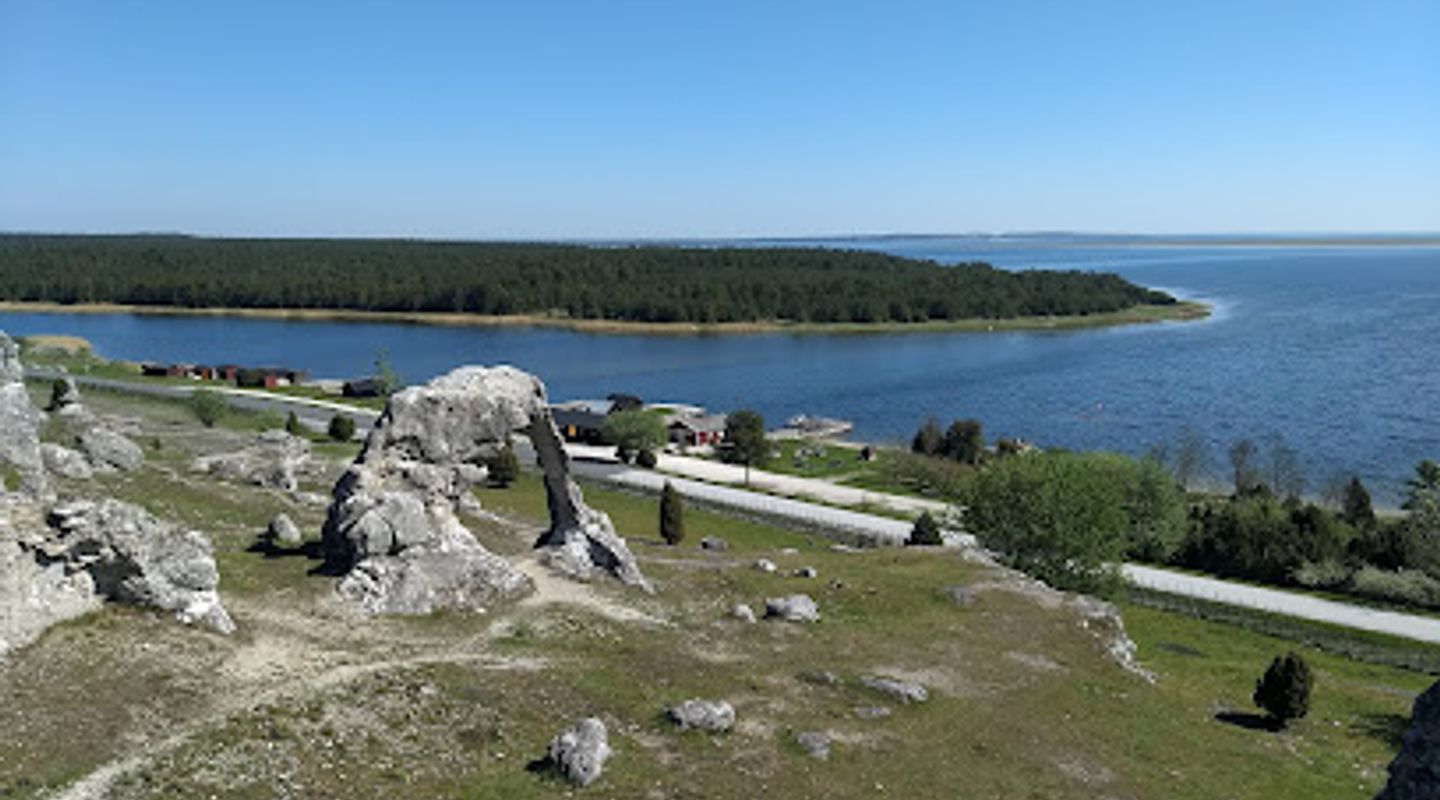
A dramatic coastal raukfield on northern Gotland, Lergravsporten stretches for roughly 800 metres along Lergravsviken beneath the eastern cliff of Lergravsberget. The site is famed for dense stacks and sculpted limestone pillars — including tall, solitary columns and an impressive natural arch — set against a low shoreline and bright Baltic waters, offering geological intrigue, windswept panoramas and easy, contemplative exploration.
A brief summary to Lergravsporten
- Lärbro, 624 58, SE
- Click to display
- Duration: 0.5 to 2 hours
- Free
-
 Outdoor
- Mobile reception: 3 out of 5

Know before you go
Hi, I'm Eve. Here are a few practical things to know before exploring Lergravsporten.
- Wear sturdy shoes with good grip; the shore is rocky, uneven and can be slippery when wet.
- Bring windproof layers — conditions can change quickly and the exposed shoreline is often breezy.
- Observe and photograph the arch at different tides and light; low tide reveals more of the rauk bases while evening light highlights textures.
- Avoid climbing on fragile stacks and take care not to dislodge loose stone; these features are gradually shaped by natural erosion.
Do you manage this location?
Take control to get all the benefits, like improved information, better appearance, and stronger visibility across AI-powered discovery. Learn more about listing your business on Evendo
Activate your presenceOther nearby places you may find interesting
The closest places of the same kind, if this one is not quite what you had in mind.
Explore Lergravsporten on the Map
A handpicked selection of must-see spots near Lergravsporten, mapped for you.
Getting There
-
Car — regional drive
Private car from central Lärbro: typical drive time 10–20 minutes depending on route choice; terrain is sealed regional roads for most of the way but approach roads to coastal parking can be narrower and single‑lane in places; parking near the site is informal and seasonal, with limited spaces and no paid lots, so expect to walk 200–600 metres from where you leave a vehicle.
-
Public bus + short walk
Regional bus service from larger Gotland towns to stops near Lärbro runs intermittently; total travel time from Slite or Visby area typically 40–90 minutes depending on connections and timetable frequency; services are reduced on weekends and outside summer, and the final approach involves an unpaved or narrow coastal path of variable terrain, so allow extra time and check seasonal schedules.
-
Bicycle
Cycling from nearby villages is common: typical ride 20–60 minutes from surrounding settlements over quiet country roads and farm tracks; surfaces are mixed tarmac and compact gravel near the coast; bring puncture‑repair kit and be prepared for wind-exposed riding on the last approach.
For the on-the-go comforts that matter to you
-
 Seating Areas
-
 Information Boards
-
 Trash Bins
Discover more about Lergravsporten
A coastline carved in stone
Lergravsporten occupies the foot of Lergravsberget and forms an elongated sea‑stack field of roughly 800 metres along Lergravsviken, where weathering of Gotland’s limestone and marl has left a crowd of rauks — vertical pillars and isolated columns — scattered across a gently shelving shore. Many of these formations are compact and squat; others rise into solitary sentinels that catch wind and light differently throughout the day.Notable shapes and the arch
Among the rauks here are several named and easily recognisable features: tall, pillar‑like stacks, curious paired monuments and smaller sculpted stones clustered in groups. One particularly striking formation is a full arch — a natural bridge of stone that frames the sea — and other elevated pillars that read like carved figures when viewed from the beach.Geology and long timescales
The site is a visible chapter in Gotland’s long sedimentary story: limestone, marl and claystone were laid down in a shallow, tropical sea hundreds of millions of years ago, and subsequent erosion by waves, freeze‑thaw and salt has isolated harder beds as rauks while softer material wore away. Lergravsporten’s compact field is an instructive example of coastal differential erosion and the island’s fossil‑rich bedrock, where bedding, joints and occasional fossils can be observed in the stone.Sensory character and seasonal moods
The atmosphere changes with wind and light: on a calm, sunny morning the pale limestones glow against a turquoise sea; under a low, clouded sky the pillars silhouette dramatically and gull calls carry clearly over the water. Salt spray and a faint seam of algal green at lower tides add marine texture; ankle‑scraping, pebbly sand and flat slabs underfoot make exploration tactile and slow.Practical visiting notes without directions
The raukfield is essentially an outdoor, unstaffed natural site: there are no formal enclosures around the formations, so visitors can circle many of the stacks and study their surfaces up close. The shore can be uneven and slick at high tide or after rain, and some of the thinner pillars are fragile — staying on stable ground and avoiding climbing preserves the stone for others and for future weathering patterns.Why Lergravsporten matters
As a concentrated example of Gotland’s coastal geomorphology, Lergravsporten offers immediate, readable geology together with the elemental drama of stone meeting sea. Its variety of shapes — from squat clusters to solitary columns and the full arch — makes it rewarding for those interested in natural history, photography, or simply the slow choreography of tides and weather against ancient rock.












Your all‑in‑one travel companion app
Explore expert travel guides, compare and book tours, experiences, hotels, and more—all from the palm of your hand. Download now for seamless trip planning wherever your wanderlust takes you.


Explore More of Gotaland
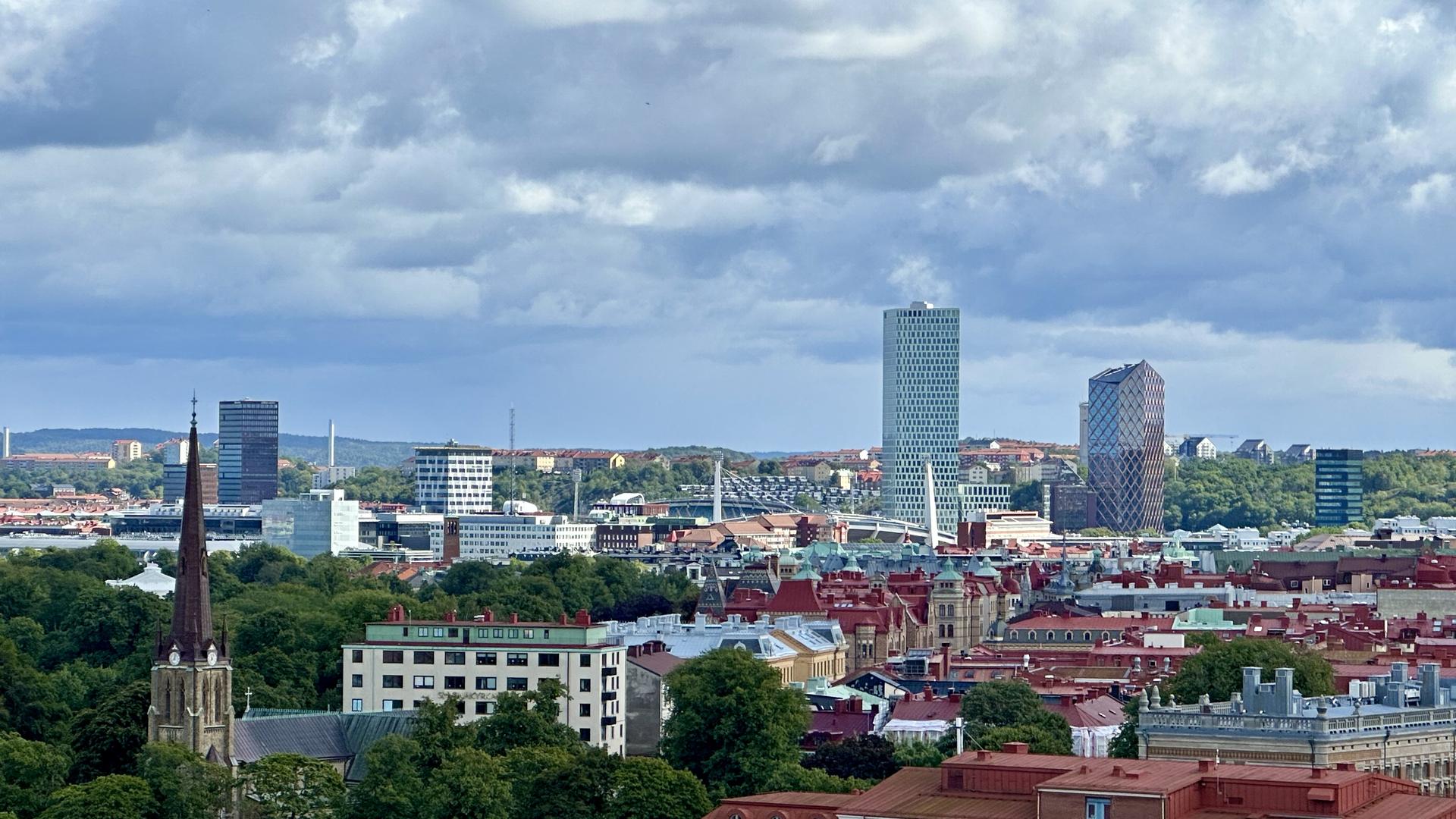
Looking beyond Lergravsporten? Discover Gotaland for broader travel guides, local hot-spots, and regional highlights.
Explore Gotaland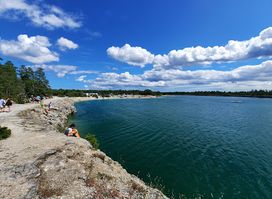
A striking turquoise limestone quarry in northern Gotland—raw cliffs, deep blue water and a scenic, conservation‑managed setting for swims and photos.
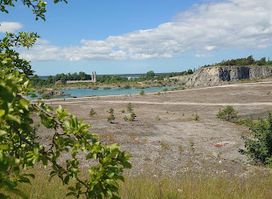
A windswept, cinematic limestone quarry where industrial ruins, coastal views and adaptive reuse meet on the Bungenäs peninsula.