Hamra National Park, Harjedalen Travel Guide
A compact reserve of ancient spruce and open bogs where plankways and a lookout tower reveal the quiet, living history of Sweden’s mid‑boreal forest.
Hamra National Park is a compact but richly textured protected area of ancient boreal forest, wetlands and rapids in central Sweden near Los and Ljusdal. Founded in 1909 and substantially extended in 2011, the park preserves old-growth spruce and pine, moss‑hung trunks, specialist fungi and insects, and broad bogs crossed by boardwalks and lookout towers—a quiet, four-season destination for short hikes, birding and close-up encounters with intact northern woodland ecosystems.
A brief summary to Hamra National Park
- Los, 820 50, SE
- Click to display
- Click to display
- Duration: 0.5 to 4 hours
- Free
-
 Outdoor
- Mobile reception: 2 out of 5

Know before you go
Hi, I'm Eve. Here are a few practical things to know before exploring Hamra National Park.
- Wear waterproof footwear and insect repellent in warmer months—boardwalks help but some approaches cross wet peat and mosquitoes can be numerous.
- Respect deadwood: it’s habitat. Stay on marked trails and viewing platforms to protect sensitive lichens and fungi.
- Bring binoculars and a field guide for birding and beetle‑dependent fungi in the older forest stands.
- Plan for variable weather year‑round—layers, waterproofs and warm clothing in shoulder seasons will make time here more comfortable.
Do you manage this location?
Take control to get all the benefits, like improved information, better appearance, and stronger visibility across AI-powered discovery. Learn more about listing your business on Evendo
Activate your presenceOther nearby places you may find interesting
The closest places of the same kind, if this one is not quite what you had in mind.
Explore Hamra National Park on the Map
A handpicked selection of must-see spots near Hamra National Park, mapped for you.
Getting There
-
By car
Drive from the nearby regional centre by road; typical travel time from Ljusdal village is 35–60 minutes depending on route and conditions, with gravel approach roads near park entrances. Parking is limited to designated lots; in winter some gravel roads may be snow‑covered and require winter tyres and cautious driving. There is no park entrance fee.
-
Regional bus + short walk
Use scheduled regional bus services to the nearest village or junction (journeys commonly 45–90 minutes from larger regional hubs); services may run infrequently outside peak season, so consult regional timetables in advance. From the bus stop expect a 10–30 minute unpaved walk to main entrances over compacted forest roads.
-
Guided excursion
Join a local guided day trip or wilderness operator (available seasonally); organised excursions typically run 4–7 hours and include an experienced guide, basic equipment and nature interpretation. Prices vary by operator and group size—expect organised half‑day or full‑day rates in the local currency when booking.
For the on-the-go comforts that matter to you
-
 Restrooms
-
 Seating Areas
-
 Sheltered Areas
-
 Picnic Areas
-
 Information Boards
Discover more about Hamra National Park
Ancient woods and a time-capsule forest
Hamra protects fragments of mid‑boreal old growth where towering spruce and pine stand undisturbed for centuries; some trees in the oldest section predate modern forestry and bear the scars and cavities that support specialised lichens, mosses and polypore fungi. The original 1909 reserve was tiny by modern standards; after the 2011 expansion the park now includes a broader mosaic of mature forest, deadwood-rich stands and riparian strips that feel like a living museum of what central Swedish woodland once was.A landscape of bogs, boardwalks and viewpoints
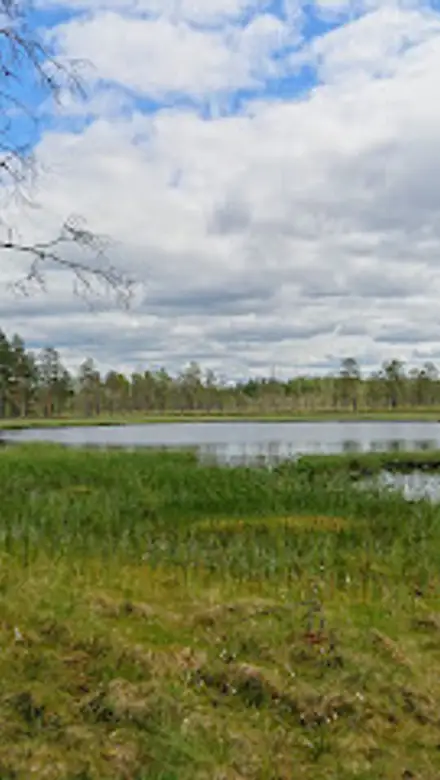
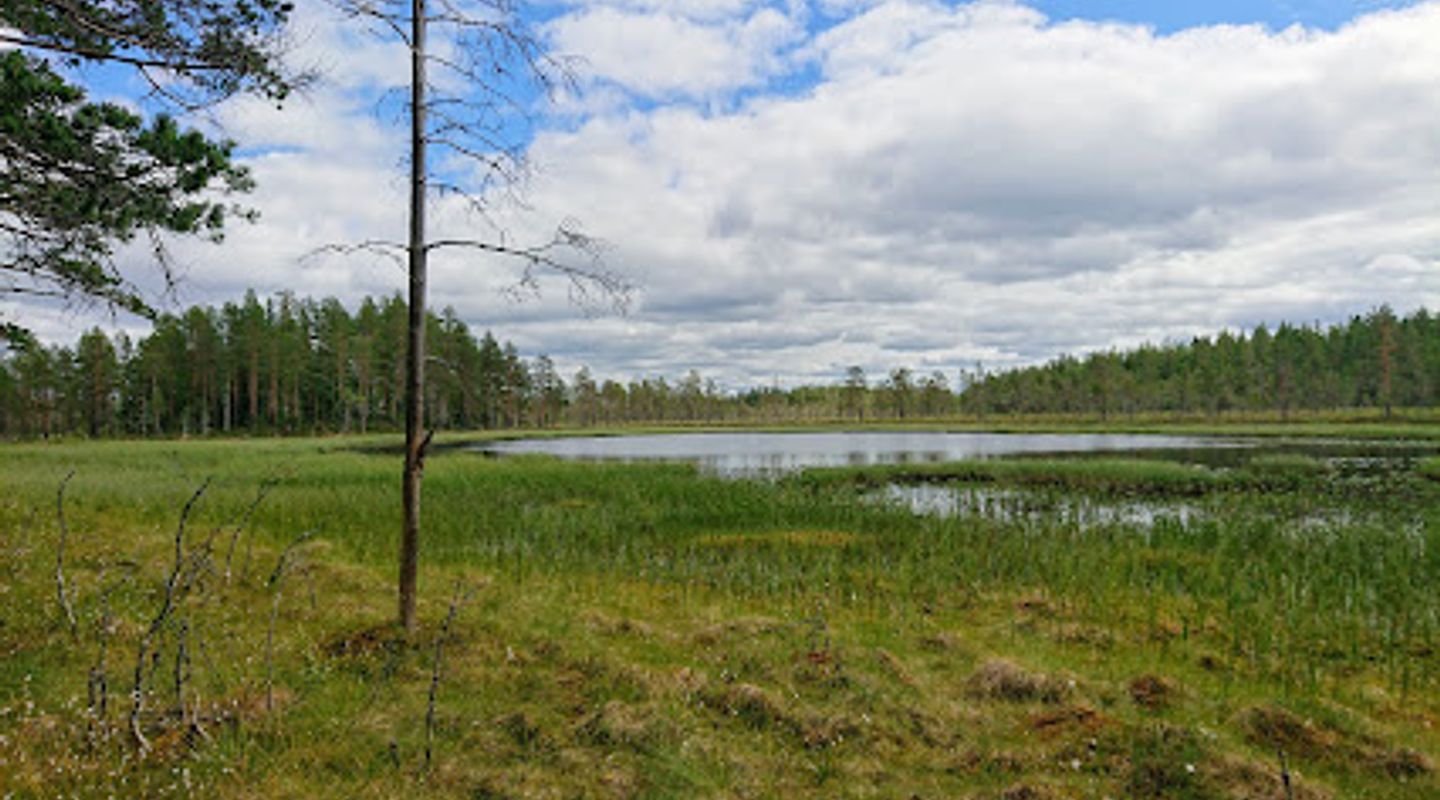
Wetlands and raised bogs form much of Hamra’s character. Trails thread between marsh and forest, often on raised wooden plankways designed to protect fragile peat and keep feet dry; these lead to broad observation platforms and a lookout tower that give panoramic views over open mires and the ribbon of forest beyond. Seasonal shifts—thunderous spring thaw, mosquito-dense midsummer, amber lichens in autumn and skeletal silhouettes in snow—change the textures and sounds of the place.Wildlife, microhabitats and specialist life
The park’s long continuity of old, dying and dead wood supports an unusually rich assemblage of specialist species: wood‑loving beetles, bracket fungi, mosses and lichens that require veteran trees and stable humidity. Birdlife ranges from woodpeckers and owls to shorebirds in the bogs, while larger mammals leave traces rather than frequent sightings; tracks, scratchings and droppings are part of the interpretive trailscape here.Designed trails that respect wildness
A compact network of signed routes offers short loops and longer connectors that expose visitors to different habitats without fragmenting them. Boardwalk sections and viewing platforms concentrate use on durable surfaces while letting sensitive peatland regenerate. Interpretive signs and discreet facilities are placed near entrances so the interior remains predominantly wild, with narrow paths that encourage slow observation rather than fast passage.Seasonal moods and year-round access
Hamra is quietly visitable in every season: the bogs brim and sing in spring, midsummer brings verdant profusion (and gnats), autumn highlights lichen and fungi displays, and winter reduces the world to bone and silence under snow. The park’s small scale means most visits are half‑day affairs, but its layered habitats repay lingering—dawn and dusk are especially rich for bird activity and changing light.Low‑impact visiting and local significance
Facilities are intentionally modest: parking, shelters, simple toilets and fire sites keep visitor footprints low while enabling comfortable day visits. The park is valued for conserving rare forest processes and for serving as a nearby refuge of intact nature in a working landscape; it’s a place for attentive walking, natural history study and a slow reconnection to boreal ecosystems.












Your all‑in‑one travel companion app
Explore expert travel guides, compare and book tours, experiences, hotels, and more—all from the palm of your hand. Download now for seamless trip planning wherever your wanderlust takes you.


Explore More of Harjedalen
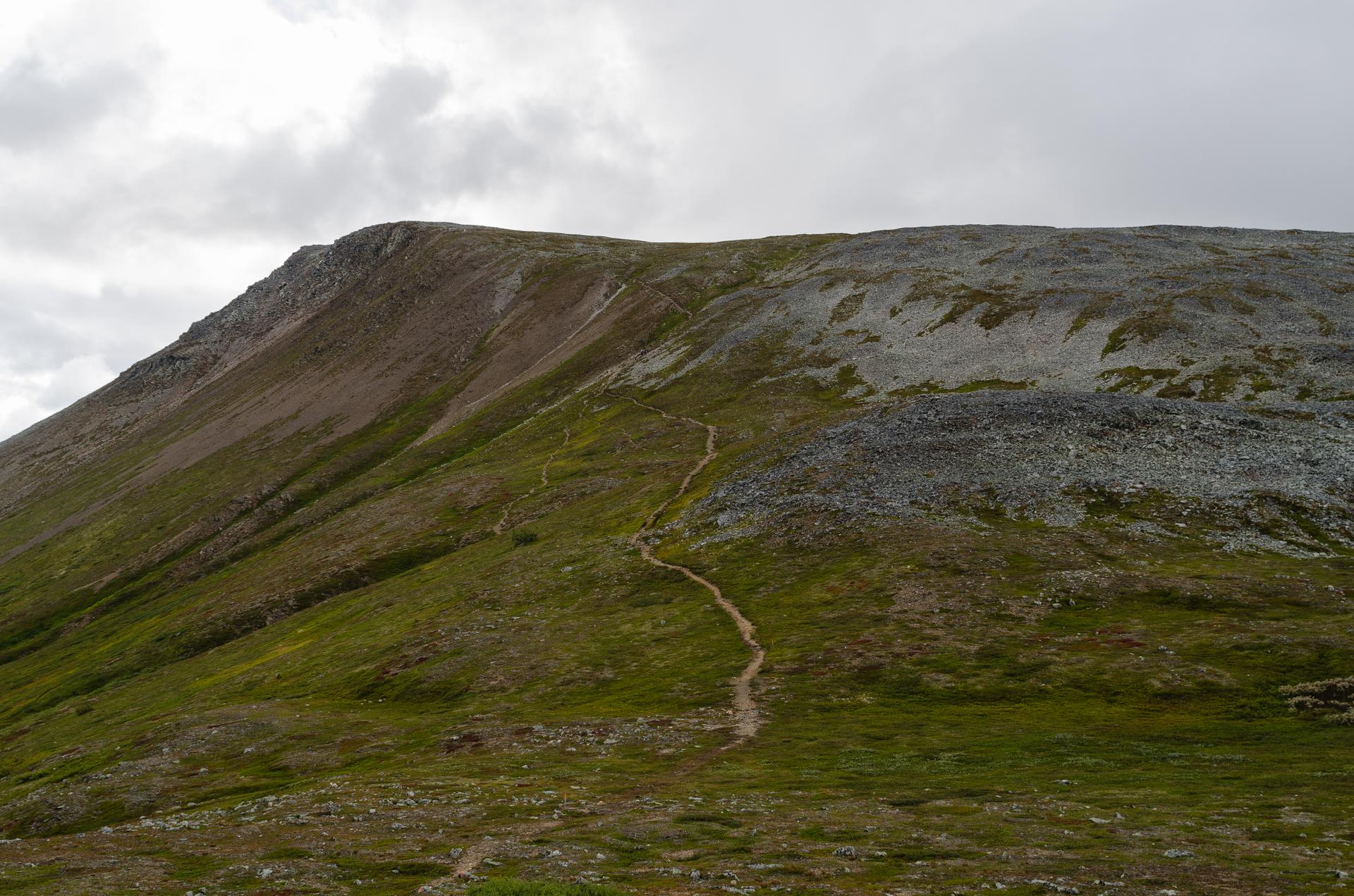
Looking beyond Hamra National Park? Discover Harjedalen for broader travel guides, local hot-spots, and regional highlights.
Explore Harjedalen