Locknekratern Meteoritcenter, Jamtland Travel Guide
A small, seasonal museum by Locknesjön that tells the dramatic 455‑million‑year story of a meteorite impact through specimens, models and lakeside context.
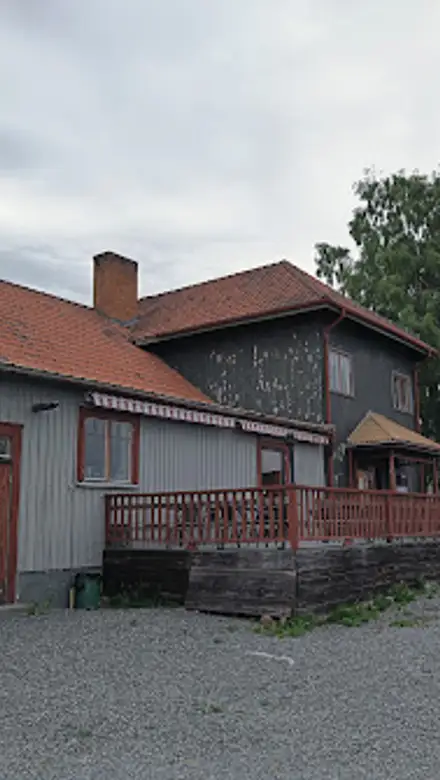
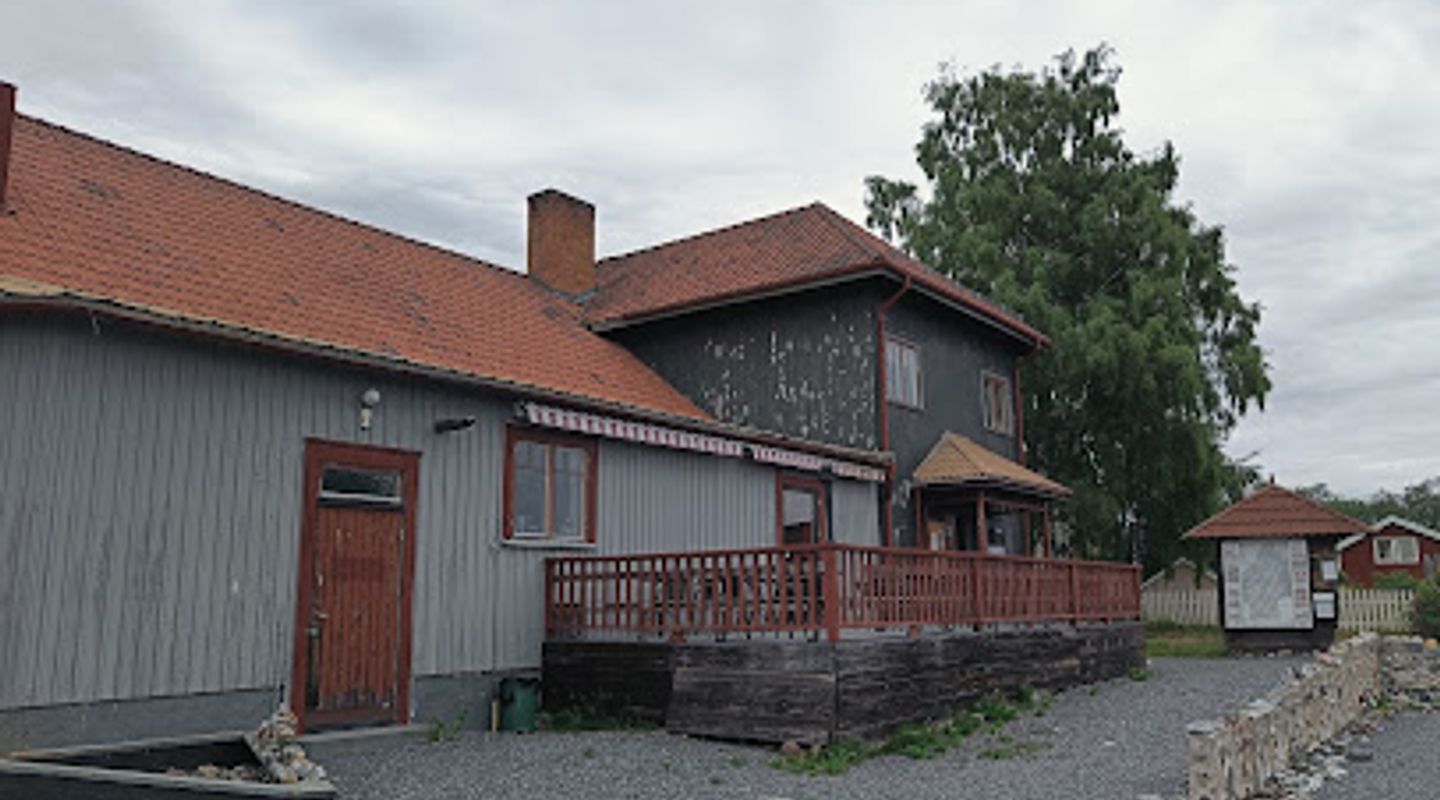
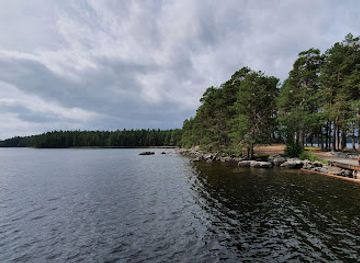
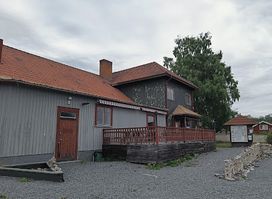
Locknekratern Meteoritcenter is a small seasonal museum and visitor centre beside the Lockne impact structure near Tandsbyn, presenting the geology, natural history and human stories tied to a 455‑million‑year‑old meteorite strike that formed Locknesjön. Exhibits mix meteorite specimens, local minerals, a compact mini‑planetarium and interpretation about the crater’s formation, set amid birch woodland and lakeside scenery.
A brief summary to Locknekratern Meteoritcenter
- Ångstavägen 71, Tandsbyn, 834 99, SE
- Click to display
- Click to display
- Duration: 0.5 to 2 hours
- Budget
-
 Mixed
Mixed
- Mobile reception: 3 out of 5
- Tuesday 11 am-4 pm
- Wednesday 11 am-4 pm
- Thursday 11 am-4 pm
- Friday 11 am-4 pm
- Saturday 11 am-4 pm
- Sunday 11 am-4 pm

Know before you go
Hi, I'm Eve. Here are a few practical things to know before exploring Locknekratern Meteoritcenter.
- Check seasonal opening dates before visiting; the centre is typically open in summer months with reduced hours outside peak season.
- Allow 1–2 hours to see exhibits and take a short walk to viewpoints overlooking the crater and Locknesjön.
- Bring a light jacket—indoors can be cool and weather on the lakeshore changes quickly, even in summer.
- Combine the visit with other nature stops in the region; the museum pairs well with short hikes and photography beside the lake.
Do you manage this location?
Take control to get all the benefits, like improved information, better appearance, and stronger visibility across AI-powered discovery. Learn more about listing your business on Evendo
Activate your presenceOther nearby places you may find interesting
The closest places of the same kind, if this one is not quite what you had in mind.

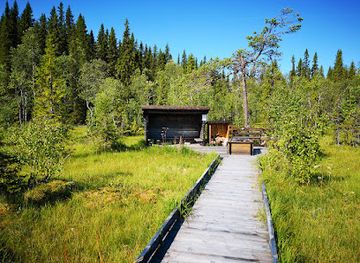
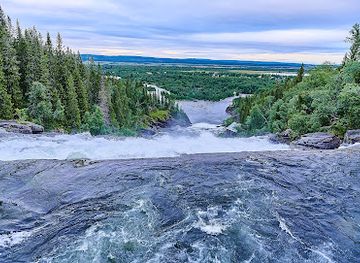
Explore Locknekratern Meteoritcenter on the Map
A handpicked selection of must-see spots near Locknekratern Meteoritcenter, mapped for you.
Getting There
-
By car
Private car is the most practical option from the regional centre; typical drive times from Östersund are about 25–35 minutes depending on traffic and weather. On‑site parking is available but can be limited during peak summer weekends; winter road conditions may require winter tyres and cautious driving. Expect no tolls; fuel costs will depend on vehicle.
-
Regional bus and walk
Regional bus services connect Östersund and nearby communities to Tandsbyn with timetabled departures; travel time is generally 30–45 minutes depending on route and schedule. From the nearest bus stop in Tandsbyn expect a walk of at least 1–2 kilometres over rural roads and paths to reach the centre—check service frequency in advance as buses are less frequent on Sundays and outside summer season. Bus fares fall within typical regional pricing (local currency), and exact ticket prices vary by operator and concession.
-
Guided or organised tour
Seasonal guided excursions or small group tours from Östersund can include the centre as part of geology‑focused day trips; these typically last 3–6 hours and include commentary, often priced per person and booked in advance. Availability is seasonal and subject to minimum group sizes and current programme schedules.
For the on-the-go comforts that matter to you
-
 Restrooms
-
 Drink Options
-
 Food Options
-
 Seating Areas
-
 Information Boards
Discover more about Locknekratern Meteoritcenter
Why this hollow matters
Locknekratern is centred on a geological event from the mid‑Ordovician—roughly 455 million years ago—when a meteorite collided with what is now the Jämtland landscape and carved the basin that holds Locknesjön. The museum interprets that ancient moment, showing how a cosmic projectile reconfigured bedrock, local ecology and the visual character of the area for deep time. Displays emphasise the science of impacts: shock metamorphism, ejecta, and how subsequent glacial and post‑glacial processes reshaped the crater into the lake and low ridges you see today.Collections and hands‑on displays
Inside the compact centre you’ll find a mix of original meteorite fragments, regional mineral samples and explanatory panels that walk through impact mechanics in plain language. A small mini‑planetarium or projection area recreates the strike and its local effects; tactile samples are available for close inspection. The layout is deliberately intimate—cases and models bring the story into human scale and link the ancient event to present‑day geology, flora and farmland patterns in the surrounding countryside.The setting and sensory details
The centre sits at the edge of birch and mixed forest that slopes toward Locknesjön; from outside, the air often carries lake scents and the distant cry of waterfowl. In summer the path network around the site is green and soft underfoot, while autumn colours frame the crater rim. Indoors the space feels homely and slightly rustic: wood surfaces, low light over exhibits and the muted hum of conversation. A small café offers warm drinks and simple cakes in season, making the centre an easy stop on a wider rural exploration.Local stories and community role
Locknekratern has been developed and run by local enthusiasts and associations keen to share the crater’s story and stimulate interest in earth sciences. Interpretive panels connect geological facts with local oral history and place names, showing how communities have long read the landscape for meaning. The centre operates seasonally and often coordinates with regional tourism initiatives and school programs, acting as a local hub for geology outreach rather than a large museum institution.Visitor experience and practical character
Visits are typically brief and focused—many people spend an hour or two reading panels, watching the projection and taking a short walk to view the crater landscape. The atmosphere is low‑key and educational rather than theatrical: expect clear explanatory signage, a tidy exhibition space, and helpful staff in high season. Photography of displays is generally allowed for personal use; the compact nature of the centre means exhibits are easy to reach for close inspection but can feel crowded during peak summer opening hours.Why geology here feels accessible
What makes Locknekratern engaging is the directness of its story: a single celestial blow that left an imprint still legible in lake shape, shoreline shelves and exposed bedrock. The centre translates specialist terms into everyday language, connecting strata and fossils to a narrative you can trace outdoors. For anyone curious about planetary processes, the site offers a tangible case study where you can stand close to evidence and imagine the extraordinary energy that shaped the place.More to explore near Locknekratern Meteoritcenter













Your all‑in‑one travel companion app
Explore expert travel guides, compare and book tours, experiences, hotels, and more—all from the palm of your hand. Download now for seamless trip planning wherever your wanderlust takes you.


Explore More of Jamtland
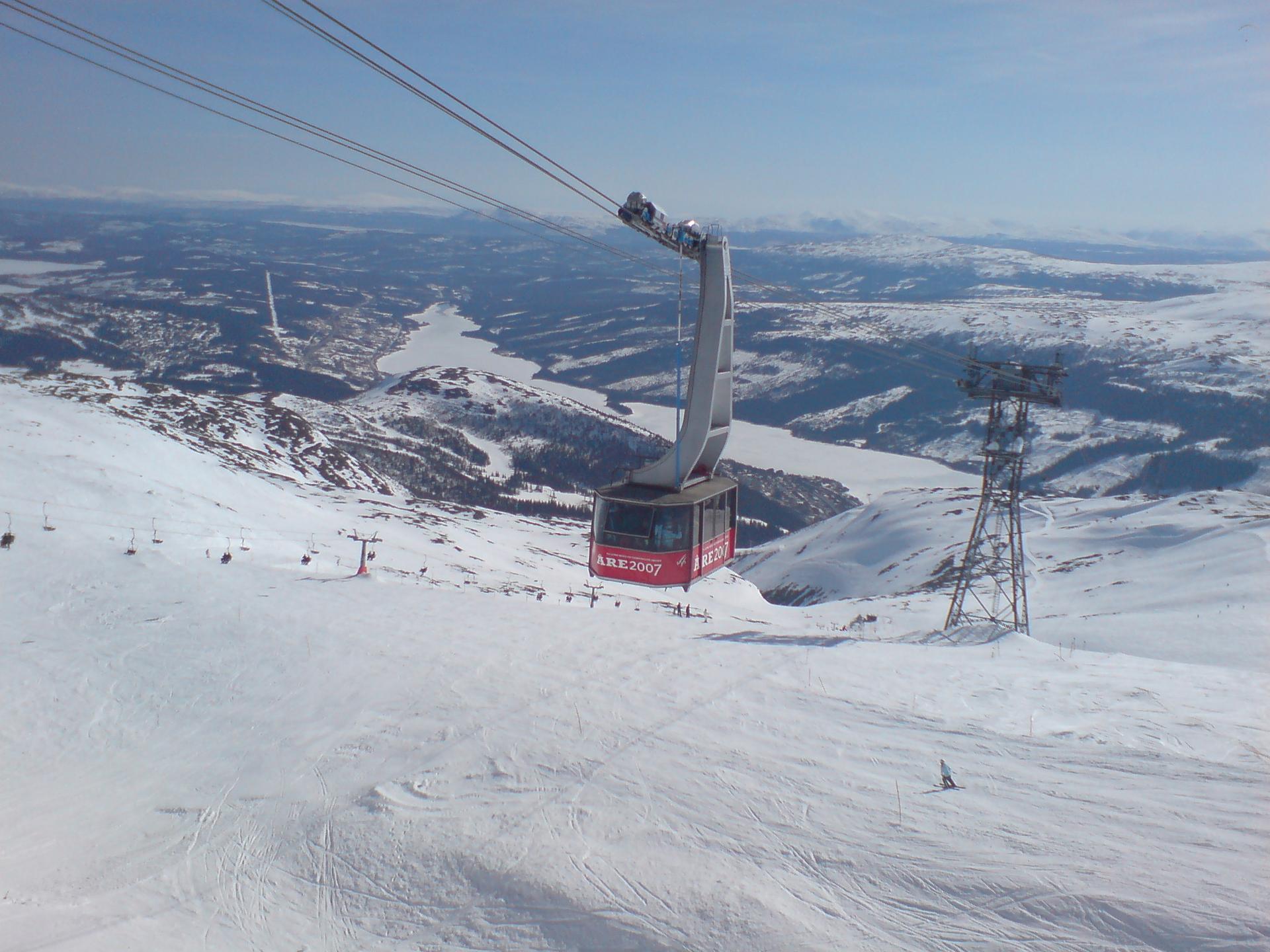
Looking beyond Locknekratern Meteoritcenter? Discover Jamtland for broader travel guides, local hot-spots, and regional highlights.
Explore Jamtland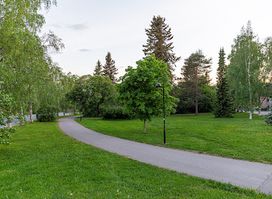
A quiet, birch-lined green room beside Stuguvägen — Odenparken links Odenslund with the university campus in a band of lawns, pergola and promenades.
Unravel 458 million years of cosmic history at Sweden's meteorite impact museum, where rocks tell tales of ancient skies and earthly rebirth.