Gamla Åre Kyrka, Jamtland Travel Guide
Sweden's sole medieval stone church in the mountains, echoing 12th-century pilgrims along Saint Olaf's route with quirky saintly statues and star-vaulted serenity.
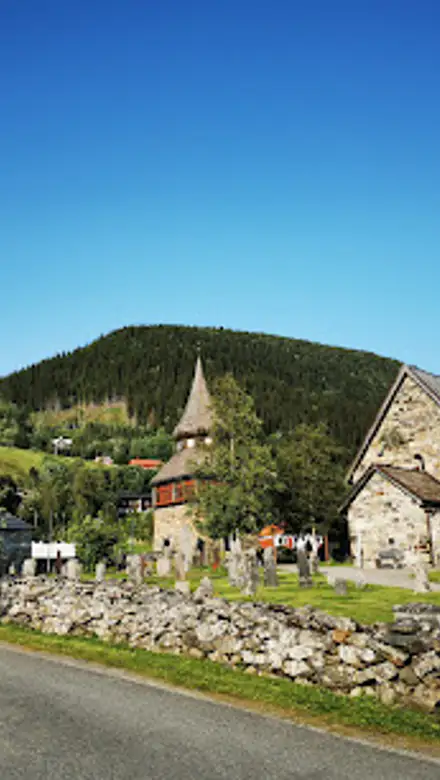
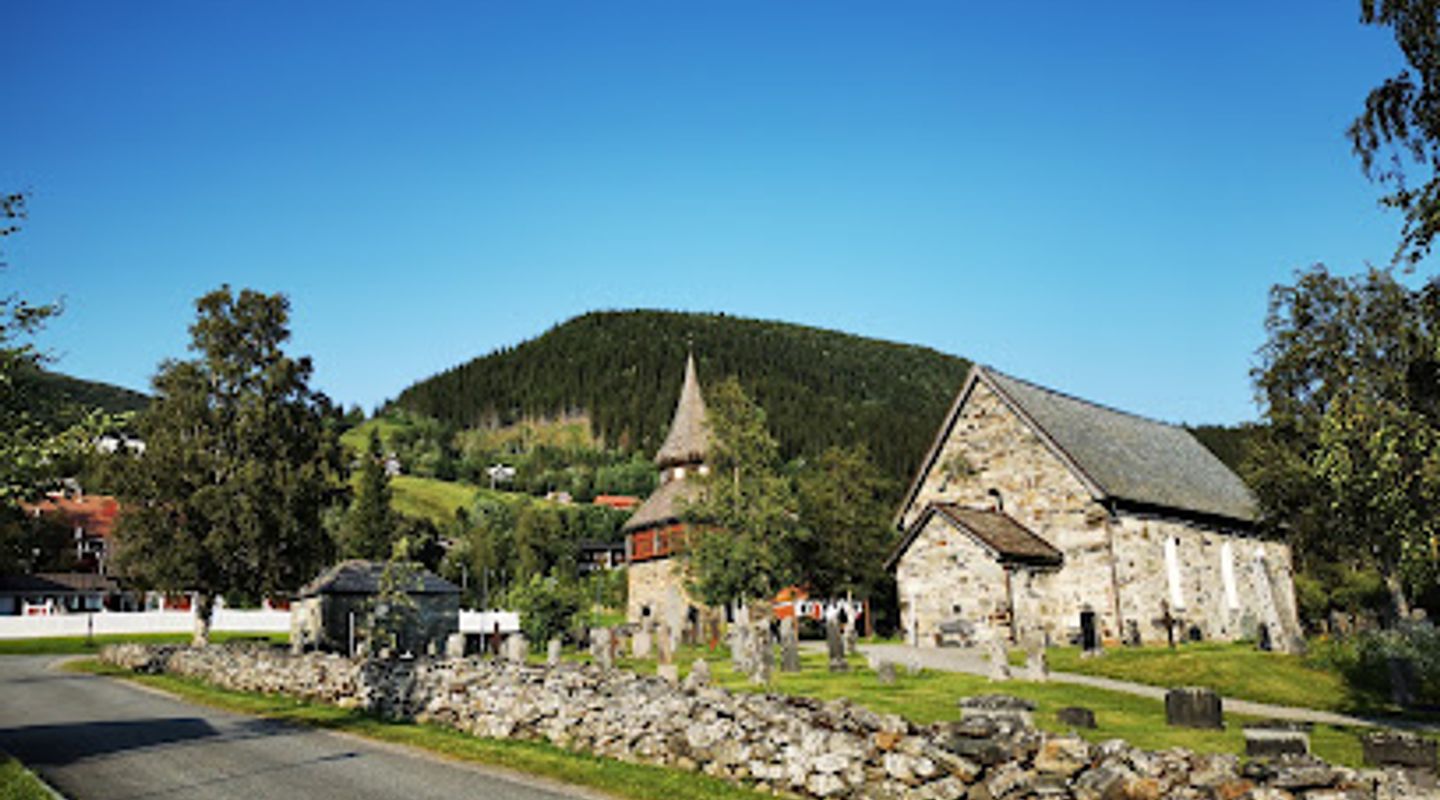
Nestled in the Swedish mountain village of Åre, this Romanesque stone church from the late 12th century stands as the only medieval stone church in the Swedish mountains. Built by local farmers along the ancient Saint Olaf Pilgrim's Route, it features preserved artifacts like a unique wooden statue of Saint Olaf with a Caroleans hat, wooden star vaults, and an onion-domed bell tower. Open daily from 8am to 8pm, it offers a serene glimpse into Jämtland's history near Åresjön lake.
A brief summary to Gamla Åre Kyrka
- Kyrkvägen 8, Åre, 837 52, SE
- Click to display
- Duration: 0.5 to 1.5 hours
- Free
-
 Outdoor
- Mobile reception: 4 out of 5
- Monday 8 am-8 pm
- Tuesday 8 am-8 pm
- Wednesday 8 am-8 pm
- Thursday 8 am-8 pm
- Friday 8 am-8 pm
- Saturday 8 am-8 pm
- Sunday 8 am-8 pm

Know before you go
Hi, I'm Eve. Here are a few practical things to know before exploring Gamla Åre Kyrka.
- Seek out the wooden Saint Olaf statue—note its unusual Caroleans hat, a 1719 tribute by a battle-scarred farmer to King Charles XII.
- Admire the 1736 wooden star vaults, a Gothic-style rarity crafted in wood by local master Erik Olofsson i Rännberg.
- Visit in quieter months like November for peaceful exploration; summer brings more pilgrims tracing the historic route.
- Pair your visit with Åre's Husesyn history tour, which highlights this as a key stop among village heritage sites.
Do you manage this location?
Take control to get all the benefits, like improved information, better appearance, and stronger visibility across AI-powered discovery. Learn more about listing your business on Evendo
Activate your presenceOther nearby places you may find interesting
The closest places of the same kind, if this one is not quite what you had in mind.
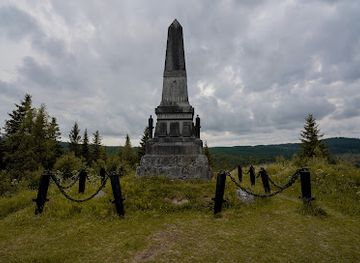
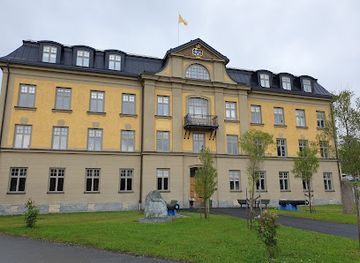
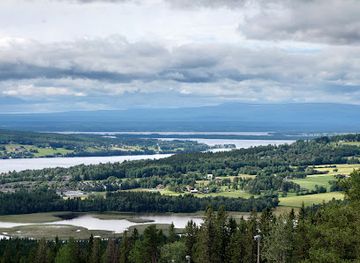
Explore Gamla Åre Kyrka on the Map
A handpicked selection of must-see spots near Gamla Åre Kyrka, mapped for you.
Getting There
-
Bus
From Åre ski center bus stop, take local bus line 42 or 43 toward village center, 5-10 minutes, frequent winter service but limited off-season, around 30 SEK one-way.
-
Walking
From Åre railway station, follow marked paths through village and farmland, 20-30 minutes on flat terrain with some gentle slopes, fully accessible year-round.
-
Taxi
Taxi from Åre center or station, 5-8 minutes depending on traffic, available 24/7 but book ahead in peak ski season, 100-150 SEK.
-
Car
Drive from E14 highway via Åre village roads, 3-5 minutes, free roadside parking nearby but spaces fill in winter, snow chains advised November-April.
For the on-the-go comforts that matter to you
-
 Seating Areas
-
 Trash Bins
-
 Information Boards
Discover more about Gamla Åre Kyrka
Origins Along the Pilgrim's Path
Åre Old Church emerged in the late 12th century, constructed entirely of stone by the farmers of Åre parish. Positioned near Åresjön lake and the village of Totten, its location aligned with the Saint Olaf Pilgrim's Route, a vital medieval trail stretching from Selånger ruins near Sundsvall across the Scandinavian Mountains to Trondheim, Norway. At the time, Jämtland belonged to Norway, influencing the church's Romanesque design drawn from contemporary Norwegian architecture.The original structure measured a modest 5 by 11 meters, with a tiny 2.5 by 2.5 meter choir and just three small windows, creating a dim, intimate space for worship.Medieval Treasures Preserved
Inside, medieval relics endure, including two ship-shaped candlesticks, a processional cross, and a striking wooden statue of Saint Olaf. Unlike typical depictions with an axe and orb, this 14th-century figure—possibly from Trøndelag, Norway—holds only an orb in its left hand and wears a tricorne Caroleans hat, a quirky replacement for its lost crown. In 1719, a war-damaged local farmer crafted this hat as a tribute to King Charles XII.These artifacts whisper tales of devotion and survival through centuries of pilgrimage and conflict.Expansions Through the Ages
Jämtland's shift to Sweden after the 1645 Second Treaty of Brömsebro brought changes. By 1673, a pulpit graced the southern wall per Norwegian custom, joined by a 17th-century baptismal font and northern gallery. In 1736, the church extended nearly 12 meters westward; the old choir became a sacristy, a new western entrance with stone porch was added, and higher windows illuminated the space.A grand reredos over the altar portrays the mourning Marys and Christ's crucifixion, while current pews date from this era.Iconic 18th-Century Flourishes
The 1750s saw the erection of a characteristic bell tower by Erik Olofsson i Rännberg, featuring an onion-shaped cupola typical of 18th-century Jämtland towers. In 1736, the flat inner ceiling yielded to three Gothic-style wooden star vaults, also attributed to Rännberg—a rare wooden interpretation of stone vaulting.These enhancements transformed the humble medieval nave into a more spacious sanctuary seating 150.Enduring Role in Mountain Life
Today, Åre Old Church remains a quiet anchor amid Åre's ski resort bustle, hosting regular services and welcoming visitors daily from 8am to 8pm. Its setting in open farmland evokes the farmers' original vision, blending seamlessly with the mountainous landscape and historical Husesyn walking tour of Åre's heritage buildings.












Your all‑in‑one travel companion app
Explore expert travel guides, compare and book tours, experiences, hotels, and more—all from the palm of your hand. Download now for seamless trip planning wherever your wanderlust takes you.


Explore More of Jamtland
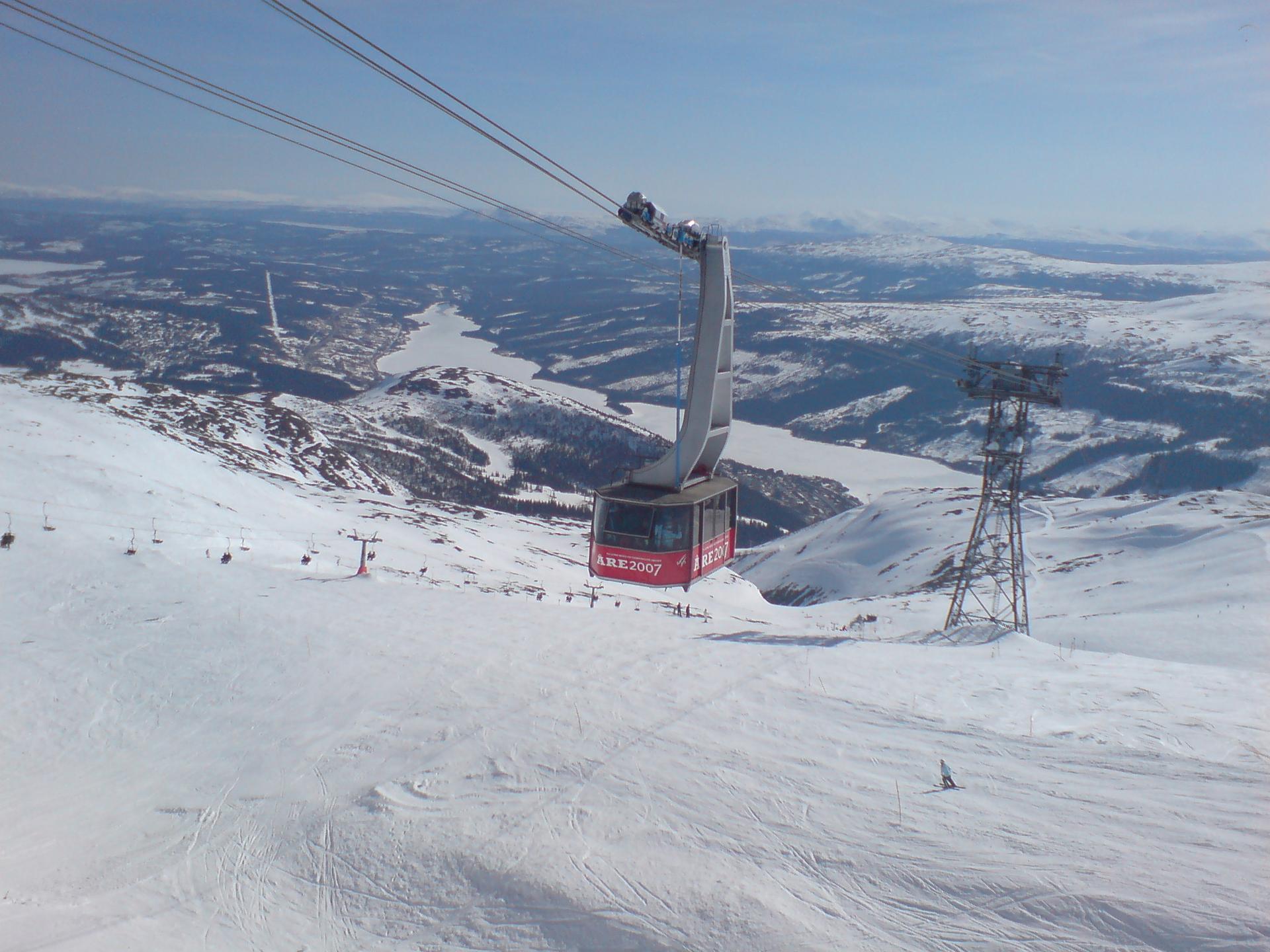
Looking beyond Gamla Åre Kyrka? Discover Jamtland for broader travel guides, local hot-spots, and regional highlights.
Explore Jamtland
Dream home of composer Wilhelm Peterson-Berger: national romantic gem with panoramic Storsjön views, historic interiors, and inspiring cafeteria fika on Frösön.

Discover Morrvikja Åre, your go-to home improvement store in Åre, Sweden, offering a wide selection of products and local craftsmanship.