Brahehus slottsruin, Gotaland Travel Guide
Weathered 17th‑century castle ruin set on a cliff above Lake Vättern, prized for dramatic panoramas of Gränna and Visingsö.
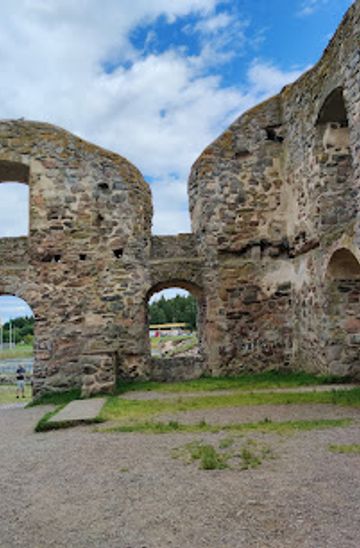
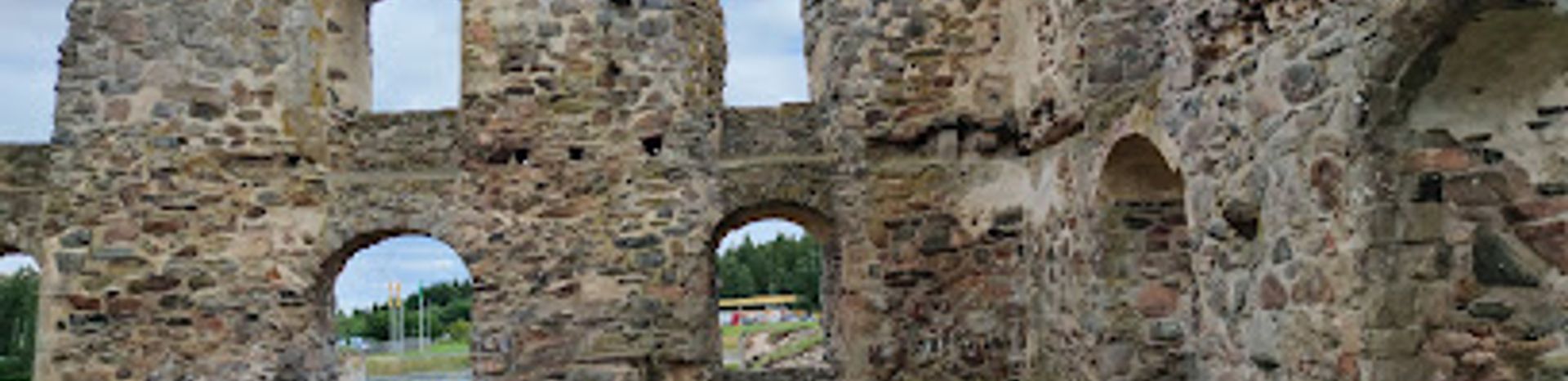
Perched on a limestone promontory above Lake Vättern, Brahehus is a mid‑17th‑century castle ruin with ragged stone walls, twin towers and a dramatic panorama over Gränna and the island of Visingsö. Once a pleasure house for Count Per Brahe the Younger, it was damaged by fire and later romanticised; today the site combines history, sweeping views and easy outdoor access for brief visits or photography stops.
A brief summary to Brahehus slottsruin
- Brahehus, Gränna, 563 91, SE
- Click to display
- Click to display
- Duration: 0.25 to 2 hours
- Free
-
 Outdoor
- Mobile reception: 4 out of 5

Know before you go
Hi, I'm Eve. Here are a few practical things to know before exploring Brahehus slottsruin.
- Bring sturdy footwear and a windproof layer; exposed rock and lake breezes can be chilly even in summer.
- Visit in clear weather for the best views of Lake Vättern and the island of Visingsö; light near sunrise or late afternoon improves photography.
- Respect barriers and do not climb unstable masonry—the ruin is conserved but parts remain fragile.
- Combine a short stop here with a stroll through Gränna; the castle’s relationship with the town is part of its story.
Do you manage this location?
Take control to get all the benefits, like improved information, better appearance, and stronger visibility across AI-powered discovery. Learn more
Activate your presenceOther nearby places you may find interesting
The closest places of the same kind, if this one is not quite what you had in mind.
Explore Brahehus slottsruin on the Map
A handpicked selection of must-see spots near Brahehus slottsruin, mapped for you.
Getting There
-
By car
Private car is the most direct option from Gränna or regional centres; expect a drive of roughly 8–15 minutes from central Gränna depending on starting point and traffic, with roadside parking provided at the designated lot near the site. Note seasonal limits on parking capacity during peak summer weekends and that quick stops are common; no paid shuttle is required for the short onward walk to the ruin.
-
Public bus + short walk
Regional bus services connect Gränna with nearby communities; from Gränna allow around 20–35 minutes total including the waiting and a 15–25 minute uphill walk across uneven terrain from the nearest bus stop. Services are less frequent outside summer months, so check timetables before travel; this is a low‑cost option with standard local fares.
-
Taxi or rideshare
A taxi from Gränna typically takes about 8–12 minutes and is useful for groups or when public services are limited; expect a metered fare variable by operator and time of day. Roads are normal asphalt until the small site access area; some vehicles may be asked to wait in the designated layby rather than drive closer to fragile viewpoints.
For the on-the-go comforts that matter to you
-
 Seating Areas
-
 Information Boards
-
 Trash Bins
Discover more about Brahehus slottsruin
Origins and the man behind the hill
Brahehus was conceived in the 1630s by Count Per Brahe the Younger as an elegant residence positioned to command views of the surrounding province and Lake Vättern. Construction began in 1638 and, though intended originally as a dower house, the building served social and representational needs when completion came in the 1650s. The choice of the ridgeline site—gritstone and limestone scarps rising above the lake—reflects a 17th‑century taste for visible power and controlled landscape: the castle sits where it can be seen from the town and vice versa.The ruin’s physical character
What remains is a telling fragment: the rectangular main block with the flanking tower bases and outer walls that outline the original plan. Weathered masonry, exposed vaulting and the occasional fragment of dressed stone give a sense of the building’s scale—sides of the main block measured in decades‑old drawings at over twenty metres—and the towers that once housed guards, storage and domestic rooms. The ruin reads as architecture in stages, with older masonry and later reinforcement visible where repairs and restorations have stabilised the structure.Fire, abandonment and later restoration
The house was abandoned within a few generations after Per Brahe’s death and was severely damaged by a landscape fire in the early 18th century. The ruin then entered a long afterlife: neglected, then admired in the 19th century as a picturesque relic, and stabilised in conservation efforts during the 20th and early 21st centuries. These interventions leave traces—mortar repairs, protective capping and discreet footings—that blend with the original fabric and help preserve the silhouette against the sky.Views and the natural setting
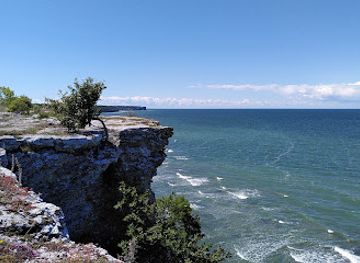
Brahehus’s chief magnet is its outlook: from the promontory you look down over the steep slope to Lake Vättern, across to the oval form of Visingsö island and north toward the open water. At around 270 metres above sea level the site affords sweeping panoramas at dawn and late afternoon, when light slants across the lake and the ruin’s textures deepen. The immediate terrain is a mix of exposed rock, scrubby grass and scattered birch; the soundscape is often a mix of wind on stone and distant traffic along the modern roadway, a reminder of the site’s proximity to contemporary routes.Visitor experience and sensory details
Approaching the ruin you notice the cool mineral tang of stone and the contrast between warm sunlight on old masonry and the sheltering hollows within the towers. Surfaces can be uneven and paths are natural underfoot; the best vantage points are small clearings at the parapet line where photographers and sketchers stop to compose frames. The site lends itself to short contemplative visits—time to walk the perimeter, read a historical plaque and absorb the scale of the ruin against the lake’s sweep.Cultural resonance and why it endures
Brahehus functions as an emblem of continuity and change: a noble residence turned ruin, conserved as an object of heritage and landscape. Its placement shaped the development of nearby Gränna centuries ago and continues to register in local identity as a landmark seen from town and road. The ruin’s combination of architectural fragment, geological perch and wide sky keeps it both historically specific and viscerally immediate for visitors who like history layered over dramatic natural context.












Your all‑in‑one travel companion app
Explore expert travel guides, compare and book tours, experiences, hotels, and more—all from the palm of your hand. Download now for seamless trip planning wherever your wanderlust takes you.


Explore More of Gotaland
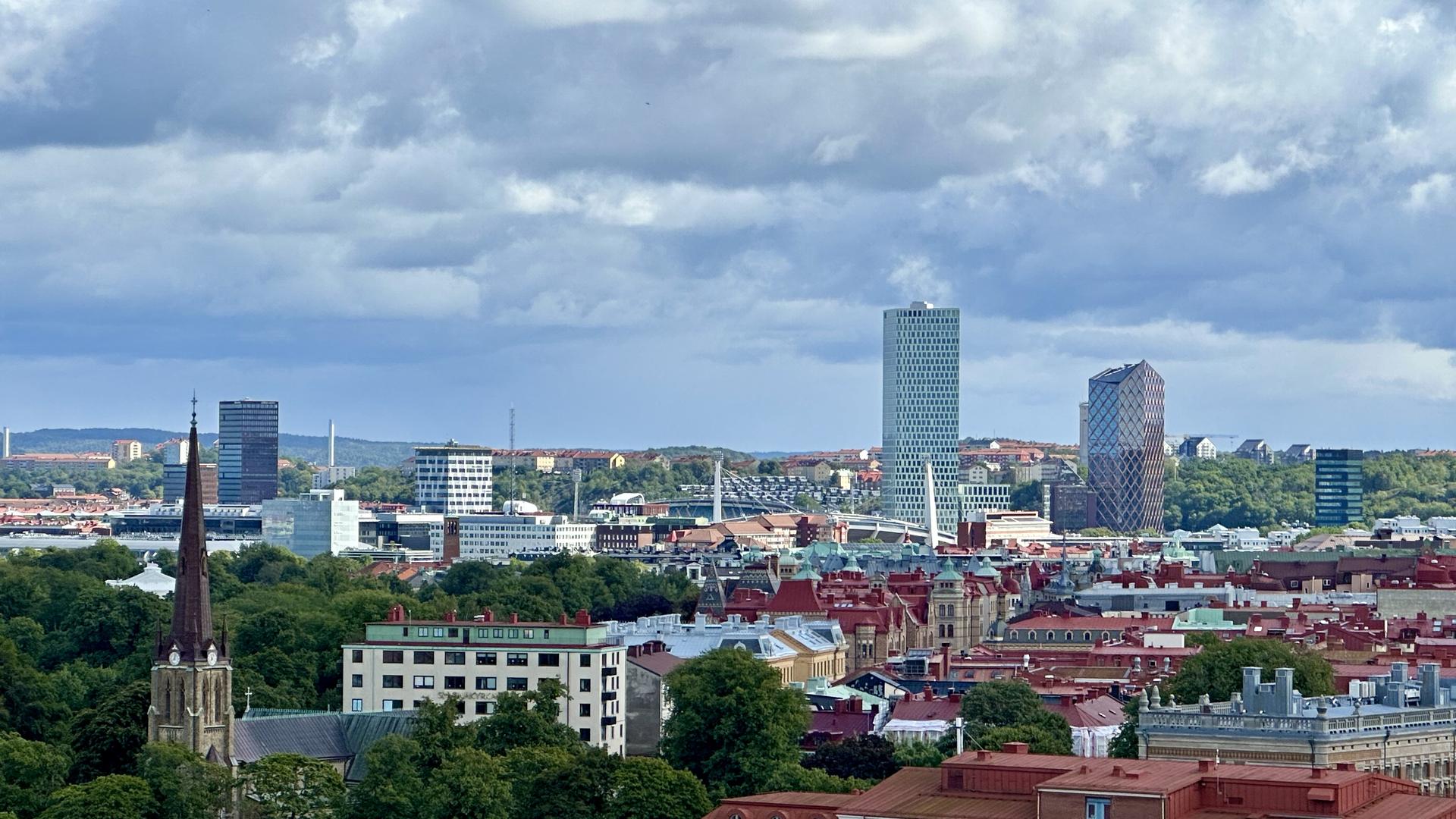
Looking beyond Brahehus slottsruin? Discover Gotaland for broader travel guides, local hot-spots, and regional highlights.
Explore Gotaland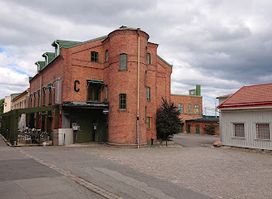
A compact, atmospheric museum in the original match factory that traces Sweden’s match industry through machines, worker life and thousands of colourful matchbox labels.
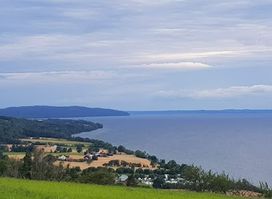
Wander 2 km of hilly trails through leafy ravines to breathtaking Visingsö viewpoints in serene Vendelstorp—a nature lover's hidden loop.