

Sigvardsson Nilssons Fjälluft, Lapland Travel Guide
A quietly scenic Lapland hiking area by Kanaan, where birch-studded ridges, tundra flowers and long evening light reward slow walking.
A tranquil hiking area on the outskirts of Dikanäs, Sigvardsson Nilssons Fjälluft offers a compact network of trails, open tundra and forest-edge scenery characteristic of Swedish Lapland. Centered around the Kanaan 24 locality, this site is valued for its wide skies, birch-studded ridges and seasonal contrasts — wildflower carpets and midnight-sun evenings in summer, stark frozen panoramas under low winter light.
A brief summary to Sigvardsson Nilssons Fjälluft
- Kanaan 24, Dikanäs, 923 94, SE
- Duration: 0.5 to 4 hours
- Free
-
 Outdoor
- Mobile reception: 3 out of 5

Know before you go
Hi, I'm Eve. Here are a few practical things to know before exploring Sigvardsson Nilssons Fjälluft.
- Wear waterproof boots and gaiters — trails cross boggy ground and tundra with variable drainage.
- Pack layers for rapid weather changes; even summer evenings can be cool and windy.
- Bring water and snacks; there are no on-site services or cafés at the hiking area.
- Respect grazing animals and seasonal closures; avoid driving stakes or leaving gear that could entangle wildlife.
Do you manage this location?
Take control to get all the benefits, like improved information, better appearance, and stronger visibility across AI-powered discovery. Learn more about listing your business on Evendo
Activate your presenceOther nearby places you may find interesting
The closest places of the same kind, if this one is not quite what you had in mind.
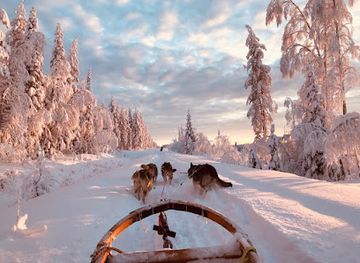
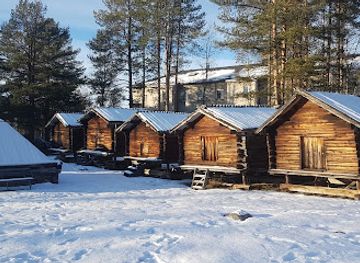
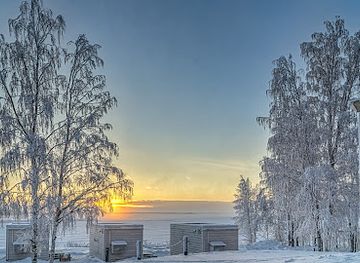
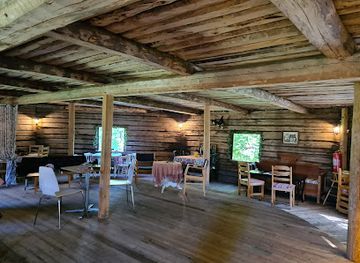
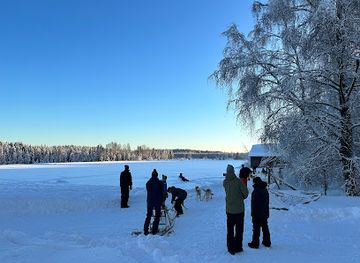
Explore Sigvardsson Nilssons Fjälluft on the Map
A handpicked selection of must-see spots near Sigvardsson Nilssons Fjälluft, mapped for you.
Getting There
-
By car from Dikanäs (regional road)
Private car: typical drive time from central Dikanäs approximately 10–20 minutes depending on exact start point; small local roads may be narrow and unpaved in places and can be slippery when wet or snowy. Parking is informal and limited near Kanaan 24; during winter yards and shoulders can be constrained. No guaranteed paid parking — plan to arrive early in peak seasons.
-
Regional bus plus walk
Public bus: regional bus services connect larger villages in the valley; expect a bus journey of 20–45 minutes from nearby towns with infrequent service (few runs daily). From the nearest stop allow an additional 20–45 minutes walking over uneven terrain to reach the main trail areas; buses require planning around timetables and may have reduced winter frequency. Typical single fares in the region are modest; check local county schedules for up-to-date pricing.
-
Guided walk or local transfer
Local operator or private transfer: many small guiding outfits and taxi services in the wider Hemavan–Tärnaby area can provide point-to-point transfers; journey times typically 15–30 minutes from Dikanäs or nearby villages. Availability varies seasonally and costs are higher than public transport (expect a regional short-transfer price range reflecting local taxi rates). Book ahead in high season or for winter conditions.
For the on-the-go comforts that matter to you
-
 Seating Areas
-
 Information Boards
-
 Trash Bins
Discover more about Sigvardsson Nilssons Fjälluft
Where low hills meet Lapland sky
Sigvardsson Nilssons Fjälluft sits beside the small settlement of Kanaan on the approaches to Dikanäs and presents the familiar, gentle interface between forest and fell that defines much of southern Swedish Lapland. Rolling ridgelines are punctuated by stunted mountain birch and pockets of dwarf shrubs; under clear weather the horizon reads as a long, unbroken line of pale rock and distant tree crowns. The openness here emphasises the scale of the sky — an important part of the place’s character during long summer evenings and the pale, extended twilights of winter.Trail character and seasonal moods
Trails at Fjälluft are short to medium in length and largely informal, moving across uneven ground, boggy patches and rocky outcrops rather than engineered paths. In summer expect carpets of bilberry and lingonberry, meadowy clearings and a chorus of insect life; autumn turns the heather and dwarf birch into warm russets. Winter transforms the area into a quiet, wind-sculpted landscape where tracks are kept by skis and snowshoes rather than boots, and the low sun throws long, high-contrast shadows across the terrain.Nature, wildlife and plant life to notice
The mosaic of wetland, heath and sparse woodland supports a modest but locally typical range of Lapland species. Look for meadow pipits and wheatears in open areas, and listen for the higher-pitched calls of willow warblers when the snow has left. Small mammals and hare are present; reindeer may be seen on the wider hillsides where traditional Sámi grazing routes cross the landscape in season. Botanically, the site rewards close inspection — lichens on rocks, cloudberry patches in wet hollows and tiny arctic flowers tucked among the mosses.Local history and human touches
The name hints at local families and generations who have used these fells for grazing, berry picking and short treks between settlements. Scattered fences, occasional turf stacks and the faint trace of older routes remind you that this is a working cultural landscape as much as a natural one. Nearby villages like Dikanäs preserve church and museum sites that reflect a longer history of valley life; the hiking area itself functions as a low-key, locally cherished outdoor space rather than a developed tourist complex.What you’ll experience on arrival
Approach on foot and the first impressions are sensory: the dry, aromatic tang of dwarf shrubs, the granular crunch of lichen-dusted stones underfoot, and the sudden clarity of the view when you top a small rise. There are no busy facilities — the site’s quiet is its amenity — so bring water, weatherproof layers and an appetite for unmediated landscape. Photographic rewards are strongest at the edge of day: the curved light of early morning and the prolonged glow of summer evenings.Responsible enjoyment and local etiquette
Sigvardsson Nilssons Fjälluft sits within a fragile subarctic environment; short walks and dispersed use help preserve its character. Follow leave-no-trace principles: carry out any waste, avoid disturbing reindeer or nesting birds, and keep to indistinct paths across vulnerable bog and moss. Small fires and camping may be tolerated in moderation but check local guidance for restrictions during dry periods. The result is an intimate, slow-paced encounter with Lapland’s quieter side — a place for attentive walkers who value atmosphere over infrastructure.More to explore near Sigvardsson Nilssons Fjälluft













Your all‑in‑one travel companion app
Explore expert travel guides, compare and book tours, experiences, hotels, and more—all from the palm of your hand. Download now for seamless trip planning wherever your wanderlust takes you.


Explore More of Lapland
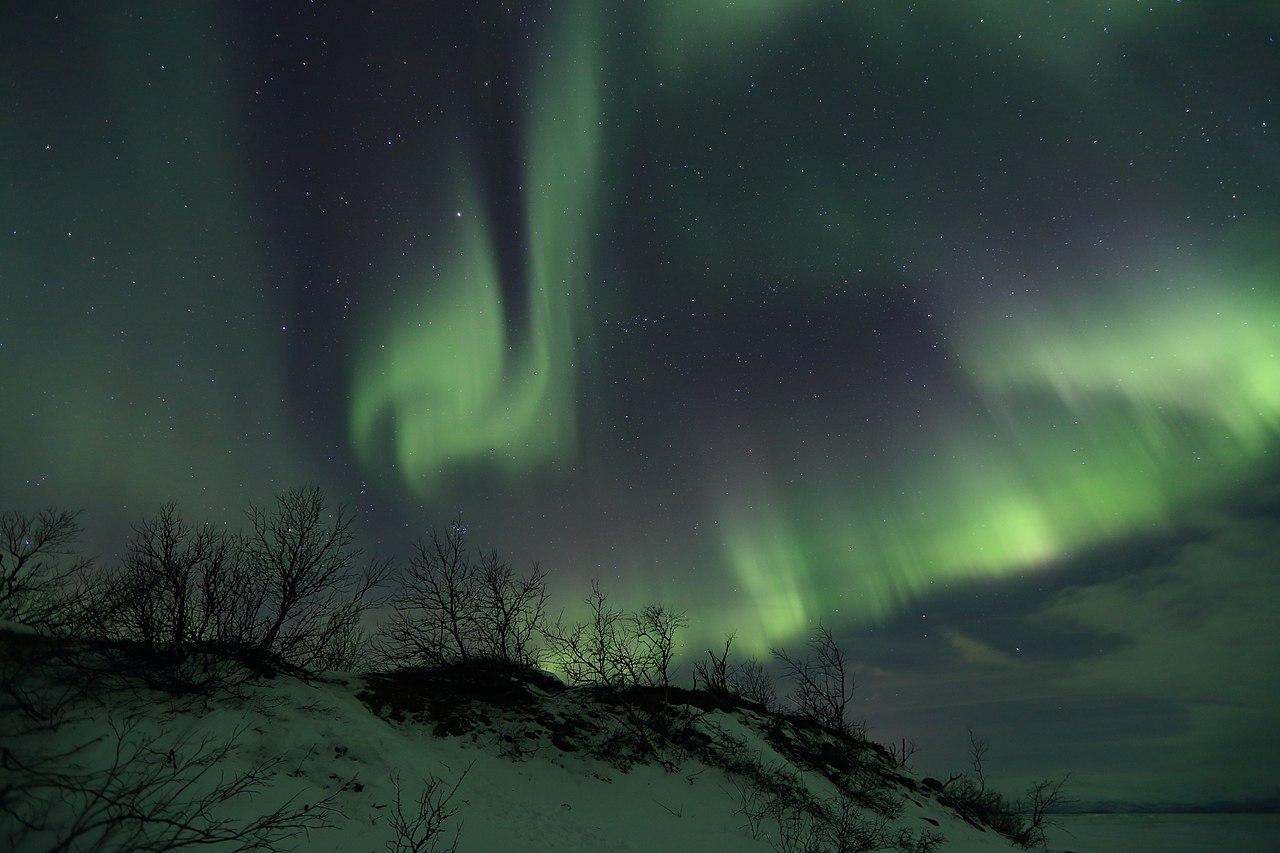
Looking beyond Sigvardsson Nilssons Fjälluft? Discover Lapland for broader travel guides, local hot-spots, and regional highlights.
Explore Lapland