

Gammelstadsviken, Luleå Travel Guide
Free Guide: A shallow, reed‑fringed lake formed by land uplift—prime birdwatching among marshes and open water just north of Gammelstad.


A brief summary of Gammelstadsviken
A shallow, reed‑fringed lake formed by land uplift—prime birdwatching among marshes and open water just north of Gammelstad.
Gammelstadsviken is a shallow freshwater lake and wetland reserve just north of Gammelstad and Luleå, formed when a former coastal bay was cut off by land uplift. Renowned for reed belts, shallow shores and a bird tower, the reserve is a magnet for waterfowl and migrating species—spring and early summer bring particularly rich birdlife amid quiet trails and open marsh scenery.
On-site amenities
 Seating areas
 Information boards
 Picnic areas
 Trash bins
- Address
- 954 32 Gammelstad
Getting there
Local bus + short walk
Car
Cycling
Discover more about Gammelstadsviken
How the lake was born and why it matters
Gammelstadsviken occupies a shallow basin that was once a coastal bay; post‑glacial land uplift gradually isolated the water from the sea and created the freshwater lake and surrounding wetlands that exist today. The combination of emergent reeds, mudflats and adjacent mixed forest produces a mosaic of habitats that supports an unusually broad range of waterbirds, waders and raptors for this latitude.
Landscape and natural character
The reserve feels open and low: wide reed belts fringing pale shallow water, small spits and islands, and flat marsh that eases into patches of spruce and birch. In spring the reed stems are fresh green and the mudflats are alive with feeding shorebirds; by late summer the surface can be still and reflective, punctuated by the arcs of diving ducks and the silhouette of a perched osprey. A traditional bird‑watching tower gives elevated panoramas across the marsh and lake.
Wildlife to watch for and seasonal rhythms
Gammelstadsviken is best known for its avifauna: migratory waterfowl concentrate here in spring and autumn, and species recorded include swans, ducks, cranes, marsh harriers and eagles. Smew and other diving ducks appear in notable numbers during migration peaks; waders and gulls use the exposed shallows as feeding grounds. Breeding songbirds and woodpeckers inhabit the bordering forest while passerines move through the reed margins during migration.
Visitor experience and atmosphere
Walking the reserve is a sensory, slow experience: close to the ground you hear reed‑rustle, distant calls and the wet, metallic clatter of waterfowl. Trails and the bird tower provide opportunities for quiet observation rather than active recreation; the terrain is generally level but can be boggy near the wettest edges. The place has a thoughtful, unhurried feel—good binoculars, patient timing and attention to light will repay you.
Connections with nearby heritage places
The reserve sits between Gammelstad’s church village and the outskirts of Luleå, forming a natural complement to the region’s cultural landscape. Paths link to nearby museums and historical sites, so a visit easily pairs nature watching with exploration of the old church town. The setting underlines the interplay between northern coastal geology, human settlement and wildlife uses across centuries.
Practical notes on conditions and respect for the site
Habitats here are sensitive: reedbeds and mudflats are important for feeding and nesting birds, so stick to established paths and the observation tower to minimise disturbance. Weather is strongly seasonal; spring and early summer are the high points for migratory concentrations, while winter brings ice cover and a very different, quieter scene. Observing quietly and leaving no trace helps keep the reserve productive for birds and enjoyable for other visitors.
Evendo Review Centre
 Google
Guest reviews
Best time to go
Quietest: Jan, Feb & Dec · before 5am or at 9pm
Busy times are Evendo estimates for a typical year, to help you plan. Actual crowds vary with events, school holidays and the weather.
Explore Gammelstadsviken on the map
A handpicked selection of must-see spots near Gammelstadsviken, mapped for you.
Get your free copy of our complete guide to Gammelstadsviken, delivered straight to you.
Everything on this page, from opening hours and how to get there to Eve’s tips and the best time to go, in one PDF you can read offline, print or share.
Already have an account? Sign in
Your Gammelstadsviken guide is ready.
We'll send it to · Not you? Sign out

Getting your guide ready…
We are putting together a fresh copy of the Gammelstadsviken guide. This can take up to a minute.
This can take a few moments. If your browser asks, choose Allow so the download can start. You'll find the guide in your Downloads folder.
Nothing happened? Download it again
Sorry, the guide is taking longer than usual. Please try again in a minute, or get it by email instead.
Other nearby places you may find interesting
The closest places of the same kind, if this one is not quite what you had in mind.
-
-
-
-
-


Swipe for more places
More to explore near Gammelstadsviken

 Best experiences near Gammelstadsviken
 Best hotels near Gammelstadsviken
 Best landmarks near Gammelstadsviken
 Best attractions near Gammelstadsviken
 Best shops near Gammelstadsviken
 Best restaurants near Gammelstadsviken
 Best bars near Gammelstadsviken
Do you manage this location?
Take control to get all the benefits, like improved information, better appearance, and stronger visibility across AI-powered discovery.
Explore more
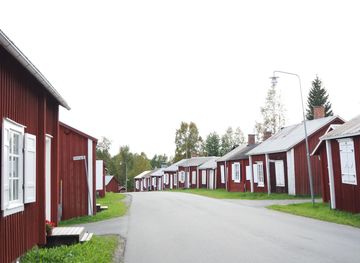
Explore more of Luleå
Discover Luleå, Sweden's hidden northern gem, where the beauty of nature meets rich cultural heritage and modern innovation for an unforgettable travel experience.
Explore Luleå
Explore more of Sweden
Discover Sweden's breathtaking landscapes, vibrant cities, and rich cultural heritage. From the Northern Lights to historic castles, experience the essence of Scandinavia.
Explore Sweden
