

Luleå, Sweden Travel Guide
Discover Luleå, Sweden's hidden northern gem, where the beauty of nature meets rich cultural heritage and modern innovation for an unforgettable travel experience.
Luleå, located in the far north of Sweden, is a city where modernity meets nature. Known for its stunning archipelago with over 1,300 islands, Luleå is a paradise for outdoor enthusiasts. The city offers a unique blend of cultural experiences and natural beauty, making it an ideal destination for both relaxation and adventure. In the heart of Luleå, you will find the Gammelstad Church Town, a UNESCO World Heritage site. This charming area boasts well-preserved wooden houses and a medieval stone church, providing a glimpse into Swedish history. Walking through these cobblestone streets feels like stepping back in time. For those interested in technology and innovation, the Luleå Science Center is a must-visit. The center features interactive exhibits on space, technology, and the environment. Nearby, you can explore the Luleå University of Technology, which is renowned for its cutting-edge research. Nature lovers can take advantage of the many outdoor activities available. During the summer, the Midnight Sun allows for extended daylight hours, perfect for hiking, kayaking, and exploring the islands. In winter, the city transforms into a snowy wonderland, offering opportunities for ice fishing, snowmobiling, and witnessing the magical Northern Lights. Luleå's culinary scene is also worth exploring. The city's restaurants emphasize locally sourced ingredients, offering both traditional Swedish dishes and modern cuisine. Don't miss the chance to try reindeer meat, a local delicacy. Whether you are looking to immerse yourself in history, embrace the great outdoors, or enjoy modern comforts, Luleå has something for everyone. Its unique blend of activities and attractions makes it a memorable destination for any traveler.

Know before you go
Hi, I'm Eve. Here are a few practical things to know before exploring Luleå.
- Visit in summer to experience the Midnight Sun, extending your daylight hours for more activities.
- Don't miss the Gammelstad Church Town for a historical and cultural experience.
- Pack warm clothing if visiting in winter, as temperatures can drop significantly.
- Try local dishes like reindeer meat for a true taste of Luleå.
- Book outdoor activities in advance, especially during peak seasons for the best experience.
Explore Luleå: Things to Do, Places to Eat, Hotels & More
Handpicked recommendations for top attractions, local dining, accommodations, and more

Best attractions in Luleå
Top-rated picks
Best Attractions

Järvzoo
Wander 3km boardwalks through Swedish forest to glimpse wolves, bears, lynx and moose in natural realms—year-round wildlife magic in Järvsö's heart.

Kulturens hus
Luleå's waterfront cultural beacon: art, music, books, and bites with sweeping harbor vistas.

Skulptur i Pilane
A windswept Bohuslän hill where monumental contemporary sculpture sits among Iron Age burial mounds and sweeping sea views.

Clarion Hotel Sense
Waterfront modern hotel in central Luleå with a panoramic skybar, intimate spa and city-to-archipelago views.

Best landmarks in Luleå
Top-rated picks
Best Landmarks

Elite Hotel Carolina Tower
Discover luxury and modern elegance at Elite Hotel Carolina Tower in Solna, Stockholm, your gateway to the best of Sweden's capital.

Gammelstad Church Town
UNESCO-listed church village in Swedish Lapland: wander red cottages around a 1492 stone church, where medieval pilgrims once gathered amid northern wilds.

Luleå Cathedral
Neoclassical beacon of faith in Arctic Luleå, reborn from flames to pierce northern skies with serene grace.

Nederlulea Kyrka
Northern Sweden's grandest medieval stone church, soul of UNESCO-listed Gammelstads kyrkstad, where ancient pilgrim traditions whisper through the ages amid Arctic serenity.

Best restaurants in Luleå
Top-rated picks
Best Restaurants

O'Learys Luleå
Discover O'Learys Luleå: A lively American-style venue offering delicious food, bowling fun, karaoke nights, and vibrant nightlife in Sweden.

Exotic kinesisk & pizzeria
Savor the best of Pan Asian cuisine and pizza at Exotic Kinesisk & Pizzeria in Luleå - A must-visit culinary destination!

Bastard Burgers
Indulge in the best burgers at Bastard Burgers in Luleå – where quality meets creativity in every bite.

Kafelino
Discover Kafelino in Luleå – where delicious stone oven pizzas meet a warm family-friendly atmosphere perfect for every visitor.

Best bars in Luleå
Top-rated picks
Best Bars
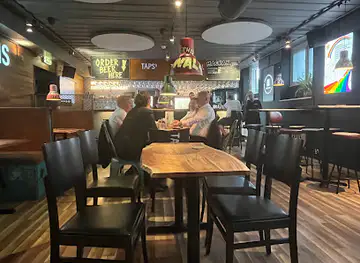
Taps& Lulea
Luleå's ultimate taproom: 19 craft beer taps, smoky BBQ ribs, loaded burgers, and lively nights in the city heart.

The Bishop's Arms
Luleå's premier gastropub: endless beers, whiskey wonders, and hearty eats in authentic English style amid Swedish northern charm.
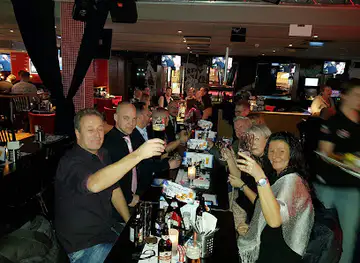
Allstar
A central sports-bar steakhouse in Luleå — big screens, hearty burgers and a late-night DJ scene in one lively venue.

Bar CG
Luleå's spirited bar for gin-rum cocktails, karaoke vibes, and nightclub flow—ignite your northern night out.

Best nightclubs in Luleå
Top-rated picks
Best Nightclubs

End Night Club
Sweden's iconic nightclub in historic opera halls: opulent chandeliers, Vicke Andrén frescoes, and house beats until dawn.

Gutekällaren
A multi‑room nightclub and bar complex in Visby’s medieval centre, mixing terraces, dancefloors and live nights through the summer season.

Holy Cow Club
Luleå's electrifying nightclub with stylish rooms, sizzling cocktails, and nonstop dance hits—ignite your night at Holy Cow Club.

Lulehardcore
A compact DIY rock club in Luleå where punk and hardcore pulse in an intimate, community-driven setting.

Best shops in Luleå
Top-rated picks
Best Shops

JACK & JONES
Accessible, no‑fuss menswear in Luleå’s Smedjan — denim, everyday tops and season-ready outerwear in a compact city-centre shop.

Åhléns
A compact, one‑floor Åhléns in the heart of Luleå — fashion, beauty and homewares in an easy‑to‑browse city‑centre store.

Adventure Hägglunds Mountain Sports & Leisure AB
Luleå's ultimate outfitter for skis, kayaks, and Arctic gear—fueling Lapland explorations from the city center.

Godishuset Luleå City
Indulge in Swedish candy bliss at Godishuset Luleå City, where Storgatan's sweet tooth haven awaits with pick-and-mix treasures and Arctic charm.

Explore Luleå on the Map
A handpicked selection of must-see spots in Luleå, mapped for you.
Luleå Essentials
-
Luleå is located in Norrbotten County in northern Sweden. The nearest airport is Luleå Airport (LLA), which offers both domestic and international flights. From Stockholm, the flight takes approximately 1 hour and 20 minutes. You can also reach Luleå by train via the Swedish state railway, SJ, which offers regular services from major cities like Stockholm and Gothenburg. Additionally, long-distance buses operated by companies like FlixBus and Vy Buss connect Luleå with other Swedish cities.
-
Luleå has a well-developed public transportation system, including buses operated by Länstrafiken Norrbotten. Local buses are efficient and cover most parts of the city and surrounding areas. For more flexibility, taxis are readily available, and car rental services are offered at Luleå Airport and in the city center. During the winter, ice roads are a unique means of travel, allowing you to drive over frozen bodies of water to reach nearby islands.
-
The official currency in Sweden is the Swedish Krona (SEK). Credit and debit cards are widely accepted in Luleå, even for small transactions. However, it's a good idea to carry some cash for situations where cards may not be accepted, such as at local markets or small cafes. ATMs are easily accessible throughout the city.
-
Luleå is generally a very safe city for tourists. Petty crime rates are low, but it's always wise to take standard precautions such as keeping an eye on your belongings in crowded places. There are no specific high-crime areas targeting tourists. However, it's always good practice to avoid poorly lit areas at night and stay aware of your surroundings.
-
In case of emergency, dial 112 for immediate assistance. This number connects you to police, fire, and medical services. Luleå has several medical facilities, including Sunderby Hospital, which is well-equipped to handle emergencies. Pharmacies are available for minor health issues, and most pharmacists speak English. It's advisable to have travel insurance that covers medical emergencies.
-
Fashion: Do dress in layers, especially in winter, as temperatures can drop significantly. Casual and practical clothing is generally acceptable. Religion: Do respect local customs, though Sweden is largely secular. Public Transport: Do be courteous on public transport. Offer your seat to elderly passengers and avoid loud conversations. Greetings: Do greet people with a handshake. Swedes appreciate personal space, so avoid standing too close. Eating & Drinking: Do try local dishes such as reindeer and Arctic char. Don't forget to say 'tack' (thank you). Avoid talking loudly in restaurants.
-
To experience Luleå like a local, visit the Gammelstad Church Town, a UNESCO World Heritage site. Participate in winter activities such as ice fishing and dog sledding. During summer, explore the archipelago by boat. Attend a local hockey game to see the Luleå Hockey team in action. Don't miss the local markets where you can buy traditional Sami crafts and local delicacies. Engaging with locals can provide you with unique insights into the area's history and culture.
When is the best time to visit Luleå?
Useful Local Phrases for Luleå
You don't need to speak the language perfectly. Even learning a few simple words can make conversations warmer—and locals usually appreciate the effort.
— Eve

Here are the phrases I use most often in Luleå. Try a few—you'll be surprised how far they go! 😊
❤️
-
- HelloHej
[hey] - GoodbyeAdjö
[ad-yoo] - YesJa
[ya] - NoNej
[nay] - Please/You're welcomeTack
[tahck] - Thank youTack
[tahck] - Excuse me/SorryUrsäkta mig
[oor-sack-ta me] - How are you?Hur mår du?
[hoor mor doo] - Fine. And you?Bra. Och du?
[bra. okh doo] - Do you speak English?Talar du engelska?
[tah-lar doo eng-el-skah] - I don't understandJag förstår inte
[yahg for-stor in-te]
- HelloHej
-
- I'd like to see the menu, pleaseJag skulle vilja se menyn, tack
[yahg skool-le vil-ya se meh-nun, tahck] - I don't eat meatJag äter inte kött
[yahg et-er in-te shøt] - Cheers!Skål!
[skawl] - I would like to pay, pleaseJag skulle vilja betala, tack
[yahg skool-le vil-ya be-tah-la, tahck]
- I'd like to see the menu, pleaseJag skulle vilja se menyn, tack
-
- Help!Hjälp!
[yelp] - Go away!Gå iväg!
[goh iv-ayg] - Call the Police!Ring Polisen!
[ring po-lee-sen] - Call a doctor!Ring en läkare!
[ring en leh-ka-re] - I'm lostJag är vilse
[yahg air veel-seh] - I'm illJag är sjuk
[yahg air shoook]
- Help!Hjälp!
-
- I'd like to buy...Jag skulle vilja köpa...
[yahg skool-le vil-ya shø-pa] - I'm just lookingJag tittar bara
[yahg tit-tar ba-ra] - How much is it?Hur mycket kostar det?
[hoor mer-ket kohs-tar det] - That's too expensiveDet är för dyrt
[det air for diert] - Can you lower the price?Kan du sänka priset?
[kan doo seng-ka pre-set]
- I'd like to buy...Jag skulle vilja köpa...
-
- What time is it?Vad är klockan?
[vahd air klok-kan] - It's one o'clockKlockan är ett
[klok-kan air eht] - Half past (10)Halv (tio)
[halv (tee-oh)] - MorningMorgon
[mor-gon] - AfternoonEftermiddag
[ef-ter-mee-dag] - EveningKväll
[kvel] - YesterdayIgår
[ee-gor] - TodayIdag
[ee-dag] - TomorrowImorgon
[ee-mor-gon] - 1Ett
[eht] - 2Två
[tvoh] - 3Tre
[treh] - 4Fyra
[fy-rah] - 5Fem
[fem] - 6Sex
[sehx] - 7Sju
[shoo] - 8Åtta
[ot-tah] - 9Nio
[nee-oh] - 10Tio
[tee-oh]
- What time is it?Vad är klockan?
-
- Where's a/the...?Var finns en/den...?
[var fins en/den] - What's the address?Vad är adressen?
[vahd air adr-res-sen] - Can you show me (on the map)?Kan du visa mig (på kartan)?
[kan doo vee-sa me (poh kar-tan)] - When's the next (bus)?När går nästa (buss)?
[nair gor nest-a (booss)] - A ticket (to ....)En biljett (till ....)
[en bil-yet (teel)]
- Where's a/the...?Var finns en/den...?
History of Luleå
-
Luleå was founded in 1621 by King Gustavus Adolphus of Sweden. However, the area had been inhabited long before that, with evidence of settlements dating back to the medieval period. The early settlers were primarily involved in fishing and trade, taking advantage of the region's abundant natural resources.
-
In the mid-17th century, the original settlement of Luleå was moved to its current location due to the rising sea levels affecting the original site, now known as Gammelstad. Gammelstad Church Town, a UNESCO World Heritage Site, preserves the medieval layout and architecture, including the stone church built in 1492.
-
The late 19th and early 20th centuries were a period of significant industrial growth for Luleå. The establishment of the ironworks in 1906 and the completion of the Malmbanan railway in 1903, connecting Luleå to the rich iron ore fields in Kiruna, marked the city as a critical hub for the Swedish iron industry.
-
During World War II, Luleå played a strategic role due to its port and rail connections. The city was a key point for the export of Swedish iron ore, which was vital for the war effort on both sides. After the war, Luleå continued to grow, with significant investments in infrastructure and education, including the establishment of Luleå University of Technology in 1971.
-
In recent decades, Luleå has transformed into a center for technology and innovation. The city is home to one of Facebook's largest data centers, taking advantage of the cold climate for efficient cooling. Luleå's commitment to sustainable development and technological advancements has positioned it as a forward-thinking city in the 21st century.


Cities near Luleå
The closest cities to Luleå, if you have time for more than one stop.
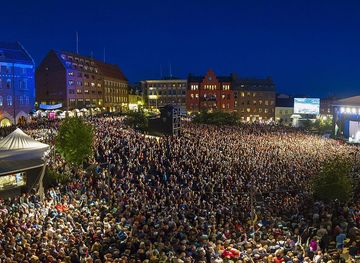


Your all‑in‑one travel companion app
Explore expert travel guides, compare and book tours, experiences, hotels, and more—all from the palm of your hand. Download now for seamless trip planning wherever your wanderlust takes you.


Luleå in Photos
Browse through our photo collection highlighting the charm and character of the destination.

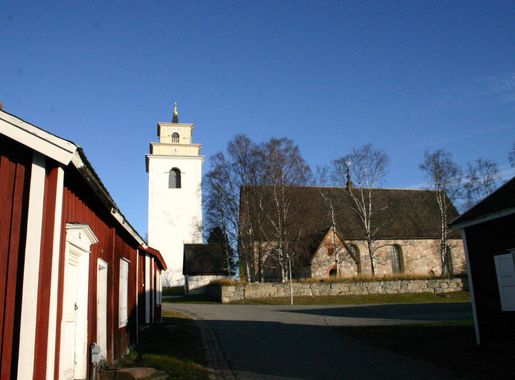


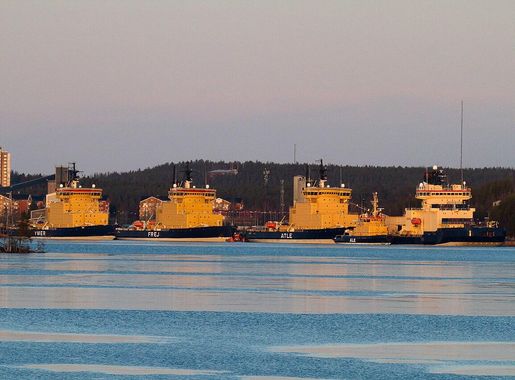


Luleå: The Hidden Gem of Northern Sweden
Luleå, located in the far north of Sweden, is a city where modernity meets nature. Known for its stunning archipelago with over 1,300 islands, Luleå is a paradise for outdoor enthusiasts. The city offers a unique blend of cultural experiences and natural beauty, making it an ideal destination for both relaxation and adventure. In the heart of Luleå, you will find the Gammelstad Church Town, a UNESCO World Heritage site. This charming area boasts well-preserved wooden houses and a medieval stone church, providing a glimpse into Swedish history. Walking through these cobblestone streets feels like stepping back in time. For those interested in technology and innovation, the Luleå Science Center is a must-visit. The center features interactive exhibits on space, technology, and the environment. Nearby, you can explore the Luleå University of Technology, which is renowned for its cutting-edge research. Nature lovers can take advantage of the many outdoor activities available. During the summer, the Midnight Sun allows for extended daylight hours, perfect for hiking, kayaking, and exploring the islands. In winter, the city transforms into a snowy wonderland, offering opportunities for ice fishing, snowmobiling, and witnessing the magical Northern Lights. Luleå's culinary scene is also worth exploring. The city's restaurants emphasize locally sourced ingredients, offering both traditional Swedish dishes and modern cuisine. Don't miss the chance to try reindeer meat, a local delicacy. Whether you are looking to immerse yourself in history, embrace the great outdoors, or enjoy modern comforts, Luleå has something for everyone. Its unique blend of activities and attractions makes it a memorable destination for any traveler.
Explore More of Swedish Lapland

Looking beyond Luleå? Discover Swedish Lapland for broader travel guides, local hot-spots, and regional highlights.
Explore Swedish LaplandExplore More of Sweden
Looking beyond Luleå? Discover Sweden for broader travel guides, local hot-spots, and regional highlights.
Explore Sweden