

Judarskogen Nature Preserve Travel Guide
Free Guide: A small but richly textured urban reserve centred on Lake Judarn, where bog, meadow and glaciated rock converge within western Stockholm.


A brief summary of Judarskogen Nature Preserve
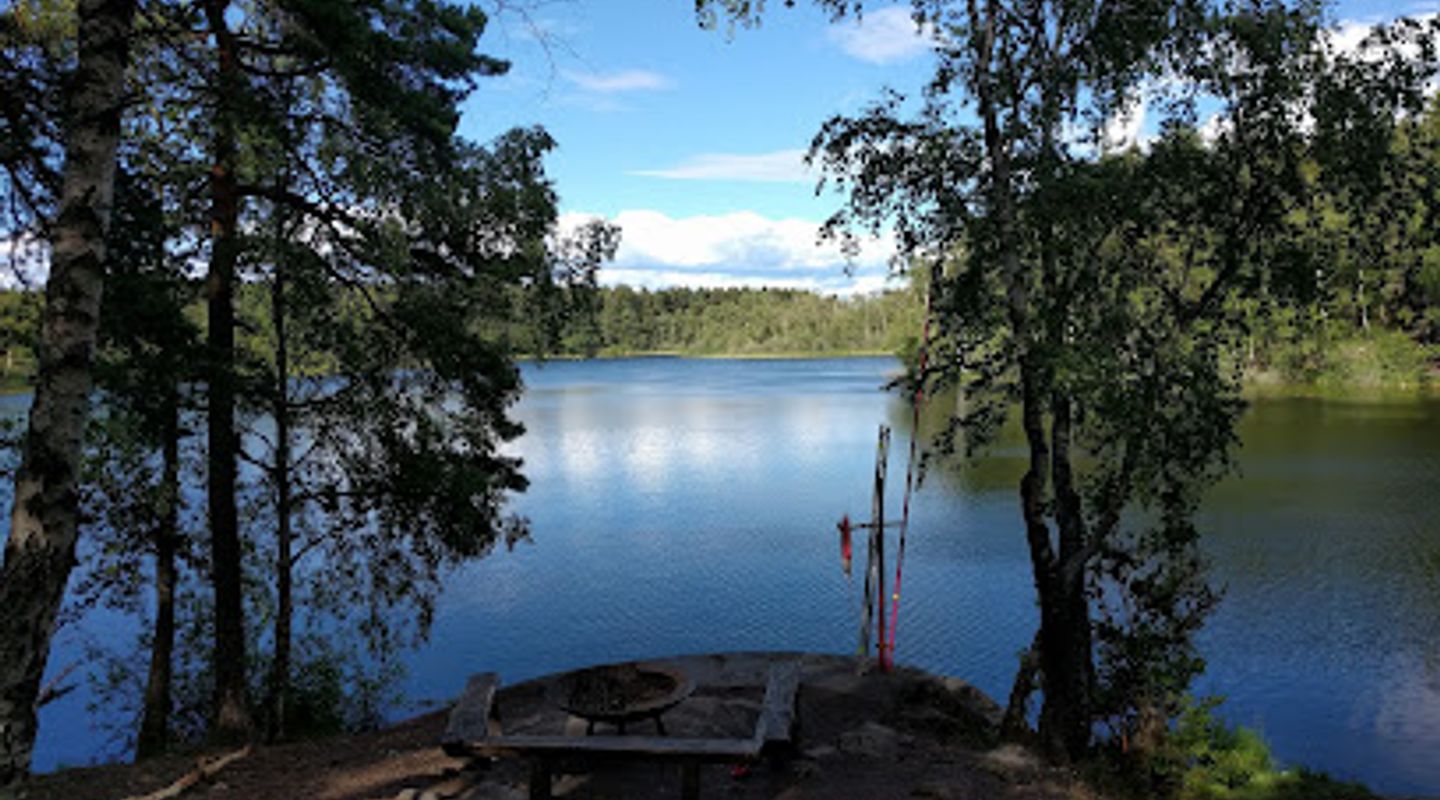
A small but richly textured urban reserve centred on Lake Judarn, where bog, meadow and glaciated rock converge within western Stockholm.
A compact, centuries-old woodland and wetland reserve on Stockholm’s western edge, Judarskogen centres on the small lake Judarn and weaves together mixed forest, open meadows, wetlands and a clear two-kilometre nature trail. Established as a municipal outdoor area in the early 20th century and protected as a nature reserve in 1995, it offers quiet wildlife pockets, interpretive signs about the landscape’s glacial origins and picnic and rest areas amid surprisingly varied terrain.
On-site amenities
 Seating areas
 Picnic areas
 Information boards
 Trash bins
Opening hours
- Every dayOpen 24 hours
Opening hours as listed on the venue’s Google Business Profile. Hours can change for services and special events, so check with the venue before you go.
- Address
- Judarskogens naturereservat, 168 38 Stockholm
- Phone
- Website
Getting there
Metro + Walk
Local Bus + Short Walk
Car / Taxi
Discover more about Judarskogen Nature Preserve
A lake at the heart of an urban forest
Judarskogen is built around Lake Judarn, a small, placid body of water that gives the reserve its name and pulls the surrounding woodland, meadows and wetlands into a cohesive whole. The shoreline alternates between boggy reedbeds and firmer, tree-lined edges; vantage points across the water frame reflections of pines and birch and create compact, changeable vistas as seasons and light shift.
Geology and the imprint of the Ice Age
Boulders, moraine ridges and uneven ground reveal the effects of the Last Glacial Period that shaped much of the Stockholm region. A marked nature trail (roughly two kilometres) threads these features together with interpretive panels explaining how glacial action produced the bedrock, soil pockets and the wetland basins that now host amphibians and a mosaic of plant communities.
Habitats, wildlife and small-park ecology
Despite its urban setting, Judarskogen sustains a surprising variety of life. Wetland fringes provide breeding habitat for frogs and newts, while mature oaks and mixed broadleaf stands support woodland birds and invertebrates. Open meadows within the reserve carry a different plant mix and attract pollinators in summer, giving the area an intimate, changing character through the year.
Historic buildings and human touches
On the reserve’s edges stand small historic farm buildings and cottages, relocated or preserved as part of the municipal park legacy. These structures and a handful of simple rest and barbecue clearings testify to long-standing recreational use: the reserve was already managed as an outdoor space in the 1930s and gained formal protection later, so the present-day landscape blends managed park elements with pockets of semi-natural woodland.
Trails, sensory highlights and seasonal shifts
Paths range from flat park promenades to hillier woodland tracks; the blue‑marked nature trail around Judarn is the simplest loop for a short visit. In spring the reserve resounds with frogs and the first leaf flush, summer brings humming insects and warm meadow scents, autumn paints trunks and scrub in gold and russet, and winter strips the place back to outlines of rock and branch. Each season alters not just the look but the sounds and smells you notice while wandering.
The reserve’s character in the city landscape
Judarskogen is compact yet varied, a green pocket that reads both as an escape and as a neighbourhood resource. Its scale encourages short visits—quiet picnics, dog walks, short runs or a focused hour of birdwatching—while the relatively intact wetlands and rock features make it valuable as a teaching landscape for geology and urban nature conservation.
Evendo Review Centre
 Google
Guest reviews
Best time to go
Quietest: Jan, Feb & Dec · before 6am or at 10pm
Busy times are Evendo estimates for a typical year, to help you plan. Actual crowds vary with events, school holidays and the weather.
Explore Judarskogen Nature Preserve on the map
A handpicked selection of must-see spots near Judarskogen Nature Preserve, mapped for you.
Get your free copy of our complete guide to Judarskogen Nature Preserve, delivered straight to you.
Everything on this page, from opening hours and how to get there to Eve’s tips and the best time to go, in one PDF you can read offline, print or share.
Already have an account? Sign in
Your Judarskogen Nature Preserve guide is ready.
We'll send it to · Not you? Sign out

Getting your guide ready…
We are putting together a fresh copy of the Judarskogen Nature Preserve guide. This can take up to a minute.
This can take a few moments. If your browser asks, choose Allow so the download can start. You'll find the guide in your Downloads folder.
Nothing happened? Download it again
Sorry, the guide is taking longer than usual. Please try again in a minute, or get it by email instead.
Other nearby places you may find interesting
The closest places of the same kind, if this one is not quite what you had in mind.
-
-
-
-
-


Swipe for more places
More to explore near Judarskogen Nature Preserve
-
 Best experiences near Judarskogen Nature Preserve
-
 Best hotels near Judarskogen Nature Preserve
-
 Best landmarks near Judarskogen Nature Preserve
-
 Best attractions near Judarskogen Nature Preserve
-
 Best shops near Judarskogen Nature Preserve
-
 Best restaurants near Judarskogen Nature Preserve
-
 Best bars near Judarskogen Nature Preserve


Do you manage this location?
Take control to get all the benefits, like improved information, better appearance, and stronger visibility across AI-powered discovery.
Explore more
Explore more of Närke
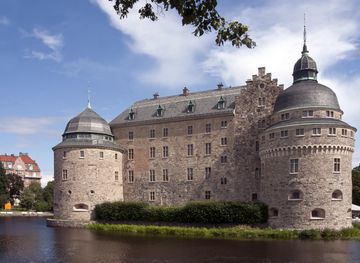
Discover Närke, Sweden's heartland, where natural beauty meets rich history and vibrant culture, offering a tranquil yet enriching experience for every traveler.
Explore Närke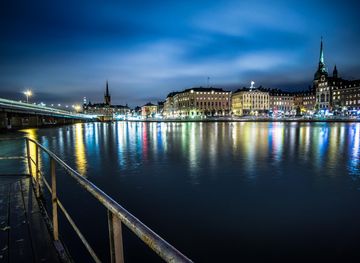
Explore more of Sweden
Discover Sweden's breathtaking landscapes, vibrant cities, and rich cultural heritage. From the Northern Lights to historic castles, experience the essence of Scandinavia.
Explore Sweden
