Swedish History Museum, Narke Travel Guide
A compact, object-led museum tracing Sweden’s story from prehistoric hoards and Viking artefacts to medieval art and modern cultural history.
Housed on Narvavägen in Stockholm, the Swedish History Museum presents Sweden’s past from prehistory through the Viking Age to the modern era, with large archaeology displays, the glittering Gold Room and immersive Viking galleries. The museum combines chronologically arranged permanent displays with rotating special exhibitions, family-focused activities and a museum shop and café, all within an austere, block-like building that faces an inner courtyard.
A brief summary to Swedish History Museum
- Narvavägen 13-17, Stockholm, 114 84, SE
- Click to display
- Click to display
- Duration: 1 to 2 hours
- Mid ranged
-
 Indoor
- Mobile reception: 4 out of 5
- Monday 11 am-6 pm
- Tuesday 11 am-6 pm
- Wednesday 11 am-6 pm
- Thursday 11 am-6 pm
- Friday 11 am-6 pm
- Saturday 11 am-6 pm
- Sunday 11 am-6 pm

Know before you go
Hi, I'm Eve. Here are a few practical things to know before exploring Swedish History Museum.
- Allow 1–1.5 hours for a focused visit; more time if you want to study the Viking displays and the Gold Room in detail.
- Check the museum’s schedule for weekday evening openings on Wednesdays if you prefer a quieter visit.
- Families: look out for hands-on workshops and rune activities that run at weekends and school holidays.
- The museum shop and café are on the entrance level; lockers are available for coats and bags.
Do you manage this location?
Take control to get all the benefits, like improved information, better appearance, and stronger visibility across AI-powered discovery. Learn more about listing your business on Evendo
Activate your presenceOther nearby places you may find interesting
The closest places of the same kind, if this one is not quite what you had in mind.
Explore Swedish History Museum on the Map
A handpicked selection of must-see spots near Swedish History Museum, mapped for you.
Unlock the Best of Swedish History Museum
Buy tickets
-
No tickets available
Book tours with entry


Getting There
-
Public transport (bus and tram)
Take city bus line 67, which stops directly at the Swedish History Museum; typical travel time from central Östermalm or Karlaplan area is 10–20 minutes depending on traffic, services run frequently but may be less frequent late evenings and public holidays; a single-journey ticket on Stockholm public transport costs approximately 45–55 SEK.
-
Metro plus short walk
Use the metro to Karlaplan or Östermalmstorg station then walk across local streets to the museum; expected travel time from either station is 10–20 minutes on foot depending on pace and pedestrian crossings; metro tickets follow the same city fare system (approx. 45–55 SEK single journey).
-
Tram and walking
Take tram line 7 to the Djurgårdsbron stop and walk approximately 10–15 minutes over even pavement through Östermalm to reach Narvavägen; trams run frequently but have seasonal service variations during events and holidays; tram fare aligns with Stockholm public transport pricing (approx. 45–55 SEK).
-
Car or taxi
Arrive by car or taxi to Narvavägen; typical travel time from central Stockholm 10–25 minutes depending on traffic; on-street parking is managed by the city and tourist coach parking is available on nearby streets — expect parking charges and limited spaces, and allow extra time during peak tourist seasons.
For the on-the-go comforts that matter to you
-
 Restrooms
-
 Drinking Water
-
 Food Options
-
 Lockers
-
 Seating Areas
-
 Information Boards
-
 Visitor Center
Discover more about Swedish History Museum
An architectural shell that frames centuries
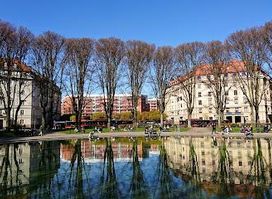
The museum occupies a block-like complex of joined buildings with a fortress-like presence on Narvavägen; its austere façade and sculpted reliefs give the exterior a restrained, monumental feel that prepares you for the historical sweep inside.The building surrounds an inner courtyard with a shallow pool and sculptural details; internally the museum alternates roomy gallery halls for long-term displays with adaptable spaces for temporary exhibitions, creating a rhythm of intimate showcases and larger, communal rooms.Treasures, everyday objects and the Golden Room
Collections range from fine metalwork and jewellery to mundane tools and household items that together map social change across millennia. The museum’s Gold Room is a highlight: cases of intricately worked Romanesque and Viking-age gold and silver that illustrate craftsmanship, trade and connections across the Baltic and beyond.Displays emphasize tangible, catalogued finds — hoards, weapons, runic stones and ecclesiastical art — arranged to let you follow technological, artistic and ritual shifts through time.Vikings and lives unearthed
One of the museum’s longest-running strengths is its Viking material: ships’ equipment, weapons, personal items and rune-inscribed objects that provide both dramatic spectacle and detailed evidence of everyday life, travel and belief systems.Interpretive panels and reconstructed settings are used to place those finds in context; the effect is both archaeological and human, revealing networks of trade, conflict and cultural exchange rather than treating objects as isolated curiosities.Family programmes, workshops and sensory engagement
The museum runs hands-on activities and child-friendly events that invite participatory learning, from rune workshops to family trails; these practical programmes make the collections accessible to younger visitors without diminishing the scholarly content.Exhibition design uses varied lighting, textures and display heights so objects are visible at multiple scales — close-up cases for detailed study and broader panoramas that let groups gather and discuss.Curatorial balance: chronology and thematic displays
Permanent galleries are arranged largely in chronological sequence so you can track Sweden’s material culture through time, while thematic rooms explore subjects such as religion, power and everyday economy across eras. Rotating exhibitions allow the museum to spotlight recent research, new finds or contemporary perspectives on history.This curatorial structure supports both quick visits and deeper study: you can move through key periods in under an hour or linger on specific epochs and artefacts for much longer.Visitor facilities and contextual services
The entrance level contains ticketing, a cloakroom with secure lockers and a museum shop stocked with publications and replica items; a café serves straightforward lunches and snacks timed to regular opening hours. Accessibility features include designated accessible parking and level access points near the main stair, though some older floors maintain historic finishes that can create textured surfaces underfoot.Overall the museum presents a measured, museum-first experience: an emphasis on objects and scholarship delivered through clear, often hands-on interpretation that suits first-time visitors, families and anyone curious about Sweden’s archaeological and cultural past.












Your all‑in‑one travel companion app
Explore expert travel guides, compare and book tours, experiences, hotels, and more—all from the palm of your hand. Download now for seamless trip planning wherever your wanderlust takes you.


Explore More of Narke
Looking beyond Swedish History Museum? Discover Narke for broader travel guides, local hot-spots, and regional highlights.
Explore Narke