Munktell Museum, Narke Travel Guide
Hands-on industrial history in Munktellstaden — tractors, engines and interactive exhibits that connect past engineering with modern innovation.
Housed in the heart of Munktellstaden, the Munktell Museum traces nearly two centuries of Swedish industrial ingenuity through an extensive collection of tractors, engines and construction machines. Family-friendly and hands-on, the museum blends restored historic machinery with modern interactive exhibits—VR experiences, climb-aboard displays and a small café—making it a lively stop for anyone curious about engineering, local industrial heritage and Volvo Construction Equipment’s roots.
A brief summary to Munktell Museum
- Munktellsgatan 3, Eskilstuna, 633 43, SE
- Click to display
- Click to display
- Duration: 1 to 3 hours
- Mid ranged
-
 Mixed
Mixed
- Mobile reception: 4 out of 5
- Monday 10 am-4 pm
- Tuesday 10 am-4 pm
- Wednesday 10 am-4 pm
- Thursday 10 am-4 pm
- Friday 10 am-4 pm
- Saturday 11 am-4 pm

Know before you go
Hi, I'm Eve. Here are a few practical things to know before exploring Munktell Museum.
- Allow at least 1.5–2 hours to see the main halls and try the interactive exhibits; families with children may want longer.
- The museum café serves simple baked goods and coffee during opening hours—ideal for a quick fika between galleries.
- Bring layers: large industrial halls can feel cool inside even on mild days, and outdoor yards are exposed to wind.
- Look for exhibit labels that point out mechanical features such as articulated steering and steam-era power trains—these reveal design progressions.
Do you manage this location?
Take control to get all the benefits, like improved information, better appearance, and stronger visibility across AI-powered discovery. Learn more about listing your business on Evendo
Activate your presenceOther nearby places you may find interesting
The closest places of the same kind, if this one is not quite what you had in mind.
Explore Munktell Museum on the Map
A handpicked selection of must-see spots near Munktell Museum, mapped for you.
Getting There
-
Regional bus
Regional bus service from Eskilstuna central interchange: 10–20 minutes depending on route and traffic; services typically run every 15–30 minutes during daytime on weekdays and somewhat less frequently on weekends; single-trip fares generally fall in the local public-transport range (approximately SEK 35–60 per adult depending on ticket type); buses may not stop immediately at the museum entrance so expect a short paved walk over roughly 1–1.5 km from main stops and check schedules for weekend variations.
-
Train + walk
Regional train arrival into Eskilstuna station plus a walk: trains from nearby cities take 15–40 minutes depending on origin; from Eskilstuna station the museum is about 1.2 km away and the pedestrian route crosses urban streets and rivers with level pavements; total transit time typically 25–45 minutes including walking; trains require a purchased ticket (regional fares vary by operator and journey length).
-
Car
Driving from within Eskilstuna: 5–12 minutes from central districts depending on traffic; nearby municipal parking is available (there is a larger parking area in Munktellstaden with several hundred spaces about 300 metres from the museum) but availability varies during events; expect paid parking in nearby lots and check signage for charges and time limits; narrow historic streets and pedestrianised zones may limit drop-off options.
For the on-the-go comforts that matter to you
-
 Restrooms
-
 Drink Options
-
 Food Options
-
 Seating Areas
-
 Information Boards
-
 Visitor Center
Discover more about Munktell Museum
The site where industry became community
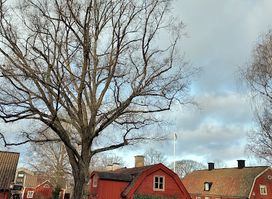
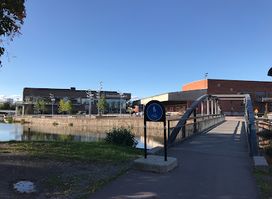
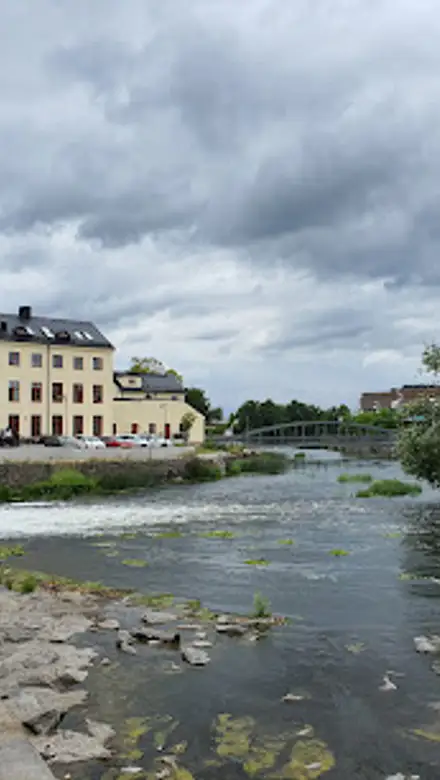
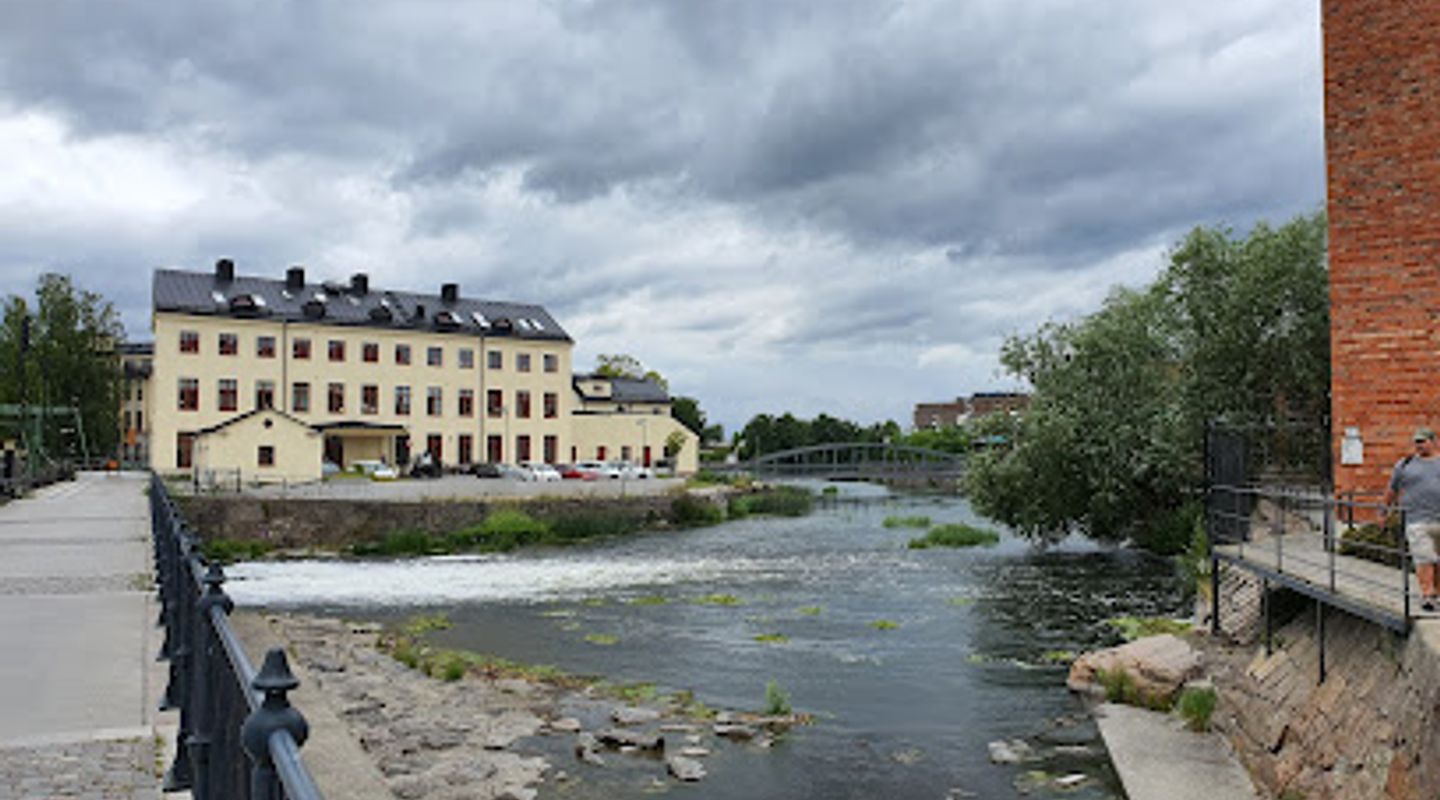
The Munktell Museum occupies a cluster of former factory buildings in Munktellstaden, the industrial quarter where Johan Theofron Munktell founded his workshops in the 19th century. Much of the museum’s character comes from that setting: high brick walls, utilitarian window rhythms and the sense of production history built into the yards and courtyards. Objects on display—steam engines, early tractors and wheel loaders—sit in conversation with the fabric of the place, so the building itself reads as part of the story rather than as a neutral box.The machines and the stories they carry
The collection spans early steam-driven prototypes through landmark tractors and the heavy equipment that later tied Munktell to Volvo Construction Equipment. Exhibits are arranged to show technological shifts: power sources, transmission systems, steering solutions and the incremental improvements in operator comfort. Notable items include early agricultural tractors and pioneers of articulated steering; many machines retain the patina of long working lives and bear the stamped identity marks of their makers, which helps visitors trace manufacturing techniques and design changes across decades.Interactivity and a modern curatorial approach
Unlike a traditional display of fragile objects behind glass, the museum encourages touch, climbing and exploration where safe: driver’s seats are accessible on selected machines and some interactive stations let you try simplified controls or VR simulations. A recent addition highlights contemporary engineering and innovation, pairing archival pieces with hands-on experiences such as a miniature excavator simulator and immersive imagery that link historic craft to present-day technology. This mix keeps the narrative dynamic—history presented through doing as well as seeing.Family focus and learning programmes
Munktell places families and young visitors at the centre of its offer. Child-focused exhibits, tactile labels and opportunities to sit in cabs make mechanical history tangible for smaller visitors. Educational programmes range from guided thematic tours to workshop-style activities that explain mechanical principles—gears, levers and hydraulics—using real-world examples drawn from the collection. The layout and exhibit language are intended to be approachable without oversimplifying the machines’ engineering significance.Facilities, events and community use
The museum features a modest café and a shop offering scale models, books and mementos, both housed in renovated industrial rooms that retain original features. Year-round events—seasonal markets, family days and occasional temporary exhibitions—use indoor halls and outdoor yards, transforming the site into a social hub. Meeting rooms and larger spaces are also available for conferences and catered events that take advantage of the museum’s unusual ambience: industrial historicity combined with contemporary visitor facilities.Why the Munktell Museum matters
Beyond collections and interactives, the museum acts as a living archive of regional industrial development and design thinking. It preserves the machinery that shaped agricultural and construction practices in Sweden while illustrating broader themes—mechanisation, workforce change and corporate evolution—through machines that people can examine up close. The result is a place where engineering, local identity and public engagement align, offering a concrete way to experience the technical history behind modern construction equipment.












Your all‑in‑one travel companion app
Explore expert travel guides, compare and book tours, experiences, hotels, and more—all from the palm of your hand. Download now for seamless trip planning wherever your wanderlust takes you.


Explore More of Narke
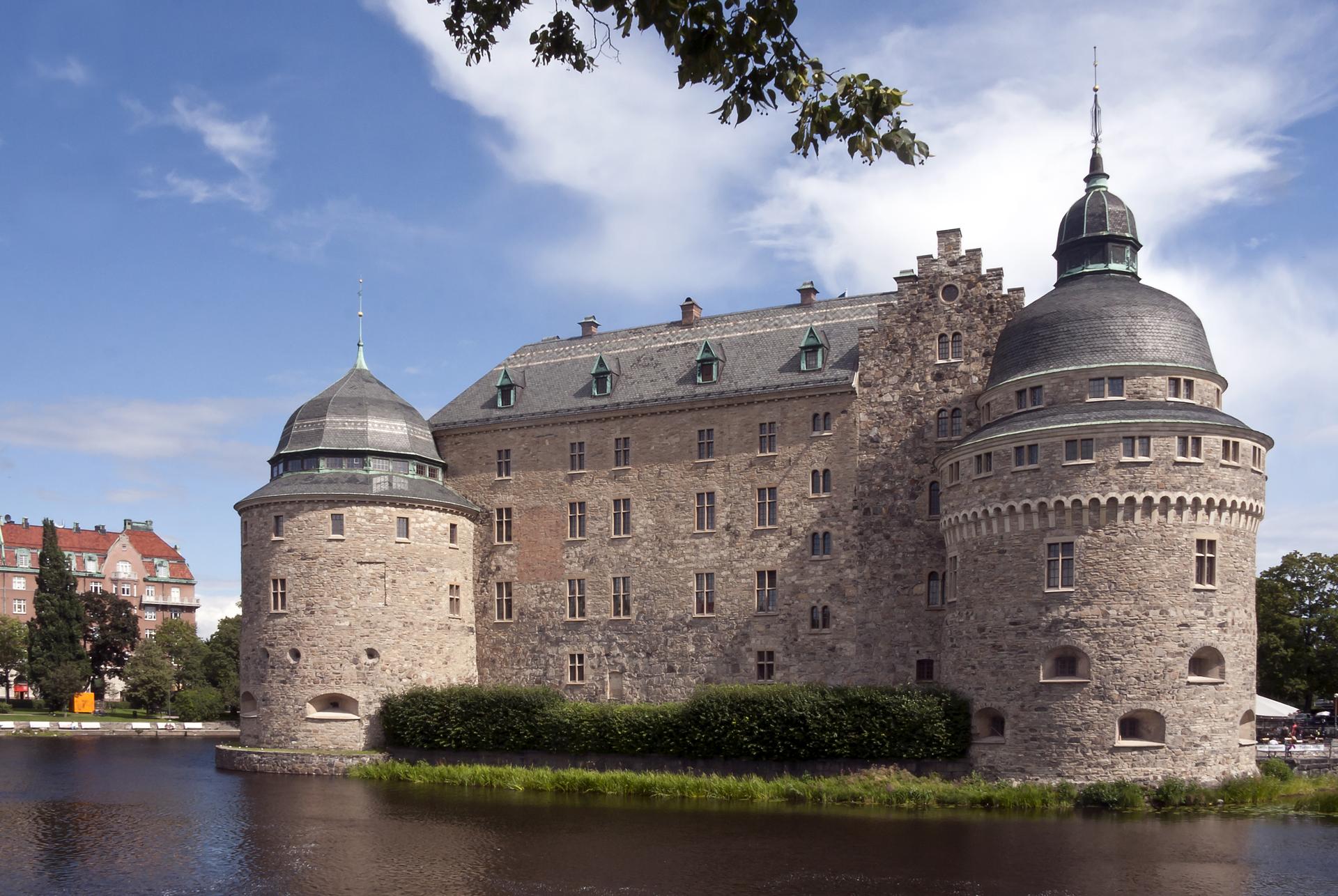
Looking beyond Munktell Museum? Discover Narke for broader travel guides, local hot-spots, and regional highlights.
Explore Narke