

Öbacken-Bränninge Travel Guide
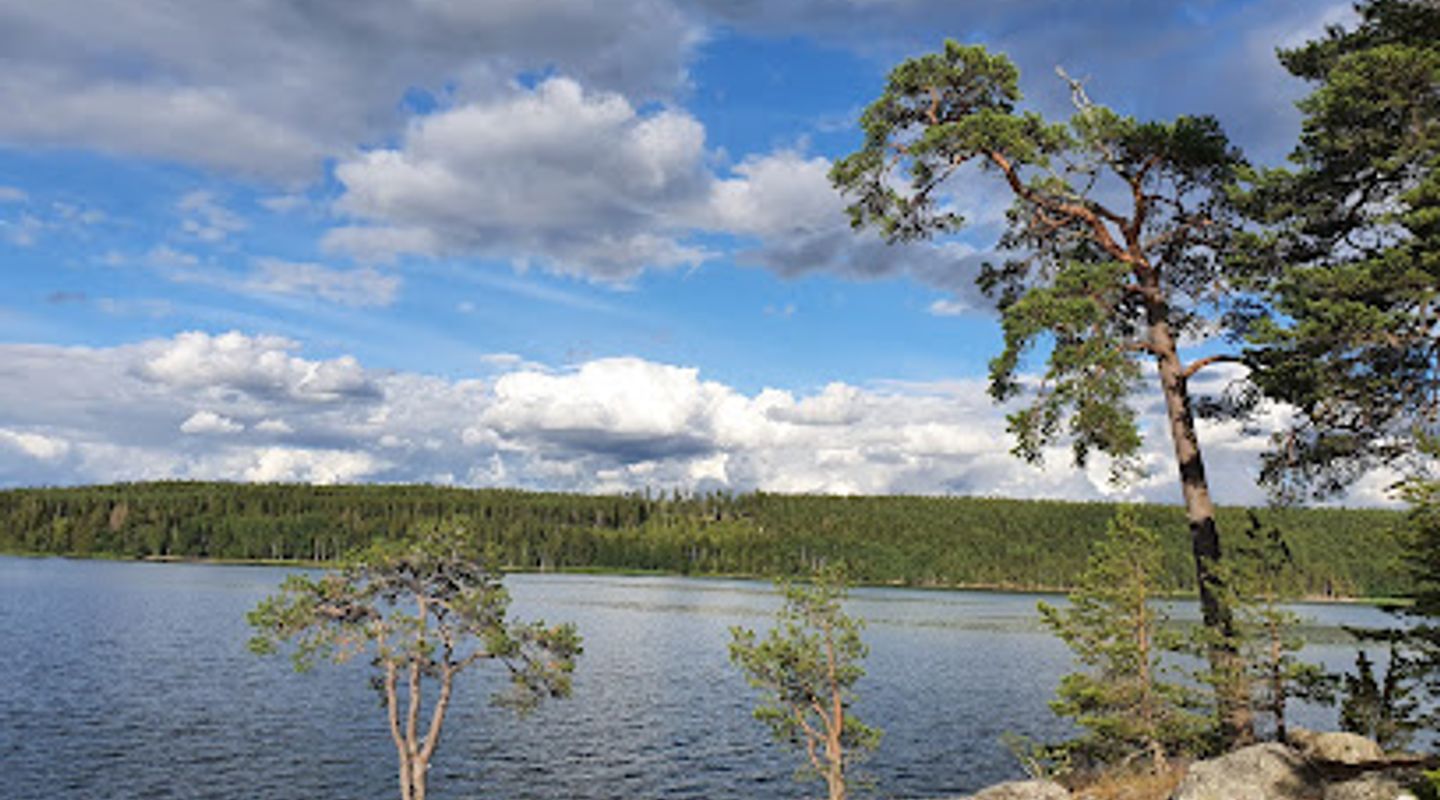
Free Guide: A small but varied municipal reserve of veteran trees, meadow flora and dead‑wood habitats with a short climb to a waterside outlook.


A brief summary of Öbacken-Bränninge
A small but varied municipal reserve of veteran trees, meadow flora and dead‑wood habitats with a short climb to a waterside outlook.
A compact municipal nature reserve on a wooded hill and adjacent grazed meadow just south of Pershagen in Södertälje, Öbacken–Bränninge offers old coniferous and mixed woodland, a species-rich traditional pasture and short trails to an outlook over Hallsfjärden. Protected since the early 1990s, the reserve is prized for its dead‑wood habitats, rare fungi and spring flowers — an intimate green space for short walks, nature study and quiet seasonal change.
On-site amenities
 Seating areas
 Information boards
 Trash bins
Opening hours
- Every dayOpen 24 hours
Opening hours as listed on the venue’s Google Business Profile. Hours can change for services and special events, so check with the venue before you go.
- Address
- 151 39 Södertälje
- Website
Getting there
Local bus and short walk
Car drop‑off and short walk
Bicycle
Discover more about Öbacken-Bränninge
The landscape on a small scale
Öbacken–Bränninge is a compact, carefully preserved patchwork of habitats concentrated on a wooded hill and a neighbouring hagmark (grazed meadow). The reserve occupies roughly 24–25 hectares and is defined by an older conifer stand on the hill, mixed deciduous fringes and a low-intensity pasture that retains the structure of an older cultural landscape. Combined, these elements create a sequence of high stumps, standing dead wood and open grassland within a short walk of each other, so the reserve feels varied and concentrated rather than vast.
Nature of scientific and educational interest
The site’s ecological value focuses on species that favour mature trees and decaying wood as well as plants that thrive in traditionally grazed meadows. The west slope of the hill has pockets of broadleaved trees and damp micro-sites where uncommon fungi and invertebrates find refuge. The pasture below preserves a low-intensity grazing history and supports a flora typical of hedged, well‑managed fields; seasonal blooms and grassland indicator plants are visible in spring and early summer. The mosaic of habitats makes the reserve well suited to natural‑history study and small-group outdoor teaching.
Character of the visit
Visitors enter a calm, intimate landscape in which the textures of bark, moss and meadow flowers are close at hand. Stands of veteran pines and spruces alternate with areas of wind‑thrown and standing dead wood, giving the forest an unmanicured, ancient quality. A short footpath climbs the hill to a modest viewpoint: from here, glimpses open toward Hallsfjärden and the inlet toward Södertälje. The experience is sensory — the smell of resin and leaf litter, the sound of distant water and birdcalls — rather than panoramic or engineered.
Cultural traces and management aims
Although primarily a nature reserve, traces of past human management are visible in the grazed meadow and the way paths skirt the steepest slopes. Management aims focus on preserving the area as a near‑urban green space while protecting botanical and fungal values: limiting heavy forestry operations, preventing overgrazing that would damage sensitive ground flora, and avoiding infrastructure that would fragment habitats. The reserve is municipally owned and managed with conservation and local recreation in mind.
Seasonal highlights and wildlife hints
Seasons alter the reserve’s mood. Early spring brings ephemeral wildflowers and fresh-green contrasts in the meadow; summer emphasizes insect life among the dead wood; autumn deepens the forest’s colour and scent; winter exposes the skeletal forms of veteran trees against pale skies. The abundance of dead wood makes the area especially valuable for saproxylic (wood‑dependent) fungi and invertebrates; small birds and occasional larger species use the mixed structure for nesting and foraging.
What to expect on a short visit
Expect an easy, compact walk rather than a long hike: short, unpaved trails link the hilltop and the pasture, with uneven ground in places and natural steps formed by roots and bedrock. The reserve’s modest size means you can sample several habitat types within an hour, making it ideal for a focused nature stop, a brief study session with a group or a quiet moment away from suburban edges. The atmosphere is quietly wild — intimate, textural and centred on the living past of trees and grasslands.
Evendo Review Centre
 Google
Guest reviews
Best time to go
Quietest: Jan, Feb & Dec · before 6am or at 9pm
Busy times are Evendo estimates for a typical year, to help you plan. Actual crowds vary with events, school holidays and the weather.
Explore Öbacken-Bränninge on the map
A handpicked selection of must-see spots near Öbacken-Bränninge, mapped for you.
Get your free copy of our complete guide to Öbacken-Bränninge, delivered straight to you.
Everything on this page, from opening hours and how to get there to Eve’s tips and the best time to go, in one PDF you can read offline, print or share.
Already have an account? Sign in
Your Öbacken-Bränninge guide is ready.
We'll send it to · Not you? Sign out

Getting your guide ready…
We are putting together a fresh copy of the Öbacken-Bränninge guide. This can take up to a minute.
This can take a few moments. If your browser asks, choose Allow so the download can start. You'll find the guide in your Downloads folder.
Nothing happened? Download it again
Sorry, the guide is taking longer than usual. Please try again in a minute, or get it by email instead.
Other nearby places you may find interesting
The closest places of the same kind, if this one is not quite what you had in mind.
-
-
-
-
-


Swipe for more places
More to explore near Öbacken-Bränninge

 Best experiences near Öbacken-Bränninge
 Best hotels near Öbacken-Bränninge
 Best landmarks near Öbacken-Bränninge
 Best attractions near Öbacken-Bränninge
 Best shops near Öbacken-Bränninge
 Best restaurants near Öbacken-Bränninge
 Best bars near Öbacken-Bränninge
Do you manage this location?
Take control to get all the benefits, like improved information, better appearance, and stronger visibility across AI-powered discovery.
Explore more
Explore more of Närke
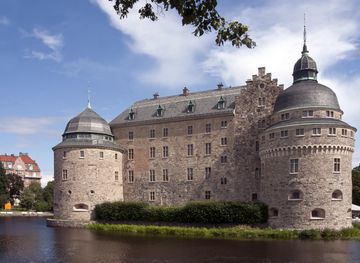
Discover Närke, Sweden's heartland, where natural beauty meets rich history and vibrant culture, offering a tranquil yet enriching experience for every traveler.
Explore Närke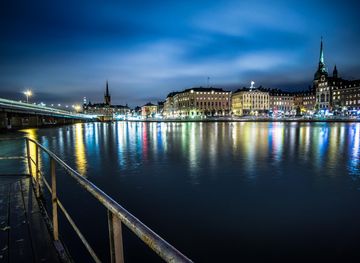
Explore more of Sweden
Discover Sweden's breathtaking landscapes, vibrant cities, and rich cultural heritage. From the Northern Lights to historic castles, experience the essence of Scandinavia.
Explore Sweden
