Säfstaholms slott Travel Guide
Free Guide: A restrained neoclassical castle with 17th‑century origins, refined 19th‑century interiors and parkland that frames a long cultural legacy in Vingåker.


A brief summary of Säfstaholms slott
A restrained neoclassical castle with 17th‑century origins, refined 19th‑century interiors and parkland that frames a long cultural legacy in Vingåker.
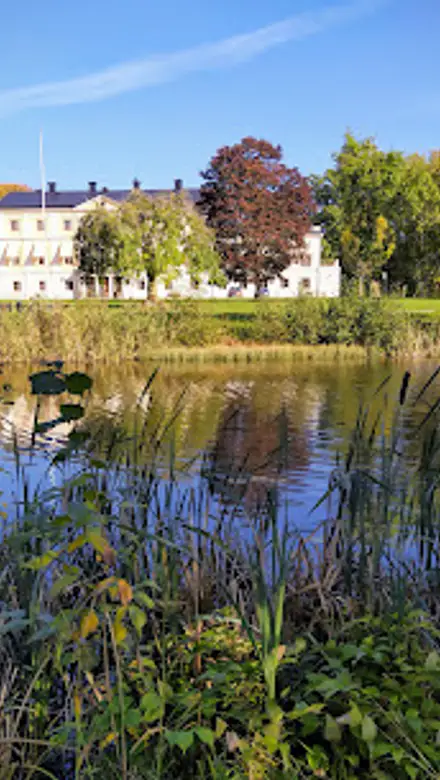
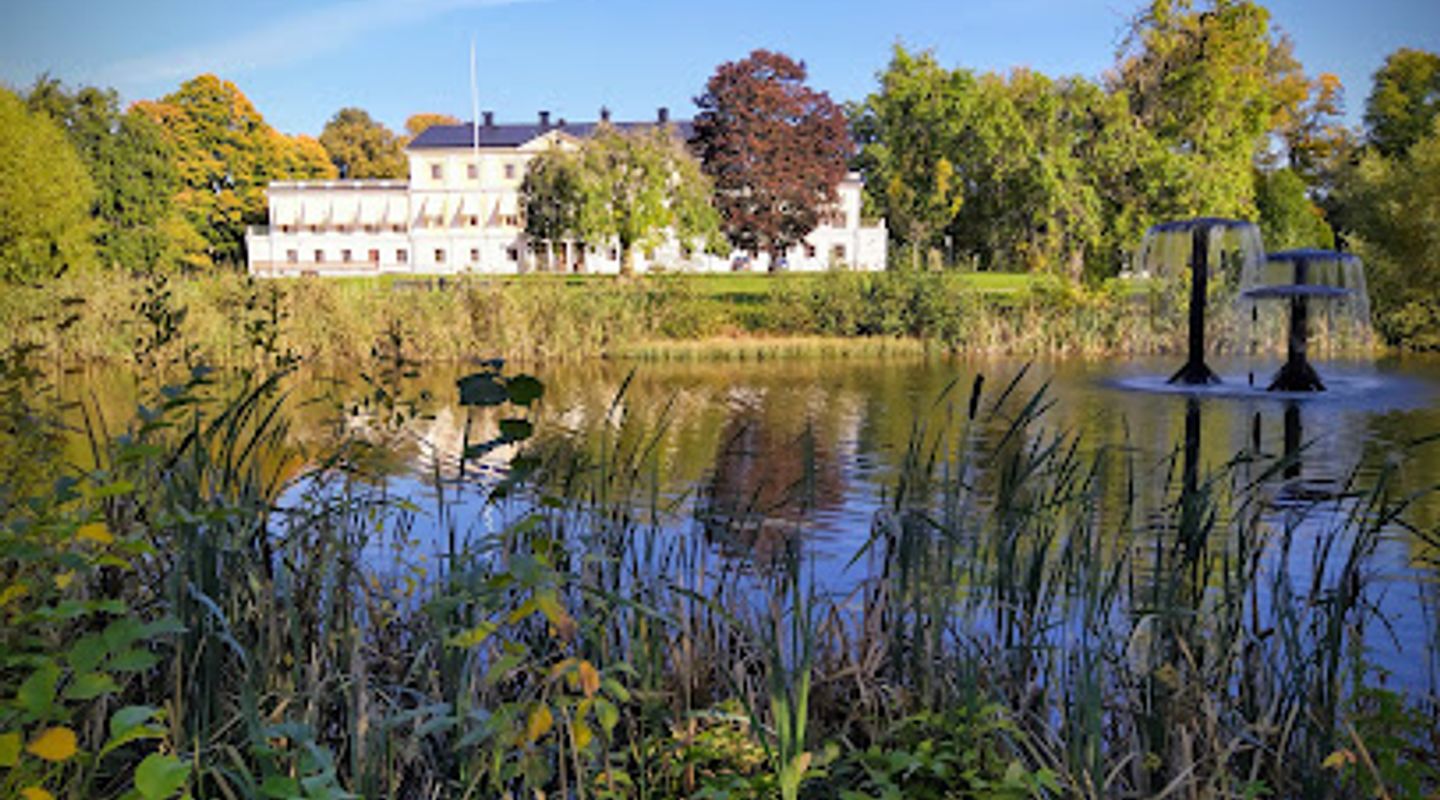
Säfstaholms slott is a 17th‑century manor‑turned‑castle in Vingåker, Södermanland, known for its restored neoclassical rooms, an important local art and book collection legacy and 19th‑century parkland. The municipal‑owned estate contains museum displays on the region’s costume and cultural history, hosts seasonal exhibitions and concerts, and sits within broad lawns and ponds that frame the castle’s dignified façade.
On-site amenities
 Restrooms
 Seating areas
 Information boards
 Visitor centre
 Picnic areas
 Trash bins
Opening hours
- Every day11 am–4 pm
Opening hours as listed on the venue’s Google Business Profile. Hours can change for services and special events, so check with the venue before you go.
- Address
- Säftaholms slott, Henalavägen 1, 643 30 Vingåker
- Phone
- Website
Getting there
Regional bus
Car
Bicycle
Discover more about Säfstaholms slott
Ancestral beginnings and architectural roots
Säfstaholms slott traces its origins to early manor houses on this site in the 16th and 17th centuries and was rebuilt as a substantial stone residence in the mid‑1600s. The form that survives owes much to large 18th‑ and 19th‑century remodelling: after a destructive fire in 1762 the buildings were repaired, and a major reconfiguration in the early 1800s introduced the neoclassical lines and interior schemes associated with the estate’s most famous owner, a cultured count whose taste shaped the house and grounds.
The collection and the castle’s cultured phase
During the 19th century Säfstaholm became notable as a centre for art, books and music; an extensive private collection filled the main reception rooms and a bespoke music salon was created for concerts and social life. Many of those historic display spaces have since been conserved or sympathetically restored so visitors can sense the atmosphere of a landed family’s cultural life: ornate plasterwork, tall windows and rooms arranged for music, reading and display.
Parks, ponds and designed landscape
The castle is set within a broad parkland that was reshaped in the 1800s into a landscape of specimen trees, formal vistas and water features. The approach and forecourt are punctuated by ponds and alleys planted with conifers and lindens from the period, while stretches of open lawn and remnant orchard recall the estate’s practical and ornamental functions. These grounds create a calm setting that frames the building and provides seasonal interest from snow to high summer greenery.
Museum displays and temporary exhibitions
Today the site operates partly as a local museum: carefully curated displays present the region’s dress traditions, local crafts and aspects of rural life along with objects from the old private collection. The castle also programmes temporary exhibitions, music events and family activities; gallery spaces and cabinet rooms are used for rotating themes that link local history with wider cultural stories from the 18th and 19th centuries.
Character and visitor experience
The house combines formal, museum‑style rooms on the principal floor with quieter, museum‑cabinets on the second floor where costume and regional objects are shown. Interiors favour a restrained neoclassical palette—high ceilings, plaster cornices and period furnishings—contrasting with the open expanse of lawns and mirror‑like ponds outside. The ambience is contemplative and museum‑focused, making it suitable for visitors interested in architecture, social history and historic interiors.
Stewardship, conservation and local role
Owned and managed at municipal level, the castle functions as a cultural hub for Vingåker: it combines conservation responsibilities with active programming and community uses. That dual role shapes decisions about exhibitions, maintenance and events, and keeps the site tied to local identity while preserving its historical fabric for future interpretation.
Evendo Review Centre
 Google
Guest reviews
Best time to go
Quietest: Jan, Feb & Mar · before 8am or from 7pm
Busy times are Evendo estimates for a typical year, to help you plan. Actual crowds vary with events, school holidays and the weather.
Explore Säfstaholms slott on the map
A handpicked selection of must-see spots near Säfstaholms slott, mapped for you.
Get your free copy of our complete guide to Säfstaholms slott, delivered straight to you.
Everything on this page, from opening hours and how to get there to Eve’s tips and the best time to go, in one PDF you can read offline, print or share.
Already have an account? Sign in
Your Säfstaholms slott guide is ready.
We'll send it to · Not you? Sign out

Getting your guide ready…
We are putting together a fresh copy of the Säfstaholms slott guide. This can take up to a minute.
This can take a few moments. If your browser asks, choose Allow so the download can start. You'll find the guide in your Downloads folder.
Nothing happened? Download it again
Sorry, the guide is taking longer than usual. Please try again in a minute, or get it by email instead.
Other nearby places you may find interesting
The closest places of the same kind, if this one is not quite what you had in mind.
-
-
-
-
-


Swipe for more places
More to explore near Säfstaholms slott

 Best experiences near Säfstaholms slott
 Best hotels near Säfstaholms slott
 Best landmarks near Säfstaholms slott
 Best attractions near Säfstaholms slott
 Best shops near Säfstaholms slott
 Best restaurants near Säfstaholms slott
 Best bars near Säfstaholms slott
Do you manage this location?
Take control to get all the benefits, like improved information, better appearance, and stronger visibility across AI-powered discovery.
Explore more
Explore more of Närke
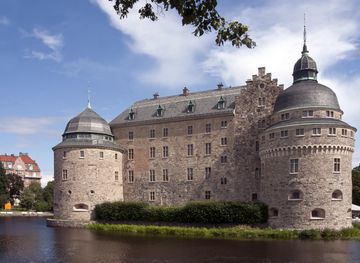
Discover Närke, Sweden's heartland, where natural beauty meets rich history and vibrant culture, offering a tranquil yet enriching experience for every traveler.
Explore Närke
Explore more of Sweden
Discover Sweden's breathtaking landscapes, vibrant cities, and rich cultural heritage. From the Northern Lights to historic castles, experience the essence of Scandinavia.
Explore Sweden