

Ullavi klint, Narke Travel Guide
A compact Kilsbergen escarpment reserve where limestone cliffs, a hillfort ruin and sun-warmed microhabitats combine into a vivid slice of Närke nature.
Ullavi klint is a compact nature reserve on the eastern escarpment of the Kilsbergen ridge near Örebro, Sweden, known for steep limestone-influenced cliffs, a small iron-age hillfort ruin on the summit and sweeping views across the Närkeslätten. The reserve combines mixed coniferous and deciduous woodland, sun-warmed rock ledges with calciphile plants and a suite of warmth-loving insects and small mammals, offering a brief but concentrated taste of regional natural and cultural history.
A brief summary to Ullavi klint
- Örebro, 705 92, SE
- Click to display
- Duration: 0.5 to 2 hours
- Free
-
 Outdoor
- Mobile reception: 4 out of 5

Know before you go
Hi, I'm Eve. Here are a few practical things to know before exploring Ullavi klint.
- Wear sturdy footwear—approaches include steep, uneven rock and short climbs over rocky ground.
- Bring a field guide or app for calcareous plants; spring flowers and specialist herbs are most obvious in early season.
- Respect fragile cliff flora and archaeological remains: avoid trampling ledge vegetation and do not climb on exposed ruins.
Do you manage this location?
Take control to get all the benefits, like improved information, better appearance, and stronger visibility across AI-powered discovery. Learn more about listing your business on Evendo
Activate your presenceOther nearby places you may find interesting
The closest places of the same kind, if this one is not quite what you had in mind.
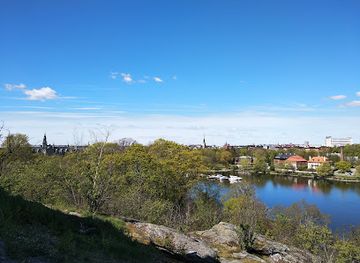
Explore Ullavi klint on the Map
A handpicked selection of must-see spots near Ullavi klint, mapped for you.
Getting There
-
By car
Private car is the most direct option from Örebro: typical drive time is 20–30 minutes depending on traffic; terrain near the reserve includes narrow rural lanes and limited informal roadside parking—parking may be on a small pull-out or verge and can be constrained during busy periods; there is no parking fee.
-
Regional bus + walk
Take a regional bus serving the Örebro–Kil corridor (service frequency varies; daytime services typically run several times daily) with a 15–25 minute ride to the nearest village; from the local stop expect a 25–40 minute walk over country roads and uneven paths to reach the reserve; check the local bus timetable for seasonal service changes and note that last services may be early in the evening.
-
Bicycle
Cycling from nearby communities is practical: allow 40–70 minutes depending on start point and fitness; approach uses quiet rural roads and short unpaved tracks—terrain includes short climbs and some loose gravel so hybrid or gravel bikes are recommended; there are no staffed bike facilities at the reserve.
For the on-the-go comforts that matter to you
-
 Seating Areas
-
 Information Boards
-
 Trash Bins
Discover more about Ullavi klint
Landscape and geological character of the escarpment
Ullavi klint sits where the Kilsbergen fault scarp drops into the flat Närkeslätten, producing a steep, rocky face and a narrow crest that defines the reserve’s silhouette. The bedrock and thin, lime-rich soils on the branter (cliffs and ledges) favour calciphile plants that stud the sunlit outcrops and small grass-like openings. The combination of exposed rock, shallow soils and woodland margins creates a mosaic of habitats concentrated within a relatively small protected area.Plants of the warm cliffs
On the south- and east-facing rock plates you’ll find flora more typical of calcareous sites: spring ephemerals and herbs that exploit the brief, warm season on exposed stone. Blue anemone and early-appearing woodland species mingle with grasses and rare, meadow-like pockets where herbs such as woundwort and species associated with base-rich ground appear. At the tree line, stands of spruce and pine mix with hazel, dogwood and other broadleaved shrubs, producing layered light conditions that support diverse understorey vegetation.Wildlife and special inhabitants
The warm, sheltered branter attract heat-seeking invertebrates and small vertebrates. Beetles that favour sunlit dead wood and warm slopes, as well as bumblebees and other pollinators on the cliffside blooms, are part of the site's character. Small mammals adapted to dense shrub and edge habitats may be encountered, and the variety of microhabitats—rock crevices, sun-exposed ledges and shaded forest—supports a wider assemblage than the reserve’s modest area might suggest.Archaeology on the summit: the hillfort remains
At the top of the klint are visible traces of an ancient fortification: a low defensive wall and terraced areas that mark human use in past centuries, probably dating to the Iron Age. The ruin is modest but evocative; its position takes full advantage of the natural defensibility of the escarpment and provides an immediate sense of landscape continuity between cultural history and the natural vantage point it occupies.How the reserve feels to the visitor
Walking the reserve is an exercise in contrasts: the exertion of ascending a steep path or rocky slope gives way to sudden panoramas over the flat plains below. On warm, still days the rock faces radiate heat and smells of sun-warmed pine and dry grass carry across the crest. The reserve is compact, so the experience is concentrated—brief exploration reveals geology, botany and archaeology in quick succession rather than over long distances.Conservation, size and management context
Ullavi klint is a small, formally designated nature reserve created to protect the unique mix of calciphile vegetation, its warm-cliff fauna and the cultural remains on the hilltop. Ownership and management are shared between state and private landholders under regional conservation oversight. Because habitat patches are small and specialised, management prioritises preserving the open, sunlit ledges, veteran trees and preventing scrub overgrowth where that would shade the calcareous microhabitats.












Your all‑in‑one travel companion app
Explore expert travel guides, compare and book tours, experiences, hotels, and more—all from the palm of your hand. Download now for seamless trip planning wherever your wanderlust takes you.


Explore More of Narke
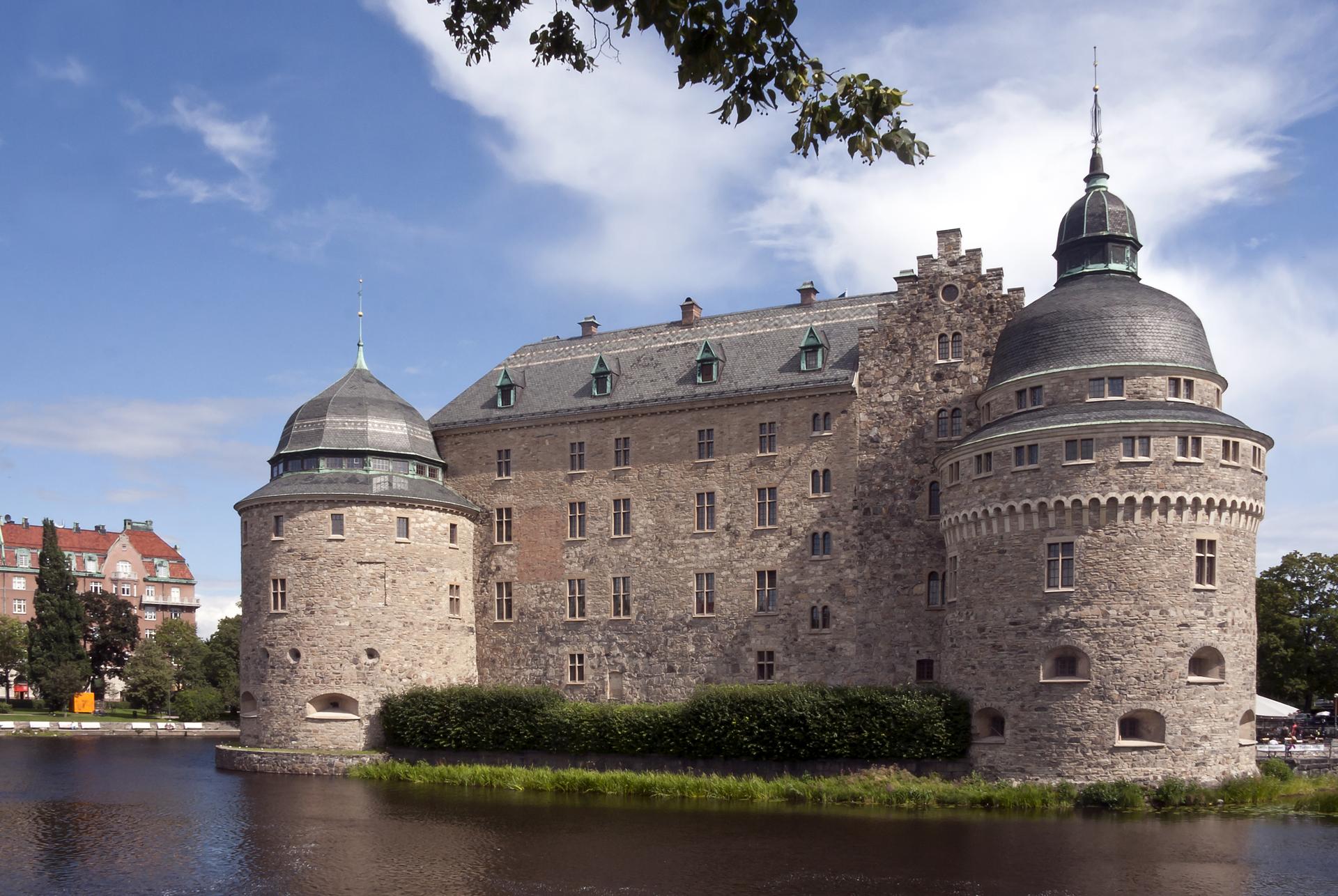
Looking beyond Ullavi klint? Discover Narke for broader travel guides, local hot-spots, and regional highlights.
Explore Narke
A calm neighbourhood green in Örnsro commemorating Torsten Ehrenmark, ideal for short rests, dog walks and quiet reflection.
Family-run oasis at Kilsbergen's base: spa indulgences, craft beers, and festlokaler in Örebro's tranquil countryside embrace.
