Vikbron, Norrland Travel Guide
A rare, 19th‑century all‑timber bridge over the Ljungan — historic engineering set in scenic riverside trails and picnic clearings.
Vikbron is a historic timber bridge spanning the Ljungan river at Fränsta in Ånge municipality. Built in 1887–88 and measuring about 133 m between abutments, the entirely wooden structure is celebrated for its rare construction, riverside setting and surrounding outdoor area with trails, shelters and viewpoints. The site blends industrial-era craft, seasonal river moods and easy on-foot exploration for a relaxed nature stop.
A brief summary to Vikbron
- Fränsta, 841 73, SE
- Click to display
- Click to display
- Duration: 0.5 to 2 hours
- Free
-
 Outdoor
- Mobile reception: 3 out of 5

Know before you go
Hi, I'm Eve. Here are a few practical things to know before exploring Vikbron.
- The bridge itself is for pedestrians: enjoy the timber surface and viewpoints but take care on wet or icy planks.
- Wear sensible footwear if you plan to explore riverbank trails; surfaces can be muddy after rain and uneven near shelters.
- Bring a camera or binoculars for river and birdlife observation—early morning and late afternoon offer the nicest light.
- Respect protected fabric: avoid climbing on fragile structural elements and leave driftwood and historic timbers undisturbed.
Do you manage this location?
Take control to get all the benefits, like improved information, better appearance, and stronger visibility across AI-powered discovery. Learn more about listing your business on Evendo
Activate your presenceOther nearby places you may find interesting
The closest places of the same kind, if this one is not quite what you had in mind.
Explore Vikbron on the Map
A handpicked selection of must-see spots near Vikbron, mapped for you.
Getting There
-
Car
Drive: regional or local roads to the Fränsta area with an on‑site arrival time typically 10–20 minutes from central Fränsta depending on start point; parking areal near the site is small and might be limited at peak weekends, no paid parking required but spaces are informal and may be unavailable during storms or snow season.
-
Regional bus + walk
Public bus: regional bus services serve Fränsta village from larger towns; expect a 10–25 minute bus ride from the nearest larger town with service frequency varying by weekday and season; from the village bus stop allow a 10–20 minute walk along flat trails to reach the bridge—check local timetables for schedules and seasonal reductions.
-
Hiking / on-foot
Walk: include the bridge as part of nearby riverside walking routes such as the local pilgrim or community trails; walking legs to the structure from nearby trailheads typically take 15–45 minutes on mostly flat, sometimes muddy paths with some uneven roots and short slopes—suitable for casual walkers but use sturdy footwear.
For the on-the-go comforts that matter to you
-
 Seating Areas
-
 Sheltered Areas
-
 Picnic Areas
-
 Information Boards
Discover more about Vikbron
An unusually long bridge made of wood
Vikbron was completed in 1888 and is notable for being one of Sweden’s longest bridges built entirely from timber, with a span of roughly 133 metres between the bridge supports. The bridge’s full wooden superstructure and timber foundations make it an uncommon survival of 19th‑century carpentry on a scale more often associated with stone or iron; its construction demonstrates traditional joinery and heavy‑timber engineering adapted to a flowing river environment.How the bridge sits in the landscape
The bridge crosses the Ljungan where the river widens toward Torpsjön, and the result is a sequence of fast water, reflective pools and reed‑lined banks that change character through the year. From the bridge you can watch riffles and eddies sweep downstream, or in high summer hear insect and bird song from the reedbeds; in late autumn and winter the water and bare timber create a more austere, sculptural scene.Historic stories and human effort
Vikbron’s story includes community effort, near‑demolition, extensive restorations and formal protection as a heritage structure. Over the decades the bridge has survived flood damage, heavy seasonal strain and restoration campaigns led by local groups and public agencies; those interventions aimed to preserve both the bridge’s original timber construction and the access it gives to riverside walking routes.What to look for up close
Up close the bridge rewards attention to detail: the heavy beams and plank decking, mortise-and-tenon intersections, and the way iron fixings, if present, are modest compared with the mass of timber. The abutments and piles show evidence of past repairs and of the river’s abrasive power; small lichens and moss cling to sheltered faces, and driftwood lines the piers after spring high water.The wider recreational setting
Vikbron is more than a single structure: the environs include footpaths that run along the riverbanks, simple shelters and grill spots created during rehabilitation projects, and connecting trails that form part of longer pilgrim and local hiking routes. The area makes a compact outdoor destination where short walks, photography and quiet pauses beside the water are the main activities.Seasonal character and visitor experience
The bridge and its approaches present distinct moods by season: rapid, high water and dramatic driftwood in spring; quiet, green riverside life in summer; a palette of ochres and bare timber in autumn; and stark silhouettes of the bridge against pale winter light. Daylight, weather and the river’s level change the acoustic backdrop—from rustling reeds and bird calls to the slow, metallic creak of timber in cold weather—so each visit can feel refreshingly different.












Your all‑in‑one travel companion app
Explore expert travel guides, compare and book tours, experiences, hotels, and more—all from the palm of your hand. Download now for seamless trip planning wherever your wanderlust takes you.


Explore More of Norrland
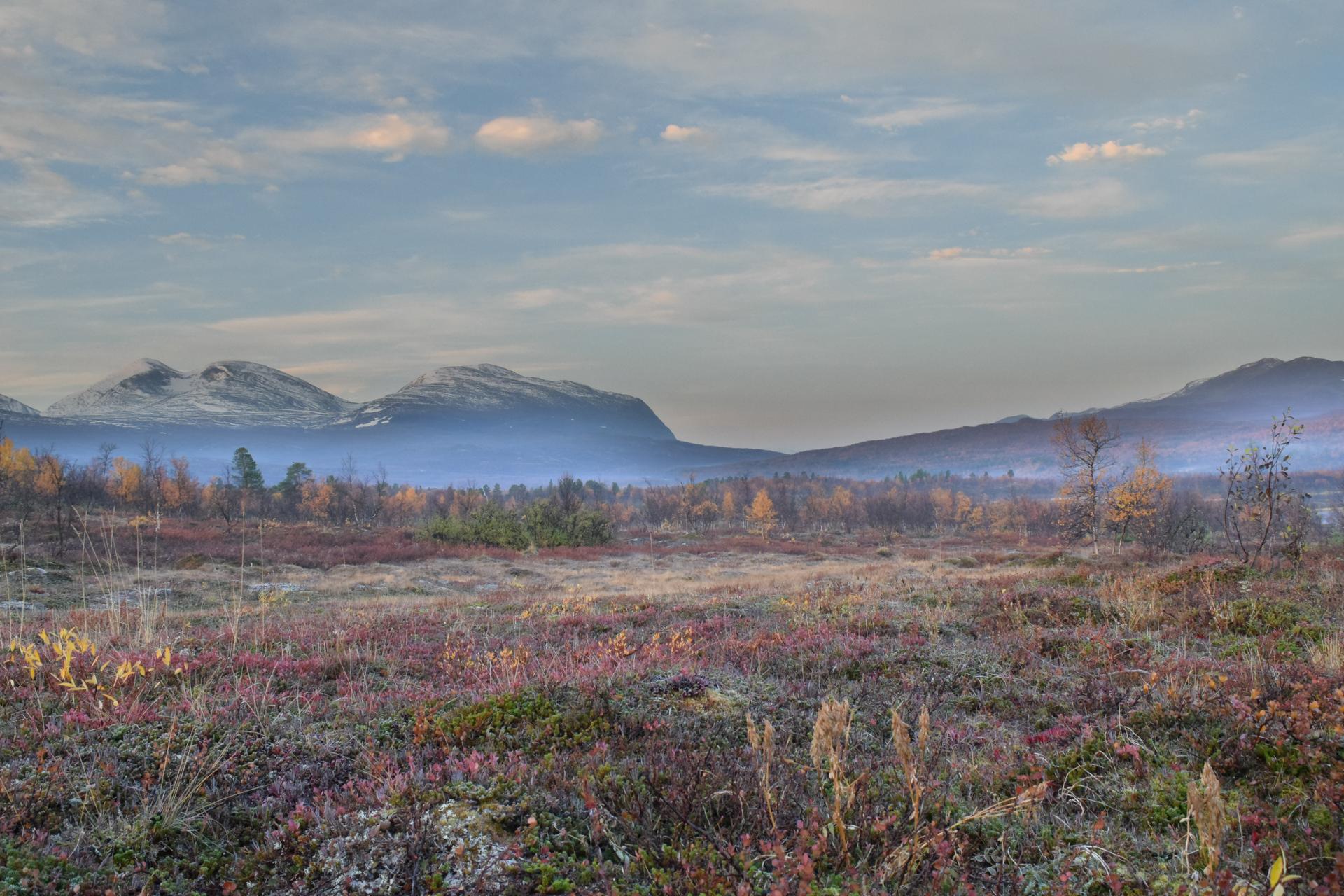
Looking beyond Vikbron? Discover Norrland for broader travel guides, local hot-spots, and regional highlights.
Explore Norrland