Krämartorget, Orebro Travel Guide
A compact, modernist 1960s town square on Söder — Krämartorget’s plain paving and park fragments reflect Örebro’s postwar redesign.
Krämartorget is a rectangular town square on the Söder side of central Örebro, conceived and built in the 1960s as part of a comprehensive postwar renewal that included the Krämaren complex and the Medborgarhuset. The square combines open paved surfaces, a preserved park fragment and modernist detailing; it sits at a high point on Drottninggatan and forms one half of a paired public space with Olof Palmes torg.
A brief summary to Krämartorget
- Örebro, Nikolai, SE
- Duration: 0.25 to 1 hours
- Free
-
 Outdoor
- Mobile reception: 4 out of 5

Know before you go
Hi, I'm Eve. Here are a few practical things to know before exploring Krämartorget.
- Take time to examine the paving grid and sightlines toward Krämaren and Olof Palmes torg to appreciate the original modernist composition.
- Visit in different seasons: planted pockets bring colour in summer while winter light clarifies the square’s geometry.
- If you’re interested in architecture, compare the square with the adjacent Krämaren complex and Medborgarhuset to see the planned ensemble.
Do you manage this location?
Take control to get all the benefits, like improved information, better appearance, and stronger visibility across AI-powered discovery. Learn more about listing your business on Evendo
Activate your presenceOther nearby places you may find interesting
The closest places of the same kind, if this one is not quite what you had in mind.
Explore Krämartorget on the Map
A handpicked selection of must-see spots near Krämartorget, mapped for you.
Getting There
-
Public bus
Regional city buses serve central Örebro; from the main station allow 8–15 minutes travel time depending on service frequency, with short walks across central streets to reach Krämartorget; buses run frequently during daytime but check schedules early morning or late evening for reduced services; a single adult ticket typically costs in the range of SEK 30–45.
-
Tram / Local transit alternative
Örebro relies primarily on buses and local transit connections; from nearby central stops expect a 5–12 minute trip segment plus a 3–6 minute walk across relatively level urban terrain; services vary by time of day and a single-ride fare falls around SEK 30–45 with concession fares for children and seniors.
-
Taxi or ride-hailing
A taxi from Örebro Central Station typically takes 6–12 minutes depending on traffic; taxis are door-to-door and useful when carrying luggage or visiting at night; fares usually range from SEK 80–140 for this short inner-city journey and some providers add booking or night surcharges.
For the on-the-go comforts that matter to you
-
 Seating Areas
-
 Sheltered Areas
-
 Bicycle parking
-
 Information Boards
Discover more about Krämartorget
How the square fits into Örebro’s modernist remaking
Krämartorget was created in the large-scale postwar redevelopment of the Söder neighbourhood when municipal planners and architects replaced dense 18th–19th-century wooden housing with a modern ensemble of shops, housing and civic buildings. The square was laid out at the same time as the Krämaren complex and Medborgarhuset; together these elements form a deliberately open, airy urban composition that contrasts with the older narrow streets of the inner city.The designers placed Krämartorget on a ridge where Drottninggatan changes direction, using the natural rise to give the tiled plaza a sense of prominence. The square’s simple geometry and broad sightlines are typical of mid-20th-century Swedish modernism: generous public space, restrained detailing and an emphasis on civic visibility rather than ornamental flourish.Material character and surviving green traces
The surface of Krämartorget is dominated by expansive paving with a grid-like pattern that was part of the original scheme; patterning and level changes subtly define movement and meeting areas. Although largely paved, the square preserves a fragment of older green space — a reminder of the gardens that once extended across this slope in earlier centuries. Scattered stone elements and planted pockets interrupt the hardscape and give the plaza seasonal colour and texture.Street furniture is modest and functional, reflecting 1960s ideals: benches and low walls that double as informal seating, plus bicycle parking areas added later. In places the original spatial intentions are legible: a clear rectangular plaza adjacent to the Krämaren block and visually connected to Olof Palmes torg to the north, creating an extended civic zone.Architectural neighbours that define the mood
Krämartorget is framed by the Krämaren shopping and residential block, a landmark postwar development with low commercial volumes and twin residential towers; and by later additions such as cycle shelters and modest infill. The Krämaren complex’s textured façades, rooftop gardens and arcade-scale retail give the square both a domestic and commercial feel. From the plaza you can sense the layered history: traces of earlier street lines and the weight of 1960s planning logic that sought daylight, air and public amenity.Materials around the square reflect practical durability: stone, concrete and metal detailing take precedence over decorative finishes. This pragmatic palette helps the space feel civic and neutral, a plain stage for everyday urban life rather than a theatrical setting.The everyday rhythms and sensory impression
Krämartorget reads as a working town square rather than a curated park. On a weekday morning the space feels brisk and practical: footsteps on paving, the occasional hum of deliveries to nearby shops, and the rattle of bicycles at the racks. In summer the planted pockets offer green contrast and the square’s open aspect takes on a warmer, lighter quality; in winter the exposed surface is a cool, airy foreground against the denser city blocks.Acoustically the place is urban but not loud: traffic is present on surrounding streets, voices carry across the open rectangle, and birds use the small trees in the planted areas. The square’s scale and lack of dense planting mean that wind and weather are always part of the experience, accentuating the clear lines of the plaza.Recent adjustments and ongoing role
Over decades small interventions—cycle parking, seating alterations and maintenance—have modified the original scheme without erasing its character. Proposals for additional housing and refurbishment in adjacent blocks have been discussed locally, but the essential role of Krämartorget as a connective civic space remains: it is a local meeting place, a visual pause on Drottninggatan and a surviving example of Örebro’s 1960s urban vision.The square rewards slow looking. Notice the interplay of paving rhythm, the way the Krämaren facades frame sightlines, and the surviving pieces of green that hint at earlier eras. For anyone interested in urban history, modernist planning or the everyday choreography of Swedish public space, Krämartorget is a compact case study of mid-century civic design.












Your all‑in‑one travel companion app
Explore expert travel guides, compare and book tours, experiences, hotels, and more—all from the palm of your hand. Download now for seamless trip planning wherever your wanderlust takes you.


Explore More of Orebro
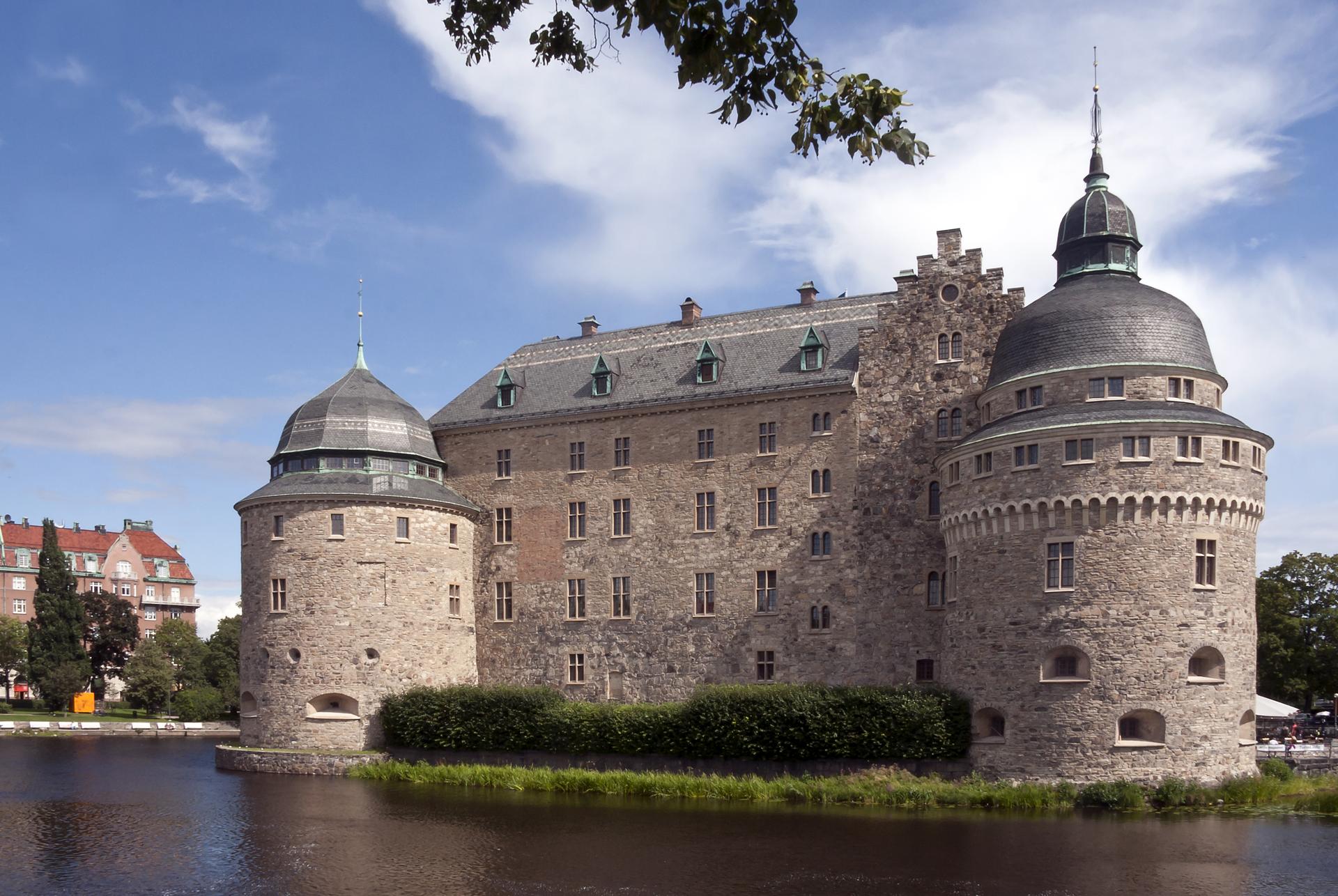
Looking beyond Krämartorget? Discover Orebro for broader travel guides, local hot-spots, and regional highlights.
Explore Orebro