
Nature Reserve Kvismaren, Narke Travel Guide
Discover central Sweden's wetland jewel: Kvismaren's restored marshes teem with 200+ bird species, dramatic migrations, and spring snake gatherings amid serene trails and towers.
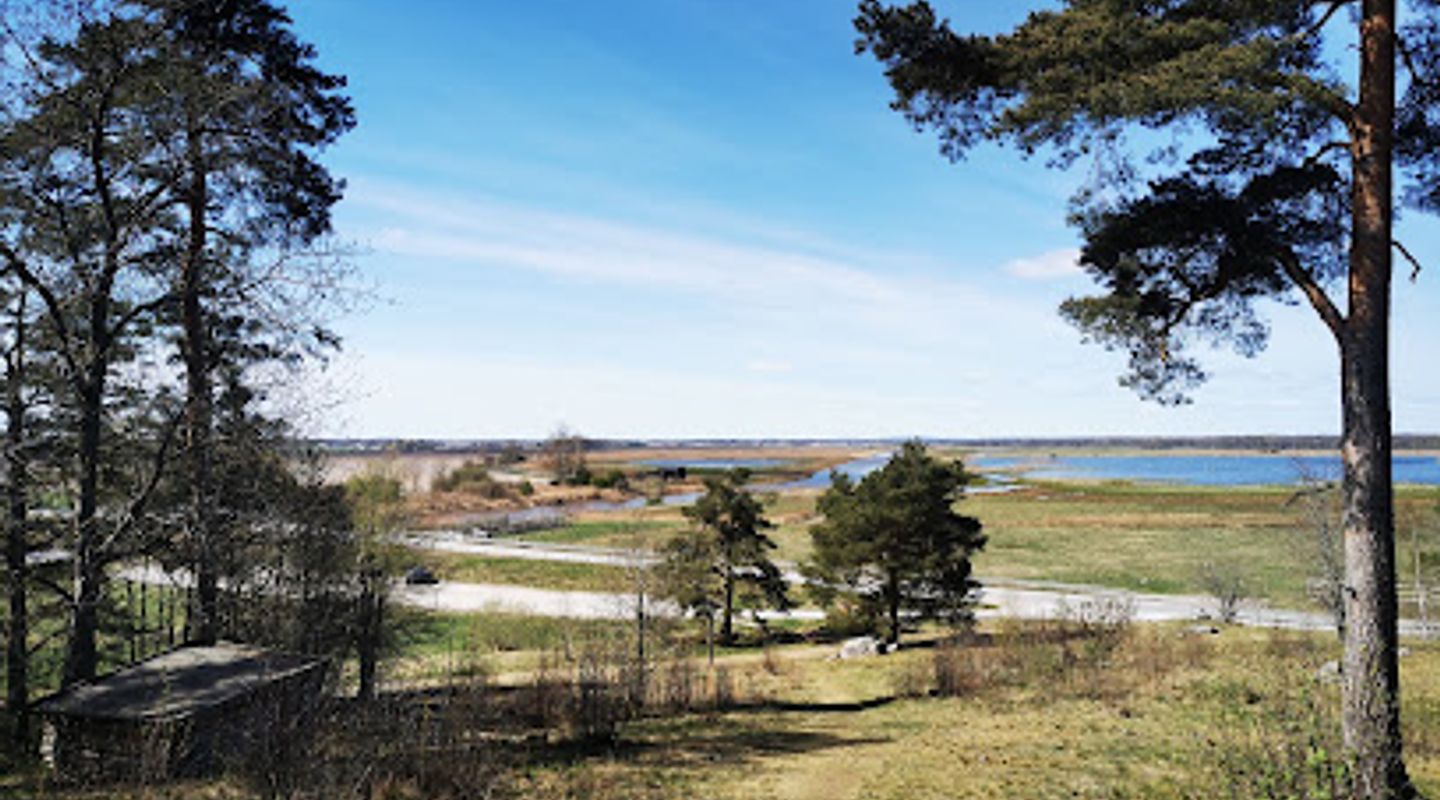
Kvismaren Nature Reserve, located 14 km southeast of Örebro, Sweden, is a premier wetland haven renowned for its birdlife. Restored lakes and marshes attract over 200 bird species annually, especially migrating cranes and geese during spring and autumn. Explore trails, observation towers, and Öby Hill, where adders and grass snakes emerge in spring. Designated as a Ramsar site and Natura 2000 area, it spans 732 hectares across Örebro, Hallsberg, and Kumla municipalities, offering serene vistas and rich biodiversity for nature enthusiasts.
A brief summary to Nature Reserve Kvismaren
- Örebro, 701 86, SE
- Click to display
- Duration: 1.5 to 4 hours
- Free
-
 Outdoor
- Mobile reception: 4 out of 5

Know before you go
Hi, I'm Eve. Here are a few practical things to know before exploring Nature Reserve Kvismaren.
- Visit Öby Kulle in early spring for snake sightings on sun-baked rocks; bring binoculars for distant bird views.
- Time autumn evenings at Hammarmaden to witness thousands of cranes and geese landing in twilight.
- Use the information hut at Öby Kulle for maps and species checklists before exploring trails.
- Wear sturdy boots for potentially wet paths, especially after rain on grass tracks to towers.
- Check for ongoing restoration work, which may create new observation spots.
Do you manage this location?
Take control to get all the benefits, like improved information, better appearance, and stronger visibility across AI-powered discovery. Learn more about listing your business on Evendo
Activate your presenceOther nearby places you may find interesting
The closest places of the same kind, if this one is not quite what you had in mind.
Explore Nature Reserve Kvismaren on the Map
A handpicked selection of must-see spots near Nature Reserve Kvismaren, mapped for you.
Getting There
-
Driving
From Örebro, follow väg 207 southeast for 14 km then turn right toward Stortorp/Norrbyås; after 11 km, right to Öby Kulle parking (30-40 minutes, free parking limited at peak seasons).
-
Driving
From Kumla via riksväg 52, follow signs for 14 km to multiple entrances like Hammarmaden or Öby Kulle (20-30 minutes, gravel roads may be soft after rain).
-
Bus + Walk
Regional bus from Örebro to Odensbacken (25 minutes, 50-80 SEK), then 4-5 km walk along väg 207 to nearest trailhead (1 hour, uneven shoulders).
-
Cycling
Bike from Örebro center via dedicated paths along riksväg 52/207 (50-70 minutes, flat terrain with some gravel sections to reserve entrances).
For the on-the-go comforts that matter to you
-
 Restrooms
-
 Drinking Water
-
 Seating Areas
-
 Trash Bins
-
 Information Boards
-
 Picnic Areas
Discover more about Nature Reserve Kvismaren
Wetland Restoration and Natural Splendor
Kvismaren's landscape bears the marks of thoughtful human intervention to revive its ancient wetland character. Once altered by drainage for agriculture, parts of the reserve have been restored through the removal of dense reed beds and regulated water levels that mimic natural fluctuations. This has transformed the area into a mosaic of shallow lakes, expansive marshes, and lush fuktängar—wet meadows grazed by livestock. The result is a vibrant ecosystem where bladvass (reed) belts fringe open waters, creating ideal habitats for wetland-dependent species. Spanning 732 hectares, the reserve's scale allows for immersive exploration amid sweeping skies and reflective pools.Öby Kulle: Heart of the Reserve
At the reserve's core rises Öby Kulle, a frost-free hill serving as the main visitor hub. Sun-warmed rocks here draw large gatherings of snok (grass snakes) and huggorm (adders) during the first warm days of spring, as they emerge from hibernation dens deep within the hill. The site features an information hut, restrooms, grill areas, and interpretive signs detailing the area's ecology. From this vantage, trails radiate outward, inviting visitors to trace the contours of restored lakes like Västra and Östra Fågelsjön, or venture to remote spots such as Åslaholmen and Sörön.Birdlife Spectacle Across Seasons
Kvismaren pulses with avian activity, hosting around 200 species yearly. Breeding residents include rördrom (little bittern), skäggmes (bearded reedling), trastsångare (marsh warbler), and brun kärrhök (marsh harrier) in the reed beds. Spring and autumn migrations bring dramatic influxes: flocks of tranor (common cranes) and gäss (geese) descend in their thousands, filling twilight skies with prehistoric calls as they settle for the night. Hammarmaden, in the southeast, floods early in spring, attracting simänder (dabbling ducks), svanar (swans), and vadare (waders). Winter sees åtel (feed stations) drawing kungsörn (white-tailed eagle) and havsörn (sea eagle).Observation Points and Trails
The reserve boasts multiple fågeltorn (birdwatching towers) at key sites: Löten near parking offers easy access via hard paths; Rysjön and Killingemaden feature mown grass tracks; Hammarkullen connects via gravel. Vandringsleder (hiking trails) link these, from short loops around Öby Kulle to longer routes spanning the reserve. Fiskingemaden and Värsta maden provide open vistas for scanning distant flocks. These facilities enable close encounters with nature's rhythms without disturbing fragile habitats.Global Significance and Protection
Recognized internationally, Kvismaren holds Ramsar status under the Convention on Wetlands, highlighting its value for conservation and sustainable use. It also forms part of the EU's Natura 2000 network (SE0240058), safeguarding habitats for protected species. Established in 1978 and expanded through 1996, the reserve is managed by Länsstyrelsen Örebro, with ownership shared between Naturvårdsverket and private landowners. These designations underscore its role as one of central Sweden's most vital wetland bird breeding and staging grounds.Seasonal Rhythms and Hidden Gems
Spring awakens the reserve with lekking dvärgbeckasin (jack snipe) and dubbelbeckasin (red-necked phalarope) under endless light nights. Autumn evenings at Hammarmaden reveal rovfåglar (raptors) patrolling maden edges. Even winter holds allure with varfågel (waxwing) and fjällvråk (rough-legged buzzard). Rare sightings in Kumla sections include rödhalsad gås (red-breasted goose) and citronärla (citrine wagtail), cementing Kvismaren's allure for dedicated observers.More to explore near Nature Reserve Kvismaren













Your all‑in‑one travel companion app
Explore expert travel guides, compare and book tours, experiences, hotels, and more—all from the palm of your hand. Download now for seamless trip planning wherever your wanderlust takes you.


Explore More of Narke
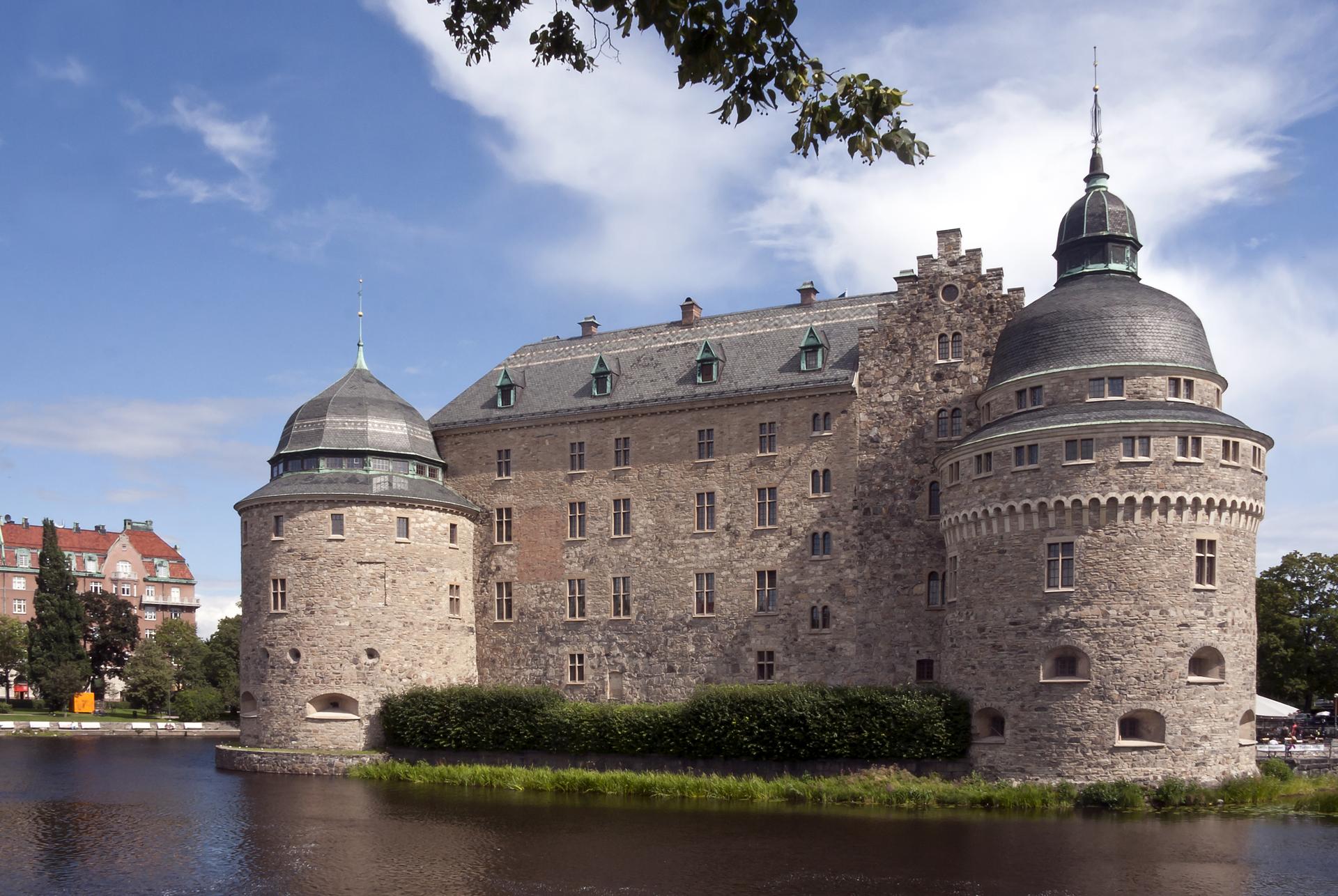
Looking beyond Nature Reserve Kvismaren? Discover Narke for broader travel guides, local hot-spots, and regional highlights.
Explore Narke
Sunny outdoor pools, thrilling slides, and green lawns await at this lakeside summer haven in Örebro—pure family splash bliss.
Experience breathtaking views and captivating art at Kvarntorpshögen, a unique tourist attraction in Sweden that combines nature and culture.
